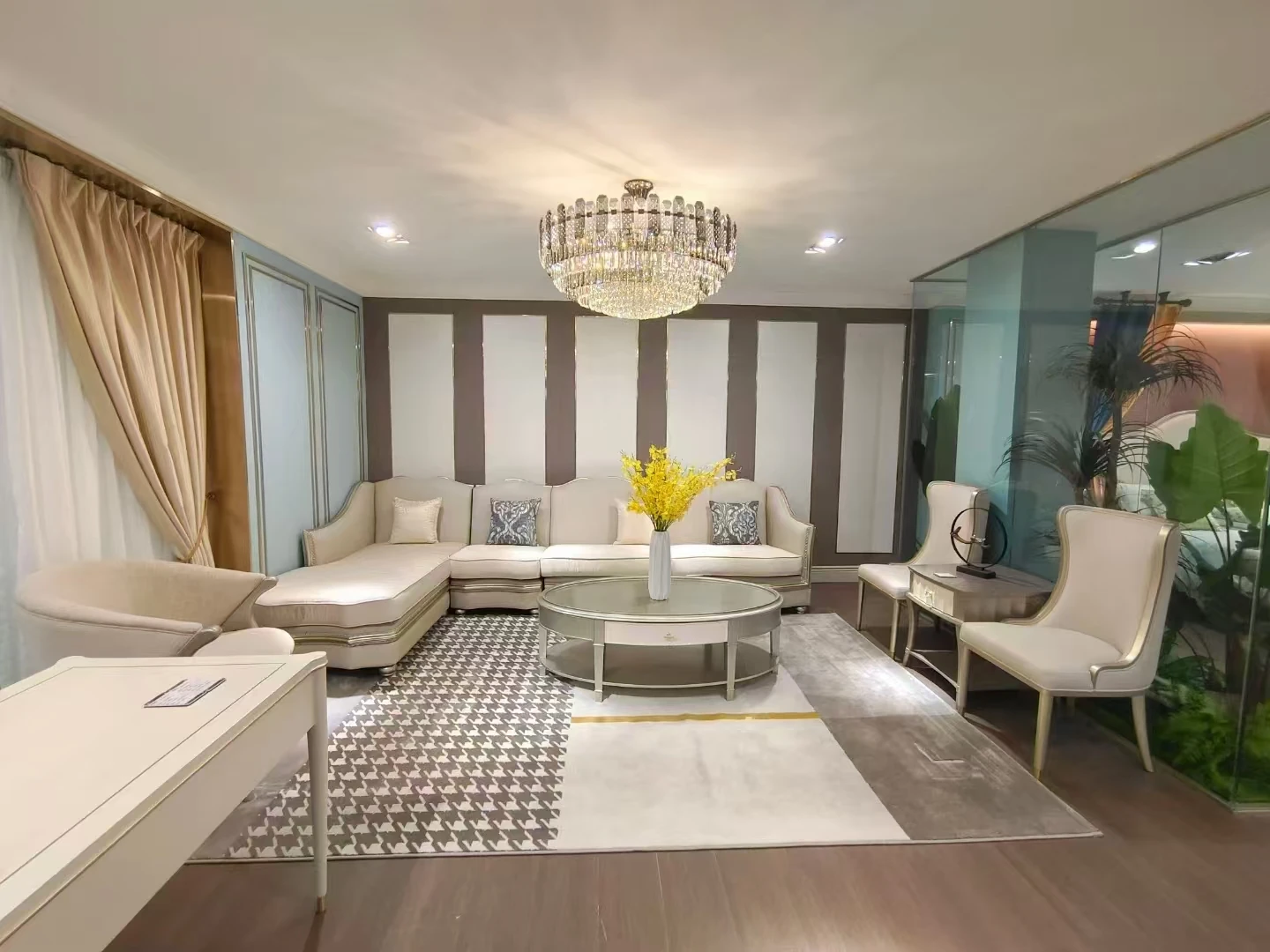
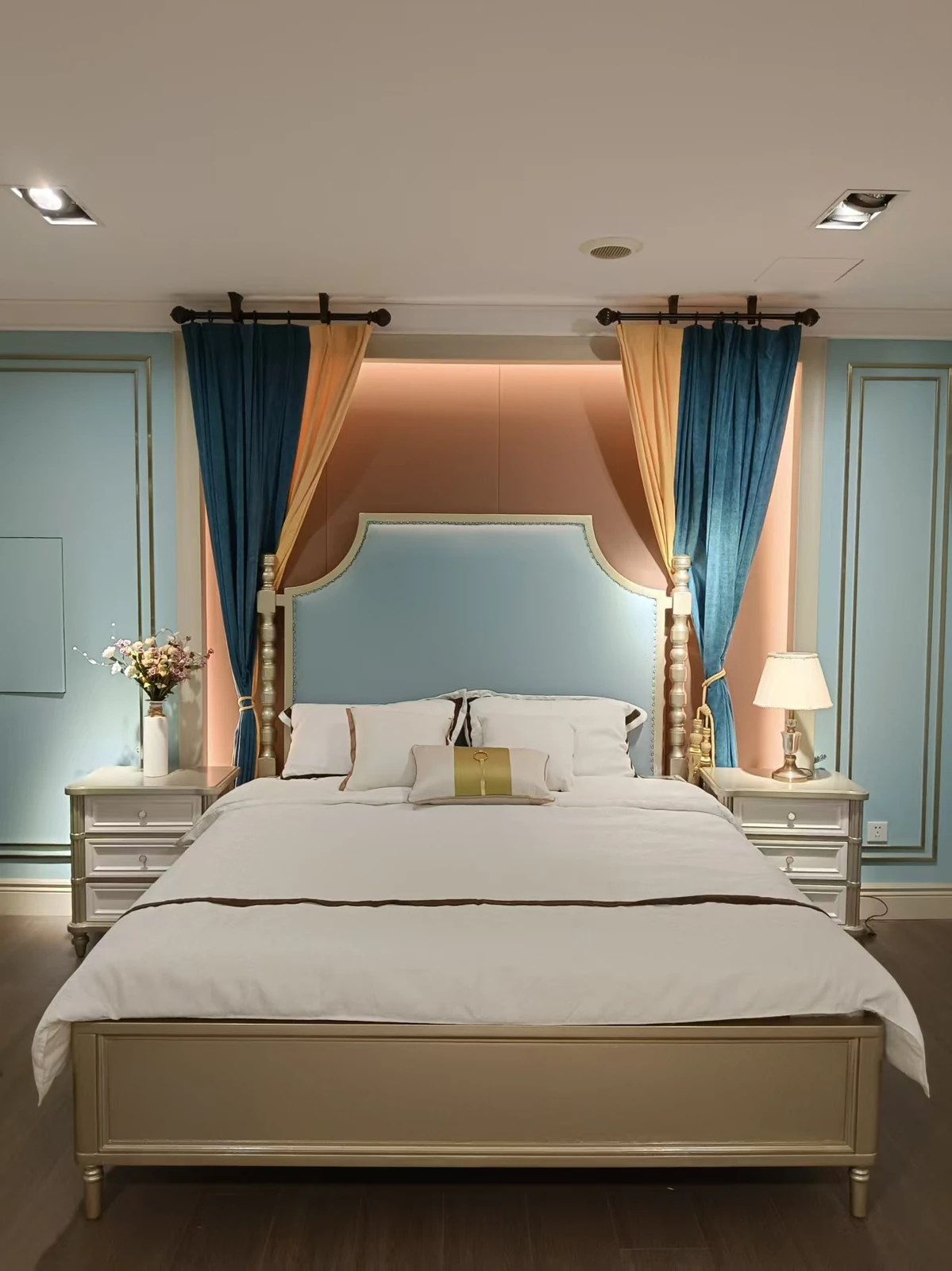
Every Singapore home different. We curate pieces that work for your actual floorplan, not some magazine fantasy.
HDB 3/4 ROOM
🏠
Compact Corridor Entryway
Typical 1.2m corridor? No problem. Slim profiles that still hold 20+ pairs without blocking your path to the kitchen.
[Shoe Cabinet Image]
SlimLine 60cm Shoe Cabinet
S$189
Only 25cm deep but fits 15 pairs. Perfect for those narrow HDB corridors where every cm count.
[Wall Hook Image]
Wall-Mount Fold-Down Bench
S$159
Fold it up when not using — very convenient for small space. Sit down to change shoes, then tuck away.
CONDO / LANDED
🏢
Statement Entryway Pieces
More space? Show off your taste. Upscale console tables, full-length mirrors, and seating that makes guests go "wah, so nice!"
[Console Table Image]
Teak Console with Storage
S$449
Solid teak, very atas. Drawers for mail, hooks for bags. Looks shiok in any landed entryway.
[Bench Image]
Nappa Leather Upholstered Bench
S$329
Very comfy sia. Guest can sit, change shoes, look decent before entering. Hidden storage underneath.
Best Sellers
Real Singapore homes, real customer reviews. No filter sia.
[Halden Shoe Cabinet Product Image]
Halden Shoe Cabinet
S$279
HDB-Friendly20 Pairs CapacityAnti-Dust Cover
Angled shelf design lets you see every pair without digging. Assembly took 30 mins only — very straightforward. Customer from Woodlands says "finally my shoes not scattered everywhere!"
[Otto Bench with Hooks Product Image]
Otto Bench with Hooks
S$349
Multi-Function4 Hooks IncludedStorage Compartment
Sit, hang bag, slide shoes underneath — one piece do everything. Very practical for busy families. Solid pine wood construction, tahan lama sure.
[Nico Mirror Product Image]
Nico Floor Mirror
S$199
Full LengthWall-Mount OptionAnti-Slip Base
Check your outfit before stepping out. Thin frame design doesn't eat up your entryway space. Leaning or wall-mounted — you decide.
[Shupei Slim Console Product Image]
Shupei Slim Console
S$299
30cm DepthScandinavian StyleCable Management
Ultra-slim at only 30cm deep. Perfect for placing keys, wallet, hand sanitizer right at entry. Modern look that suits any HDB or condo interior.
[Weiya Wall Hook Rack Product Image]
Weiya Wall Hook Rack
S$159
8 HooksSpace-SavingEasy Install
Vertical storage solution — goes up the wall, not out into the room. Holds coats, bags, umbrellas, even bicycle helmet. Installation kit included, DIY lah!
Pick the Right Entryway Furniture for Your Space
Before buying, measure your entryway's width, depth, and ceiling height. Leave at least 80 cm of clear walking space once the piece is placed. In humid climates like Singapore, Malaysia, Thailand, and much of Japan and Korea, prioritise materials that resist warping—teak, eucalyptus, powder-coated steel, or sealed rattan—and avoid untreated softwoods. Compare shelf heights against the shoes you own; long boots need taller vertical space. Ask the seller about ventilation openings, warranty coverage against humidity damage, and whether the design suits compact apartments common across these cities. Confirm the weight capacity before loading.
Built to Endure: What Makes Entryway Furniture Last
Good entryway furniture starts with the right materials for humid Southeast and East Asian climates. Solid teak, kiln-dried hardwood, or powder-coated metal resist warping and rust far better than particleboard or untreated softwoods. Joints should be dovetailed, mortise-and-tenon, or reinforced with metal brackets—not merely nailed or glued. Check that shelves support central brackets and that drawers glide on full-extension metal slides. Warning signs include visible gaps at corners, wobbly legs that don't sit flat, veneer surfaces that peel at the edges, and any musty odour indicating hidden moisture damage. In tropical humidity, even well-built furniture needs airflow clearance against walls. Prioritise these structural details over finishes; they determine whether your entryway piece survives a decade or a single monsoon season.
Entryway Essentials Across East and Southeast Asia
An entryway must first serve climate and culture before style. Singapore and Malaysia demand ventilated shoe cabinets with anti-microbial lining; humidity breeds odour fast, and open racks warp. Japan prioritises low genkan benches for frequent shoe removal and offers tall units that double as coat and umbrella storage—umbrella stands are almost mandatory. Korea pairs minimalist benches with enclosed storage to hide slip-ons, matching the clean-floor aesthetic. Thailand blends indoor and outdoor living: a covered terrace entry calls for teak or synthetic rattan pieces that tolerate rain, plus a bench for slippers rather than street shoes. Across all five markets, the common rule is the same—entryway furniture must accommodate the local shoe volume, the local climate, and the rituals of taking footwear off before crossing the threshold.
What Buyers Actually Ask Before Ordering an Entryway Table
Before placing an order, buyers across Singapore, Malaysia, Japan, Korea, and Thailand consistently ask the same handful of questions. First: will it fit? They measure their doorway width, hallway clearance, and wall space, then compare those numbers to the product's depth and projection. Second: what material holds up in humidity? Tropical climates warp cheap wood, so buyers look for treated teak, rattan, or powder-coated metal. Third: how many shoes does it hold? Open-rack designs and stackable options get the most attention. Fourth: is assembly required? Flat-pack pieces that need tools worry renters who move frequently. Fifth: does it work for slippers and sandals? Low-profile tables with open bottoms accommodate both everyday shoes and footwear common in these regions. Knowing these answers upfront saves returns and delays.