Working through Warranty for Entryway Furniture
Most furniture warranties are written to sound reassuring, but the useful details are often buried in clauses about wood movement, finishes, components, and claim procedures. For entryway furniture in Singapore, that distinction matters: a hallway receives direct light, daily shoe traffic, and the repeated bumps of residents passing through with bags, deliveries, and cleaning equipment.
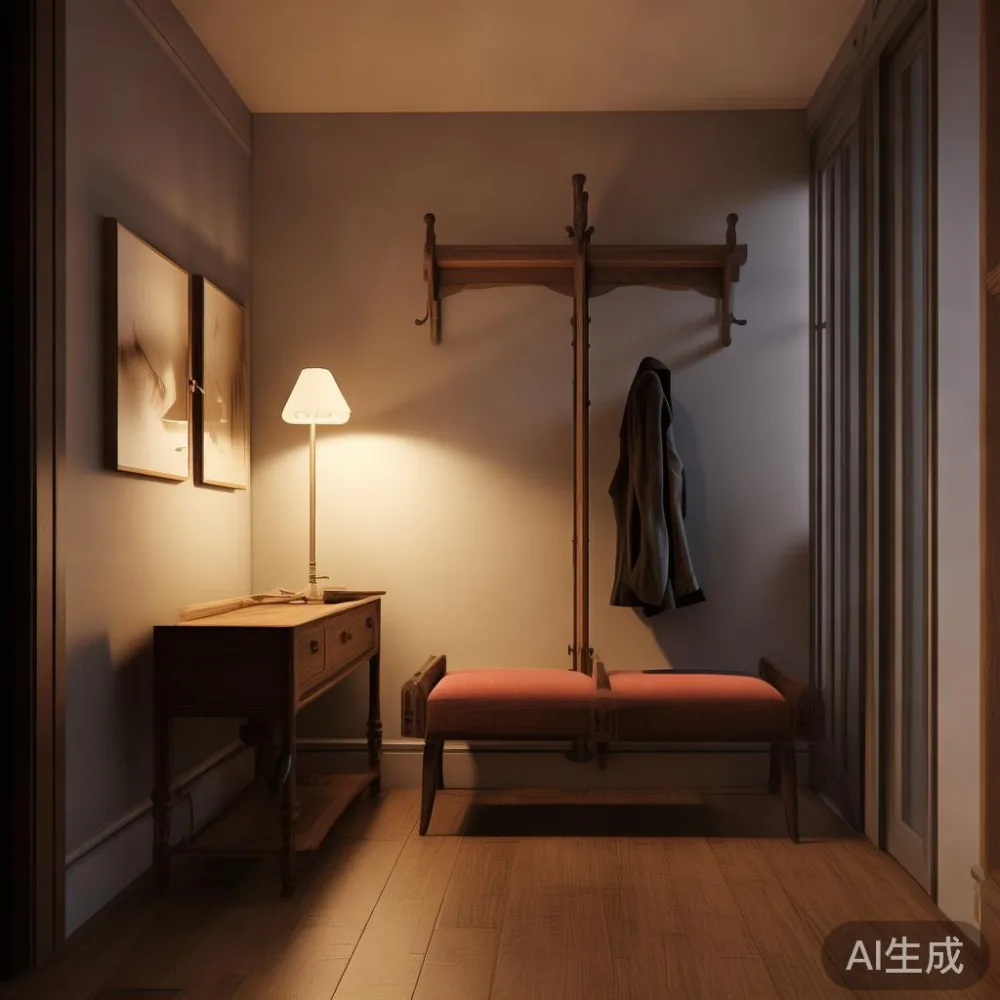
This guide explains what to check before you buy, what questions to ask, and how to document a potential claim. It also considers the practical limits of moving a solid wood console, wardrobes, or dining tables through HDB flats and condos in Tampines, Bedok, and Punggol.
What does a 10-year furniture warranty actually cover?
A 10-year structural warranty is not the same as a promise that every surface will remain flawless for 10 years. A sound structural warranty should identify the product and cover failures in the load-bearing frame, joints, and structural components under normal residential use. It should also state what the manufacturer will do: repair, replace, refund, or provide parts and labour.

Check the wording carefully. “Solid wood” does not mean the surface will never scratch, and a warranty against joint failure does not automatically cover a chipped edge, a cracked marble top, or a faulty drawer runner. Ask whether the warranty applies only to the original purchaser, whether proof of purchase is required, and whether the claim must be submitted within a stated period.
MIDHILL is a Foshan solid wood furniture maker established in 2008, and its stated policy includes a 10-year structural warranty and lifetime refinishing. Those are useful starting points, but the written terms still matter. Ask for the document associated with the exact model, not only a summary on a product page.

Look for exclusions involving commercial use, outdoor use, accidental damage, water exposure, direct sunlight, improper assembly, and unauthorised modifications. A table used daily in a family dining room may qualify as residential use; a table placed in an uncovered porch may not. If the entryway furniture stands beside a window with strong afternoon sun, ask how direct light affects the finish.
Which parts of entryway furniture are most likely to cause a dispute?
Wood movement is a common source of confusion. Solid wood expands and contracts as humidity changes. In Singapore, monthly humidity may shift from approximately 70% to 85%, while air-conditioned interiors can be much drier. A quality maker should account for this by using stable joinery and appropriate clearances rather than promising that a board will never move.
Fine lines, small surface marks, or slight movement may be treated as normal characteristics of natural wood. That does not mean a badly split panel, loose joint, or collapsed shelf is acceptable. The warranty should distinguish cosmetic variation from structural failure.
For a solid wood sofa, check whether the frame, webbing, springs, and cushions are covered separately. For a bed frame, identify whether slats, centre supports, fasteners, and the headboard are included. For a dining table, ask whether the tabletop, apron, legs, and extension system are treated as one structural unit. A wardrobe may have several moving parts: hinges, drawer runners, hanging rails, and adjustable shelves. A nightstand needs checks for the cabinet box, drawer, handle, and fixing hardware.
Marble tables require a different conversation. Ask whether the policy covers cracking, chipping, staining, and separation of the stone from its base. Confirm the expected weight limit and whether a moving company must use the original packaging. A 120 kg marble top is not designed to be carried sideways by one person.
Will the furniture fit through my HDB flat or condo?
A 10-year warranty is irrelevant if the console cannot reach its final position. Obtain the packed dimensions, not only the displayed dimensions. Allow at least 5 cm clearance on each side when measuring a doorway, lift entrance, corridor turn, and stair landing.
Older HDB blocks may have lift doors around 80 cm to 90 cm wide and internal cars around 110 cm deep to 140 cm deep, though these measurements vary by block. A 150 cm long console may fit diagonally in one lift but not another. Measure the narrowest lift entrance, the diagonal depth of the lift car, the landing, and every corridor turn.
At home, check the route from the street or loading area, through the void or lobby, into the lift, along the corridor, and through the main door. The unit also has to clear skirting boards and corners. For the MIDHILL TV console, for example, request the carton dimensions, packed weight, removable-leg measurements, and delivery conditions before placing the order.
Condo rules can add another layer. Building management may require a service lift booking, protective floor covering, a delivery permit, and insurance details. A supplier may include delivery, but the owner should still confirm the access requirements. For bulky wardrobes or dining tables in Punggol, ask whether delivery is a two-person service and whether stair carries are charged separately.
How should solid wood be described in a warranty?
Look for the species and the components covered. “Solid wood” may apply to the frame and legs while the back panel, drawer bottoms, or table top use a different material. Ask for clarification when a product uses engineered panels alongside solid timber. Veneer is not automatically inferior, but it should not be presented as solid wood if the entire board is not timber.
Finish terminology also needs precision. A water-based lacquer, oil finish, stain, and matte coating behave differently. The warranty might cover adhesion failure of the factory finish but not ordinary wear from keys, bags, shoes, or pet claws. Lifetime refinishing is another promise that needs definition: does it cover one service, refinishing labour only, or new material as well?
Ask whether refinishing is offered for every colour or only the factory finish. It is also worth asking how long the process takes, whether the item must be shipped overseas, and whether scratches within a defined period count as covered service. Keep the answer with your receipt.
What should I do before the furniture arrives?
Photograph the room, access route, lift, and finished floor before delivery. Measure the furniture against the intended wall and leave 2 cm to 5 cm for uneven walls and ventilation where relevant. Confirm that the installer has been briefed about scratches, existing flooring, and the correct route.
On delivery day, inspect the cartons before they are opened. Record any puncture, crushed corner, or moisture mark on the delivery note. Check the piece in good light for cracks, dents, chips, loose joints, and finish defects. A marble table should be checked for edge chips and cracks around mounting points. A bed frame should be checked at every joint before the mattress is placed.
Test drawers, doors, rails, and shelves before the delivery team leaves. Record a short video with the date visible or stated. Keep your order number, invoice, warranty document, and delivery note together in a folder. If an item is assembled, photograph the fixings and retain any spare hardware.
For a premium sofa, check that the protective packaging has not been pierced and that no exposed timber or foam is compressed. For a wardrobe, inspect the vertical panels, hanging rail, shelves, and door alignment. Do not sign a “no damage” statement without checking the visible surfaces.
How do I make a valid warranty claim?
Most makers require prompt notice. A claim filed 8 months later may be harder to assess than one reported after 3 days, even if the issue appears gradually. Contact the supplier in writing and describe the exact component, location, and size of the fault. Include photographs and a short video that shows movement or separation.
Ask whether a diagnosis is required before dismantling the item or removing a drawer front. If the manufacturer asks you to disassemble furniture, obtain that instruction in writing. A solid wood bed frame may be tightened under approved procedures; removing structural parts without guidance could affect the claim.
Keep packaging if the claim concerns transport damage, although the maker’s terms may require inspection within a stated number of days. Do not repair a failed component with glue, screws, or filler unless the supplier agrees in advance. If the item is unsafe, isolate it from circulation and ask for instructions.
Singapore consumers should also receive a clear explanation of GST. A SGD 2,000 product before GST becomes SGD 2,180 at the standard 9% rate. Confirm whether the invoice lists GST, the delivery charge, and any stair-carry or installation fee separately. A written quote should state the total payable rather than relying on an estimate.
Can the warranty be transferred when I move?
A warranty may follow the product rather than the owner, but it may also require the original invoice or a transfer form. Ask whether moving the furniture affects coverage, particularly if the original delivery conditions no longer apply. For example, moving a 95 kg solid wood dining table from a Bedok HDB flat to a Punggol condo may require new fixing or reinstallation.
Care instructions should travel with the item. Save the manufacturer’s guide, including recommended humidity ranges, cleaning cloths, and approved oils. Use a lightly damp cloth rather than soaking timber, and keep entryway furniture away from standing water, damp shoes, and direct heat.
Light-luxury design does not remove the need for sensible care. If you are considering how to style light luxury wardrobe in room, or comparing modern French provincial furniture with American light luxury, evaluate the construction and warranty separately from the visual style. If the supplier is known for Italian light luxury for office projects, request project-specific terms rather than assuming a residential policy covers a commercial setting.
What questions should I ask before paying?
Ask: “Does the 10-year structural warranty apply to the exact model and finish?” “Is lifetime refinishing available for this piece, and what does it include?” “Which materials are solid wood?” “How many days do I have to report transit damage?” “What are the packed dimensions and weight?” “Does delivery include carrying to the unit or only to the lobby?” “Are GST and installation shown separately?”
Also ask what happens if the item fails outside the warranty: is there a repair service, and what are the labour rates? A supplier with a defined repair process gives you a clearer route than one whose only promise is a vague replacement offer.
For larger projects, request the model specifications in writing. A comparison of solid wood sofa, bed frame, dining table, wardrobe, nightstand, and marble table should list frame material, finish, dimensions, weight, components, and coverage for each.
Some common buying questions can be framed directly. If you are asking “is French provincial wardrobe worth it?”, compare the construction, usable depth, hinge quality, and warranty terms rather than the style name alone. If you are reviewing american sofa set design, check the frame warranty, cushion specifications, fabric treatment, and service options. If your question is how to choose European light luxury wardrobe, measure the opening, confirm the delivery route, and request a document explaining every excluded component.
What are the red flags in a furniture warranty?
Watch for a long list of exclusions with no named repair process. Another warning sign is a policy that covers “all defects” but never defines the product, period, or claim procedure. Be cautious when the warranty arrives only after payment, when the seller cannot provide the exact wording, or when “lifetime” appears without a practical service commitment.
Also be wary of impossible transport promises. A 180 cm long wardrobe cannot always be tilted into an 80 cm lift without planning. A supplier who understands measurement, packaging, and building access is more likely to have a credible delivery and claims system.
Look for clarity instead of grand language. A 10-year structural warranty with defined components is more useful than a vague lifetime guarantee. Confirm the claim window, proof required, repair scope, delivery responsibility, and GST-inclusive price. Most importantly, match the policy to the exact entryway furniture you are buying, because solid wood, marble, upholstery, and engineered panels have different failure modes.