Humidity, HDB Entrances and Solid Wood: A Southeast Asia Furniture Guide
Singapore’s equatorial climate can change the moisture inside a solid wood furniture piece more often than many residents expect. A console beside the main door may meet humid morning air, then warm air from a shared corridor, while a wardrobe in a Punggol bedroom experiences a slower rhythm of humidity changes. These movements affect timber joints, veneer adhesion, marble surfaces and the appearance of entryway furniture in ways that are easy to overlook until a gap appears or a finish dulls.
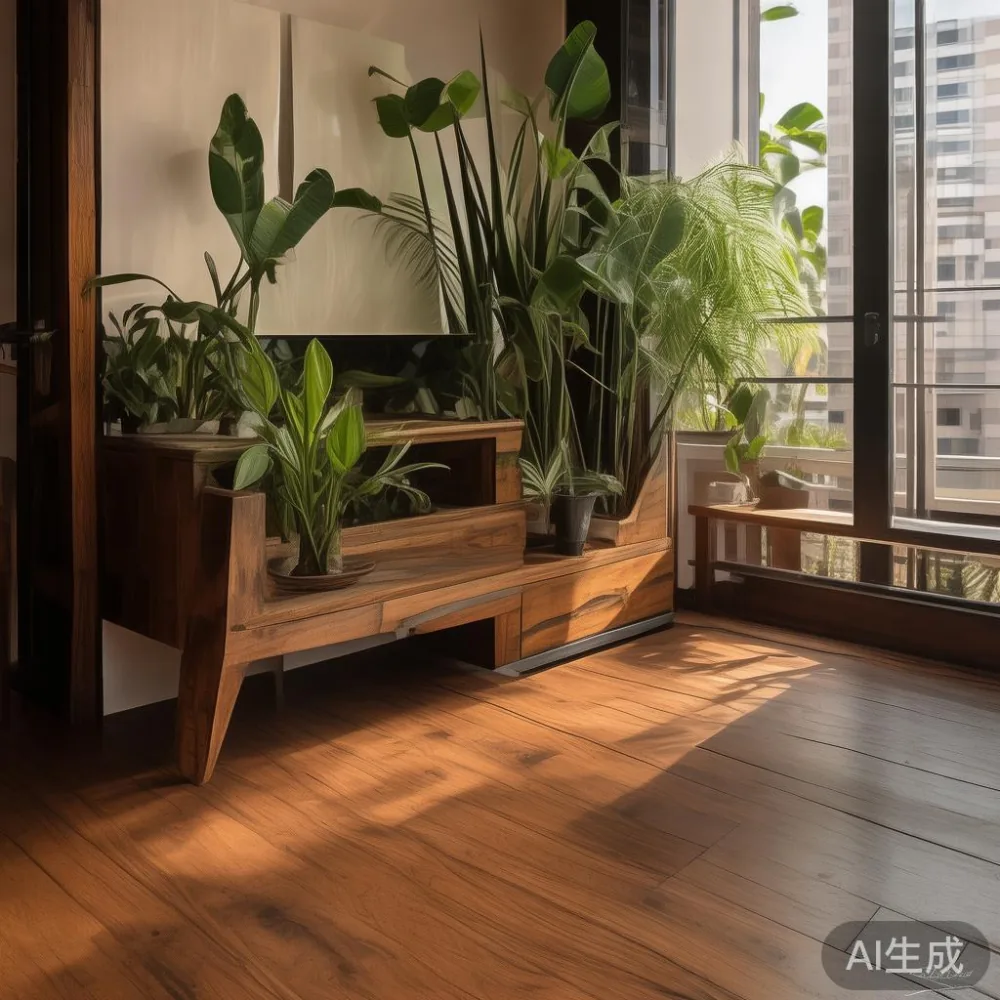
Southeast Asia is not uniformly humid. Singapore usually has high relative humidity, while regional conditions vary by coast, elevation and season. Coastal air carries more moisture, air-conditioned interiors can become quite dry, and a corridor near an open stairwell may feel different from an apartment halfway up a building. Furniture makers therefore need controlled timber drying, suitable joinery and careful finishing rather than a promise that wood will never react to its surroundings.
MIDHILL has manufactured solid wood furniture since 2008 and exports to more than 15 countries. Its approach to Southeast Asian humidity combines kiln-dried timber, production checks and a 10-year structural warranty. The company also offers lifetime refinishing, 14-day returns and free shipping above US$350, which is shown here in USD because the manufacturer’s published threshold uses that currency. Any Singapore delivery quote should still be confirmed in SGD, including GST and lift-access charges.
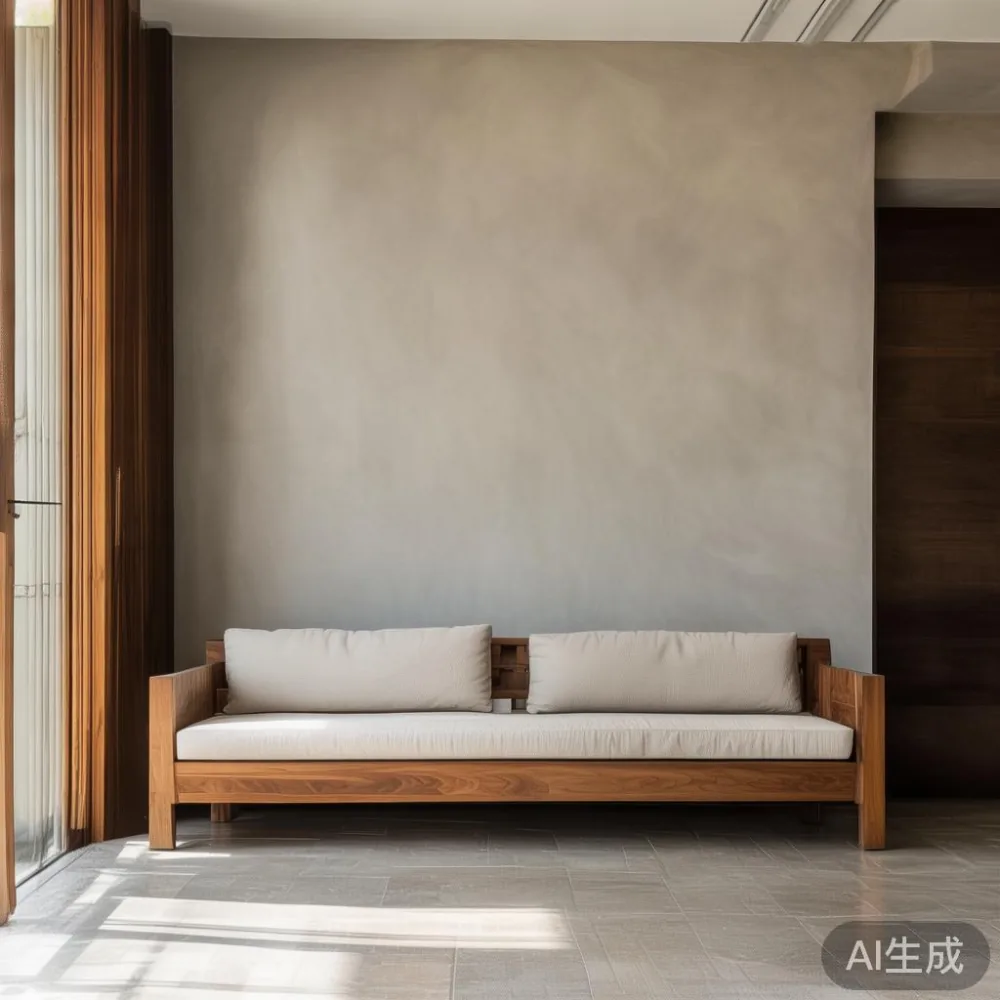
Can humidity actually damage solid wood furniture in Singapore?
Yes, but the damage usually develops gradually. Wood is hygroscopic: it gains moisture when surrounding humidity rises and loses moisture when the air becomes drier. Solid wood swells across the grain, contracts along the grain and can develop stress around joints if movement is restricted. The visible result may be a drawer that feels tight, a panel with a fine seam, a bowed door or a finish that has lost its even sheen.
The risk differs by timber and construction. Solid oak, ash, teak and similar hardwoods used for bed frames and dining tables respond clearly to humidity changes. Some species are less movement-sensitive than others, but none should be treated as moisture-proof. MDF, plywood and engineered panels can also move at their edges, while poorly sealed particleboard may swell where it has been exposed to moisture.
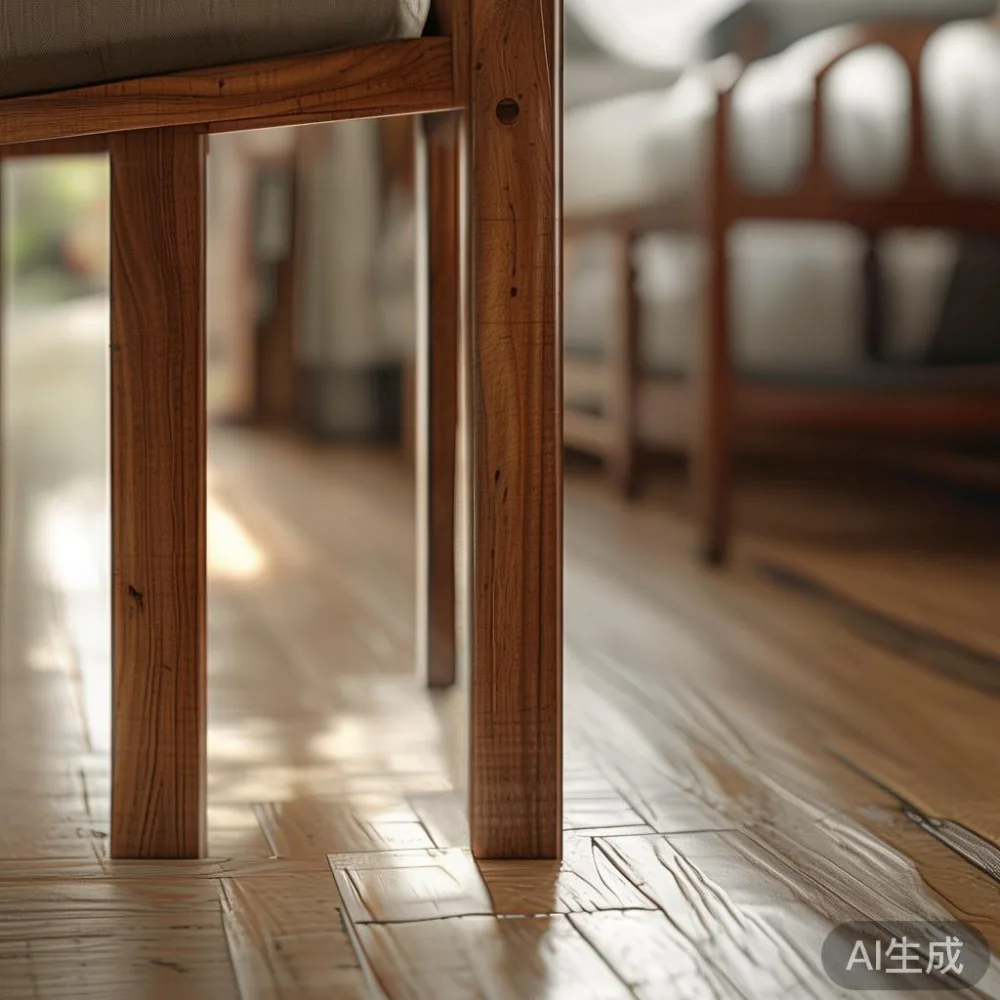
Singapore’s monthly relative humidity commonly sits around 70% to 85%, with wet periods and drier spells producing noticeable swings. Exact readings vary by location and weather. A useful indoor target for many wooden pieces is approximately 40% to 60% relative humidity. This is a practical range, not a guarantee against movement, and the more important rule is to avoid abrupt changes: placing a wet umbrella rack directly beside a solid wood console is less sensible than allowing that rack to dry before it touches timber.
Last month I visited a collection of HDB flats in Tampines and inspected a newly delivered solid wood bed frame. The frame had arrived with clean joints and square corners. By the following week, the occupants had placed it close to a bedroom window and turned on a cooling vent aimed at the side rail. The frame was not defective; the airflow and daily humidity cycle simply created a faster exchange of moisture. Moving the bed 60 cm away and reducing the direct draught restored a more stable surface condition.
Why do HDB corridors and condo lift lobbies create special furniture challenges?
Entrance zones receive little direct sunlight but plenty of warm, moving air. In an HDB corridor, residents pass between shared and private spaces carrying rain, laundry moisture and cleaning residues. In a condo lift lobby, polished floors are frequently washed, and reflected lighting can reveal every scratch, swollen joint or cloudy marble top. Entryway furniture therefore needs to look composed at close range while tolerating moisture around its feet and lower panels.
Space is another local constraint. Many Singapore lift doors are about 90 cm wide, although the clear opening inside a specific car can be smaller. Common HDB and condo move-in lifts often accommodate furniture only when its narrowest packaged dimension is no more than around 80 cm to 85 cm, with dimensions checked separately. A package measuring 160 cm long by 45 cm wide by 22 cm high may pass an opening but still need careful turns in a corridor.
Before ordering, measure the lift door, the deepest recess, the corridor turn and the route into the flat. Record the lift car’s internal height and diagonal as well as its door width. Add 5 cm to 10 cm of working clearance where walls, rubber seals or fire-safety equipment reduce the usable opening. The delivery team should know whether stairs are involved, whether the lift can be reserved and whether the unit’s access requires two-person handling.
A 42 cm deep entryway bench may suit a standard HDB corridor, while a 60 cm deep console offers more storage but needs a wider route. Weight matters for installation. A narrow teak shoe cabinet might weigh 28 kg, whereas a marble topped console may reach 45 kg. A solid wood dining table can exceed 70 kg and should never be carried upstairs by one person. These figures also explain why threshold, lift and corridor measurements should be confirmed before production.
How should solid wood be prepared for a humid climate?
The timber should be dried to a moisture level appropriate to the destination and allowed to acclimatise before finishing. A factory that only measures moisture once at delivery may miss changes that happen after the furniture reaches an air-conditioned flat. MIDHILL’s production process should therefore be discussed in practical terms: kiln records, timber species, panel thickness, joint construction and the finish system.
For solid wood bed frames and dining tables, continuous grain and mechanically restrained joints help manage seasonal movement. For wardrobes, drawer boxes and nightstands, close-fitting parts need allowance for dimensional change. A drawer should use slides that permit a small amount of movement rather than a rigid fixing that can bind. The back panel of a wardrobe may need a floating installation, depending on the cabinet system.
Finishing also matters. A water-resistant coating can slow moisture exchange, but it does not remove the wood’s need to move. Exterior faces, table edges and areas exposed to shoe polish may need additional care. Ask whether the finish is matte, satin or gloss, whether it can be touched up locally and how often refinishing is expected. MIDHILL’s lifetime refinishing service provides a useful route for restoring colour and surface protection, although claims, exclusions and Singapore service terms should be confirmed before purchase.
Marble table tops require a different moisture check. Marble is not wood and does not swell like timber, but it can react to acidic liquids, cleaning chemicals and impact. A console with a marble table should have a stable supporting base, level floor contact and discreet protective pads. Wipe spills within 5 minutes and use a neutral cleaner with a soft cloth. Acidic drinks such as cola, wine or citrus juice can etch the surface.
What is the best way to care for an entryway console near the front door?
Begin with distance from wet items and air currents. Keep umbrellas, wet shoes and cleaning buckets in a ventilated tray or separate waterproof unit rather than directly against a solid wood console. Leave at least 10 cm of ventilation space around freestanding furniture where practical. Position the cabinet against an interior wall, but do not press it tightly into a cold surface.
Use a digital hygrometer, ideally placed near the furniture at about waist height. Check it each morning and evening for 7 days. Readings above 65% call for more ventilation and dehumidification; readings below 40% may call for less aggressive air conditioning. If the console sits directly beside an air-conditioning vent, redirect the airflow. The aim is stability, not chasing a perfect number every hour.
Clean with a slightly damp cloth, not a dripping one. Follow the grain, dry immediately and avoid silicone-based household sprays. Test an unfamiliar cleaner on a concealed 5 cm square for 24 hours. Waxy products can leave an uneven patch, while abrasive pads can scratch a lightly textured finish.
Check screws, hinges and sliding doors every 3 months. Seasonal movement can loosen a fixing even when the cabinet remains structurally sound. Tighten fittings by hand, but do not force a swollen panel. A piece that binds after repeated humidity cycles may need its joints released or its finish renewed rather than extra pressure from a wrench.
Can different light-luxury styles handle Singapore humidity well?
Style does not determine moisture performance; material, construction and finish do. French light luxury often combines pale oak, walnut accents, linen textures and curved profiles. French provincial sofa designs may use carved frames, while French-inspired entryway furniture can include tapered legs and decorative mouldings. These details can suit a Tampines or Bedok interior when the scale is restrained.
American light luxury tends toward broad, clean planes and substantial forms, which can work in a larger condo foyer. Post-modern light luxury offers another approach through simple profiles, softened corners and balanced contrast. When comparing a Japanese sofa vs French provincial sofa, the practical questions are the frame material, cushion fill, seat depth and available door width, rather than the style label alone.
The phrase Post-modern for small living room is useful when an entry zone flows into a compact living area. A low 110 cm console and a slim 36 cm deep bench preserve circulation while giving the space a defined arrival point. For buyers searching under 2000 Post-modern furniture, verify the quoted SGD amount, dimensions, solid wood species and included finish before comparing products.
For a hospitality project, European light luxury for hotel can reference restrained proportions, durable finishes and coordinated furniture. A solid wood sofa, bed frame, dining table, wardrobe and nightstand should share compatible timber tones and construction methods. Hotel rooms also require clear maintenance protocols. European light luxury for hotel projects can look refined without ignoring the need to wipe surfaces quickly and replace components efficiently.
Another brief can be labelled Boho for dining room, but a rattan-look dining chair and a solid wood dining table serve different functions. Rattan should not be sprayed with water, while the table should be protected from heat and standing dishes. A marble table can support the same warm, natural palette, provided the stone pattern and edge profile are considered with the wood finish.
For an online search term such as best European sofa for 2026, buyers should compare verified specifications rather than rely on a marketing phrase. Check the solid wood or engineered frame, cushion density, warranty, return period and delivery cost. These criteria matter more than a trend label, particularly in Singapore’s demanding humidity cycle.
How do delivery, GST and returns work for Singapore homes?
Singapore orders should be quoted in SGD, with GST shown separately where applicable. A solid wood nightstand priced at SGD 549 before GST becomes SGD 582.94 when GST is added at 9%. A dining table at SGD 1,890 becomes SGD 2,060.10 with GST. Delivery to the door, carry-in upstairs, assembly and lift reservation may each be quoted as separate items, so ask for the complete landed amount.
Standard production and delivery timelines are commonly 35 to 50 days for solid wood pieces, although made-to-order details, seasonal schedules and shipping routes can extend the period. Smaller flat-pack items may take 25 to 40 days. A precise delivery date should be confirmed after the order is accepted, and the supplier should provide packing dimensions, carton count and the assigned carrier’s tracking record.
Free shipping above US$350 is MIDHILL’s published threshold, but a Singapore order needs its own quotation in SGD. The 14-day returns period should be checked against the stated condition requirements. Custom-sized entryway furniture, commissioned finishes and certain made-to-order pieces may have different return terms, so read the policy rather than assuming every order is identical.
MIDHILL’s 10-year structural warranty supports confidence in joinery, while lifetime refinishing addresses long-term surface care. Neither removes the need for sensible indoor humidity management. For trade projects, request the warranty document, finish samples, timber specifications and service contact before placing a large order.
Before confirming an order, make a simple record: dimensions, narrowest lift opening, corridor turns, floor level, estimated furniture weight and expected delivery date. Add the product’s species, finish, maintenance instructions and warranty reference. This 1-page check can prevent the most common delivery problems in HDB flats and condos.
Humidity does not make solid wood furniture unsuitable for Singapore. It makes controlled drying, stable joinery, suitable coatings and sensible placement non-negotiable. For entryway furniture, the best results come from treating the corridor and flat as one connected environment, allowing air to move around the piece, keeping moisture away from timber and checking the installation as humidity changes.
For a more specific assessment, provide MIDHILL or the seller with the flat type, floor level, lift dimensions and a photograph of the access route. A 3 cm discrepancy at the lift can determine whether a carefully designed solid wood console or bed frame arrives intact. That preparation supports the finished room and keeps the arrival experience as considered as the furniture itself.