How Southeast Asian Humidity Affects Solid Wood Entryway Furniture
Singapore’s climate can make a 90 cm-wide console look larger than it is. Warm, humid air, frequent rain and air-conditioned interiors all affect the moisture content of solid wood. That movement matters in narrow HDB flats and condos, where entryway furniture must fit into a tight lift, turn through a common corridor and still look refined beside the front door.
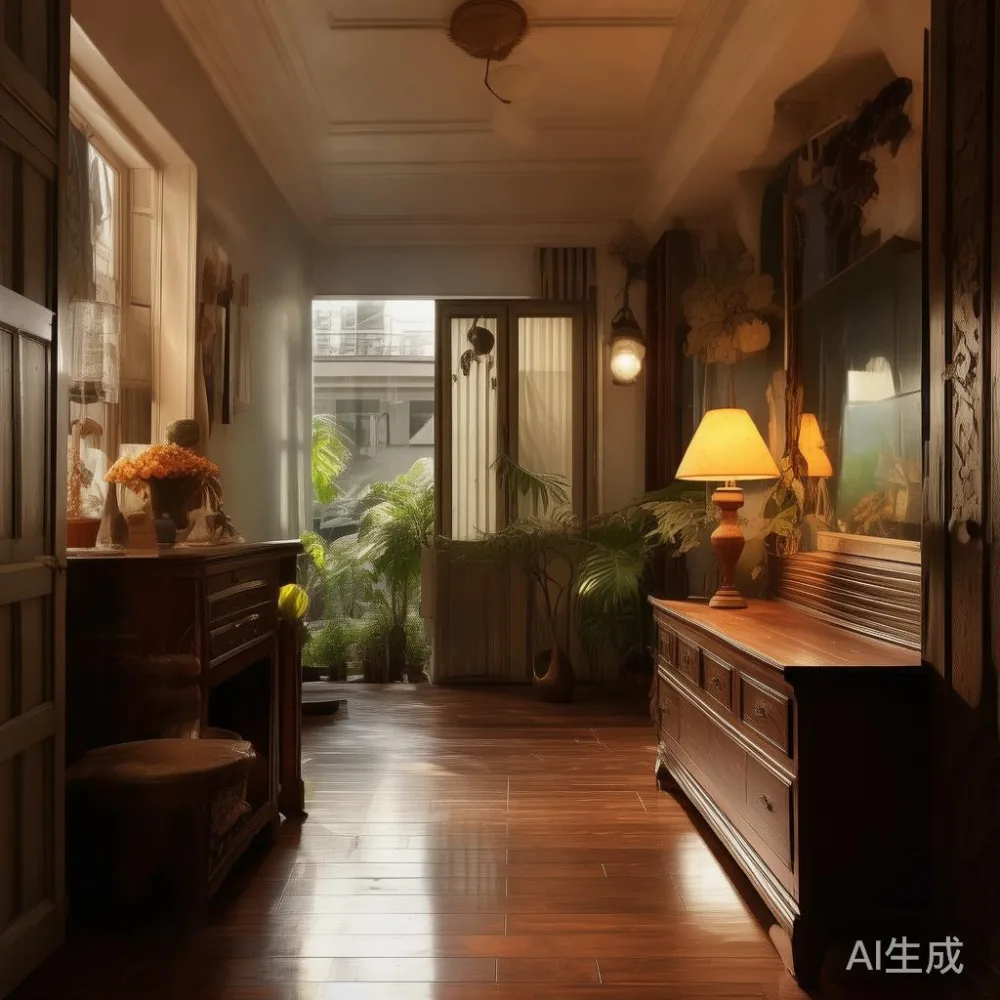
At MIDHILL, we design and manufacture solid wood furniture in Foshan, China, then ship selected pieces to Singapore. Our experience since 2008, export network across more than 15 countries, 10-year structural warranty and lifetime refinishing service are relevant when choosing furniture for a humid environment. A solid wood sofa, bed frame, dining table, wardrobe, nightstand or marble table should not simply survive delivery; it should remain stable and presentable through several years of seasonal humidity changes.
Why Singapore humidity changes solid wood
Wood is hygroscopic. It absorbs moisture when the surrounding air is humid and releases it when the air becomes drier. Southeast Asian conditions can keep relative humidity high for much of the year, while the difference between an outdoor corridor and a cooled flat may exceed 20 percentage points in a single day.
Seasonal shifts also matter. Singapore’s wettest periods generally occur from November to January, while drier intervals can occur around June and July. Outdoor relative humidity may remain around 75–85% during unsettled weather. Inside a well-ventilated HDB home, it may fall closer to 50–65%. Repeated movement of this kind can cause a solid timber console to expand by several millimetres, develop fine surface checks or open slightly at a joint if the timber was prepared for a very different climate.
The risk depends on the species, board dimensions, joinery and finish. Solid wood is not automatically weak in Singapore, but unusually wide or thick panels need controlled drying. A 180 cm-long solid wood dining table may need to acclimatise longer than a 60 cm-wide nightstand. Veneered panels can move differently from solid timber, while painted and lacquered surfaces can conceal small changes until the finish itself shows stress marks.
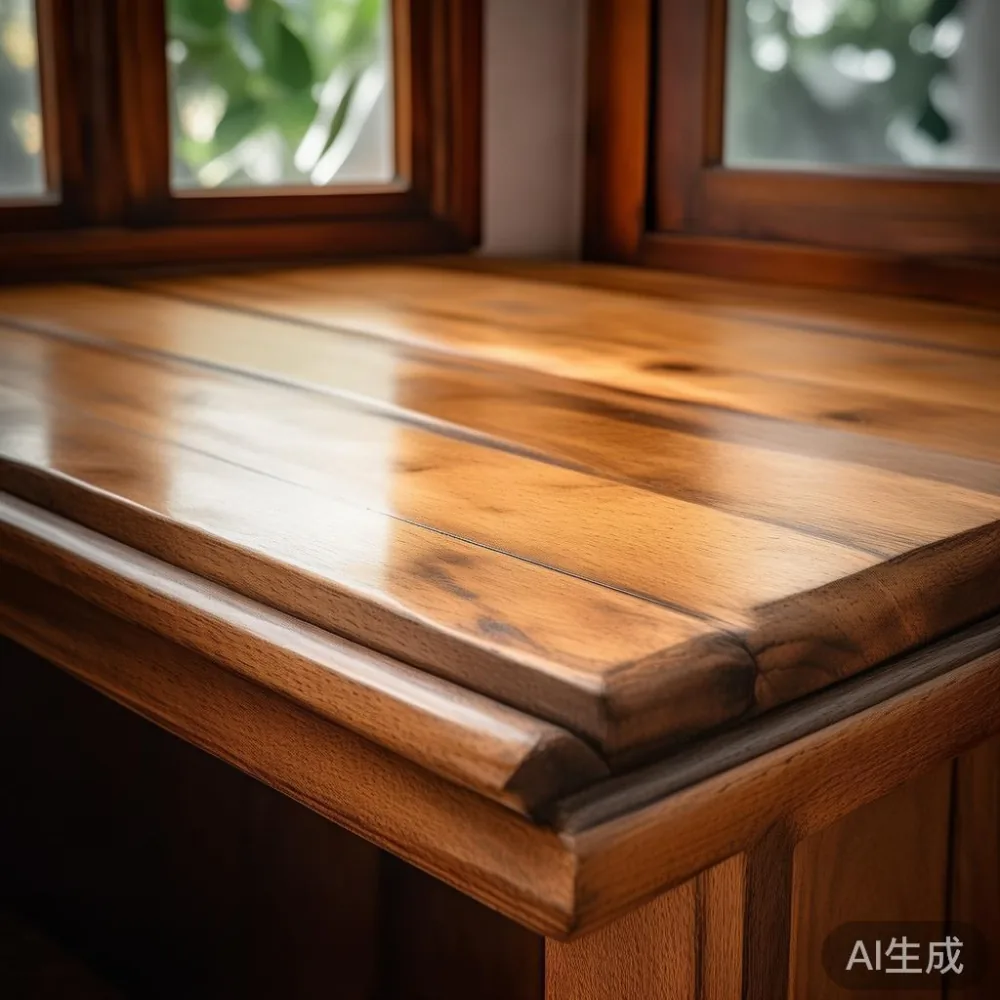
This is why the cabinet should be described honestly. A piece made from kiln-dried solid wood, joined with methods that allow controlled movement, and finished with a moisture-resistant system is generally more practical than one assembled from wet stock. Buyers should ask for the wood species, moisture target, finish type and expected acclimatisation period rather than relying on a vague “humidity-proof” label.
How much room should entryway furniture leave?
In a Tampines, Bedok or Punggol HDB flat, the practical challenge often begins outside the unit. New-generation HDB lifts commonly measure about 90–110 cm deep and 100–140 cm wide, with door openings of roughly 90 cm. Older lifts and service corridors may be narrower. A 110 cm-long console may fit the lift diagonally, yet its packaging can be wider than the finished furniture. Before buying, record the narrowest door, landing, stair turn and lift opening, then add a 5–10 cm handling allowance.
Many condominium corridors are more generous, but decorative walls, shoe cabinets or fire-safety equipment can reduce the usable route. An entryway furniture piece with a depth of 30–40 cm works well against a wall because it leaves more than 60 cm of circulation space in many corridors. Depth below 30 cm may suit extremely narrow areas, although it offers less room for keys, bags and shoes. A depth above 45 cm can feel intrusive in a compact foyer.
Height requires another calculation. Most Singapore adults are about 160–185 cm tall, so a console top around 80–90 cm is convenient for placing a bag without bending deeply. Leave at least 15 cm above a tall vase or lamp, or about 25 cm if it will stand beside a high cabinet. The door should be able to open through a 90-degree arc without striking the furniture.
Planning entryway furniture for delivery is not merely about whether it fits. A furniture delivery day of 7–14 days after order is common for made-to-order or consolidated shipments, and the carrier may charge extra for carrying a package beyond the ground-floor lift lobby. Confirm the lift booking, floor and any parking or loading rules before dispatch. For a piece weighing 25–45 kg, two-person handling may be needed beyond the lift.
What should I do before placing a solid wood console in a humid foyer?
First, let the furniture acclimatise inside the flat for 3–7 days if it has been stored in a warehouse. Leave 5 cm around solid wood panels and 10 cm beneath a console if air can circulate. Do not place a new cabinet against an exterior wall that feels cold or damp, or immediately beside a washing machine. Keep it at least 30 cm from a bathroom doorway and away from direct air-conditioning airflow.
Second, check the environment with a inexpensive hygrometer. A reading of 60–70% is common in Singapore and manageable for properly made furniture. Readings above 75% for extended periods deserve more caution, especially for large panels. Readings below 40% can produce shrinkage, which explains why a timber piece brought into a strongly air-conditioned room may develop small gaps even when the local weather is humid.
Third, inspect the piece after the first 30 days and again after 6 months. Look for a gap of more than 2 mm, a noticeably uneven surface or a joint that no longer closes cleanly. Photograph the furniture from the front and sides, because wood movement is easier to judge from fixed angles. A minor surface mark can often be treated, but the right response is to identify the source of moisture rather than cover it with another layer of product.
Finally, use the finish as intended. Dust with a soft cloth and water, then dry the surface immediately. A damp cloth should not be left on timber for more than a few minutes. Oils such as hard wax oil may need refreshing every 12–24 months in a humid foyer. Lacquered or water-based finishes generally require less frequent maintenance, but they still need gentle cleaning.
Which finishes tolerate Southeast Asian humidity best?
There is no single finish for every entryway. Hard wax oil gives solid wood a tactile, natural appearance and allows controlled breathability. It suits a solid wood dining table or bed frame that will be refinished over time, but it should not be exposed to standing water. Conversion varnish creates a more closed film and may be easier to wipe clean, though the underlying timber still needs stable construction. Water-based polyurethane can provide a durable coated surface, while traditional solvent-based lacquer can deliver a deeper sheen.
For a marble table, humidity has a different effect. Marble is less prone to absorbing moisture, but acidic liquids, including lemon juice and some household cleaners, can etch the surface. Wipe spills within 5 minutes and use a pH-neutral cleaner. The metal hardware and timber frame around a marble table should still be monitored for corrosion.
Storing shoes and wet umbrellas directly inside a closed solid wood wardrobe creates a local humidity pocket that can exceed the living room’s average. Use washable trays, keep wet items on the balcony or a tiled utility area, and leave wardrobe doors open for 20–30 minutes after the family returns. This habit matters more than any guarantee against moisture.
Does light luxury furniture suit Singapore homes?
Light luxury works well in Singapore because restrained proportions can make a compact foyer appear ordered rather than crowded. French light luxury often uses pale oak, ash or walnut tones, curved edges, tapered legs and symmetrical storage. A 100–120 cm console with 2 drawers can provide a practical landing surface while maintaining visual lightness.
American light luxury tends towards familiar, substantial silhouettes with clean lines and comfortable seating, such as a solid wood sofa upholstered in breathable fabric. Post-modern light luxury may combine simplified forms with subtle material contrasts. All three styles can suit HDB flats and condos, provided scale is controlled: a 180 cm solid wood dining table needs about 75–90 cm on each side, whereas a 140 cm table may suit a narrower dining zone.
Buyers comparing options may encounter questions such as “is European light luxury sofa worth it” while searching for a living room design, or “under 2000 European light luxury furniture” when working within a particular budget. Price alone does not reveal how timber was dried or joined. The build specification and after-sales support matter more.
For a hotel project, the phrase Mid-century modern for hotel can point towards warm timber, slim profiles and durable surfaces. Modern light luxury for hotel may instead favour restrained geometry and easy-clean finishes. In either case, an entryway furniture specification should include exact dimensions, timber species, moisture target, hardware finish and maintenance instructions. A 15 cm tolerance on a loose measurement can be acceptable during production, but the final package dimensions must be checked against the building access.
How should wardrobes, bed frames and nightstands adapt to humidity?
A wardrobe has more enclosed volume and usually more vertical movement than an entry console. For a bedroom, position it away from an exterior corner if possible and allow air to circulate behind the side panels. Hinged doors should not bind. In coastal conditions, confirm that drawer runners and hinges have appropriate corrosion resistance, and ask whether the back panel is solid timber, plywood or a flexible construction.
A solid wood bed frame may use long rails and broad headboard sections, so seasonal movement deserves attention. Check that the slats have no more than about 5 cm of unsupported spacing for common mattress sizes, while confirming the exact requirement with the mattress maker. A nightstand is easier to manage because it is smaller, but its top should not be used as a damp staging area for laundry.
A dining table should be positioned away from an open balcony door that can create rapid humidity changes. Use coasters with a minimum diameter of 10 cm and wipe water rings promptly. In a very humid dining area, avoid direct contact between a hot serving dish and the timber. Heat combined with moisture can damage some finishes even when the humidity level itself is acceptable.
Design comparisons can be distracting if they focus only on appearance. A French bed vs Mid-century modern bed may lead to different visual preferences, while an American bed vs Modern bed may favour different proportions, yet both need a stable moisture process. In a master bedroom, leave at least 5 cm around a freestanding bed frame where practical, and 10 cm between the bed and wardrobe doors when drawers need to open.
How do size, weight and delivery affect a solid wood order?
Entryway furniture should be selected for the route into the home as carefully as for the room. A narrow console may weigh 18–30 kg, whereas a larger unit with thick legs and solid drawers can weigh 35–60 kg. If the lift cannot hold the package safely, the delivery crew may need to unpack it at the lobby. Confirm whether the supplier provides stair carry or unpacking in writing.
Singapore customers pay GST on imported furniture unless the shipment qualifies for specific relief. A landed quotation should separate product cost, freight, insurance, customs duties, GST and installation. Comparing a SGD 1,680 console with a SGD 1,920 alternative is only meaningful if both include the same delivery terms. MIDHILL offers free shipping on orders over US$350, but the converted threshold, destination freight and any lift or stair charges should be verified before payment.
Returns are generally accepted within 14 days under the stated policy, subject to condition and custom-order exclusions. Solid wood may have natural grain, colour variation and small movement that are not manufacturing defects. Keep the original packaging where possible, because damage during return carriage may affect eligibility. The 10-year structural warranty covers qualifying structural failures, while lifetime refinishing support gives owners a path for restoring scratched or worn timber rather than replacing an entire piece.
What is the practical humidity-control routine for Singapore homes?
A simple routine works better than constant monitoring. Keep the foyer ventilated after rain, wipe wet shoes before bringing them indoors and place umbrellas in a ventilated holder rather than a drawer. Run a dehumidifier when indoor readings remain above 70% for several hours, aiming for approximately 55–65%. Use fans to move air across large surfaces, but do not aim strong air-conditioning vents directly at solid wood panels.
Inspect furniture every 3 months during wetter periods. A hygrometer placed near the piece costs far less than repairing a swollen drawer. Maintain a 10 cm gap below a console if a shoe tray is used, and replace damp mats before they reach the timber. Re-oil or renew the finish according to the manufacturer’s guidance, usually every 12–24 months in ordinary Singapore conditions.
Humidity does not make solid wood furniture unsuitable for Southeast Asia. It makes disciplined specification more important. Choose stable timber, controlled moisture content, joinery that can accommodate normal movement, a suitable finish and an installation plan based on real access dimensions. In the confined circulation of a Tampines corridor, a Bedok HDB lift or a Punggol condo entrance, that careful approach allows solid wood entryway furniture to retain both its structure and its light-luxury character.