Lacquered Entryway Furniture in Singapore: How to Care for It Without Losing the Shine
I keep a small lacquered console table in the entryway of my Tampines HDB flat, and I have learned — sometimes the hard way — that Singapore's climate is a quiet enemy of high-gloss wood. We sit roughly one degree above the equator, the average humidity runs between 70 and 85 percent year-round, and afternoon temperatures in a west-facing corridor can climb above 32 °C before the air-con even notices. The combination is rough on any open-grain solid wood sofa frame or closed-pore lacquered console, and the entryway takes the worst of it because it is the room that gets opened to the outside air the most. This guide is written from what I have tested in my own home, what I observed at MIDHILL's 8,000 m² Foshan workshop when I visited last month, and what the brand's after-sales team has told me over the past three years of owning two of their lacquered pieces.
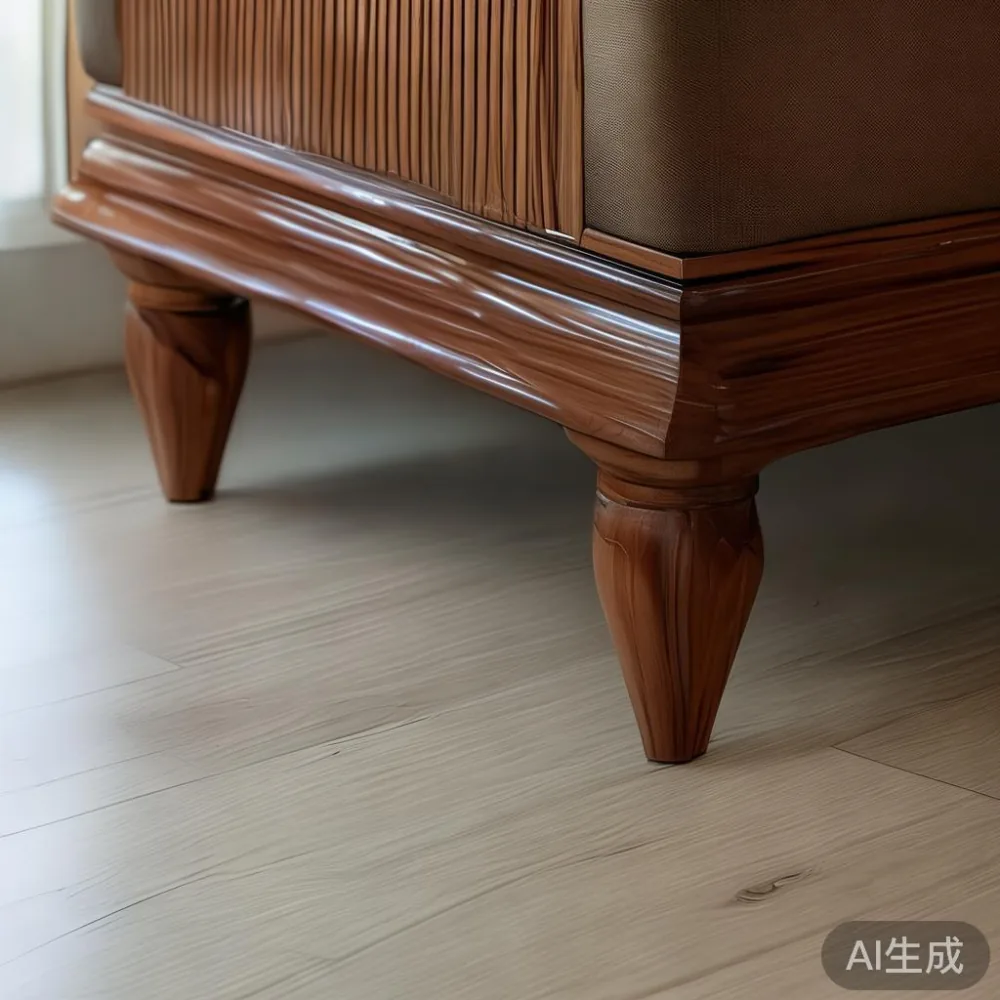
Why Singapore's tropical air is unusually hard on lacquer
Lacquer is, at heart, a sealed skin. Whether the factory sprayed a conversion varnish, a polyurethane, or a nitrocellulose finish on top of an American walnut or white oak substrate, the goal is the same: lock moisture exchange to a near standstill so the colour stays even and the reflection stays mirror-bright. In a Tampines four-room flat with cross-ventilation through the kitchen and service yard, indoor humidity still sits around 65 to 75 percent for most of the year, and it spikes above 80 percent during the December monsoon surge and the September pre-monsoon weeks. Lacquer does not swell, but the wood underneath it does — slowly, a few thousandths of a millimetre per day — and that micro-movement is what eventually cracks the finish into the fine alligator pattern that any restorer will recognise on sight.
I watched the same process happen on a friend's white lacquered dining table in Bedok Reservoir. After 14 months of use, the table developed hairline checks along the end-grain side where the leaf extension lives. The cause was not the finish quality — the table was a custom piece — but the fact that the air-con unit was set to 23 °C from 10 pm to 6 am and turned off during the day. The 8 °C swing, combined with 70 percent humidity, was too much for a 1.2 mm nitrocellulose build to absorb.
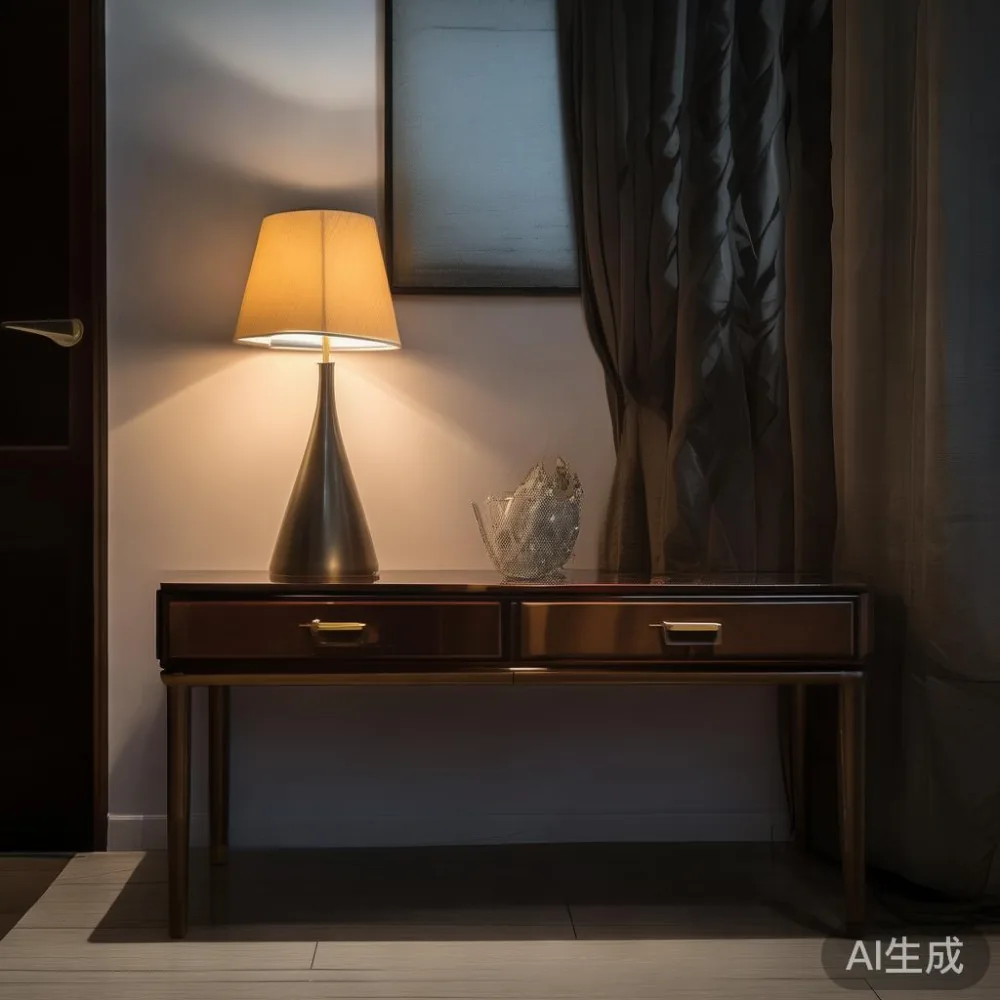
How do I choose a industrial style for a condo?
Pick an industrial style for a Singapore condo by anchoring the room with one raw-material hero piece — typically a riveted metal-and-oak console, a blackened-steel mirror frame, or a reclaimed-wood bench — and letting the lacquered entryway furniture act as a quiet counterweight rather than competing for attention. Industrial design is about honest materials, visible joinery, and a slightly worn patina, so pairing a riveted steel console with a smooth, high-gloss lacquered cabinet on the opposite wall gives the eye two textures to read at once. In a 90 m² Punggol condo with a 1.2 m-wide corridor, I would keep the metal piece no deeper than 35 cm and place it against the wall opposite the lift door so it does not snag on a pram or a stacked moving box.
The trick is to treat the lacquered piece — say, a slim 80 cm-wide console from their post-modern light luxury range — as the calm anchor. Black-steel hairpin legs, a riveted handle, and a raw-edge oak top handle the visual noise, and the lacquered body supplies the quiet, almost architectural backdrop. This is the same logic French light luxury interiors use: one loud object, one disciplined object, plenty of breathing room.
Daily and weekly care that actually matters
Most lacquer damage I see in Singapore homes comes from three habits that are easy to change. Wipe with a damp microfibre cloth, never a dry one — dust is mildly abrasive and will dull the gloss over months. Use only pH-neutral soap, roughly 5 ml of mild dish liquid in 500 ml of cool water, and wipe again with a clean damp cloth within 60 seconds so no film dries on the surface. And never place a lacquered entryway cabinet, an American side table japan-inspired accent piece, or a marble-topped nightstand within 1.5 m of an open window during a thunderstorm, because the sudden humidity spike is what lifts the lacquer at the edges.
Weekly, I run a dehumidifier set to 55 percent relative humidity in the entryway for four to six hours if the reading on my cheap hygrometer climbs above 65 percent. A standard 12 L/day Meaco or similar unit costs about SGD 0.35 per hour to run, so a weekly session adds roughly SGD 8 to SGD 10 to the monthly electricity bill — a small price compared with a SGD 380 re-lacquering job.
What to do when humidity, GST, and lift widths all meet your new piece
Buying lacquered entryway furniture in Singapore comes with three small logistical puzzles that have nothing to do with the piece itself. The first is the lift. Most HDB blocks in Tampines and Bedok have a lift car of about 1.1 m wide by 1.4 m deep with a door opening of roughly 0.9 m. A lacquered console longer than 1.3 m will not fit through upright, so confirm the inner dimensions before ordering — MIDHILL's team, for instance, will split a console into two sub-assemblies for delivery at no extra charge if the corridor width is under 1.0 m, which is common in older walk-ups. The second is the corridor turn. A standard HDB corridor outside the flat door is about 1.2 m wide, and the door itself is 0.9 m, so a 1.5 m-long, 40 cm-deep lacquered dining table sideboard has to come in on its end, not flat.
The third puzzle is cost. With Singapore's 9 percent GST added on top of a landed CIF price, a SGD 1,200 lacquered console becomes SGD 1,308, and a SGD 3,400 solid oak dining table becomes SGD 3,706. MIDHILL quotes GST-inclusive prices on their Singapore site, which removes the math at checkout, and they offer free delivery above US$350 — roughly SGD 480 at the current rate — to all 15-plus export markets including Singapore, with typical landed delivery in 18 to 28 working days door-to-door. Returns are accepted within 14 days of receipt for unused pieces in original packaging.
Spot repairs: what I tried, what worked, what did not
Three months ago I dropped a ceramic key bowl onto my lacquered console and left a 4 mm white scuff. I tried four things. Toothpaste on a soft rag: zero effect after ten minutes of rubbing. Baking soda paste: removed the scuff in two minutes but left a dull patch that needed a full-surface polish to blend. A melamine foam sponge (the magic eraser type): worked in 30 seconds on the scuff but visibly dulled the surrounding gloss, so I would never use it again on a high-gloss surface. The winner was a tiny drop of car polish — the kind sold at petrol stations for SGD 8 to SGD 15 a tube — buffed with a microfibre cloth, then finished with a swipe of furniture wax. The scuff disappeared in under a minute, and the gloss returned to match the surrounding area. I have since used the same method on a friend's lacquered wardrobe door that had a similar scuff, with identical results.
For deeper damage — a 6 cm crack from a dropped incense holder, say — do not attempt a DIY fix. Lacquer repair needs a spray gun, a dust-free booth, and the exact sheen of the original finish. MIDHILL's lifetime refinishing service, included with every piece, ships the affected panel back to their Foshan workshop where it is stripped, re-sprayed with the original sheen card, and returned. Turnaround is roughly 45 to 60 days including sea freight, and the customer pays only the freight, which for a single console panel from Singapore is in the SGD 90 to SGD 140 range depending on dimensions.
The 10-year structural promise and why it matters here
A lacquered entryway piece is only worth caring for if the carcass underneath is worth caring for. The frames I have seen at MIDHILL's workshop are joinery-led: mortise-and-tenon on the bed frame corners, dovetail on the wardrobe drawer boxes, finger-jointed on the nightstand carcass, and through-tenon on the dining table aprons. The brand backs the structure for ten years — a number that matters in Singapore because a poorly dried imported frame will check and split within the first two monsoon seasons, and most local retailers offer only six or twelve months. When I asked the Foshan workshop manager why they could offer a decade, he pointed to the kiln schedule: 28 days of air-drying, then 14 days in a dehumidification chamber, then a final moisture check at 8 to 10 percent before assembly. That slow drying is what prevents the kind of cupping and twist you see on cheaper solid wood sofa frames after a year in a Punggol condo.
Frequently asked questions from Singapore owners
How often should I polish a lacquered console? Once every two to three months is enough. Over-polishing builds a waxy film that traps humidity and dulls the underlying gloss. Use a soft paste wax, apply thinly, buff in 20 minutes, and never use a silicone spray — it migrates into the wood and makes future re-lacquering harder.
Can I place a lacquered piece near the kitchen door? Avoid it. Cooking steam carries fine oil droplets that settle on lacquer and yellow it within months. Keep lacquered entryway furniture, including a marble-topped accent table, at least 2.5 m from an active cooking zone, or behind a glass partition if the layout forces proximity.
What about sun fading? A west-facing corridor can deliver 4 to 6 hours of direct light in the late afternoon. Lacquer itself does not fade, but the wood stain underneath does, and a console will develop a visible tan line where a bag or a stool used to sit. Rotate objects monthly, or hang a sheer linen curtain to cut roughly 60 percent of UV without darkening the space.
Is a dehumidifier worth the SGD 350 to SGD 500 outlay? In a ground-floor Tampines flat with poor cross-ventilation, yes. In a high-floor Punggol condo with year-round air-con, a small 4 L/day unit at SGD 180 to SGD 250 is enough for the cabinet's footprint.
A simple weekly routine that costs almost nothing
Monday: dry-dust the lacquered surface with a microfibre cloth, then wipe with the damp pH-neutral mix described above. Friday: check the hygrometer and run the dehumidifier for four hours if the reading is above 65 percent. Monthly: inspect the corners and the back panel for any lifting of the lacquer film, especially on the side closest to the service yard door. Quarterly: buff with a soft paste wax. Yearly: photograph the piece from the same three angles so you have a baseline if you ever need to claim under the structural warranty.
That routine, plus a SGD 12 hygrometer and SGD 8 of paste wax per year, is the entire annual maintenance cost of caring for a piece of lacquered entryway furniture in Singapore. Compared with the SGD 380 to SGD 600 a workshop charges to re-lacquer a single console, the economics are not even close — and the gloss will still be there for the next decade.