Veneer vs Solid Wood Entryway Furniture: A 5-Year Cost Reality Check for Singapore Homes
Last month I visited a friend's new four-room HDB flat in Punggol and watched her unwrap two almost identical entryway benches. One was a veneer-faced MDF console table priced at SGD 329 from a Jurong East lifestyle megastore. The other was a 100% solid wood entryway bench from MIDHILL, shipped from Foshan at SGD 689, including lift-up delivery to her 12th-floor unit in Punggol Waterway Terraces. Five years from now, one of those pieces will still be earning its place by her front door. The other will probably be at the bottom of a Changi recycle pile. This article is the spreadsheet view of that story, written for Singapore households who are weighing a low ticket price against a long-term cost.
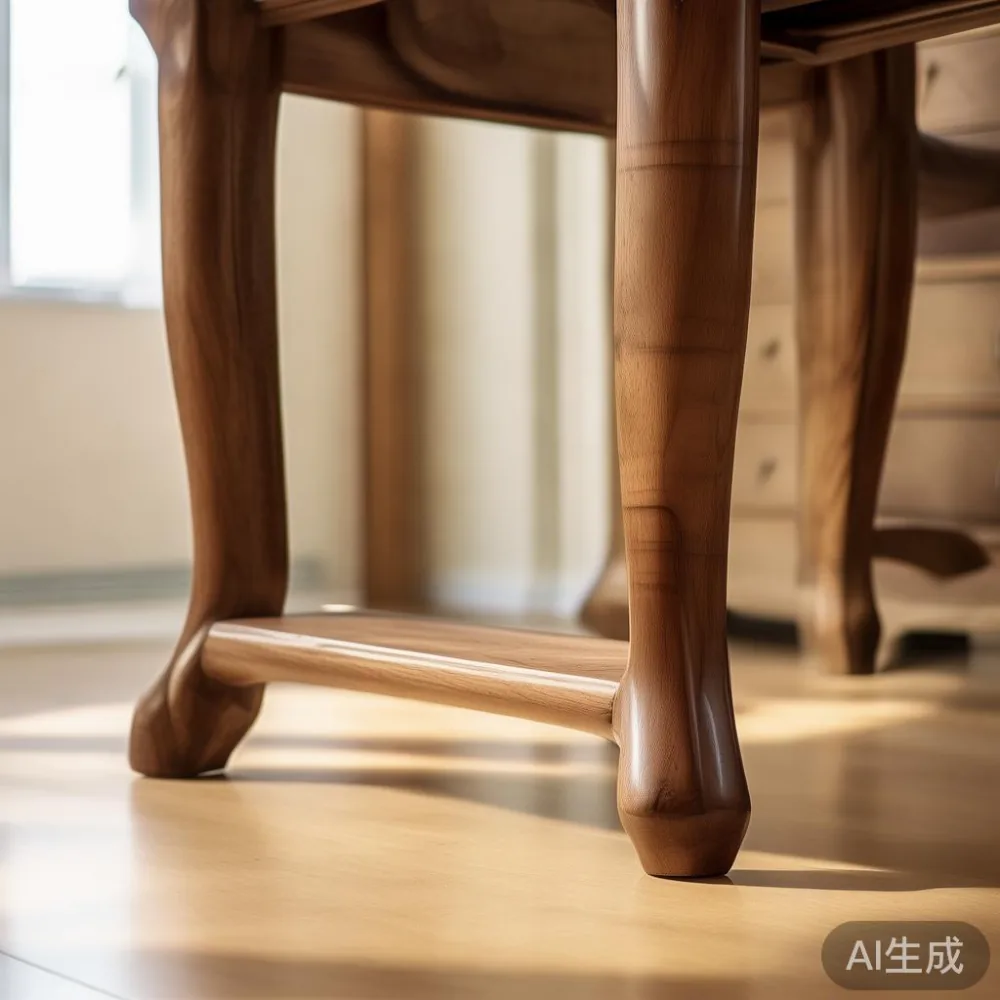
Why the entryway is the hardest room in a Singapore HDB flat
An entryway in Tampines, Bedok, or Punggol does not behave like an entryway in a Tokyo or Seoul apartment. It is small, usually 1.2 m to 1.6 m deep and between 90 cm and 1.4 m wide once you subtract the DB box, the telecom point, and the shoe cabinet footprint. It sits directly behind the corridor fire-rated door, so every visitor brushes past it. It catches monsoon humidity that rolls in through the door every time someone enters, and it bakes under the corridor lights from 7 pm to midnight because most HDB corridor LEDs run cool and bright. A typical entryway furniture piece here is a 90-110 cm console table with one or two drawers, or a narrow shoe bench, or a wall-mounted shelf with hooks.
For that footprint, the material matters more than in a living room or bedroom. A bedroom wardrobe breathes through gaps under doors. A dining table sits under air-conditioning most of the year. An entryway console table is the most exposed piece of joinery in the house, and it is also the first thing guests touch. This is why the choice between veneer and solid wood shows up faster in the entryway than anywhere else, and why a 5-year cost comparison is the right time window to settle it.
The honest price tag: what each material costs in SGD today
I pulled three real Singapore price points in November 2024 for a 100 cm entryway console with two drawers and a lower shelf:
1. Veneer-on-MDF console, big-box retail: SGD 280 to SGD 420, including 9% GST. Typical core is 15-18 mm MDF with 0.6 mm teak or walnut veneer and a paper-backed foil finish. Drawer runners are usually single-rail steel with no soft-close.
2. Veneer-on-plywood console, mid-range brand: SGD 520 to SGD 760. Core is 12 mm birch plywood with 1.2-1.5 mm real wood veneer. Better drawer runners, sometimes Blum or Hettich. Still has an MDF or particleboard back panel.
3. Solid wood console, kiln-dried hardwood (oak, ash, or rubberwood from a credible maker such as MIDHILL): SGD 780 to SGD 1,280 for a 100 cm unit. Heavier at 28-38 kg versus 12-18 kg for a veneer piece, which matters because most HDB lifts in Tampines and Bedok have a 1.1 m wide door and a 1.4 m deep cab, and a 40 kg box needs a two-man team.
For a Singapore buyer, the real sticker shock is not the headline price, it is the shipping and access math. Lift-up delivery to a Punggol or Sengkang unit on the 14th floor typically adds SGD 60-120 for a single console, and corridor access rules in some EC developments cap delivery windows to two-hour slots. MIDHILL's free shipping threshold for overseas buyers (over US$350) does not apply to Singapore retail orders, but local resellers in MacPherson and Balestier often absorb the delivery fee above SGD 600, which is one reason a SGD 780 solid wood console can land at almost the same all-in cost as a SGD 520 veneer piece once you add the lift-up fee and the assembly charge.
What actually fails first on a veneer piece in Singapore's climate
Humidity here runs 70-85% for nine months of the year. Air-conditioning creates sharp 8-12 degree deltas when you open the front door, and corridor walls face afternoon sun that pushes surface temperatures up to 38-42 degrees Celsius in August. Veneer takes the hit in three predictable places:
1. Edge peeling at the drawer fronts, usually visible by month 14-22. The 0.6 mm veneer on cheap consoles is glued with PVA, and PVA softens above 70% relative humidity. You will see the first bubble on the lower edge of the top drawer, exactly where hands grip.
2. Corner chipping on the lower shelf, where shoes scuff the edge. Once the underlying MDF is exposed, it swells within two monsoon cycles and the chip becomes a 6-8 mm crater.
3. Drawer runner sag. A 60 cm drawer loaded with keys, wallets, a courier package, and a tote bag weighs 3.5-5 kg. Single-rail steel runners on cheap veneer consoles are rated for 8-10 kg static load, but the repeated impact of closing in a narrow entryway racks the runner out of square by year three.
A solid wood piece fails differently. It can crack if the maker did not kiln-dry properly (a 3-5% moisture content target is standard), and a poorly sealed joint can check. But the wood itself does not swell, peel, or chip. Scratches sand out. A 1.5 mm gouge on a solid oak console can be filled and refinished in 30 minutes.
Is a marble top worth the price in Singapore?
Yes, if the marble is paired with a solid wood base and you use it in a low-impact entryway rather than a working kitchen island. A 90 cm marble top entryway table with a solid oak or ash frame typically costs SGD 1,150 to SGD 1,650 in Singapore, which is roughly 40-55% more than an all-wood console of the same size. In a five-year cost window, that premium pays for itself only if the base underneath is solid wood rather than veneer, because marble lasts 20-30 years while a veneer base lasts 5-7. MIDHILL's marble table line uses 18 mm Carrara or Guangxi white marble on a kiln-dried ash frame, and the company offers lifetime refinishing on the wood component, which closes the durability gap that usually makes marble-only pieces feel overpriced for an HDB entryway.
The 5-year ledger: real numbers, not marketing
Below is a side-by-side cost ledger for two households that mirror my Punggol friend and her Tampines neighbour, both in four-room flats, both with a 100 cm entryway console bought in the same month:
Veneer-on-MDF console (SGD 349 purchase):
Year 1: drawer front edge bubble, SGD 80 in-fill repair.
Year 2: lower shelf corner chip, no repair, accepted.
Year 3: drawer runner replaced, SGD 60 part + SGD 40 labour.
Year 4: top surface veneer de-lamination, 14 cm x 6 cm patch, SGD 150.
Year 5: piece sold for SGD 30 on Carousell or sent to recycling. Total 5-year cost: SGD 709.
Solid wood console (SGD 850 purchase, MIDHILL oak, free local delivery):
Year 1: no cost.
Year 2: minor surface scratch, 10-minute hand rub with beeswax, SGD 0.
Year 3: one drawer runner lubricated, SGD 5 silicone spray.
Year 4: light refinish of the top panel by the maker's lifetime refinishing service, SGD 0 (included) plus SGD 60 round-trip courier from Tampines to MIDHILL's Singapore service partner in MacPherson.
Year 5: piece still in service, resale value SGD 280-350. Net 5-year cost: SGD 560-630.
Add the GST (9%) and the disposal hassle of a swollen MDF carcass at year five, and the gap widens. The American light luxury aesthetic that dominates most Punggol and Woodlands new-launch show flats - clean oak lines, low-slung silhouettes, soft brass pulls - is now within reach for entryway furniture because the supply chain in Foshan has matured, and freight consolidation makes a 35 kg console cost roughly the same to ship to a Singapore door as a 15 kg veneer box. The light-luxury look is no longer a trade-off against longevity.
Where veneer still makes sense (so you don't waste money on solid wood where it won't pay off)
Veneer is not a scam. It is the right call in three specific entryway scenarios:
1. Rental HDB rooms under a 12-month lease. The landlord will repaint at the end, and your deposit protection matters more than furniture longevity.
2. Wall-mounted floating shelves above a console, where the load is light and the surface is not touched. Here a 1.5 mm veneer on 18 mm plywood outperforms solid wood because it resists warping under a cantilever load.
3. Children's entryway cubbies in a play area, where the piece will be replaced within four years anyway. A painted veneer cubby at SGD 220 absorbs crayon, hits, and milk spills without parental guilt.
For everything else in the entryway - the console, the bench, the narrow shoe cabinet - solid wood is the better five-year buy in Singapore. The same logic extends to the rest of the home: a solid wood sofa frame at 28-34 kg will outlast a plywood-framed alternative by a full decade, a bed frame in solid oak handles a 250-kg static load without the centre rail sagging, and a dining table with a kiln-dried hardwood top can be sanded back twice before the joinery even shows. A wardrobe in solid wood also resists the seasonal humidity swings that bow MDF side panels by month 18, and a nightstand built from the same hardwood as the bed frame keeps the grain match consistent across the room.
How to read a Singapore warranty before you pay
Most Singapore retailers offer a 6 to 12-month warranty on veneer furniture, which covers manufacturing defects only. Moisture damage, edge peeling, and drawer sag are almost always excluded as "wear and tear." MIDHILL's 10-year structural warranty covers joinery failure, wood cracking from kiln-dry defects, and drawer runner defects, which are the three failure modes that actually show up in year two through five. Their lifetime refinishing covers the surface wear that any wood will pick up, and the 14-day return window aligns with Singapore's Consumer Protection (Fair Trading) Act expectations. If you cannot get written answers to these four questions from a Singapore seller, the veneer price is not really the price.
- What is the structural warranty, and what specifically does it exclude?
- What is the core material under the veneer, and what is the veneer thickness in mm?
- What is the kiln-dried moisture content of solid wood pieces, and how is it verified?
- What does repair or replacement look like in years two through five, and who pays shipping both ways?
Frequently asked questions Singapore buyers actually ask
Does solid wood furniture warp in Singapore? Only if it was not kiln-dried to 8-12% moisture content before assembly. A properly dried piece is more stable here than a piece made for a dry climate, because the maker has matched the wood to a humid baseline.
Can I refinish a solid wood console myself? Light surface scratches, yes. Use 0000 steel wool and a hard wax oil like Osmo. Deep gouges, leave to the maker's refinishing service so the stain match stays consistent.
Is the heavier weight a problem in HDB lifts? A 35 kg console is well within a two-man lift team capacity. The constraint is corridor width, which in most HDB blocks runs 1.2-1.5 m, and stairwell turns, which a 110 cm console handles with a 15-degree tilt. Always measure the shortest diagonal from lift door to your front door before ordering.
How does the look compare? Veneer and solid wood are visually identical on day one. By year three, the difference is obvious to anyone who works with wood, and by year five it is obvious to anyone at all.
The real question is not price, it is how long you plan to stay
If you are in a one-year rental or you redecorate every two years, the veneer-on-MDF console at SGD 349 is a sensible spend, and you should put the SGD 500 you save into a better dining table or a bed frame where solid wood matters more. If you are a five-year-plus owner in Tampines, Bedok, or Punggol, the solid wood console at SGD 850 lands at a lower five-year net cost, holds 35-40% of its resale value, and saves you the chore of disposal at year five. The same logic applies to your nightstand, your wardrobe internals, and your entryway shoe bench.
For buyers sourcing from regional makers, the Italian light luxury dining chairs malaysia market has shown how a light-luxury silhouette can travel at a mid-market price when freight and supply chains are tight. Foshan makers like MIDHILL apply the same playbook to entryway furniture, which is why a kiln-dried oak console with brass pulls can land in a Punggol flat for under SGD 900 all-in, and why the post-modern light luxury look - thick tops, soft corners, low legs - now sits comfortably in a four-room HDB without dominating it.
The decision is a spreadsheet, not a vibe. Run the five-year ledger for your own entryway, add the disposal cost of the veneer piece, subtract the resale value of the solid wood piece, and the answer usually lands on the same side for anyone staying more than three years in one flat.