How to Care for Lacquered Entryway Furniture in a Tropical Climate
Singapore’s warmth and humidity can be hard on lacquered entryway furniture. Near a Tampines HDB flat’s main door, a lacquered console may collect damp air, fine dust, and frequent fingerprints. The same finish installed in a Punggol condo can be exposed to strong reflected light through glazed corridor doors. Proper care takes only about 10 minutes a week and helps preserve the colour, sheen, and joinery for years.
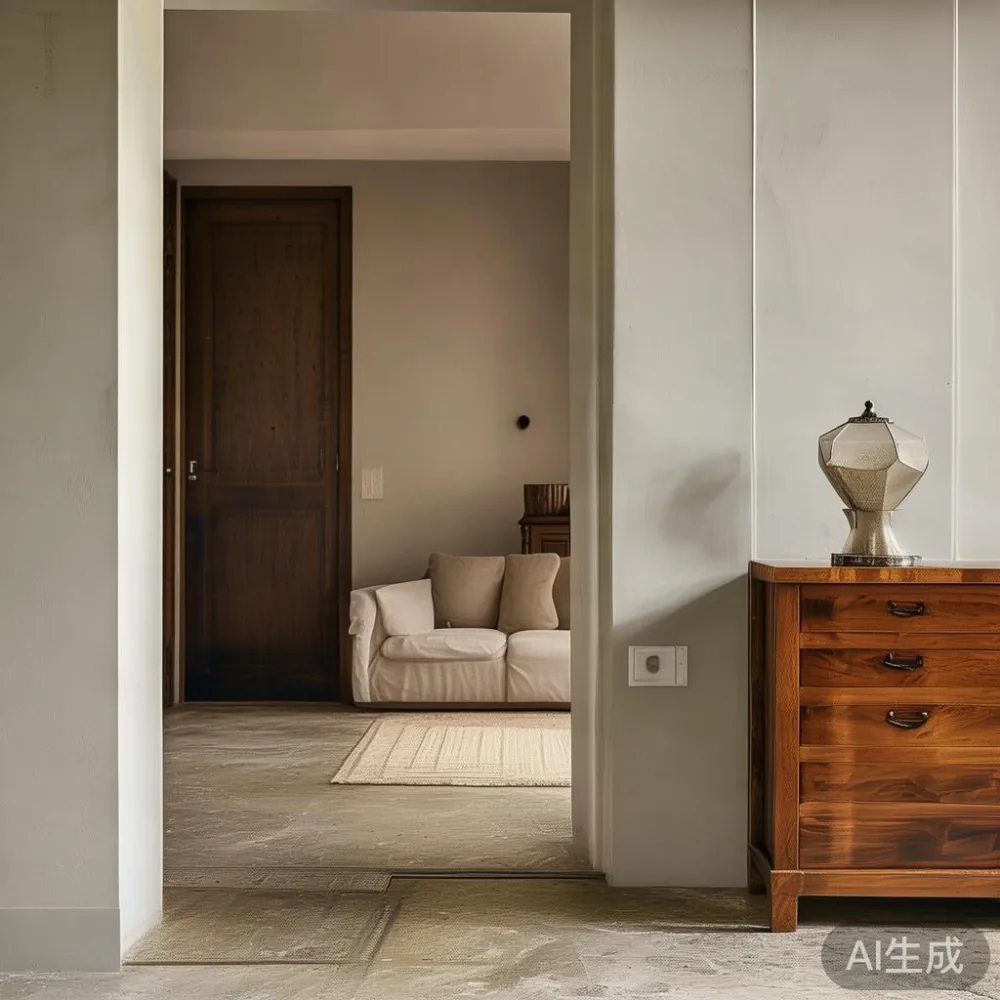
This guide explains how to clean and maintain lacquered surfaces while keeping the focus on entryway furniture: console tables, shoe cabinets, mirror units, benches, and narrow storage cabinets. A solid wood sofa, bed frame, dining table, wardrobe, nightstand, or marble table may also occupy an entryway in a compact Singapore home, but each material needs a different routine. LACQUER generally refers to the cured finish applied to the surface, so check the product care label before using water or cleaning products.
What is the best way to clean a lacquered console in Singapore?
Start with a soft, dry microfibre cloth. Dusting removes grit before it becomes an abrasive patch, especially on lacquer with a satin or gloss surface. Wipe along the grain, using light pressure rather than circular scrubbing. A clean cloth can usually handle fingerprints on glass or smooth lacquer, while a slightly damp cloth may be needed for ordinary marks.
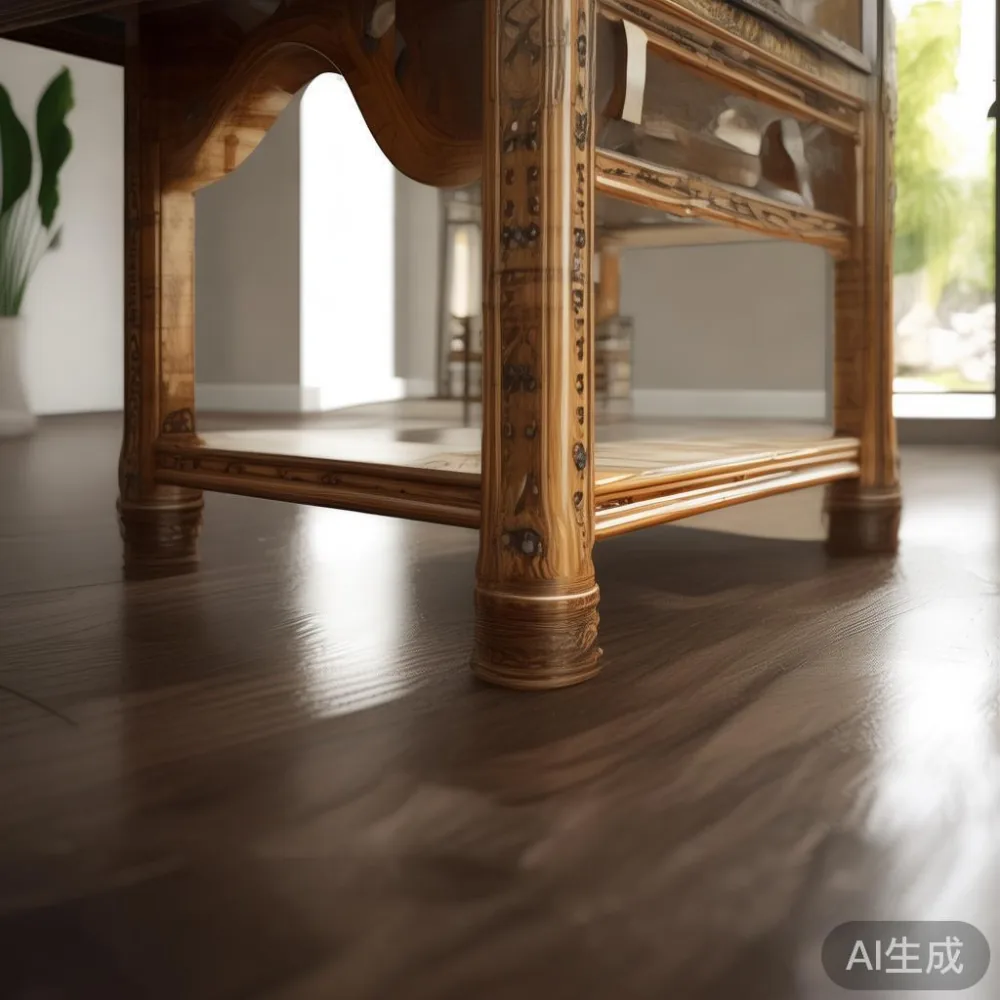
For weekly cleaning, use a pH-neutral wood cleaner diluted according to its instructions. Apply it to the cloth, never directly onto the furniture. Keep at least 10 cm from any exposed joint or edge, test an inconspicuous 10 cm by 10 cm area, and wait 24 hours before treating a larger section. This avoids water collecting inside joints or leaving a dull residue.
Spills should be addressed quickly. Blot liquid with a dry white cloth within 30 seconds. Do not rub, because that can spread the mark into lacquer. For oil or adhesive residue, use a lightly damp cloth and a small drop of mild dish soap, then dry the surface immediately. Avoid alcohol, ammonia, acetone, bleach, abrasive pads, and household degreasers unless the manufacturer expressly permits them.
Do not place wet umbrellas, raincoats, shopping bags, or mop buckets directly against the cabinet. In a Bedok HDB flat where shoes may be damp after heavy rain, use a separate shoe tray below or beside the unit. Ideally, maintain 15 cm of clearance between lacquered entryway furniture and a tiled wall where air can circulate.
How much humidity and heat should a lacquered surface tolerate?
Singapore’s relative humidity commonly reaches 70–85% during wet periods. Lacquered wood can tolerate a stable indoor environment, but repeated swings encourage movement in the timber and can create fine lines at lacquer joints. Keep relative humidity around 45–65% where possible, and keep the console at least 30 cm away from air-conditioning vents that blow continuously across it.
Use a digital hygrometer in the entry area and aim for a reading of 45–65%. Position it near the cabinet, but not directly against it. During the northeast monsoon, wipe condensation from nearby tiles and check the underside of shoes and bags before placing them against the furniture.
Direct sun can fade pigments and weaken the visual finish. A west-facing condo corridor may receive bright light for 3–4 hours in the afternoon. Use a sheer curtain with a UV filter or a light-coloured blind while preserving airflow. If a solid wood sofa or bed frame sits near a balcony entrance, the same precaution applies to its lacquered elements.
Allow ventilation after rain. Open the entry door or run the exhaust fan for 15–30 minutes, but avoid directing a fan at the cabinet for hours. Consistency matters more than a single reading: a stable 58% humidity level is generally preferable to cycling between 40% and 85% every day.
What household habits can damage lacquered entryway furniture?
Place coasters and trays under keys, perfume bottles, plants, and parcels. A lacquered surface should not function as a worktop for laptop repairs, craft cutting, or hot takeaway containers. Heat from a cup can leave a ring at 60°C, while acidic lemon juice may dull the finish within minutes.
Use felt pads under decorative objects and under the console itself. Leave 3–5 cm between a moving chair and the cabinet, and avoid hanging heavy bags from doors or handles. If the unit includes a hinged section, open it with one hand and support the panel with the other. Repeated slamming can stress hinges and mark the lacquer around the gap.
For shoe storage, provide ventilation. A cabinet with slatted panels or a shoe rack that holds no more than 12 pairs is easier to manage than an enclosed pile of damp footwear. Remove shoes before bringing grit into the entryway, and vacuum the surrounding floor once a week. Small grit particles are a common cause of scratching because they remain trapped beneath a cloth.
Compact Singapore layouts also call for careful door-clearance checks. Measure the finished console before delivery: allow 5 cm on each side, 10 cm at the rear for air movement, and 65–90 cm of walking route where people pass frequently. Avoid blocking a fire hose reel, electrical panel, letterbox access, or common corridor. In a lift lobby, keep the route at least 90 cm wide, and confirm that the packed carton fits through a standard HDB lift doorway before ordering.
How should lacquer be maintained around high-traffic HDB and condo entrances?
Use a maintenance schedule suited to the location. A quiet Punggol flat may need only a weekly wipe and monthly inspection, while a busy Bedok unit near a lift may need twice-weekly dusting. Follow this practical schedule:
- Daily: Remove shoes, parcels, damp towels, and food packaging from the cabinet top.
- Twice weekly: Dust with a dry microfibre cloth and check under decorative trays.
- Weekly: Clean the exposed surfaces with a pH-neutral solution, then dry them immediately.
- Monthly: Inspect corners, door edges, handles, and undersides for chips, lifting, or white haze.
- Every 6 months: Check humidity, inspect wall contact, and tighten fittings if movement has occurred.
For coated hardware, use a separate soft brush. For a marble table used as an occasional entryway drop zone, use a neutral stone cleaner and an 18 cm felt coaster beneath keys. Marble is porous and acid-sensitive, so lacquered timber nearby should not receive lemon- or vinegar-based cleaners.
Avoid generic silicone polishes unless the finish supplier approves them. Some create a slippery film that shows fingerprints and can make future maintenance harder. If the cabinet has a factory matte finish, ask for its exact maintenance instructions rather than assuming a high-gloss product. Store a spare hardware set of 8 screws and 4 felt pads in a labelled box, and record the purchase date for warranty claims.
What should I do if lacquer gets scratched, swollen, or peeled?
Minor surface marks can sometimes be treated carefully. First confirm that the mark is in the lacquer rather than a loose fibre in the timber. For a shallow scratch, use a clean, soft cloth and follow the product supplier’s approved touch-up procedure. A cotton swab can help keep the treatment within a 1 cm area. Test away from a door edge and wait 48 hours before judging the result.
Do not sand the whole panel without a colour reference and professional guidance. Removing too much lacquer exposes the wood, and a patch may become more visible than the original mark. Deep scratches, lifted edges, water blisters, or a 5 mm chip should be documented with photographs under daylight and reported to the maker.
MIDHILL offers a 10-year structural warranty and lifetime refinishing on qualifying furniture. Warranty terms normally address structural defects rather than accidental surface damage, so photographs, care records, and the original invoice are useful. Reach the team at midhillco@gmail.com with the model, finish, purchase date, and clear images.
If the entry includes a solid wood bed frame, wardrobe, nightstand, dining table, or solid wood sofa, inspect lacquered contact points every 6 months. Check for looseness in joints and movement around 6 mm gaps. Do not attempt to correct severe movement by forcing the component; have the furniture assessed before adding or removing load.
How does light luxury finish care fit into a Singapore entryway?
Light-luxury design can work well in an entryway because the zone is seen briefly but often. French light luxury may use pale oak, cream lacquer, curved edges, and bronze-toned details. American light luxury often favours clean lines, warm timber, and restrained hardware. Post-modern light luxury can pair geometric storage with softer forms. In all three approaches, a well-maintained finish communicates material quality more clearly than heavy ornament.
Material pairing should remain practical. A lacquered console can sit beside a solid wood dining table or a marble table, but its care routine must not be transferred to stone or untreated timber. Likewise, a bed frame in the main bedroom and a wardrobe along an internal corridor have different exposure levels from entryway furniture near the front door.
For buyers comparing options, a search for best light luxury furniture should include finish specification, delivered dimensions, warranty coverage, and care support—not appearance alone. The phrase European light luxury sofa vs French provincial sofa describes a design comparison, not a cleaning method; a solid wood sofa requires its own upholstery and timber care instructions. Likewise, Italian light luxury for office, Rustic for guest room, and a light luxury sofa bed foldable are distinct product contexts rather than universal lacquer-care recommendations.
A practical Singapore checklist asks for the finish type, sheen level, cleaning agent, humidity guidance, repair scope, and delivery terms. Confirm the final dimensions against the lift, corridor, stairwell, and door swing. A unit may be affordable at SGD 850 but unsuitable if the packed width exceeds the lift opening; delivery planning matters as much as the finish itself.
What delivery and service details should Singapore buyers confirm?
Confirm the delivered width, depth, and height before purchase. Allow for packaging: a console may gain 5–10 cm on each side, while a long cabinet should remain manageable in a corridor narrower than 120 cm. Ask for the carton dimensions and the number of people required for carrying. A 45–65 kg solid wood cabinet may need 2 people and a furniture dolly; a lighter 20–30 kg console may still need 2 people because awkward shapes are difficult to control.
Check stair and lift dimensions against the actual route, including door handles and letterbox recesses. For a condo, coordinate the delivery window with building management and reserve the lift for at least 30 minutes. Local delivery typically takes 7–14 days after production, but custom lacquer finishes can add 10–20 days. Weather may affect the final-mile schedule, so allow 2 extra days during heavy rain.
Prices should be stated in SGD, including GST when quoted to Singapore consumers. Compare what is included: thresholds above US$350 trigger free shipping under MIDHILL’s stated delivery offer, but the equivalent in the local checkout should be confirmed rather than inferred. The 14-day returns policy is useful for assessing scale and colour, provided the furniture remains unused and in its original packaging.
Before accepting delivery, inspect the lacquer under neutral indoor light. Look for 2 mm chips, lifting at seams, scratches longer than 10 mm, dents, moisture marks, and movement at the rear. Photograph the carton, protective wrapping, and every visible side before the packaging is removed. If the piece is for a compact entryway, allow 65–90 cm of clear circulation and keep 10 cm between the furniture and walls where practical.
Can a lacquered console last for years in a tropical home?
With sensible habits, a lacquered console can retain an even appearance for many years. The main threats are uncontrolled humidity, direct sun, trapped moisture, abrasive grit, acidic spills, and physical impact. A 5-minute wipe every 2–3 days in a high-traffic household, a weekly pH-neutral clean, and a monthly inspection will usually keep the finish stable.
Choose a stable location away from the front-door swing, kitchen steam, bathroom splashback, and direct afternoon light. Use the entryway for objects that are clean and dry, not for wet rain gear or food preparation. Record the finish name when the furniture arrives so the correct cleaner can be ordered in 6–12 months.
For larger homes, the same standards apply to a lacquered wardrobe or nightstand. A dining table needs coasters and heat protection; a solid wood sofa needs upholstery care; a marble table needs pH-neutral stone products. Each piece may share a visual language while retaining its own maintenance procedure.
Good lacquer care is measured in small actions: keeping water out of joints, moving grit before rubbing it, protecting the top from heat, and checking the finish before damage spreads. Those few minutes each week preserve the clean lines and gentle sheen that make lacquered entryway furniture suitable for Singapore interiors.