Entryway Furniture: Caring for a Lacquered Surface in Singapore’s Tropical Cli
Lacquer can give entryway furniture a polished, light-luxury finish, but Singapore’s heat, humidity, salt air, and daily hand contact require a careful routine. In an HDB flat in Tampines, a cabinet may sit near a frequently opened front door. In a Bedok condo, a glossy console may catch both corridor glare and air-conditioning currents. Even a Punggol home with recessed lighting can experience ultraviolet exposure and abrupt moisture changes.
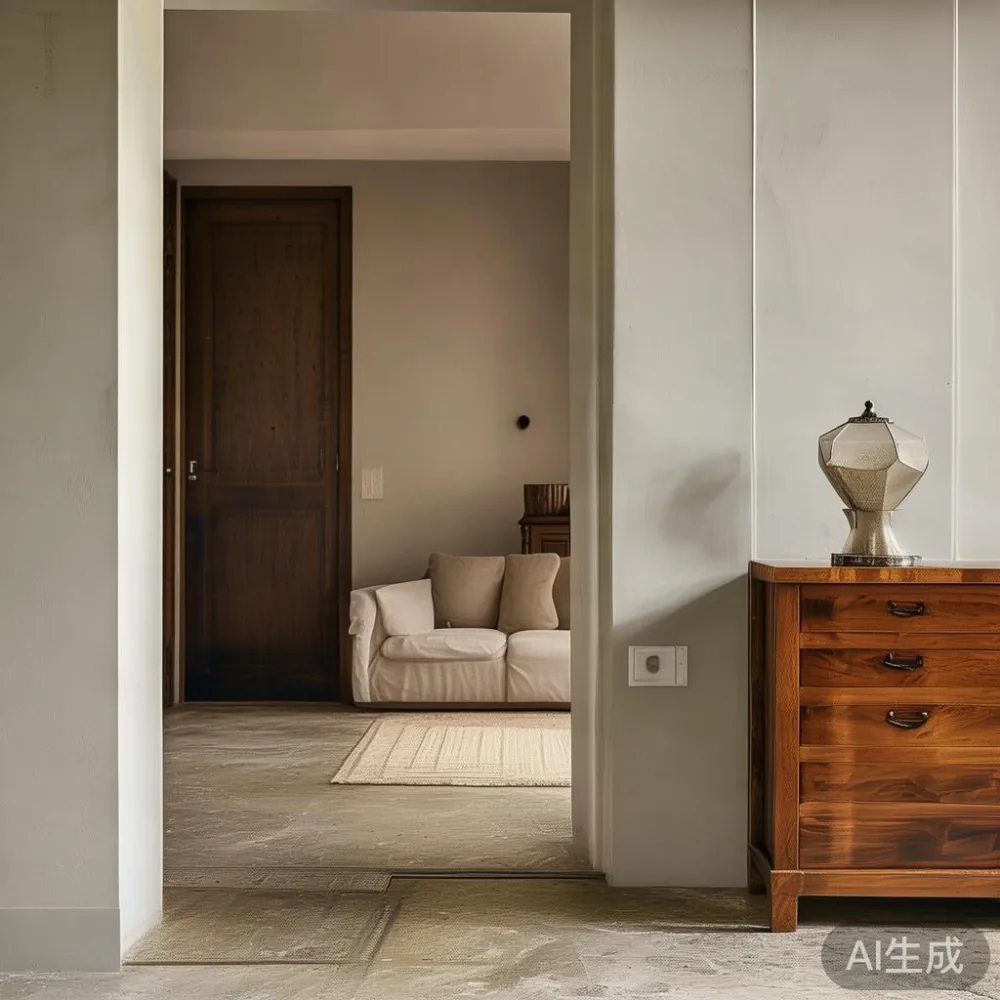
The finish does most of the visual work, yet the surrounding environment determines how long it stays presentable. Good care is less about constant scrubbing and more about controlling exposure, cleaning gently, and noticing small changes early.
What is the ideal humidity and temperature for lacquered entryway furniture?
For lacquered entryway furniture, aim for a stable indoor environment around 22–28°C and roughly 40–65% relative humidity. These are practical Singapore targets, not laboratory promises. A corridor outside an air-conditioned flat may reach 30–33°C on a hot afternoon, while a lift lobby can be cooler but more humid.
Keep freestanding pieces at least 15 cm from an exterior wall where possible, and at least 30 cm from a window or direct air-conditioner vent. In a typical HDB corridor, measure before delivery: a narrow passage may accept only a 35–45 cm deep cabinet, while a compact lift may require flat packing. For a condo, check the route from the service lift to the entrance rather than assuming every doorway has full clearance.
Use a digital hygrometer placed near the furniture for 7 days. If readings remain below 40% or above 65%, consider improving airflow or moving the item. Do not chase humidity with repeated wet wiping, because moisture can enter fine lacquer joins or leave a dull film. Air movement matters more than a short blast from a hair dryer.
Direct sunlight should be limited where practical. Lacquer may look attractive under daylight, but repeated ultraviolet exposure can gradually alter the sheen, especially on pale, green, blue, or warm wood tones. A pair of curtains with a light-filtering fabric can reduce exposure without making the entrance feel closed. In a bright condominium corridor, rotate a movable console occasionally so one face does not receive years of uninterrupted light.
How should I clean lacquer without scratching it?
Start with a soft, lint-free microfibre cloth. Dust the surface every 7 days and wipe fingerprints every 2–3 days in a busy household. A dry cloth handles ordinary dust; use a barely damp cloth only when residue remains. Wring the cloth until it feels almost dry, not visibly wet.
For routine cleaning, dilute 1 teaspoon of mild, fragrance-free dish detergent in 500 ml of lukewarm water. Apply the mixture to the cloth rather than the lacquer, then wipe with a clean damp section and finish with a dry section. Avoid alkaline cleaners, bleach, alcohol, vinegar, ammonia, abrasive powder, and household sprays intended for glass or tiles unless the lacquer manufacturer confirms compatibility.
Do not use a scouring sponge, nylon brush, or rough kitchen towel. Lacquered edges, mouldings, and lacquered solid wood details can show scratches more readily than untreated timber. If the piece has a marble table top, keep acidic drinks and cleaning products away from the stone as well; stone care follows its own sealing and pH rules.
Spills should be addressed within 1 minute when possible. Blot rather than rub. For oily marks, a tiny amount of mild detergent on a soft cloth is usually enough. For paint or adhesive, do not scrape with a metal tool. Ask the supplier for a finish-specific recommendation before using a solvent, because solvent can soften or dull lacquer.
What should I do if the lacquer begins to haze?
A surface that suddenly looks cloudy may be carrying moisture, soap residue, fingerprints, or a combination of cleaning and heat stress. Test a small hidden area first: choose a 5 cm section near the back or underside, clean it with the mild method, and allow 24 hours for the sheen to settle.
If the haze remains, a lacquer-specific cleaner approved by the furniture maker may be appropriate. Apply only a small amount to a clean microfibre cloth, test it for 24 hours, and avoid circular scrubbing. If the finish was applied over open-grain wood, aggressive polishing can create uneven gloss, so professional refinishing is safer than experimenting on a visible face.
Do not press-on wax, furniture polish, or “restoration” oil unless the finish is designed for that product. Such products can darken pale lacquer and collect dust along mouldings. For high-use pieces, ask MIDHILL for the exact finish specification and approved care products before treating anything beyond routine washing.
If lacquer is chipped, lifting, or separating from the substrate, stop using solvents and send photographs to the maker. Small marks may be repairable, while a 2–5 cm bubble or split generally calls for assessment. A 10-year structural warranty does not automatically mean every cosmetic finish issue is covered, so clarify the finish terms when the furniture is delivered.
How can Singapore families protect an entrance cabinet from daily use?
Place a suitable barrier at the point where bags, parcels, shoes, and delivery cartons touch the furniture. A washable mat measuring about 60 × 90 cm can sit beside the cabinet, but leave at least 5 cm of floor clearance so the base can be wiped. Use a felt pad beneath a small tray or decorative object, and avoid dragging parcels directly across lacquered panels.
Check the delivery route before a large piece arrives. An HDB lift may have an internal depth of 140 cm or more, but door openings, turning corners, and corridor widths can be tighter than expected. Measure the lift car, each doorway, and the narrowest corridor turn. For a solid wood sofa or bed frame, note that cartons may be longer than the assembled dimensions; for an entryway cabinet, the assembled width and diagonal should both be recorded.
MIDHILL can be asked to confirm packed dimensions, carton weight, and delivery timing before dispatch. Allow 7–14 delivery days for a Singapore order, depending on stock and route. The company’s free shipping threshold is stated in US$350, while local prices should be checked in SGD, including GST where applicable. Confirm the final amount and delivery appointment rather than relying on a showroom estimate.
Style also affects care. A French light luxury console with a pale lacquer finish needs more frequent fingerprint attention than a darker American light luxury piece. Post-modern light luxury styling often combines clean planes with metal or stone accents, so clean each material according to its own surface, not with one universal product.
How often should lacquer be inspected in a tropical home?
Perform a quick inspection every month and a more detailed check twice a year. Look at the front face, top edge, underside, and any area near a door hinge. Check for colour change, sticky patches, tiny bubbles, dull streaks, or a difference in gloss under the same light. A 10-minute review can catch a problem before it spreads over a 60 cm panel.
After heavy rain or a period without air-conditioning, inspect within 48 hours. Walkways and corridors can carry humidity into the flat, especially where a front door is frequently opened. Keep the cabinet 10–15 cm from a damp wall base, and do not let wet umbrellas, mops, or laundry touch the finish.
For homeowners comparing finishes, ask whether a lacquered surface is factory sealed, whether it is water-based or solvent-based, and what repair service is offered. These details matter when choosing an Italian light luxury sofa or evaluating a solid wood dining table for a small apartment. A good showroom explanation should connect the finish to the room, not simply attach a luxury label.
If searching for a low-cost starting point, the phrase cheap European light luxury furniture is common online, but compare lacquer care, dimensions, and warranty with the actual product. Likewise, search results for wholesale light luxury furniture and wholesale Mid-century modern furniture can mix very different quality levels. Check solid wood species, joinery, finish chemistry, and the seller’s support policy rather than relying on a photograph.
Can refinishing restore a lacquered entryway furniture piece?
Some pieces can be refinished, although the result depends on the substrate and current lacquer condition. Deep cleaning may reveal a sound finish that only needs polishing. If the lacquer has worn through to exposed wood or shows broad cracking, sanding and recoating may be required. A marble table top is different: its stone may need honing or sealing rather than refinishing.
MIDHILL offers lifetime refinishing, which is a meaningful advantage for eligible solid wood products, but confirm whether the lacquered entryway furniture in question is included. Ask for a written scope, estimated turnaround time, and any transport charges. Refinishing usually requires 2–4 weeks depending on the piece, condition, and finish approval.
When a customer asks how to choose European sofa, the finish should be one of several checks. Measure the sofa, confirm doorway clearance, test the comfort, inspect the solid wood frame, and review the fabric or lacquer care instructions. The same discipline applies when comparing the best Mid-century modern bed for 2026: look at stability, dimensions, slat spacing, finish durability, and after-sales support.
For a compact home, a nightstand may need only 40–50 cm of width, but the top should be large enough for a 30 cm cup and a phone without crowding. A wardrobe placed in an entry area requires ventilation and a clear door swing. A dining table should remain outside humid cleaning zones where possible. These product choices all affect how lacquer and wood respond in Singapore’s climate.
What should a final lacquer-care routine look like?
Use a simple weekly and monthly routine. Daily, remove bags and wet items. Weekly, dust with a dry microfibre cloth. Every 2–4 weeks, clean lightly with mild detergent and water, then dry immediately. Monthly, inspect edges and under-cabinet areas. Twice a year, review humidity, sunlight exposure, and any new scratches.
Keep a 30 cm square of unused finish nearby if the supplier provides a care card, and record the product name. Test any new cleaner on that hidden area for 24 hours. Never mix cleaners. If a cloth leaves lint, use a clean cotton cloth rated for coated surfaces, and if the cloth becomes visibly dirty, replace it rather than continuing to spread grit.
For families living in Tampines, Bedok, or Punggol, make the entrance routine part of the weekly cleaning habit. A well-maintained lacquered surface can retain its depth and reflective quality for years, while a careful approach protects the solid wood sofa, bed frame, dining table, wardrobe, nightstand, and marble table elsewhere in the home.
Last month I visited a client’s Bedok condo after the air-conditioner had been serviced. A glossy entryway cabinet sat near the lobby door and looked cloudy after cleaners had used an unapproved aerosol polish. We removed the residue with a barely damp cloth, left the cabinet ventilated for 24 hours, and the sheen returned without sanding. That experience reinforced a simple rule: less liquid, milder products, and faster drying.
MIDHILL, established in Foshan in 2008 and exporting to more than 15 countries, can provide the relevant care guidance for its lacquered pieces. Confirm specifications and warranty terms in writing, use SGD for local pricing, and give a lacquered entryway furniture plan the same attention you give to the furniture’s placement and proportions.