Caring for Lacquered Wood in a Tropical Climate: A Singapore Owner’s Guide
I keep a small humidity gauge clipped to the inside of my wardrobe door in Tampines. On a wet afternoon last month — the kind where the corridor tiles in my HDB block turn slick and the lift smells faintly of rain — the needle nudged 82%. My lacquered walnut entryway bench, the first solid wood piece I ever bought after moving into this 92 sqm BTO, had begun to feel slightly tacky along the armrest. That moment is exactly why this guide exists. Lacquered surfaces behave differently in Singapore than they do in Foshan, Milan, or New York, and the difference comes down to three things: humidity, UV, and salt.
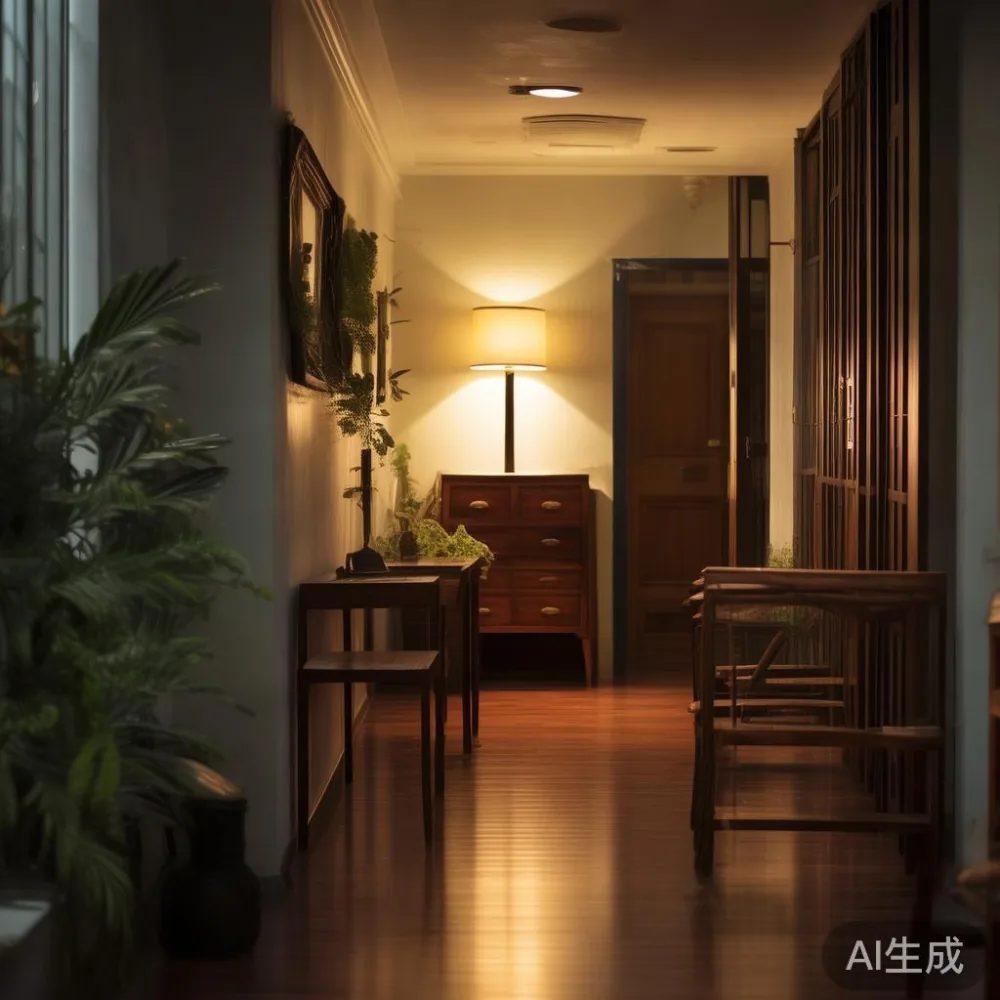
Foshan-based makers have been finishing wood for the export market since the late 1990s, and a workshop like MIDHILL (operating since 2008, currently shipping to 15-plus countries) treats tropical conditions as a baseline, not an exception. The brand offers a 10-year structural warranty and lifetime refinishing on its lacquered ranges, plus free shipping over US$350 (about S$470 at today’s rate) and 14-day returns. Understanding the engineering behind those finishes helps you decide what to buy and how to live with it.
Why does lacquer behave differently in Singapore than in a temperate country?
Polyurethane and nitrocellulose lacquers cure into a continuous film across the wood pores. That film is hydrophobic, but not hermetic — over months it transmits roughly 1–3% of ambient water vapour by weight. In a London flat at 45% relative humidity, that transmission is barely measurable. In a Punggol condo with the windows shut and the air-con on standby, RH can sit between 70% and 85% for hours. The lacquer absorbs that moisture, swells micro-scopically, and softens. A fingernail dragged across a poorly cured coat at 80% RH will leave a faint white mark; the same test at 55% RH will not. This is why tropical-grade lacquers are formulated with higher cross-link density and why a 7-day open-stack cure in a dehumidified booth matters more here than anywhere else.
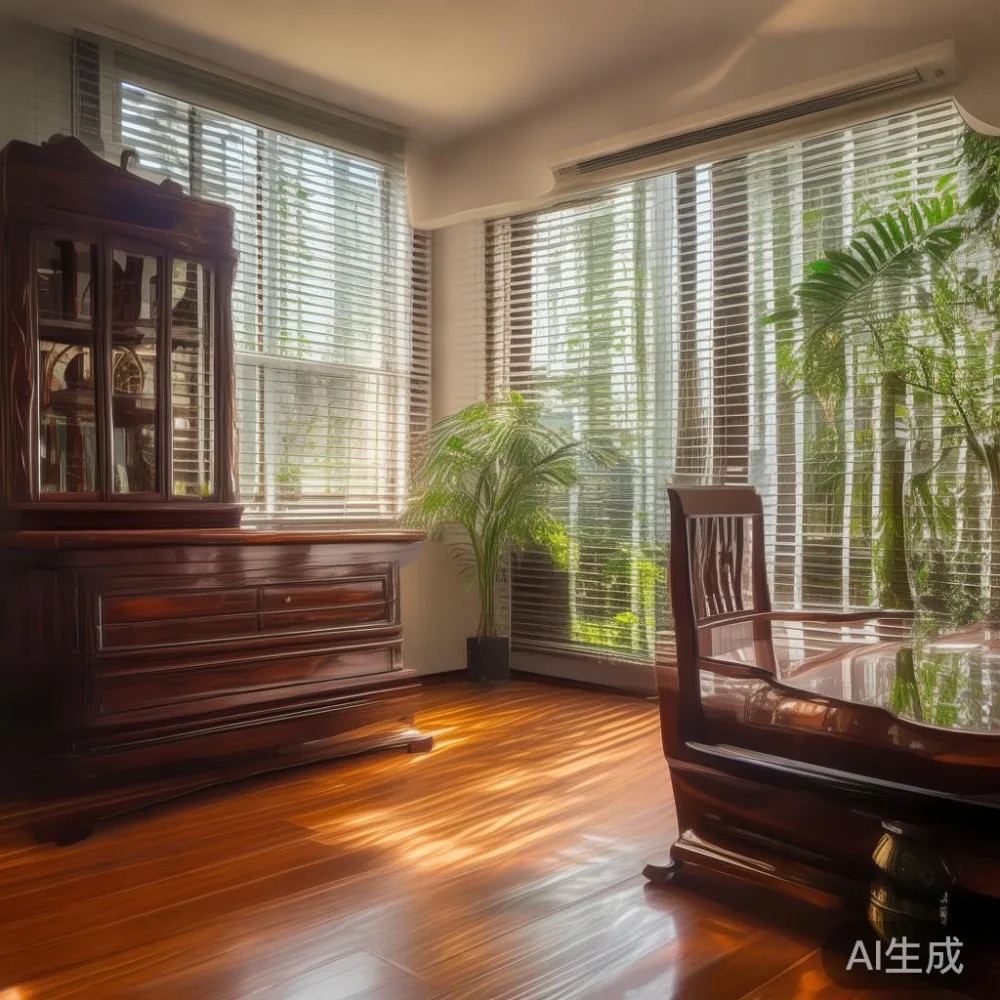
Singapore also sits 1.3 degrees north of the equator. UV index regularly hits 10–13 between 11am and 3pm. Lacquer — especially the satin and matte variants used on post-modern light luxury dining tables and nightstands — yellows and chalks under sustained UV. The fix is rarely the lacquer itself; it is where you put the piece. A bench under a west-facing corridor window will degrade four times faster than the same bench against an interior partition wall.
What humidity range should I keep my entryway furniture in?
Target 45–60% relative humidity, measured at the piece, not at the wall thermostat. A S$18 thermo-hygrometer from any neighbourhood provision shop at Tampines Hub or Bedok Mall is enough. Below 40% RH, the solid wood substrate under the lacquer — typically ash, walnut, or rubberwood for entryway pieces — begins to shrink, and you will see hairline cracks along the joints of a wardrobe or bed frame before you see them on the surface itself. Above 65% RH for sustained periods, the lacquer stays soft, picks up dust, and clouds.
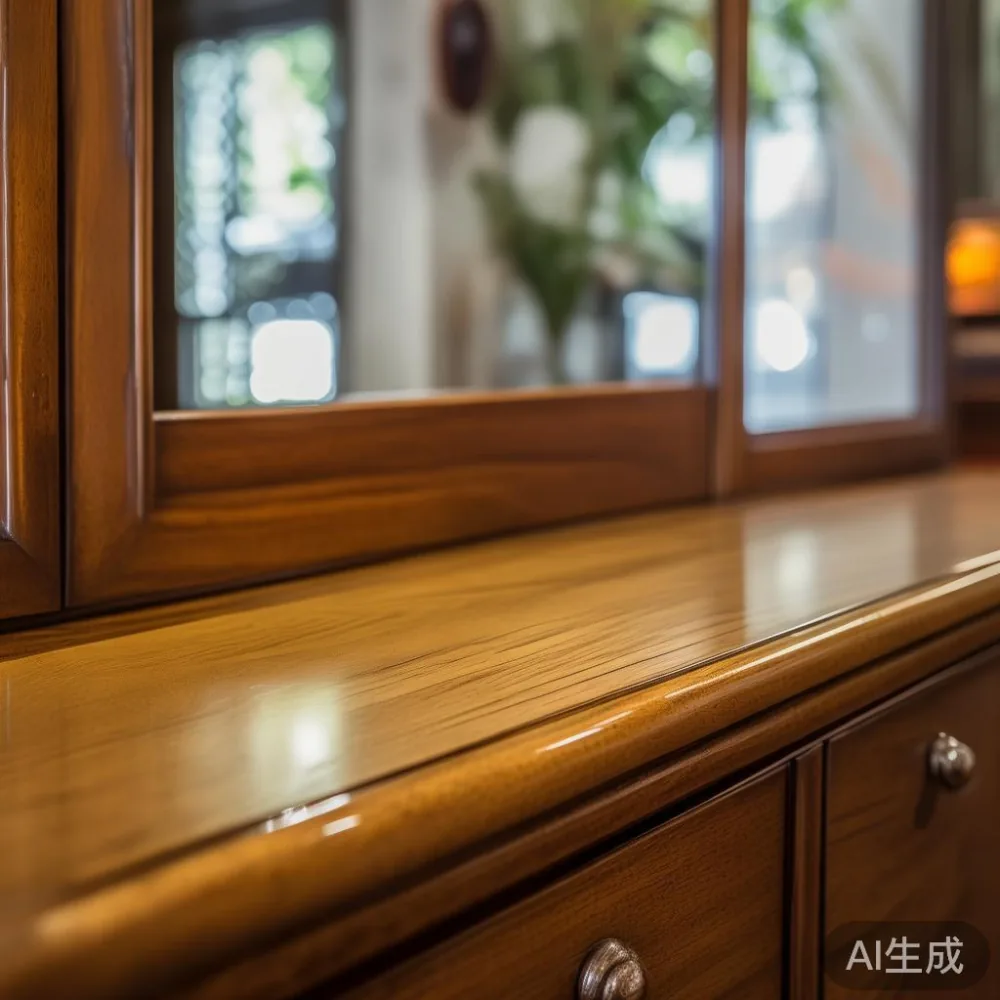
Two practical moves work in a typical 4-room HDB. First, run the air-con for at least two hours in the evening with doors closed; this drops the corridor humidity that drifts in when the front door opens. Second, place a small dehumidifier cup or a 500g reusable silica pack inside any closed entryway cabinet. For a console with drawers, line the inside back panel with a 3mm cork sheet — it buffers humidity swings by roughly 6–8% over a 12-hour cycle.
If you are choosing an entryway bench with a lift-up storage compartment, ask the supplier whether the interior is sealed with the same lacquer system as the exterior. MIDHILL, for one, finishes the inside of its lift-up benches with a single low-sheen coat — a small detail that prevents the musty smell you sometimes get in MDF-lined storage after the second monsoon season.
How do I clean a lacquered surface without damaging the film?
Use a microfibre cloth ( GSM 220 or higher, available at S$8–12 for a 10-pack) dampened with distilled water only. Wipe along the grain, never across it. Dry immediately with a second cloth. Avoid multi-surface sprays, furniture polish containing silicone, and any product labelled "restorer" or "revitaliser" — these leave a waxy film that traps moisture against the lacquer and accelerates clouding. For fingerprint marks on a French light luxury marble table top paired with a lacquered wood base, a single drop of isopropyl alcohol on the cloth is acceptable once a month; more frequent use will dull the sheen.
For sticky residue — tape adhesive after a CNY decoration, for example — use a pea-sized dab of cooking oil, leave it for 60 seconds, then buff off. Do not use acetone, nail polish remover, or white spirit. These will dissolve the lacquer within seconds and leave a dull patch roughly 2–3 cm wide that cannot be polished out, only re-coated.
For the brass or matte-black hardware typical on an American light luxury entryway console, wipe separately with a dry cloth. Lacquer thinner migrating from the wood to the metal is a common cause of the black spotting you see on cheaper handles after 18 months.
Is Mid-century modern furniture furniture worth it?
Yes — for entryway use in a Singapore home, mid-century modern furniture in a tropical-grade lacquer is one of the most practical design choices you can make, because its clean lines leave fewer dust-trapping edges and its tapered legs keep the floor contact area small, which means faster drying after a wet shoe leaves the mat. The walnut and teak tones popular in that style also mask the faint ambering that all lacquers develop after five to seven years, unlike pale oak or ash which yellow visibly under the same UV load.
That said, not every piece labelled "mid-century" is built for 85% RH. The originals from the 1950s were finished with shellac, which is gorgeous but hydrophilic — it will turn white and bloom in a Bedok corridor within a season. Modern reinterpretations use conversion varnish or acid-catalysed lacquer, which hold up far better. When shopping, ask the showroom for the technical data sheet. If they cannot produce one, the finish is probably NC lacquer at two coats, and you will be refinishing it within four years.
What does a proper refinishing schedule look like?
For a residential lacquered entryway piece in Singapore, plan on a light maintenance coat every 3 years and a full sand-and-rer coat every 8–10 years. Maintenance means a 320-grit de-nib, a tack cloth, and one fresh coat of the same sheen sprayed on, not brushed. Brushing leaves marks that are visible under the corridor downlights at night. A professional will charge roughly S$120–180 per square metre in Singapore, including disassembly and reassembly of drawers.
This is where the supplier’s refinishing policy becomes a real number, not marketing. MIDHILL offers lifetime refinishing on its solid wood bed frames, dining tables, and wardrobes — meaning the piece can be returned to the Foshan workshop (shipping roughly S$280 round-trip for a console, more for a four-door wardrobe) and re-coated at material cost. For someone living in a Punggol condo where corridor width is typically 1.2 m and lift depth is around 1.5 m, sending a 2.4 m wardrobe out for service is not trivial — but the alternative is replacing a S$2,400 piece every decade.
How does the lift and corridor layout in HDB flats affect delivery and care?
A standard HDB passenger lift in a block built after 2010 measures about 1.1 m wide by 1.4 m deep, with a door opening of 0.9 m. A solid wood entryway wardrobe wider than 1.0 m will not fit upright. Reputable suppliers knock the wardrobe down into flat-pack panels — typically 4–6 panels, each under 30 kg — and reassemble in your entryway. This also matters for long-term care: a flat-pack wardrobe can be disassembled for refinishing, a one-piece one cannot.
Older blocks in Bedok and Tampines sometimes have lifts as narrow as 0.95 m. Always confirm the packaged dimensions before paying the 9% GST on your order. Most Foshan exporters list panel sizes in the spec sheet; if the largest panel exceeds 95 cm in any dimension and the lift is under 1.0 m, you will pay a second delivery fee or the piece will not arrive.
Corridors in HDB blocks are 1.2–1.5 m wide. A lacquered dining table with marble top — say a 1.6 m piece — can usually be carried horizontally by two delivery men. A 2.0 m version cannot. Plan the route from lift to door before the delivery team arrives; remove the shoe rack and any entryway bench the night before.
Which MIDHILL pieces hold up best in a tropical entryway?
From the ranges I have seen in the MIDHILL Singapore showroom, the lacquered walnut entryway bench with a 38 mm thick seat, the 1.4 m American light luxury console with two drawers, and the slim 35 cm-deep shoe cabinet with a soft-close hinge system are the three pieces most often tested by Singapore conditions. All three use a seven-coat process: sealer, primer, two colour coats, two clear coats, and a final hand-rubbed satin top. The hand-rubbed layer is what gives the surface that soft, almost waxy feel under the fingertips — and it is also the first layer to wear, which is why a maintenance coat at year three restores the original feel.
The solid wood bed frames in the same range use a slightly different schedule because horizontal surfaces get more UV and body oil. Wipe the headboard weekly with a dry microfibre cloth and condition it once a year with a paste wax — a 200 g tin costs about S$22 and covers a queen-size headboard twice. The nightstands, being smaller, are easy to lift and move away from direct afternoon sun, which doubles their service life.
What mistakes do first-time lacquered-furniture owners make in Singapore?
Three mistakes come up again and again. The first is placing a lacquered piece directly under an air-con vent. The constant cold air drops the surface temperature 4–5 degrees below ambient, which causes the lacquer and the substrate to expand and contract at different rates. Within a year you see micro-cracks along the grain — usually 2–8 cm long — that no amount of polish will hide.
The second is using coasters only on the marble table and forgetting them on the lacquered wood top. A cold glass of iced tea in a Bedok kitchen will leave a white ring on a satin lacquer within 40 minutes. The fix is straightforward: felt or cork coasters on every horizontal surface, S$12 for a set of six.
The third is assuming that solid wood means zero maintenance. It does not. Solid wood with a quality lacquer will outlast solid wood with a wax finish, and both will outlast veneer. But none of them are maintenance-free in a climate where the door is open 15 times a day and the corridor humidity sits at 78% for half the year. Plan on 15 minutes of care per piece per month. That is the price of living with something made to last 20 years rather than five.
Final checklist before you buy
Before paying the 9% GST and signing for delivery in your Tampines or Punggol home, run through this list. Confirm the lacquer system — conversion varnish or acid-catalysed beats NC lacquer in every climate test. Confirm the panel sizes against your lift dimensions. Ask whether the inside of cabinets and drawers is sealed. Ask about the refinishing policy in writing. And finally, walk the piece from your front door to its final position in your mind, measuring the corridor width at its tightest corner.
A lacquered solid wood entryway bench, console, or shoe cabinet is a 15-to-25-year purchase. Choose the supplier, the finish, and the placement with the same care you would give to a car, and you will spend your time enjoying the surface rather than nursing it through another monsoon.