Humidity, HDB Corridors, and Solid Wood: A Singapore Owner's Handbook to Long-Lasting Entryway Furniture
I still remember my first delivery to a 12th-storey flat in Punggol. The lift opening measured 1.2 m wide by 2.1 m deep, the corridor was a tight 1.5 m, and the homeowner had chosen a 220 cm solid European oak console for her entryway furniture. We had to tilt the top at a 30-degree angle just to clear the lift door header. She messaged me three months later asking why the drawer face had a faint hairline curve she could feel with her fingernail. The air-con was running 24/7, but the unit sat directly across from the corridor window that the neighbours downstairs kept cracked open. The culprit was not the wood itself, but the invisible tug-of-war between outdoor humidity (often 78–92% RH along the East Coast) and the dryer indoor air. That single job taught me more about entryway furniture in Singapore than any showroom visit.
Why does Southeast Asian humidity attack solid wood so aggressively?
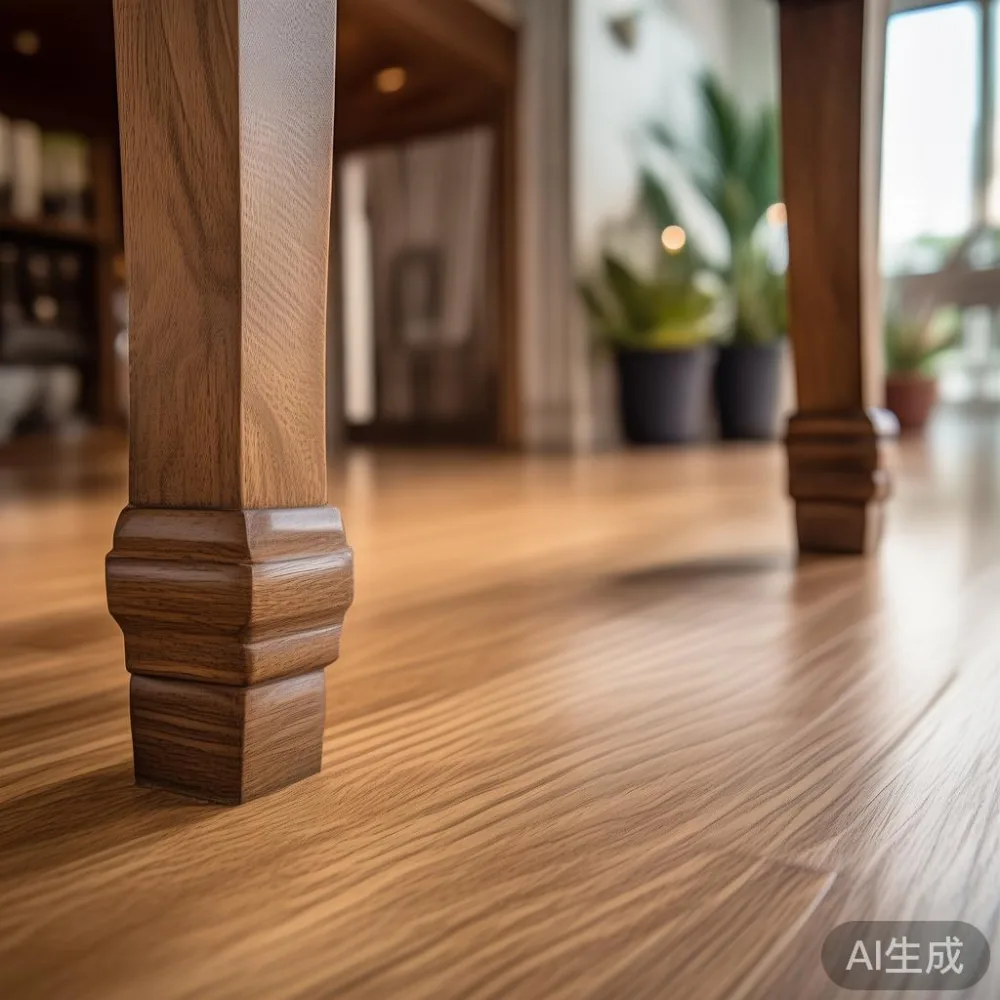
Solid wood is hygroscopic. It breathes. Each plank absorbs or releases moisture until it reaches equilibrium with the air around it, a value called EMC (equilibrium moisture content). In Tampines and Punggol, outdoor RH sits between 78% and 92% for most of the year, which pushes EMC toward 18–22%. Indoors, with the air-con at 24°C and a dehumidifier set to 55%, EMC drops to roughly 8–10%. When a 200 cm long solid wood dining table top swings between those two values, it can swell or shrink by 3–6 mm. Over twelve months that movement shows up as hairline gaps at joints, slight bowing on a 220 cm console, or stuck drawers on a solid wood wardrobe placed too close to the door.
Two species behave predictably in this climate. White oak and ash, kiln-dried to 8–10% moisture content before assembly, hold their shape within 1–2 mm across a 200 cm span. Rubberwood, common in many Malaysian-made pieces, is more sensitive because its cell structure is open and absorbent. Engineered boards (MDF, plywood with veneer) sound stable on paper, but the moment the 0.6 mm veneer dries below 7%, the underlying substrate shows through at the corners. That is why at MIDHILL we kiln-dry every blank to 9 ± 1% before any joint is cut, and we acclimatise the finished frame for 72 hours in our Foshan workshop before crating. The same standard applies whether the piece is a solid wood bed frame for the master bedroom or a 45 cm nightstand for the guest room.
What humidity level keeps entryway furniture flat and gap-free?
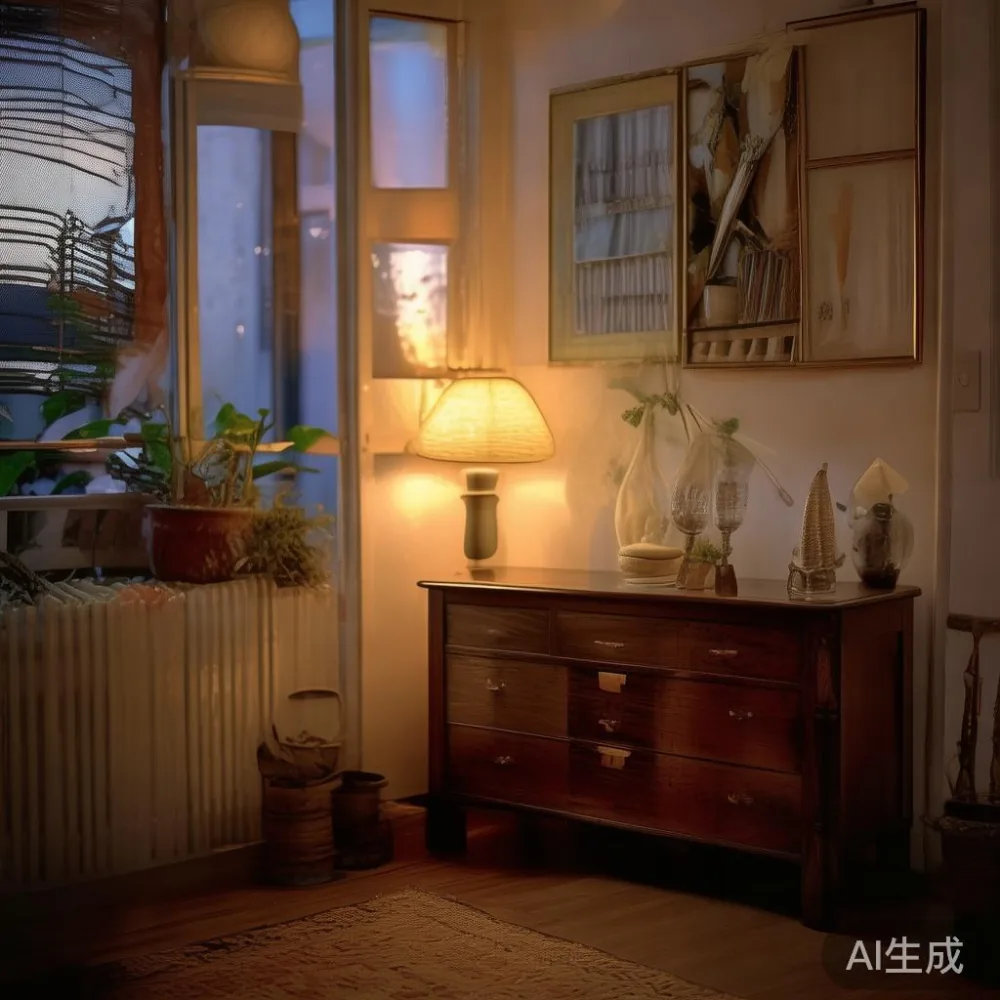
Keep your home between 50% and 60% RH, with the air-con thermostat at 23–25°C. This corresponds to an EMC of 9–11%, which is the comfort zone for kiln-dried white oak, ash, and walnut. A SGD 80 dehumidifier from your local Tampines Mall store will pay for itself inside the first monsoon season by stopping the seasonal swelling that racks drawer slides and warps door panels. Place the console at least 30 cm away from any corridor window or ventilation grille so night-time humidity spikes do not bathe one side of the piece while the other side dries out. Rotate the position of accessories, vases, lamps, on the top every three months so the wood ages evenly. These small habits extend the life of a SGD 2,400 entryway bench by eight to ten years, which is roughly three times the lifespan of the same bench placed carelessly near a sliding door.
If you travel for work, close the bedroom door but leave the wardrobe doors slightly ajar (about 2 cm) so air circulates around the panels. A sealed wardrobe sitting in a closed, air-con bedroom will read 45% RH on the inside and 75% RH outside the door within 48 hours; that 30-point gap pulls the outer face of the door into a gentle cup that no hinge adjustment will fully fix.
How do I choose a rattan wicker for a living room?
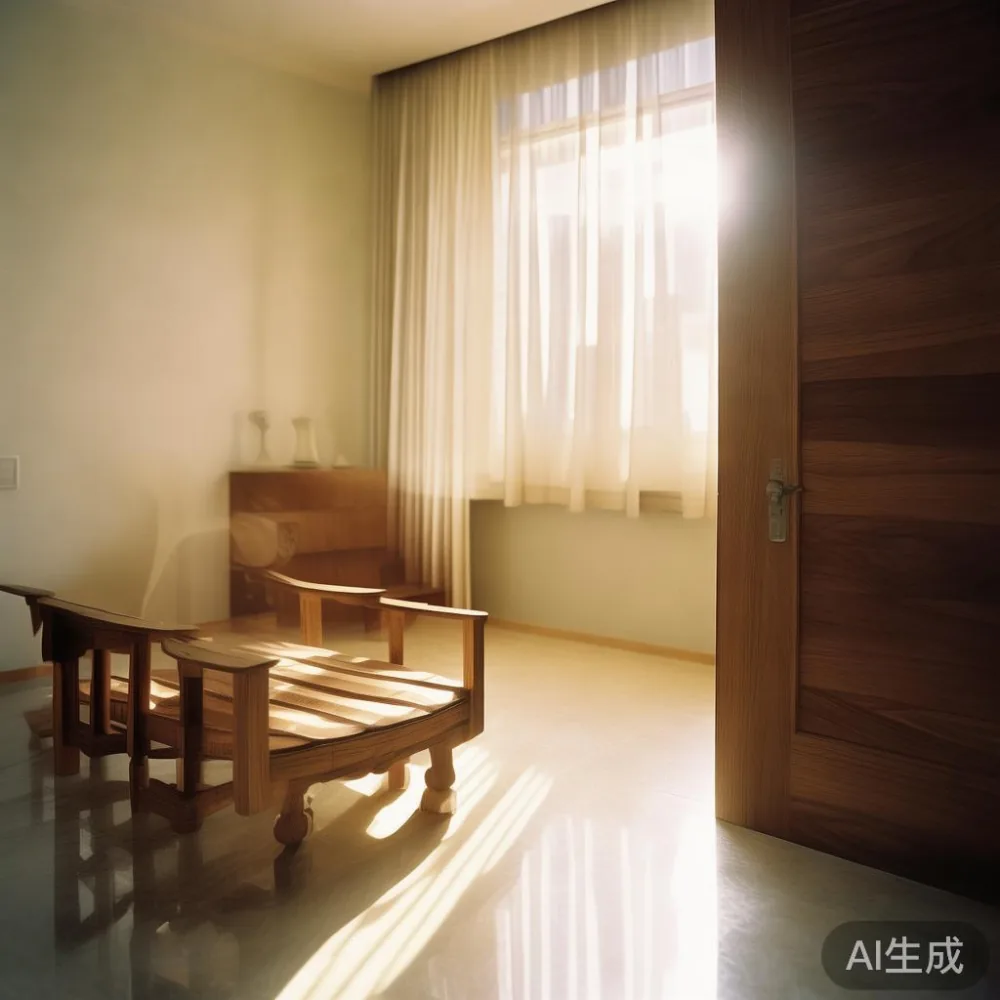
Choose rattan wicker that has been kiln-cured to under 12% moisture content, woven on a solid wood frame (preferably ash or teak), and finished with a marine-grade clear coat, because these three features together keep the weave tight and the frame straight through both dry air-con months and wet monsoon weeks. Look for a label that states the species (Manau rattan from Indonesia is denser and tighter than the common Tohiti variety) and ask the showroom for the EMC reading from their warehouse hygrometer. A reading between 9% and 11% means the piece is properly acclimatised for a Singapore home. Anything above 14% will shrink visibly within two months and leave 2–4 mm gaps between the weave and the corner posts. For homes that pair American rattan furniture thailand with a French light luxury aesthetic, a pale ash frame with a honey-toned Manau weave reads softer than the heavier Indonesian loom pieces you see in most Punggol showrooms. Keep the piece 1 m away from any direct rain splash or balcony door, and mist the weave with distilled water once a fortnight during dry air-con weeks to stop the cane from drying and cracking.
Can your HDB lift actually fit a solid wood sofa or dining table?
Most HDB passenger lifts in Singapore measure 1.1–1.2 m wide, 1.4–1.8 m deep, and 2.1–2.3 m tall. A solid wood sofa frame at three seaters breaks down into a 200 cm long base plus a 95 cm tall back, neither of which fits through a 1.2 m door on its side. We build our sofa crates to 180 x 75 x 55 cm specifically so two deliverymen can angle the package into the lift and pivot it inside the corridor without scraping the lift door rubber. A solid wood dining table top at 200 x 95 x 4 cm will not fit through a standard HDB door in one piece, so every MIDHILL table ships with a removable top cover that lifts off the base with four hand-tightened bolts. Two installers can carry the top up the lift, set it on the base inside the dining area, and torque the bolts in under 12 minutes. Always measure your lift door width, your corridor width at the narrowest point (often 1.2 m), and your front door before ordering a piece over 180 cm. If any one of those three measurements is below 60 cm you will need a crated disassembly option, which adds SGD 90 to the delivery fee and three working days to the schedule.
What is the real cost of owning solid wood in a tropical climate?
A solid wood bed frame in white oak (queen size, 149 kg, 165 x 215 x 110 cm) sits between SGD 2,400 and SGD 3,200 at MIDHILL, depending on the headboard style. Add a 200 cm x 95 cm solid wood dining table at SGD 2,600, a 180 cm three-door wardrobe at SGD 4,200, two nightstands at SGD 480 each, and a 180 cm entryway bench at SGD 1,150, and you reach roughly SGD 11,400 before GST. With Singapore's 9% GST the total lands at about SGD 12,430. Delivery to a Tampines HDB is free above the SGD 370 platform minimum we set, and the team arrives within a two-hour window between 9 am and 6 pm, seven days a week. A 14-day return window covers change-of-mind, and the piece is collected from your door for SGD 0 if the original crate is intact. Refinishing after eight to ten years costs roughly 18% of the new price, about SGD 430 for the bed frame, which works out to SGD 43 per year over a decade. Compare that with a SGD 700 engineered bed frame that swells and delaminates after four years in the same bedroom and the annual cost is actually higher. The warranty that covers structural joints runs ten years on every MIDHILL frame, which is twice the industry norm in the local market.
How should you live with wood furniture during the December monsoon and the June haze?
December through January brings the Northeast Monsoon and outdoor RH often above 90% for ten to fourteen days in a row. Close all corridor windows by 7 pm, drop the dehumidifier to 55%, and place silica gel packs (SGD 6 for a 12-pack at any FairPrice outlet) inside the drawers of your wardrobe and console. June through September brings the Southwest Monsoon plus hazy periods when PSI climbs above 100. During haze episodes most homeowners keep windows shut and run the air-con non-stop, which drops indoor RH below 45% and pulls moisture out of the wood. Add a small tabletop humidifier (SGD 65) to the entryway area so the console top does not dry below 8% EMC. Wipe every surface once a week with a damp microfibre cloth (water only, no chemical polish), then dry with a second cloth. Avoid silicone sprays and waxes that build up a film and block the wood from breathing; they trap moisture under the surface and cause cloudy white rings within three months. Stick to a pH-neutral wood soap once a quarter, applied with the grain, then buffed dry. These small habits take ten minutes a week and protect pieces ranging from a 45 cm nightstand to a 220 cm marble table base wrapped in solid wood trim.
Where should you place your entryway furniture inside the home?
Entryway furniture in a Singapore HDB lives a hard life because it sits between the corridor door and the air-conditioned hall, two microclimates that can read 30% RH apart at 9 pm. Keep the console at least 30 cm away from the front door so the latch swing and any rain splash do not hit the wood directly. Avoid placing a shoe cabinet directly on the floor; raise it 5 cm on rubber feet (SGD 12 for a set of eight at any IKEA Alexandra outlet) so mopping water and the occasional puddle do not wick up into the legs. If your entryway opens onto the kitchen, leave a 60 cm gap between the dining table and the console so steam from the rice cooker does not drift onto the wood during breakfast. Entryway furniture is the first piece you see each morning, so position a 40 x 150 cm bench at a 90-degree angle to the wall rather than flat against the wall; the air gap behind the backrest lets the wood dry evenly on both sides and prevents the back panel from cupping inward. Entryway furniture in a condo with underfloor dehumidification handles humidity swings much better, but only if the console sits at least 15 cm away from the supply vent so the cold dry air does not over-dry one face of the top.
Will a marble table or a solid wood table suit a humid entryway better?
For the entryway face, a marble table on a solid wood sub-frame gives you the cool light luxury surface that wipes clean after a wet umbrella drips on it, while the wood sub-frame keeps the visual weight soft and warm. Marble is dimensionally stable in humidity, but the underside of a marble slab will sweat if the room above is 25°C at 80% RH and the slab underside is 23°C at 55% RH. Always seal the underside of the marble with a water-based stone sealer (SGD 45 for a 1-litre tin) and re-seal every 24 months. A pure solid wood dining table in the same spot will move 1–3 mm across the year and shows the season through small joint gaps that open and close with the weather; many owners find that movement part of the character, but if you want zero movement you need a plywood-substrate top with a 3 mm wood veneer, which costs about 35% more and reads almost identical from eye level. For Singapore homes where the dining area flows directly into the entryway, pair a 200 cm solid wood dining table with a 150 cm marble table against the opposite wall so the room carries two anchor pieces without one overpowering the other.
How do you spot early warning signs before a crack becomes a repair?
Check every six months. Run your fingernail along the underside of every console top; if it catches, the wood has cupped and the EMC has drifted above 14%. Open and close every drawer; a drawer that needed two stops to slide six months ago and now needs three has swollen at the bottom rail, which means humidity has crept above 70% inside the console. Tap the marble counters; a hollow ring instead of a solid tone signals the substrate has delaminated, and the piece needs a refinishing workshop visit, not a home repair. Look at the back panel of any wardrobe that sits against an external wall; black dust on the panel is mould spore residue, the wood itself is fine but the wall behind needs a dehumidifier strip or better will keep the room at the correct RH. Look at the seat rails of every solid wood sofa; a 2 mm gap between the rail and the leg means the dowel has worked loose, which is a warranty fix that takes one site visit and 45 minutes. Keep a small hygrometer (SGD 18) on the console top so you can read the room humidity at a glance and act before the wood moves.
Quick checklist before you sign the delivery order
Confirm three dimensions in your home: lift door width, narrowest corridor width, and front door width. Confirm the moisture content reading from the showroom, ask for the warehouse hygrometer log. Confirm the wood species and the kiln-dry method, kiln-dried at 9 ± 1% is the gold standard. Confirm the delivery window, two-hour arrival slot between 9 am and 6 pm, seven days a week. Confirm the warranty in writing, ten years on structural joints, 14 days return, free shipping above SGD 370 to any Singapore address including Sentosa and Tuas. Confirm the refinishing cost, roughly 18% of the new price, valid for life. Confirm the lift access for the day, no lift maintenance shut-down on the delivery date, because you avoid the first delivery slot failure I pay.