Humidity, Entryway Furniture and Wood Care in Singapore
Singapore’s warm climate can change the dimensions, joints and finish of solid wood furniture, especially near an open door, a corridor or a frequently used lift lobby. For furniture in an HDB flat or condo, controlled indoor humidity matters from the moment delivery staff bring a solid wood sofa frame, dining table or wardrobe through the entrance. A useful target is roughly 40–65% relative humidity, with wood surfaces kept away from persistent dampness and direct air-conditioning airflow.
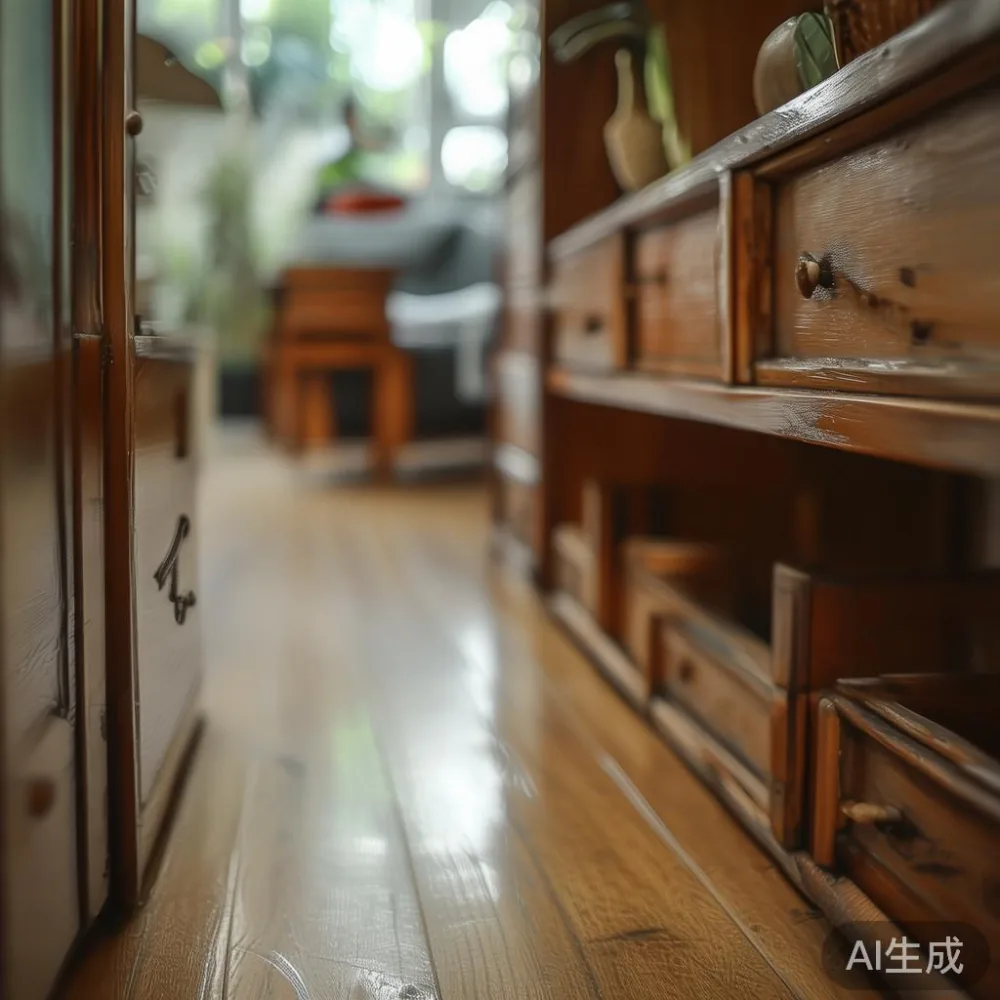
At MIDHILL, we design entryway furniture with movement in mind: timber may expand by about 1–3 mm per metre across its grain as humidity changes. Small allowances in tenons, drawer runners and cabinet doors help prevent binding. Care still matters, however, because rapid moisture changes can cause checking, warping or a dull finish—even when the furniture is made from kiln-dried hardwood.
The practical challenge is not simply Singapore’s rainfall. It is the combination of year-round humidity, apartment ventilation, balcony doors, renovation dust, narrow corridors and lift sizes in districts such as Tampines, Bedok and Punggol. The following guide explains how humidity affects wood, how to measure it and how to protect entryway furniture without turning care into a full-time project.
Why does Singapore humidity affect solid wood entryway furniture?
Wood is hygroscopic: it absorbs or releases moisture as the surrounding air changes. In practical terms, relative humidity above about 70% encourages swelling, mould risk and softened finishes, while very dry air below 35% can cause shrinkage and fine surface checks. Singapore homes often cross these thresholds during monsoon periods, when overnight humidity can rise while an air conditioner cools the rest of the flat.
Entryway furniture receives less direct sunlight than a bedroom, but it often experiences stronger air exchange. Each time the front door opens, humid outdoor air enters. In a high-rise lobby, wind-driven rain can wet shoes, umbrellas and floor mats before those objects reach the unit. At the corridor side, humid air may move between the void, a service yard and the landing. A sideboard or shoe cabinet can therefore be exposed to different conditions at its front and back.
Solid oak, ash, walnut, beech and other hardwoods respond differently, yet all benefit from gradual acclimatisation. A dining table delivered during a 20-minute lift journey should not be moved straight into a very cold room or placed beside a damp washing area. The piece should be wrapped for transport, kept upright where possible and allowed to acclimatise for approximately 48–72 hours before its final position.
This matters across an entire home. A wardrobe near the main passage, a nightstand beside an open window and a bed frame beneath a recirculating-vault ceiling may each encounter a different microclimate. The goal is stable conditions, not a constantly perfect reading. A SGD 25–60 digital hygrometer placed near timber furniture can provide a useful daily reference.
What indoor humidity level should I aim for?
A range of 40–65% relative humidity is a sensible working target for most Singapore homes. During the day, readings may climb when several people enter and leave. At night, air conditioning may lower the percentage near a bedroom. If a hygrometer sits directly on a lacquered cabinet, its sensor may reflect the cabinet’s temperature rather than the room air; mounting it at about 1.2 metres above the floor usually gives a more representative result.
Do not chase every short spike. A reading of 68% for 30 minutes after the main door opens is less concerning than 68% for 12 hours. Persistent exposure is what affects wood. Clean damp marks beneath a shoe rack, inspect the wall behind a sideboard and notice whether doors begin to feel tight. Those observations often reveal a leak or ventilation problem before visible cupping appears.
In an HDB flat, the entrance may sit close to a bathroom or a washing machine. Keep timber at least 30 cm from a splash zone, and use bath mats or trays for wet shoes. In a condo near the sea, salts carried in on shoes can leave residue that attracts moisture. Wipe these deposits promptly and keep floor mats from touching cabinet feet.
Air circulation helps, but moving the air should be gentle. A small fan running at low speed for 15–30 minutes can reduce surface moisture without over-drying timber. Avoid placing a humidifier within 1 metre of wood, since blowing concentrated moisture at one face can create uneven expansion.
How can humidity change a solid wood dining table or bed frame?
A solid wood dining table may gain width across the grain during humid weather and lose it during drier periods. Movement of 1–3 mm per metre is normal for many indoor hardwoods. A top fixed permanently to an apron can crack if that movement is restricted. That is why an expandable dining table may use removable battens, and why fixed tops need seasonal checks around the first 6–12 months.
White or pale finishes reveal moisture changes more clearly. Dark walnut finishes can hide early colour variation, but grain checking may still appear. Clean the top with a damp—not wet—cloth, then dry it within 5 minutes. Coasters should measure roughly 8–12 cm, and a hot vessel should never be placed directly on timber. Use a trivet rated for at least 150°C.
A solid wood bed frame is usually less sensitive than a dining top, yet pressure can reveal weak points. Tighten frame bolts gradually rather than fully loading every joint at once. In humid conditions, leave approximately 2–5 mm of design clearance where parts are intended to move. If side rails feel rough or scratch strongly, check for raised grain after the weather settles.
Questions about bedroom styling often arise here. A practical guide to how to style American bed in room should cover breathable cotton bedding and the location of a nightstand, but it should also remind homeowners not to trap the frame against damp curtains. Mattress moisture vapour can be managed with a ventilated base and protective cover. Keep a 30 cm gap from windowsills where condensation collects.
Comparing a European light luxury bed vs Mid-century modern bed is partly a matter of proportion and finish, yet both constructions still need stable humidity. French light luxury usually introduces pale upholstery, carved detail or stone surfaces; post-modern light luxury favours cleaner planes and graphic contrast. A walnut or oak frame can support either direction without making moisture care less important.
Is air conditioning enough to protect entryway furniture?
Air conditioning can lower room humidity, but it should not be treated as a moisture-control switch for the entire unit. Singapore’s dehumidification process removes moisture from the air while the condensate drains away, yet doors and open passages still connect rooms to the humid exterior. Running the compressor for 20 minutes before moving in a large wardrobe may reduce local humidity; it does not guarantee that the wood will remain stable for the next 8 hours.
Avoid direct cold air striking furniture. Position an air-conditioner outlet at least 1 metre from a sideboard where practical, or adjust the louvre so the stream passes overhead. Repeated cooling and warming can create uneven surface contraction. A slab or marble table with a wood base needs the same attention: the stone may remain stable while its timber support expands, so tight fittings should allow movement.
Some homeowners add a dehumidifier. A unit rated around 12–20 litres per day can suit a larger entrance or flat, subject to room size and measured conditions. Set its goal near 55%, place it away from wood surfaces and empty its tank before an automatic shut-off interrupts protection. Portable units consume power, so a hygrometer, ventilation and source control remain the first measures.
For a shoe cabinet near the lift-facing corridor, close doors and drawers on especially humid evenings. If the cabinet holds clothing rather than shoes, include a cedar block or small passive moisture absorber and inspect it every 2 weeks. Do not use newspaper ink, cat litter or loose charcoal directly against a finished surface; crumbs and staining can complicate refinishing.
Can entrance dimensions make humid furniture care harder?
Many Singapore flats make delivery planning part of furniture ownership. A sofa frame may fit through an HDB front door but not the lift turn. Measure the door leaf, frame, handles and corridor before ordering. Add at least 5–10 cm of working clearance at corners, or 15 cm when the route includes a dog-leg corridor. For furniture arriving in a carton, record the package width and height rather than relying only on the assembled dimensions.
Punggol corridors and lift lobbies are frequently conditioned, but open sides of buildings can still admit humid air. Bedok’s proximity to open ground and coastal airflow can create different exposure in nearby blocks. Tampines and Punggol high-rise homes may see faster wind pressure changes around the main door. These factors explain why adjacent homes in the same development can need different storage arrangements.
Place entryway furniture where airflow is moderate, not where damp shoes remain underneath. A 90–120 cm shoe bench can support a tray; a 70–90 cm slim console can hold keys without blocking a corridor. Preserve a clear route of at least 60 cm where possible, and remember that a marble table may require more handling weight even though its finish is moisture-resistant. Oak or walnut-look solid wood should never be dragged along a damp corridor.
For delivery, ask the supplier for the carton dimensions and expected lead time. Singapore online purchases may include a 9% GST on displayed prices when applicable. Singapore itself has no general GST on most furniture purchases, so local e-commerce treatment differs from cross-border imports. For an imported piece, account for duty and logistics before comparing a local SGD 1,200 sideboard with a landed total of SGD 1,450.
What should I do before delivery, and during the first 72 hours?
Before delivery, dry-clean the route and inspect the lift car. Remove floor mats if they carry moisture, especially when moving a wardrobe that requires turning through the landing. Lift dimensions and floor-loading limits should be confirmed with building management. A scheduled delivery window of 30–45 minutes is useful, but the installer should allow another 10–15 minutes for protection and alignment.
Keep solid wood wrapped until the furniture reaches its room. This limits exposure during the journey from loading area to lift, corridor and unit. After delivery, leave protective film in place for 12–24 hours where the film is intended to prevent scratches. If the adhesive is not suitable for prolonged contact or sunlight, follow the maker’s instructions rather than leaving it indefinitely.
Ventilate the room gradually and let the furniture acclimatise for 48–72 hours. Open the nearest windows only when outdoor humidity is lower than indoor humidity—late afternoon may not always be the drier period during monsoon weather. A short dry window is more helpful than broad ventilation during heavy rain.
Check all hardware after movement. Tighten cabinet fittings to their intended positions, but do not force a swollen door against the frame. For a dining table, confirm that removable leaf fasteners are secure. For a bed frame, inspect the centre support and ensure every foot rests on the finished floor. A nightstand should have a 5–10 mm wall gap when possible so moisture trapped against plaster can evaporate.
MIDHILL pieces carry a 10-year structural warranty, while furniture finishes can be refinished for the customer’s lifetime. Those provisions support long-term ownership, but humidity control remains part of ordinary care. The warranty should not be read as permission to ignore leaks, standing water or abrupt repeated wetting.
How should I clean and maintain wood near the entrance?
Vacuum or dust weekly, including the underside of a console and the narrow gap behind a moveable shoe bench. Use a soft cloth with a little water and mild wood soap, then remove residue with a second damp cloth. A heavily damp cloth can force moisture into end grain, while abrasive pads can scratch lacquer. Avoid silicone sprays, ammonia and furniture polish unless the finish manufacturer approves them.
Inspect annually and at the start of each monsoon season. Look for mould-darkened spots, sticky patches, swollen drawer bottoms, rough end grain and doors that catch. Hold a hygrometer beside—not on—the furniture for 10 minutes before recording a reading. If a leak has wet timber, move the item if safe, dry the source and increase gentle airflow for 24–48 hours.
Never repaint or lacquer a damp surface. Allow wood to reach stable moisture conditions and wait for a finish manufacturer’s recommended interval, often 48–96 hours, after the last visible wetting. If mould returns within 30 days, humidity measurement should be paired with a leak check and more frequent cleaning.
Entryway design also determines care frequency. A cabinet with full-height doors protects small items from dust. Open shelving may look lighter but requires dust removal every 7 days. A marble table is practical for keys and mail, yet acidic spills still need prompt removal. A solid wood sofa can remain stable, but its timber legs should not be trapped beneath soaked footwear. A wardrobe near a damp service route needs airflow behind the back panel and periodic inspection of wall contact.
Style references can help owners choose coordinated pieces. A French provincial coffee table introduces carved edges and a softer silhouette, while a Mid-century modern coffee table uses cleaner lines and warm timber. Searches for top 10 Mid-century modern furniture often highlight tapered legs, generous clearances and durable domestic materials—all useful considerations beside a Singapore entrance.
How should I choose humidity-friendly entryway furniture?
Choose construction before appearance. Look for kiln-dried solid wood, mechanically fixed joinery where appropriate, finished or sealed undersides and adjustable hardware. Ask whether the supplier expects indoor acclimatisation for the destination climate. In Singapore, solid wood from temperate regions can still require 7–14 days of gentler acclimatisation after international shipping.
Request the final dimensions and weight. A slim entryway bench of 100 × 35 × 45 cm and approximately 22 kg may suit one flat’s corridor, while the same piece may not turn through every lift. A low 80 × 80 × 45 cm bench of 18 kg may be easier for one family but should be tested against another route. Two people should carry pieces above 30 kg, using lifting straps rather than carrying a large table alone.
Ask about finish care and repair terms. A supplier established in 2008 and familiar with exports to more than 15 countries should be able to explain how timber, finishes and hardware respond in warm-humid conditions. At MIDHILL, product questions can be checked before shipment; an online order over US$350 receives free shipping under the stated programme, although Singapore pricing and tax treatment should be confirmed at checkout.
Light-luxury design should work with care requirements, not disguise poor construction. American light luxury often uses clean upholstery and warm timber, while French light luxury relies on pale tones and detailed profiles. Post-modern light luxury may pair a solid wood bed frame with a marble table and sharper metal accents. For restrained interiors, a search for best Minimalist sofa for 2026 can narrow fabric and size choices, but every sofa should still be measured against the lift route and kept away from damp footwear.
Finally, balance purchase value with expected use. An entryway cabinet might receive daily handling and should have replaceable runners, while a low bench may need occasional weight checks. Compare a SGD 980 finish with the cost of replacing damaged parts over 5 years, not just purchase price. Local returns, structural coverage and refinishing support can make a higher-priced piece more practical.
What are the warning signs that wood has reacted to humidity?
The first sign may be a drawer that needs extra force or a cabinet door that catches at one corner. Fine checking can appear as narrow lines running with the grain, especially on pale finishes. A tabletop may feel tacky in humid conditions if the finish absorbs moisture, while a leg may feel damp if shoes have repeatedly splashed it. Black spotting that returns after cleaning can indicate mould.
Record the location and date rather than dismissing a small mark. Measure nearby humidity and inspect the wall, window or corridor for condensation. If a piece stands within 10 cm of masonry that remains cool and damp, leave a larger ventilation gap. If a new wardrobe is still settling within its first 90 days, allow more time before concluding that the case is defective.
Do not respond by sealing every surface immediately. The moisture source should be corrected first. Once timber and air have stabilised, sanding and refinishing may restore appearance, but existing checks caused by rapid wetting can return if humidity continues to swing between 35% and 75%.
A practical routine is simple: check readings for 2 minutes twice each day during monsoon peaks, clean the entrance every 7 days, inspect hidden surfaces every 90 days, and service moving parts every 12 months. After spills, dry within 5 minutes. After heavy rain, inspect the first 60 minutes of arrival because wet shoes and umbrellas often enter then.
For Singapore homes, stable humidity is less about controlling nature and more about preventing concentrated moisture from contacting entryway furniture. Measure, ventilate when conditions favour drying, clean with restraint and select solid wood furniture built with realistic movement allowances. With a 40–65% working range, sensible maintenance intervals and the right route through the lift and corridor, wood can remain sound and visually calm for many years.
For project sizing and material questions, review product specifications at m.midhill.co. Furniture specifications, delivery timing and local charges should always be confirmed for the intended Singapore home.