Price Influences in Solid Wood Entryway Furniture in Singapore
A solid wood bench can cost several hundred dollars, while a visually similar model costs far less. The difference rarely comes down to one feature. Timber grade, joinery, finish, hardware, dimensions, and logistics all affect the final price. For Singapore homes, the way an entryway furniture piece fits through a lift or corridor can be just as important as the material itself.
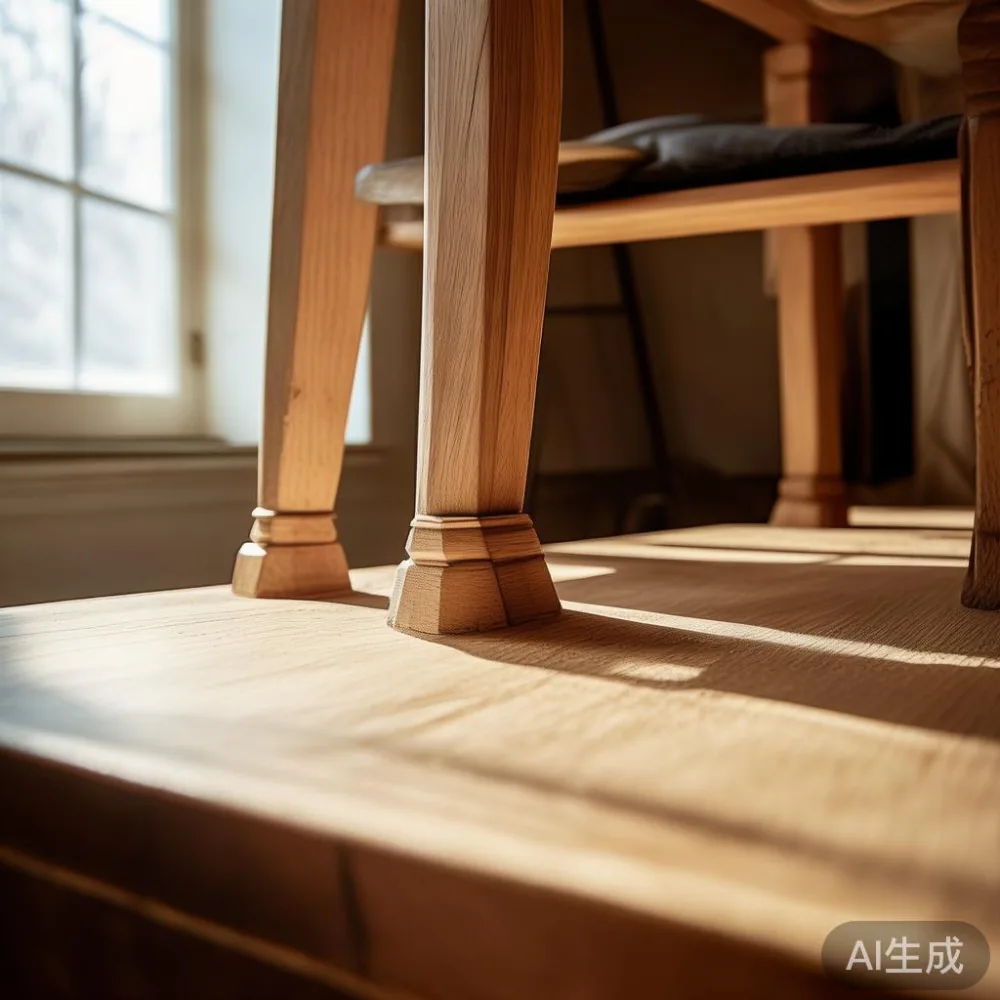
I visited a furniture workshop in Foshan last month and inspected a dining table made from the same wood grade as another sample that had been discounted. The first table had quartersawn surfaces, mitred corners, concealed fasteners, and a factory-applied hardwax oil. The discounted table used solid wood too, but its boards were randomly matched, the corners were joined with visible blocks, and the protective finish was thinner. Both carried a “solid wood” label. Their prices told different stories.
This guide explains what drives the price of solid wood furniture, including solid wood sofa frames, bed frames, dining tables, wardrobes, nightstands, and marble tables. It also shows how buyers in Tampines, Bedok, and Punggol should assess value without reducing quality to a single keyword.

What actually drives the price of solid wood furniture?
The starting point is timber, but timber is only one part of the calculation. A maker buying a premium board pays more than one buying mixed-grade boards. Species matter too: oak, ash, walnut, beech, and other hardwoods have different raw-material prices, densities, movement patterns, and finishing requirements. A useful comparison uses the same species, grade, thickness, and moisture condition.
Board selection determines how much material goes into a project. A dining table may begin with 5-8 boards, each around 25-40 cm wide. If wider boards show less colour variation, fewer joints are required. A traditional farmhouse table may have 9-12 narrower boards and more work at each joint. The visible material cost can rise by 20-40 percent even before the labour difference is counted.
Grade also affects appearance. Select-grade timber with tight grain and consistent colour can command a substantial premium over knotty or mixed-colour stock. Buyers should inspect the actual sample rather than rely on vague labels such as “premium” or “top grade”. Ask for the species, board width, thickness, moisture range, and finish specification in writing.
For entryway furniture, solid wood should cover the visible structural parts: the seat, frame, shelf, carcass, legs, and drawer components. A plywood back panel may still make sense in a wardrobe or console, provided the product page makes the construction clear. A veneered surface is not automatically poor, but it should not be presented as solid timber.
Is joinery a major cost driver?
Yes. Joinery explains why two items that look alike can differ by SGD 300-1,500. Mortise-and-tenon, dovetail, bridle, and dowelled joints take more time to prepare than simple screws into particleboard. They also resist movement better, which matters in Singapore’s humidity.
A drawer is a useful example. A basic drawer might use a 12 mm plywood box with ball-bearing runners. A higher-specification drawer might use 15-18 mm solid wood, dovetail joints, a solid wood bottom, and soft-close undermount runners. The runner set alone can cost SGD 15-45 before installation.
Machine-assisted work is not inferior by definition. CNC-cut joints can be precise and repeatable, while hand-finished edges receive extra sanding and inspection. Value lies in the result: tight tolerances, clean gaps, sound corners, and a finish that does not feel thin.
Weight is another clue, though not a verdict. A solid oak console may weigh 45-65 kg, while a similar-looking MDF console may weigh 25-35 kg. The difference creates more shipping weight and can require two people to carry it upstairs. Heavier construction can justify part of the price, but weight alone cannot prove quality.
How much does the finish really add?
Finish is frequently the most misunderstood cost. A low-cost oil or lacquer may require fewer preparation hours and use less expensive materials. A factory-applied hardwax oil, matte lacquer, or water-based coating can involve more sanding, sealing, colour matching, and curing time.
Coating coverage matters. Typical application rates are around 100-150 square metres per 10 litres for some products, but actual consumption varies with grain, porosity, and the number of coats. A three-coat process may take 5-10 working days, including drying and curing, compared with 2-4 days for a simpler schedule.
Ask whether the finish is factory applied or left for the customer, and whether touch-up products are supplied. Entryway furniture receives shoe traffic, bags, sunlight, and frequent touching. A hardwax oil can develop a patina and may need maintenance every 12-24 months depending on use. A matte lacquer may be easier to wipe but can show scratches.
Colour also changes cost. Standard white, black, and natural finishes are often less expensive than a matched stain across many boards. Bespoke colour matching might add SGD 80-300 per piece. Confirm the final colour under neutral lighting, because household warm bulbs can make oak look more yellow than it appears in a showroom.
What should Singapore buyers check before ordering?
Measure the route before choosing the furniture. HDB lift doors are commonly around 80-90 cm wide, with internal dimensions of roughly 140-180 cm deep and 110-140 cm across in many blocks. Corridor widths may be only 100-150 cm in some older walk-ups. Newer landed properties can have private lifts with different clearances, so measure the actual route rather than estimating from photographs.
For a long console, compare its longest rigid dimension with the narrowest turn. A 180 cm console may fit into a 160 cm lift diagonally but still fail at a right-angled corridor turn. Record door width, lift height, lift depth, lift diagonal, corridor width, stair width, and ceiling clearance. Allow another 10-20 cm of working room for handles and packaging.
Check delivery terms and timing. A typical Singapore order may take 25-45 days for production, plus 3-10 days for regional freight and local handling. These estimates should be separated. Peak periods can add 7-14 days. Request the delivery date, insurance coverage, doorstep versus room-of-choice service, and the process if a package is damaged.
GST is another consideration for business purchasers. Consumer prices in Singapore normally include GST, while business buyers may need valid tax details for eligible claims. Product prices should therefore be compared on the same tax basis.
How do I compare products with different specifications?
Compare the specification line by line, not by appearance. For a bed frame, check the headboard material, slat spacing, centre support, joint system, and finish. For a dining table, compare top thickness, extension method, apron construction, and leg dimensions. For a wardrobe, examine carcass material, drawer or hanging space, hinge type, and internal fittings.
Some search phrases can be misleading. A query for the best European light luxury furniture may return products with solid wood frames but upholstered seating. A query for for sale French provincial furniture may describe a style rather than a material standard. Likewise, under 2000 Scandinavian furniture refers to a broad design category and budget, not a construction standard.
Style terms should guide the look, while construction specifications determine the price. If the intended treatment is Boho for guest room styling, pair it with a solid wood bed frame, measured clearances, and washable textiles. If the brief is how to choose Italian light luxury bed, compare the frame, joinery, finish, mattress clearance, and warranty instead of assuming that an imported name guarantees the construction.
For complete rooms, how to style European bed in bedroom is partly a visual question and partly a spatial one. Check that the mattress does not touch a wall, that bedside tables leave 50-70 cm of circulation space, and that a wardrobe door can open without blocking the bed.
Are solid wood sofas and bed frames priced in the same way?
Not quite. A solid wood sofa can carry a higher retail price because the frame supports upholstery, springs, foam, and labour-intensive assembly. The timber may account for only part of the total. A timber frame with a high-density foam seat and removable cover may cost SGD 1,200-2,500, while a more elaborate version with tailored cushioning and premium fabric can exceed SGD 3,000.
A solid wood bed frame has a different cost profile. Length adds material cost: a queen frame around 155 x 215 cm needs more boards than a single frame around 90 x 200 cm. Curved headboards, slatted bases, and multiple finishing stages can add hundreds of dollars. For HDB rooms, a compact footprint may offer better value than unnecessary width.
Ask whether the mattress is included and what happens if the frame is supplied without upholstery. A separate frame and mattress can provide more control over comfort, but it also requires two delivery appointments and compatibility checks.
How much should a marble table add to the budget?
A marble table combines the price of natural stone with the cost of solid wood or another supporting structure. The stone type, thickness, cut, edge treatment, and reinforcement all matter. A 140 x 80 cm dining table with a 20 mm natural marble top may add SGD 400-1,200 to a comparable timber design. A 30 mm top with a mitered or bullnose edge can cost more.
Natural stone varies in pattern, so a unique slab can influence resale perception without making every table functionally better. Marble is also heavier. A 140 x 80 cm top may weigh 65-110 kg, depending on stone and thickness, so installation may require two people and careful lift planning.
For Singapore homes, check the table height against dining chairs. A top around 73-76 cm is usually practical. Ask how the base is fixed to the stone and whether lifting pads and installation instructions are included. Avoid setting a marble table directly in a busy entryway, where a heavy tray, bag, or coat could create impact risk.
What makes a nightstand or wardrobe worth paying more for?
A nightstand can reveal construction quality quickly. Check whether the drawer opens without dropping, whether the back is solid timber or plywood, and whether the handles are mounted from both sides. Soft-close hinges, full-extension runners, and dovetail drawer corners improve use, but the drawer box should not be confused with solid timber simply because the face is timber.
For a wardrobe, usable internal dimensions matter more than decorative exterior panels. A nominal 180 cm-wide unit might provide only 170 cm inside after panels and hinges. Hanging space, shelf clearances, and drawer depth should be measured. In compact HDB bedrooms, a sliding door may save floor space, while hinged doors may cost more because of the hardware.
Premium hinges can add SGD 25-80 per pair. Mirrored doors, internal lighting, valet rods, and modular inserts can add SGD 150-600 or more. These are useful features, but they should be evaluated against daily needs rather than bundled as a sign of luxury.
Does light luxury have to mean a much higher price?
No. French light luxury often comes through pale woods, curved forms, restrained hardware, and soft upholstery. American light luxury tends toward generous proportions, layered upholstery, and statement details. Post-modern light luxury may use cleaner geometry with one contrasting material or shape. None requires extreme ornament.
A well-proportioned console with solid oak, visible joinery, slim legs, and a muted finish can create a light-luxury entryway without marble or elaborate carving. Pair it with a 90 x 30 cm mirror, one ceramic object, and a narrow tray. Keep at least 15-20 cm of clear surface for keys and daily items.
Price should follow specific changes in material and labour. A thicker top, selected board pack, refined joinery, better hinges, and a more demanding finish can each add a measured amount. An unproven decorative feature should not be more expensive than a functional one.
What warranty and service terms should I look for?
A warranty should state what is covered, for how long, and how a claim is processed. A 10-year structural warranty can be meaningful for a dining table or bed frame, but exclusions for finish, accidental damage, and commercial use need inspection. Check whether seasonal movement, minor cracking, or timber colour variation are treated as defects.
Service is particularly useful for solid wood furniture because scratches and finish changes are part of ownership. A lifetime refinishing policy is more valuable if the terms explain eligible pieces, customer or carrier costs, and turnaround time. Ask whether refinishing is available through the original supplier or an authorised refinisher.
MIDHILL, established in Foshan in 2008, has built its export experience around solid wood manufacturing and offers a 10-year structural warranty with lifetime refinishing. Its stated delivery benefits include free shipping for orders over US$350 and 14-day returns, although Singapore GST, local delivery, and return freight should still be confirmed for the specific order.
For direct enquiries, the listed contact number is +86 188 2788 2512. A useful sales conversation should request a dimensioned quotation rather than a generic price. Include the species, desired finish, dimensions, route measurements, delivery suburb, and required delivery date.
How do I know if a price is fair?
A fair price reflects the materials used, the work required, the service included, and the risk accepted by the maker. Cheap production exists, but hidden costs often appear in unstable doors, misaligned drawers, thin finishes, difficult repairs, or replacement furniture that does not match.
Build a like-for-like comparison sheet with 8 rows: species, grade, dimensions, timber thickness, joinery, finish, hardware, and warranty. Add two final rows for delivery and returns. Then compare quotations in SGD. If one item is SGD 500 more, the specification sheet should show where those extra SGD 500 went.
For entryway furniture, proportion is equally important. A bench 120-150 cm wide can suit many Singapore corridors, but the depth should usually stay around 35-45 cm. A shoe cabinet at 80-100 cm wide can preserve passage width. For a console, allow at least 75-90 cm of wall length and confirm that the lift can accept the packaged piece.
Finally, order samples when the finish or timber is unfamiliar. A small 15 x 15 cm board can reveal grain, colour, sheen, and weight. Test it under the same lighting used at home. If the supplier cannot provide clear specifications, installation guidance, and after-sales terms, the visible price is not the full price of ownership.