Understanding Solid Wood Furniture Prices: The Key Factors
Solid wood furniture can look deceptively simple from across a showroom. Two dining tables may have the same shape and a similar solid oak finish, yet their prices can differ by several thousand Singapore dollars. The difference usually lies in the timber, the construction, the hardware, the finish, the dimensions, and the amount of hand-finishing involved. It is also affected by how efficiently a maker designs for Singapore homes, where HDB corridors and condo lifts can make packaging and delivery just as important as craftsmanship.
This guide explains the pricing of solid wood furniture for entryway furniture and other key pieces, from solid wood sofas and bed frames to wardrobes, nightstands, dining tables, and marble tables. The aim is not to identify a single “cheap” option, but to show what each dollar pays for and where spending can be adjusted without compromising longevity.
Is timber species the main reason two solid wood dining tables cost different amounts?
Timber species matters, but it is only one part of the price. Common choices for solid wood furniture include rubberwood, oak, ash, beech, walnut, and teak. A solid rubberwood dining table may be priced around SGD 1,290, while a carefully finished white oak version may retail at SGD 2,680 or more. Walnut, with its changing grain and scarcity, can move a similar dining table above SGD 3,500. These figures vary by size and design, so a 180 cm table should not be compared directly with a 240 cm table.

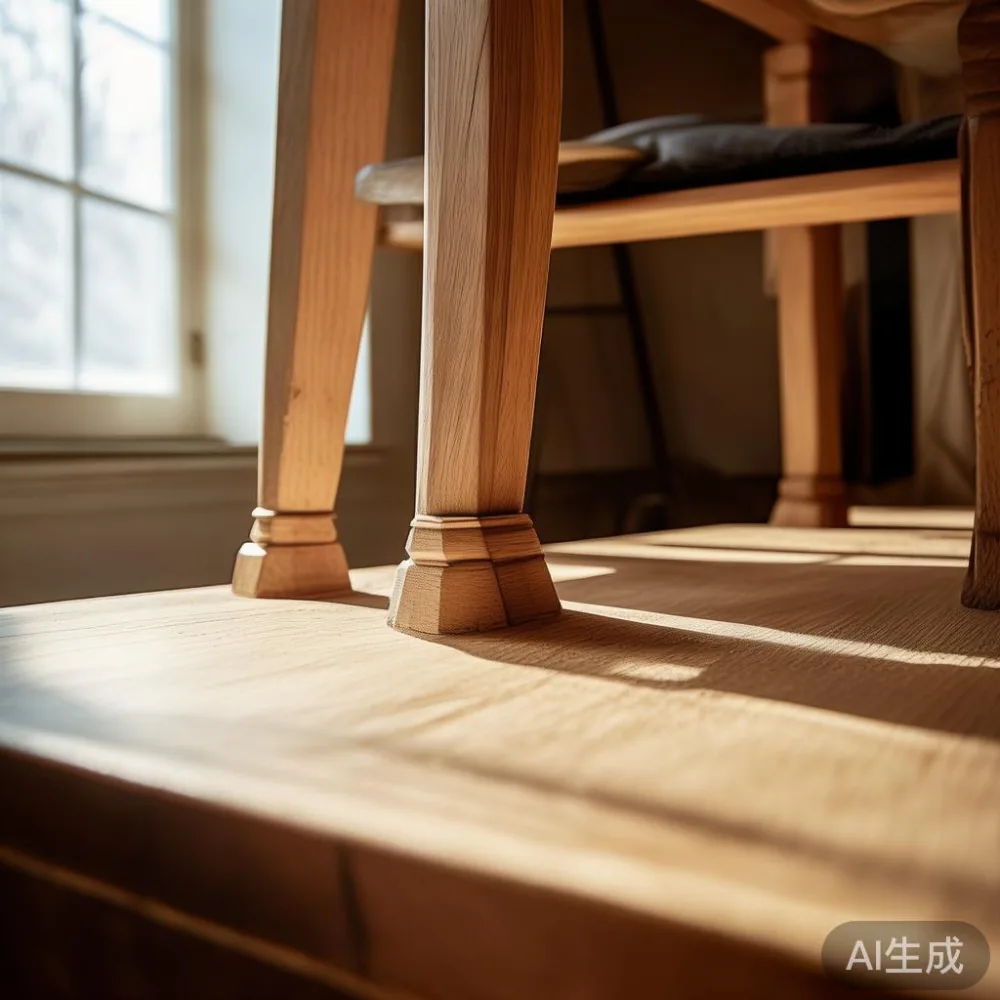
The board matters too. Solid wood furniture should use timber throughout the visible structure rather than veneer or fibreboard hidden beneath a wood-effect print. Look at the underside, drawer bottoms, rails, and edges. Continuous grain and exposed end grain can help confirm that a piece is genuinely solid, although construction and finish still require inspection.
Wood is graded for defects such as knots, sapwood, mineral streaks, and uneven colour. “Grade A” does not mean every board is identical. Selections with cleaner figure may command a premium because they reduce waste during cutting. One wide 220 cm oak dining table can require several boards; if 1 of 5 boards has an unacceptable knot, more stock must be purchased to create a continuous appearance.
Moisture control is another cost driver. Singapore’s humidity often sits between 70% and 85%, while air-conditioned interiors can be much drier. Responsible kiln-drying to approximately 8% to 12% moisture content helps limit movement after delivery. That controlled preparation costs more than drying timber outdoors, but it reduces cracking, bowing, and joint movement over a 10-year period.
How much should joinery and construction add to the price?
Joinery determines how long a piece can carry daily loads. Mortise-and-tenon joints, dowelled beds, bridle joints, and well-fitted drawers generally require more setup and checking than simple concealed screws. They also make repair and refinishing easier decades later. In contrast, particleboard and MDF may be perfectly suitable for a concealed cabinet carcass, but they should not be presented as solid wood construction.
A typical solid wood bed frame for a Queen mattress measures about 150 cm by 200 cm, with an external width nearer 160 cm. It may weigh 45 to 75 kg depending on the species and solidity of the headboard and rails. Expect roughly SGD 980 for a straightforward rubberwood frame and SGD 1,880 to SGD 3,280 for an oak or walnut version with shaped joinery and a more architectural profile.
A well-made wardrobe for a Singapore bedroom may be 180 cm wide, 210 cm high, and 60 cm deep. Prices commonly range from SGD 2,280 to SGD 6,500, depending on timber, drawer and hanging sections, hardware, and finish. A nightstand may cost SGD 390 to SGD 890; a 45 cm-wide model weighing 12 to 18 kg with one drawer will feel substantial without becoming impossible to move upstairs.
Weight offers a useful clue, but not a guarantee. A 90 kg solid wood dining table can still have weak joints if its construction is poor. Conversely, a 42 kg table can be well engineered. Inspect the rails beneath the top, the corners of the apron, and the way drawers close. Middlewood should be structurally appropriate, while decorative timber can be reserved for visible faces.
For buyers comparing online listings, MIDHILL’s material specifications and warranty information are more informative than a large discount badge. A 10-year structural warranty indicates that the maker stands behind the load-bearing design, while lifetime refinishing can protect the long-term appearance of a piece. Neither feature removes the need to measure the home, however.
Why do finishes, hardware, and marble change the final figure?
Finish is one of the most visible price differences between two pieces that otherwise look alike. A lightly oiled surface may add around 10% to a product’s base cost. A deeper stain, multi-layer paint, wire brushing, or fumed finish can add 15% to 30%. French light luxury often favours pale oak, cream tones, restrained profiles, and tactile matt finishes; American light luxury tends toward warmer walnut or oak with generous upholstery and clean detailing.
Post-modern light luxury can combine different woods, carefully controlled curves, and one contrasting material without making a room feel crowded. That mixed-material approach takes more planning and matching, so the labour component rises. A marble table may use natural marble slabs rather than printed ceramic. A 110 cm round marble table can range from about SGD 1,490 to SGD 3,900, with the price affected by veining, slab yield, thickness, and whether the base is solid wood or metal.
Hardware is easy to overlook because it is often hidden. A wardrobe may use soft-close hinges, full-extension ball-bearing runners, and an anti-tip fitting. Entryway furniture may include solid brass handles, magnetic catches, or pivoting mirrors. Soft-close drawer hardware on a 60 cm-wide nightstand might add SGD 35 to SGD 90 per drawer. Reliable movement hardware is particularly useful in busy family homes, where a 45 kg wardrobe must remain stable in a narrow bedroom.
Surface preparation takes time. Sanding a dining table through 80, 120, 180, and 220 grit before a final oil or matt lacquer is labour-intensive. The same explanation applies to a solid wood sofa: a timber frame can cost more than a similar-looking frame made from engineered components because the rails, arms, and back supports require shaping and finishing. A three-seat solid wood sofa with upholstered seating may retail from roughly SGD 3,800 to SGD 8,500, depending mainly on upholstery, cushion construction, and frame specification.
Warranties also carry a cost in pricing, even though they should not be treated as a luxury feature. A 10-year structural warranty, 14-day return period, and lifetime refinishing policy require record-keeping, quality control, and reserves for future service. MIDHILL was established in 2008 and exports to more than 15 countries, which means production and packaging must meet different market requirements without making every piece excessively conservative.
How should Singapore floor plans affect the price I pay?
For many people in Tampines, Bedok, Punggol, and other HDB towns, the route from the lift to the flat can be more demanding than the size of the furniture. A standard HDB lift door is often around 90 cm wide, with internal dimensions near 110 cm deep and 140 cm high, though specific blocks vary. A condo lift may have a larger door but a tighter turning radius. The furniture must clear the door, lift, corridors, stair turns, and finally the room entrance.
Measure all of them before ordering. A dining table listed at 200 cm by 100 cm may not be possible to rotate into a lift even if every listed dimension is acceptable. Record the narrowest corridor at about 85 cm and the door width at 90 cm, then allow several centimetres of hand clearance. A disassembled entryway bench with detachable legs may be practical where a single 120 cm slab is not.
For bedroom furniture, check whether the Queen bed frame’s 160 cm width can turn through a 90 cm door. The turning point may occur in the corridor, not at the lift. Moving a wardrobe from its carton can require tilting it onto a trolley and rotating it through 90-degree turns. Professional delivery to the room of choice is therefore more valuable than curbside drop-off in a multi-level HDB block.
Delivery in Singapore commonly takes 7 to 14 days for in-stock pieces, while made-to-order furniture can require 6 to 10 weeks. Peak renovation periods may add another 7 to 14 days. Confirm whether the quoted delivery includes carrying the item to the flat, unpacking, assembly, and removal of packaging. A free delivery threshold of US$350 applies on MIDHILL’s international site, but local Singapore pricing and GST treatment should be confirmed directly rather than inferred from an overseas threshold.
GST is a practical 9% consideration for Singapore purchases, but registered business customers may be able to claim eligible input GST credits. Individuals cannot use that credit, so the displayed retail price matters. Ask for an all-in quotation including GST, delivery, and any staircase or lift surcharge. Comparing SGD 2,390 before delivery with SGD 2,190 delivered reveals the real difference.
What is the difference between solid wood, veneer, and engineered wood?
Solid wood uses timber as the principal structural and visible material. Veneer uses a thin, genuine wood layer over an engineered core. Particleboard and MDF use wood fibres bonded with resin. Each has a place, and the price can be fair when the construction suits the job. A painted wardrobe with an MDF carcass may be more stable and less expensive than an all-solid alternative, while a solid wood dining table benefits from timber that can be repaired and refinished.
The misleading part is labelling. If a product description says “wood furniture” without specifying the species and core, request exact details. For instance, a solid oak dining table with oak rails and legs is easier to assess than a product with a solid oak top but rubberwood or engineered drawer components. Clear specification should not be confused with a premium: it allows the buyer to decide where material is visible and where performance matters most.
For a bed frame, examine the slat spacing and centre support. Solid wood slats at roughly 5 cm to 8 cm intervals can support a mattress, but the manufacturer’s load rating should take priority. A Queen frame should accommodate a mattress around 152 cm by 203 cm. For style research, the phrase Italian light luxury bed can describe a design direction, but its price is still governed by the actual timber, joinery, and finish—not by the label alone.
Similarly, looking at top 10 Mid-century modern furniture lists can help establish a visual reference, but material specifications remain the deciding factors. Searching under 2000 Mid-century modern furniture may surface pieces below SGD 2,000, often in smaller formats or with mixed materials. The phrase under 2000 Mid-century modern furniture should therefore be treated as a starting point for comparison, not proof of equal construction.
Entryway furniture is a particularly revealing category. A bench may combine a solid oak seat with a slim powder-coated metal frame, while a console may have a timber case and stone top. An 80 cm-wide bench with a 40 cm depth is useful in a compact Singapore corridor, but wall-mounted storage can preserve more floor space. A 90 cm-long console weighing 24 kg needs adequate anchoring if it has a narrow footprint.
How do room size and design details affect solid wood furniture prices?
Scale affects labour and material use. A 240 cm dining table needs a larger top, longer rails, more supports, and more packaging than a 160 cm table. A small dining table for four may fit a 120 cm by 80 cm footprint; a 180 cm by 90 cm model gives six diners more elbow room and suits larger HDB dining areas. Rounded ends can add machining time, while live edges add selection and sanding work because every contour must remain stable.
Shelving and storage also affect price through internal fittings. Wardrobes with hanging rails, adjustable shelves, pull-out trays, and mirrored doors need more hardware and alignment. Entryway furniture with a 20 cm-deep drawer can be inexpensive; a unit with shoe compartments, a hinged seat, and concealed storage requires more precise construction. Dimensioned drawings and sample finishes can prevent expensive changes later.
To work out how to style Japandi bed in bedroom layouts, begin with proportion: a low 100 cm-high frame can make a 3 m by 3 m room feel calmer, provided clearances remain practical. A Queen frame with a 25 cm headboard, low platform, and pale finish complements the clean geometry often associated with Japanese for dining room design, even though bedroom and dining requirements differ. Natural materials do not guarantee good styling; spacing and function still matter.
American light luxury may pair a solid wood bed frame with substantial bedding, while French light luxury often uses lighter visual weight and delicate profiles. For a living room, anyone learning how to style European sofa in room can compare seat depth, arm height, and footprint before colour. A three-seat sofa around 220 cm wide needs at least 80 cm of circulation space, and its cushions should be tested rather than judged only by fabric swatch.
The final price should also account for design consistency. Some makers charge more for a coordinated collection because edges, profiles, stains, and finishing schedules are standardised across a bed frame, nightstand, wardrobe, and dining table. That consistency can reduce visible variation later. Custom sizing may add 10% to 25%, while a one-off stain can add SGD 120 to SGD 450 depending on the project.
How can I compare quotations without being misled?
Ask every supplier to price the same specification. Specify the timber species, dimensions, finish, drawer construction, hardware, weight, delivery location, and warranty. Request photographs of the underside and joint details. Check whether the quotation includes GST and delivery to the room of choice. A figure such as SGD 2,680 should mean the same thing on both quotations before the cheaper option appears attractive.
Separate the product cost from access costs. A SGD 150 delivery surcharge for a 70 kg wardrobe in an HDB block without a suitable lift may be reasonable. An unclear “white glove” label is not. Confirm the delivery window, access procedure, assembly, and damage policy in writing.
Last month, I visited my colleague’s 32 m² Punggol flat to watch a 180 cm solid oak dining table arrive. The lift and corridor were wide enough, but a 90-degree turn near the flat entrance was not. The table had to remain partly disassembled and pass through in 2 sections. The delivery team spent about 25 minutes protecting the floor and assembling the base. That visit taught me that a table can cost SGD 2,480 and still require a quoted SGD 180 extra for a difficult access route.
Price is more transparent when each component has a reason. Timber accounts for material and wastage; joinery accounts for strength and repairability; finish accounts for preparation and protection; hardware accounts for daily operation; delivery accounts for the physical route into the home. MIDHILL’s 10-year structural warranty and lifetime refinishing service can reassure buyers about long-term care, while 14-day returns provide a defined window for reviewing a finished piece at home.
The most sensible solid wood furniture purchase is not necessarily the one with the largest material thickness. It is the one whose construction, dimensions, finish, and delivery plan fit the home and the way it will be used. For a dining table, allow 90 cm around each seated place where possible. For a Queen bed frame, leave at least 60 cm on accessible sides. For entryway furniture, measure the narrowest route first, then choose the design.