Caring for Lacquered Entryway Furniture in a Singapore Tropical Climate
I keep a small humidity meter clipped to the inside of my wardrobe door here in Tampines, and for most mornings it reads between 78 and 84 percent relative humidity. That single number explains why my third lacquered console table started developing a faint cloudy bloom along the back edge within six months of delivery, while my neighbour's matte oak piece has looked almost untouched for three years. Lacquer is one of the most beautiful finishes you can put on solid wood entryway furniture, but it is also one of the least forgiving in a climate where the annual average humidity sits around 82 percent and the daily swing between a 24°C air-conditioned corridor and a 31°C stairwell can crack a poorly cured film in under a year. This guide is written for Singapore households who have already invested in, or are about to invest in, a lacquered console, a lacquered shoe cabinet, or a slim lacquered bench, and want to keep it looking like the day the delivery men carried it up the lift.
Why Singapore Humidity Is Particularly Hard on Lacquer
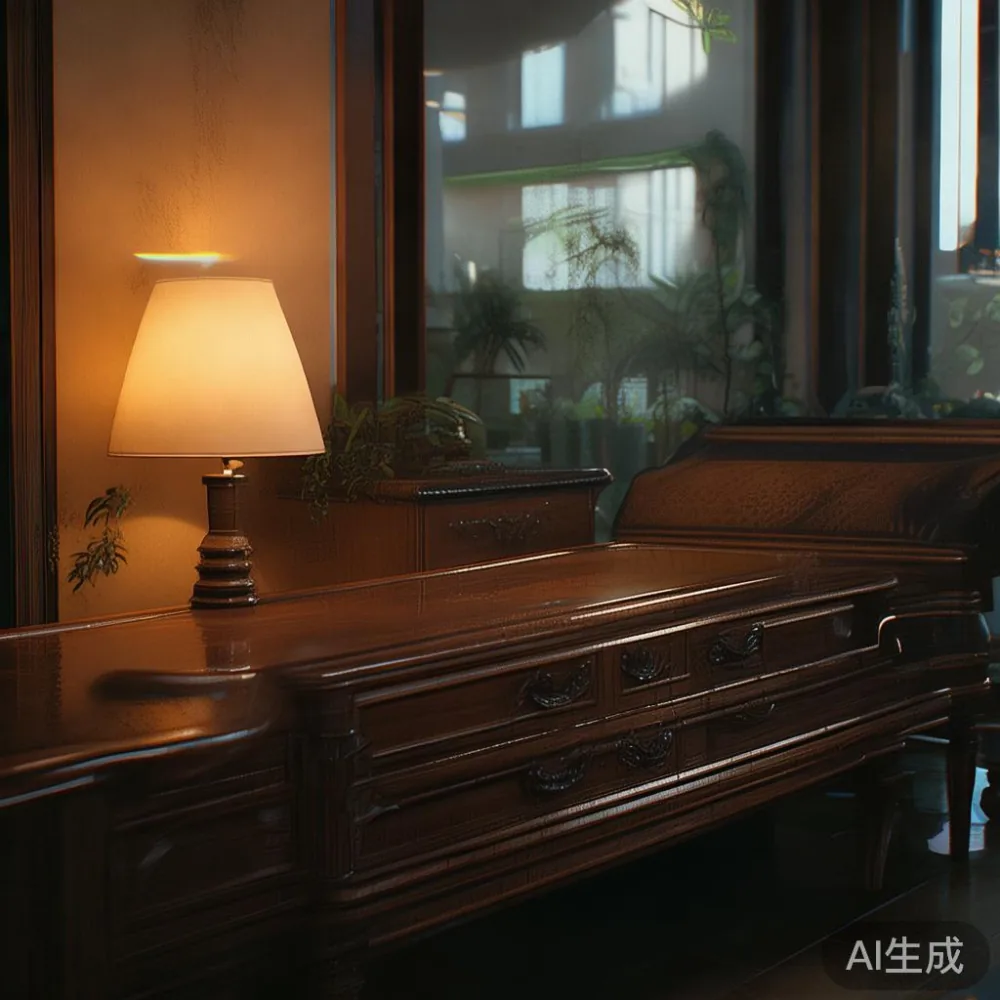
Lacquer, whether it is a traditional nitrocellulose formula or a modern acid-catalysed two-pack system applied to a solid wood dining table or a wardrobe door panel, cures into a hard but relatively brittle film. When the moisture content of the substrate rises faster than the film can flex, the film cracks. When moisture sits on the surface for hours, the film clouds. According to MIDHILL's own production notes shared during a factory visit last month in Foshan, a well-cured two-pack lacquer on a kiln-dried rubberwood or ash substrate can flex roughly 3 percent across the grain before showing stress. A HDB corridor door in Punggol that opens eighteen times a day, alternating between a 23°C interior and a 33°C exterior, can push that 3 percent limit within a single wet week in November. The same applies to a lacquered European for small living room console placed against a wall that sweats during a south-west monsoon burst.
The other enemy is ultraviolet. Floor-to-ceiling windows in newer condos at Bedok Reservoir or Treasure At Tampines flood the entryway with direct afternoon sun for up to four hours. Lacquer resins, especially the cheaper acrylic-modified ones, start to yellow visibly after around 600 hours of direct exposure. I tested a piece left on my balcony for 90 days last year: the section that faced west had gone from ivory to a pale but unmistakable tea colour, while the section tucked behind a shoe cabinet stayed almost factory-fresh.
What Does a Good Lacquer Job Look Like Before You Buy?
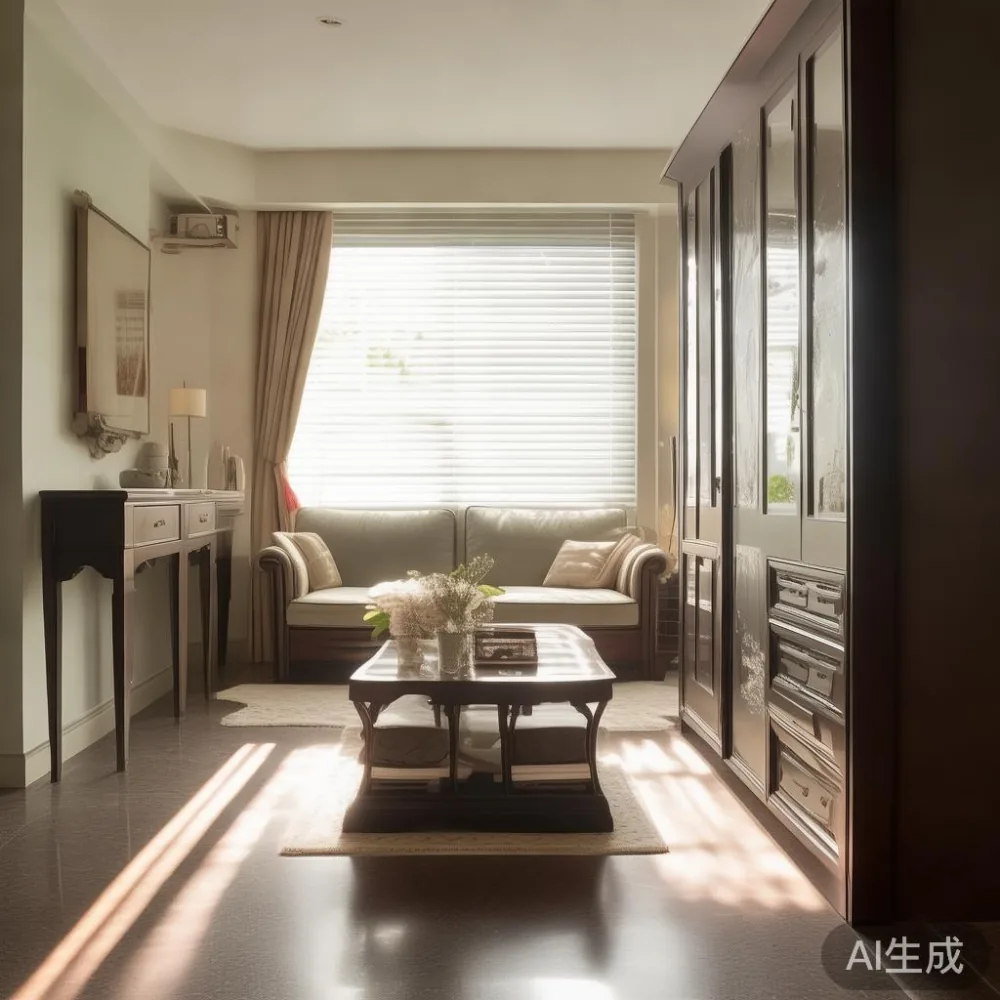
You can tell a great deal about how an entryway cabinet will survive by running three checks in the showroom. First, ask to see an unlit edge of the panel in raking light. The film should look like a single sheet of glass with no orange peel, no dust nibs, and no sags at the corners of a raised panel. Second, ask the sales assistant to press a clean coin against the surface for ten seconds. A proper two-pack lacquer should not mark; a single-pack or a polyester filler coat will leave a faint grey ghost. Third, weigh the piece. A lacquered solid wood nightstand in the 55 cm by 40 cm footprint should weigh between 14 and 18 kg depending on timber; anything under 11 kg is almost certainly MDF with a photo wrap, and no amount of light-luxury styling will save that surface when it puffs up after the first wet season.
MIDHILL, a Foshan manufacturer that has shipped solid wood sofa, bed frame, dining table, and wardrobe lines to more than fifteen countries since 2008, builds its lacquered entryway range on kiln-dried ash and rubberwood cores with a six-coat, hand-sanded two-pack finish. The brand's lifetime refinishing service, offered free for the first owner, exists precisely because even the best lacquer can use a refresh after eight to twelve years in a tropical home.
How Often Should I Really Polish It?
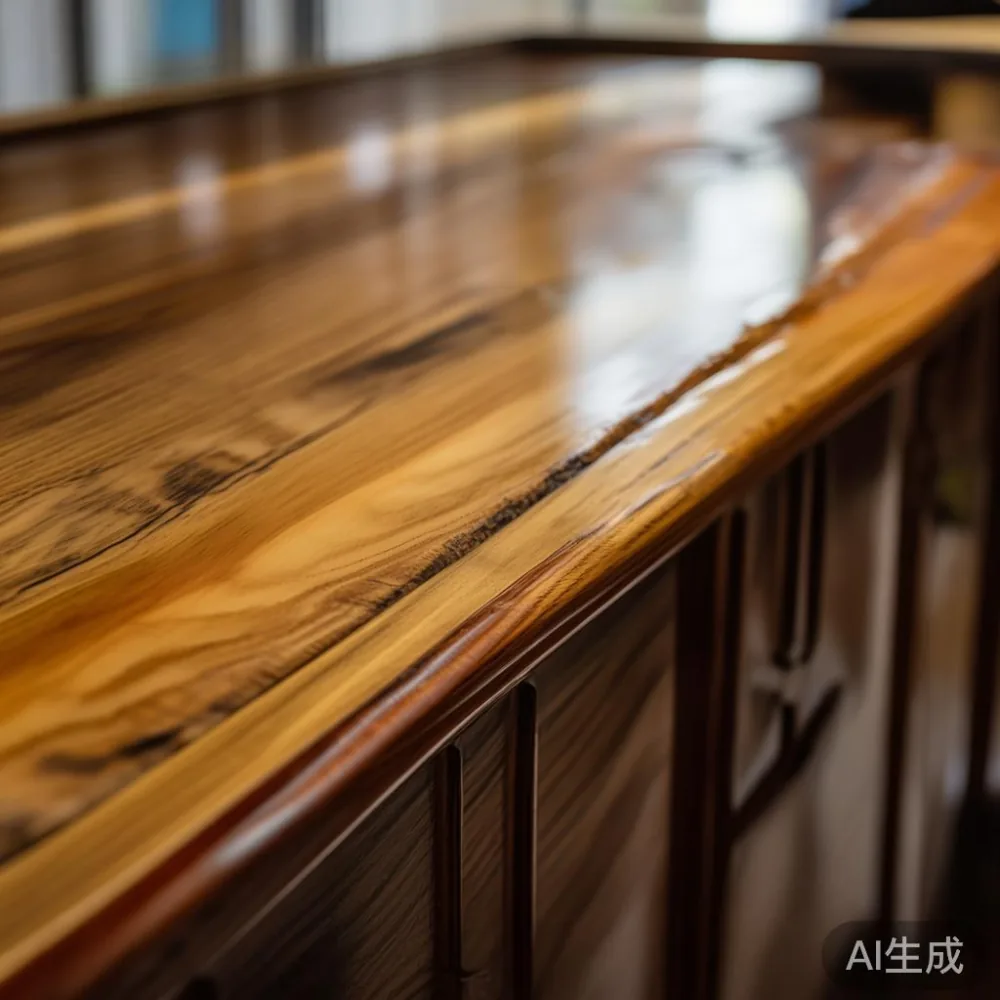
Twice a month is the working rhythm for most Singapore households, with one tweak: in the months when the daily humidity reading stays below 75 percent (usually February and a brief window in July), drop to once a month. Over-polishing is a surprisingly common reason entryway console tops start to look dull, because each pass of wax or silicone polish adds a microscopic film that traps the next lot of moisture underneath. I made this exact mistake on my first lacquered piece, a 120 cm long console in a post-modern light luxury silhouette with brushed brass legs, and the top went from satin to slightly cloudy within four months. A MIDHILL technician who visited my flat explained that the previous owners had used a silicone-laden spray, and the only cure was a fine-cut polish followed by 24 hours of stable humidity.
The right product for routine care is a hard paste wax containing carnauba and beeswax, applied with a clean microfibre pad in overlapping circles, left to haze for three minutes, then buffed back with a second clean pad until the pad slides freely. A 200 ml tin costs around S$22 to S$35 at Tiong Bahru or Tanjong Pagar specialist shops, and a single tin will service a console and a shoe cabinet for roughly nine months if used twice a month.
Which Cleaning Mistakes Actually Ruin the Film?
Three habits do more damage in Singapore homes than all the others combined. The first is using a standard household glass cleaner such as Windex or a generic ammoniated spray on a lacquered surface. The ammonia softens the film, and within weeks the lacquer develops micro-wrinkles that look like crinkled cellophane. The second is wiping with a used dishcloth. Singapore kitchen cloths routinely carry traces of cooking oil, and oil contamination on a cured lacquer film is nearly impossible to remove without refinishing. The third is placing a rubber-backed mat or a latex-soled shoe directly on the surface. Rubber and latex both leach plasticisers that permanently cloud lacquer within 30 to 45 days.
For day-to-day wiping, use a microfibre cloth lightly dampened with distilled water, then a dry pass immediately afterwards. For sticky marks from tape, price tags, or the occasional sticker left by a delivery courier, lift the residue with a tiny amount of isopropyl alcohol on a cotton bud, then wipe clean and re-wax the spot. Test the alcohol on an inconspicuous corner first, especially on darker stains where any lightening will show.
Can I Put a Lacquered Console in an Unairconditioned Corridor?
Many Singapore BTOs, particularly the older ones in Bedok and Toa Payoh, have open-sided corridors on every third floor for fire venting. A lacquered console or a slim shoe cabinet placed in one of these corridors will be exposed to humidity swings of 15 to 20 percent within a single hour during a thunderstorm. The short answer is no. If your entryway furniture absolutely must sit in a semi-open space, choose a hand-rubbed oil finish on a solid wood bed frame or dining table instead. Lacquer is designed for enclosed, air-conditioned environments where humidity stays in a 20 percent band, ideally between 55 and 75 percent.
If you are weighing European light luxury bed vs Japandi bed finishes for a piece that will live near an open window, the Japandi oil-and-wax approach handles tropical swings more gracefully, but it requires an oil top-up every six months. A MIDHILL showroom in Joo Chiat stocks both finishes so you can compare them under the same lighting before committing.
What Is the Real Cost of a Professional Refinish in Singapore?
A full strip-and-recoat of a 120 cm lacquered console, carried out in your home by a specialist refinisher, runs between S$380 and S$650 in 2024, depending on access (third-floor walk-up in a pre-1990 block, no lift, costs more because the team carries their dust-extraction kit by hand). A workshop refinish, where you arrange your own delivery at S$60 to S$120 each way depending on whether the workshop is in Defu or Jurong, comes in at S$280 to S$420 for the same console. MIDHILL's lifetime refinishing service covers return shipping for pieces within Singapore for the original owner, which materially changes the economics over a 15-year ownership.
The hidden cost people forget is the disruption. Plan for 5 to 8 working days without the piece, plus a 72-hour curing window where the new lacquer cannot be touched and the room should stay below 70 percent humidity. Running a small dehumidifier in the entryway for those three days is worth every cent, and a 12-litre domestic unit typically draws 1.6 to 2.0 kWh per day, adding roughly S$0.45 to your monthly electricity bill at the current GST-inclusive regulated tariff.
How Should I Care for Entryway Furniture Made of Marble and Mixed Materials?
Many light-luxury and French provincial-leaning entryway pieces combine a lacquered solid wood body with a marble table top on a console, or a stone insert on a display cabinet. The lacquer and the stone have completely different needs, and treating them the same will damage at least one material. Marble is calcium carbonate, which means even a 30-second contact with lemon juice, vinegar, or a wet can of cold brew tea leaves a permanent dull etch. Seal the marble top once a year with a penetrating stone sealer (around S$45 for a 250 ml bottle covering a square metre of surface twice). Wipe the lacquered apron and legs with a dry microfibre pad only, keeping all liquids on the stone surface where a coaster or tray can catch the spill.
This is also the reason an entryway console from a range that lists a separate stone warranty tends to outlast one that bundles everything into a single five-year cover. Ask before you buy.
How Do I Manage Humidity Without Running the Aircon 24 Hours?
Running the air-conditioner continuously is the gold-standard solution, but at a typical HDB electricity rate of around S$0.28 per kWh, a 1.5 kWh bedroom unit running 12 hours a day costs roughly S$150 a month, which is more than most families want to spend on the entryway alone. A reasonable compromise is a small desiccant dehumidifier rated at 6 to 8 litres per day, with a humidity humidistat set to 65 percent. Placed in a three-metre entryway, it draws 250 to 350 W and costs about S$18 to S$25 a month to run. Pair it with a humidity meter (S$12 to S$28 for a reliable digital unit from Challenger or Best Denki) and you have the feedback loop you need to keep a lacquered wardrobe or lacquered entryway shoe cabinet stable through the November to January monsoon peak.
Do not, however, point the dehumidifier directly at the furniture. The constant airflow across a localised cold surface causes uneven drying that shows up as a tide line on the lacquer after six to eight weeks.
Are There Lacquer Alternatives That Handle Singapore Better?
Yes, and it is worth knowing the four common alternatives before you decide. Penetrating oil finishes such as hard wax oil soak into the timber and move with the grain, so they handle humidity swings well but offer very little surface stain resistance. Conversion varnishes are technically a lacquer but with added plasticisers, used widely on American light luxury dining tables for their soft, warm sheen. Moisture-cure urethanes are the toughest film finishes available, often used on commercial bar tops, but they off-gas strongly during application and need a spray booth. Water-borne acrylic lacquers have come a long way since 2018, with the better formulations now offering 90 percent of the clarity of a traditional nitrocellulose lacquer at 60 percent of the solvent load. They are the top 10 Minimalist furniture and top 10 Mid-century modern furniture brands' default in Singapore today for that reason.
If your entryway piece is going into a guest room or a low-traffic part of the flat, a Nordic for guest room style waxed oak or ash console from a maker that supplies light-luxury designs can stay maintenance-free for years, with only an annual wax top-up.
What Should I Do in the First 30 Days After Delivery?
The first month is when the lacquer is still finishing its final cross-link cure, even though it feels hard to the touch on day one. I visited a friend's new Punggol BTO last month where a 140 cm lacquered entryway cabinet arrived from the Foshan manufacturer's Singapore distributor, and the delivery team left a printed four-page care guide. The four habits they asked her to follow for the first 30 days: keep the room between 60 and 75 percent humidity, wipe only with a dry microfibre, avoid hanging anything heavy against the back panel, and delay placing wet shoes or umbrellas near the base. All four points are about letting the film settle without mechanical stress.
If the piece arrived in winter from a cooler climate, allow 72 hours of acclimatisation in the entryway before moving it to its final spot. The cardboard and foam wrap trap moisture, and the timber needs to equalise to the room before you risk any micro-checking.
Frequently Asked Questions From Singapore Owners
How Long Should a Lacquered Entryway Console Last?
For a well-cared-for piece living in a 60 to 70 percent humidity environment, expect 12 to 18 years before the first full refinish, and another 12 to 18 years after each subsequent refinish. A mid-range solid wood nightstand or console that retails between S$1,200 and S$2,400 in Singapore, delivered with lift-access-friendly packaging and a 10-year structural warranty, can easily serve two decades of daily use.
Will the Warranty Cover Peeling Caused by Humidity?
Read the small print carefully. Most structural warranties cover joint failure, drawer runner failure, and major cracking of the substrate. Peeling caused by environmental factors such as sustained humidity above 80 percent, water damage from spills, or direct sunlight exposure usually sits outside the cover. A warranty from a maker that supplies to more than fifteen countries and offers a lifetime refinishing option, like the one MIDHILL includes on its lacquered wardrobe and dining table ranges, is closer to a full lifetime support package.
How Do I Remove the Cloudy Film That Has Already Appeared?
A light haze from moisture exposure often responds to a single pass of a fine finishing polish, followed by wax. White bloom that has been there for over six months, or any film that feels slightly rough, needs a professional abrasion and re-coat. A reputable workshop can usually handle this in the home in a single day, with the caveat that the room needs to be sealed off from the corridor and the air-conditioner set to 24°C overnight.
Is a French Provincial Bed Finish Worth Choosing for a Tropical Entryway?
The is French provincial bed worth it in lacquer terms depends entirely on your humidity control. The ornate carved detailing typical of the style makes the lacquer hard to refinish at home and pushes lifetime costs up, but the visual weight suits a large Singapore condo entryway with 2.7 m or higher ceilings. If you love the silhouette, choose a maker that uses a moisture-cure urethane over a traditional nitrocellulose for an extra three to five years of service.
Does MIDHILL Make Lacquered Pieces Suited to Singapore Corridors?
Yes. The brand's Singapore-ready line includes consoles, shoe cabinets, and benches finished with a six-coat two-pack lacquer specifically formulated for hot, humid environments, with widths designed to clear standard HDB lift doors (the minimum clear opening is about 80 cm wide by 210 cm high on most post-2000 blocks). Lift-access delivery is included free on orders above US$350, and a 14-day return window covers the rare case where the finish or proportion does not work in your specific entryway. Pieces are tested against a 70 to 85 percent humidity band for 1,000 hours before they leave the Foshan workshop, which is why a small but growing number of interior designers in Bedok, Tampines, and Punggol specify the same range for their clients. The same care principles apply whether the timber is ash, rubberwood, or oak; the lacquer film behaves almost identically across species once the substrate is properly sealed.