Lacquered Entryway Furniture Care in Tropical Climates
Lacquer can give an entryway console, shoe cabinet, or bench a calm, reflective finish, but Singapore’s heat, humidity, UV exposure, and salty air call for a deliberate care routine. HDB flats and condos also place practical limits on entryway furniture: a bench may need to fit beside an HDB front door, a narrow cabinet may stand in a common corridor, and a larger console may have to pass through a lift before reaching a Tampines, Bedok, or Punggol home.
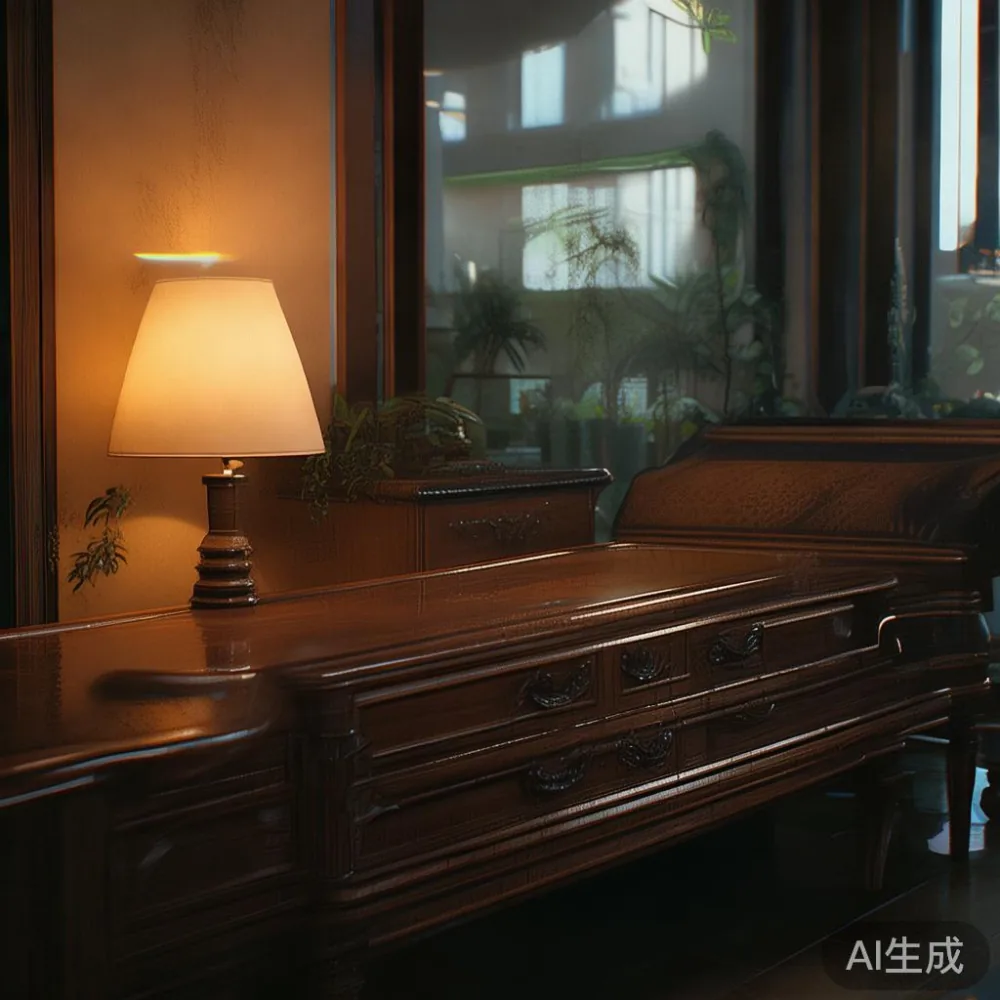
This guide explains how to protect lacquered surfaces without stripping away their depth. I last month visited a customer’s Punggol condo with my colleague to inspect a lacquered console that had developed pale marks near its lower rear corner. The cause was not ordinary use: a damp mop repeatedly touched the wall-side plinth while the household air conditioner was switched off during the afternoon. After we moved the console 12 cm away from the wall, wiped it with a lightly damp microfibre cloth, and began controlling condensation, the finish recovered within 48 hours. That visit changed how I think about lacquer care in Singapore: humidity control and installation details matter just as much as the product used on the surface.
What makes lacquered entryway furniture vulnerable in Singapore?
Lacquer is a cured surface coating applied over wood or another prepared substrate. It can look glossy, satin, or softly textured, yet microscopic scratches and changes in moisture can still affect its appearance. Singapore’s year-round relative humidity commonly sits around 70–85%, while afternoon temperatures near an unsheltered HDB corridor can reach 31–33°C. A door opening onto a wet landing can also introduce a quick moisture shift that a solid wood sofa or dining table would not normally face in the same concentrated area.
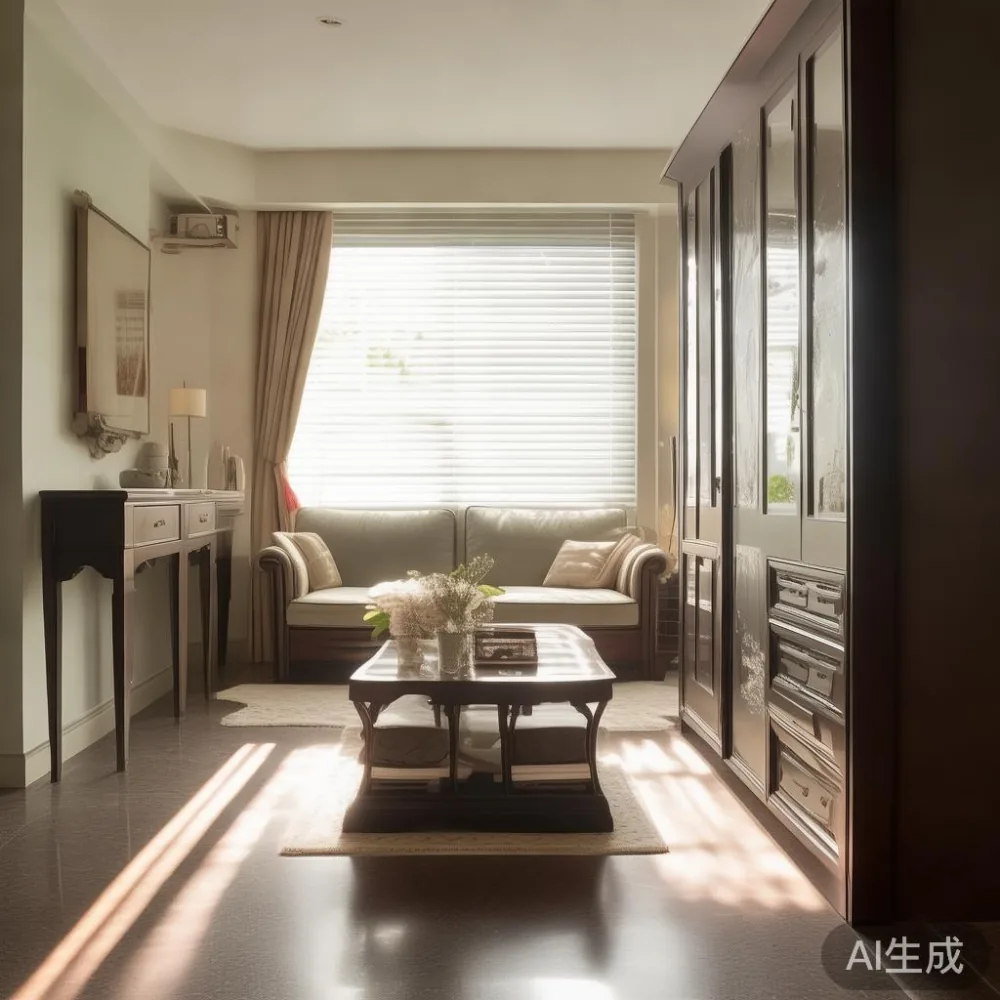
The 3–5 minute exposure that occurs whenever a resident steps through the front door is not itself a serious problem. Repeated condensation, direct sunlight, and trapped dust are more troublesome. For lacquered entryway furniture, position the piece at least 10–15 cm from an exterior wall where the layout permits, and at least 20 cm from a laundry-drying zone or air-conditioner drip edge. Do not place it directly beneath a ceiling light that emits strong heat. A UV-filtering film can reduce fading on a window-facing unit, while sheer curtains help limit direct exposure without blocking airflow.
Singapore’s lift and corridor dimensions deserve attention before delivery. A common residential lift internal width may be around 900–1,100 mm, with a door width of about 800–900 mm, although building-specific measurements vary. A lacquered console measuring 120 × 40 × 80 cm must fit through the lift door, turn through the corridor, and clear the home entrance. Measure the narrowest point, including handles and packaging, and add 5–10 cm of clearance. The same discipline applies when selecting a narrow shoe cabinet for an HDB flat: depth under 30 cm can preserve a passage, while a height below 100 cm may fit below a loft or beside a utility shelf.
How should I clean a lacquered console without damaging the finish?
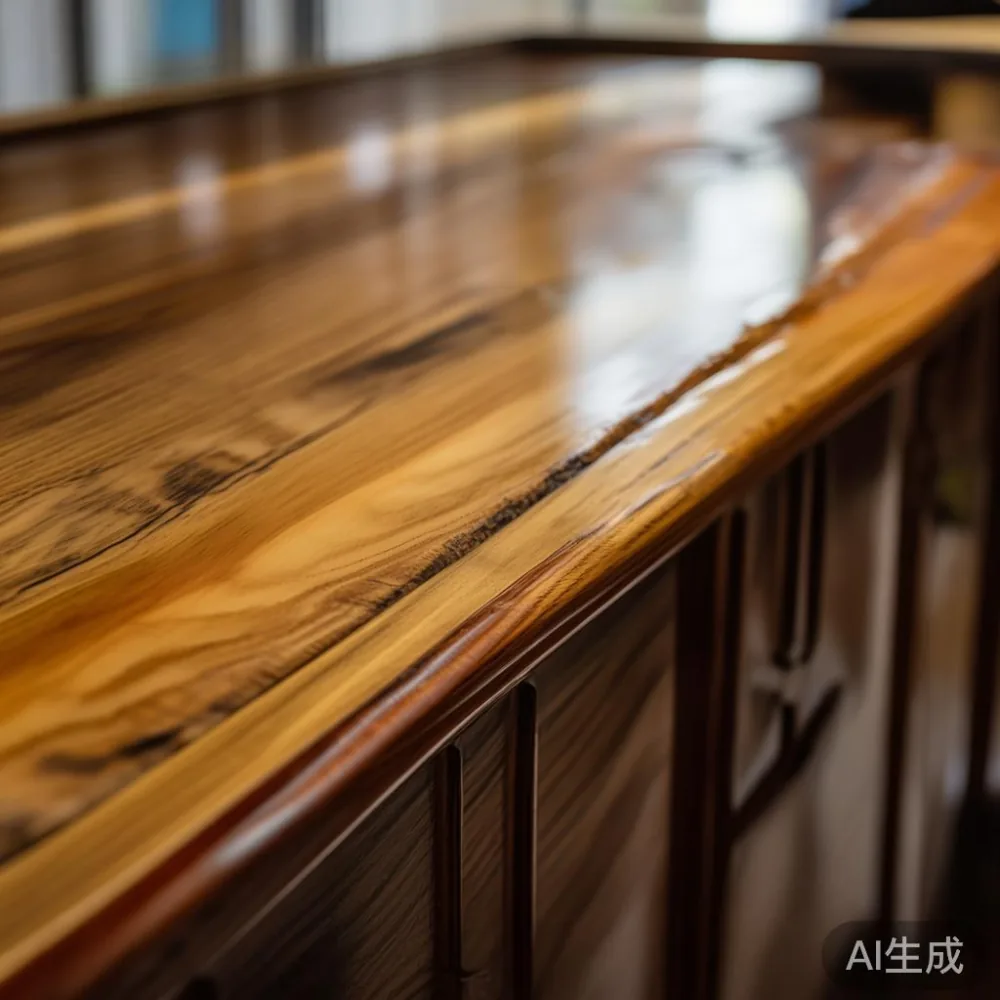
Begin with dust removal rather than liquid cleaning. Use a clean, dry microfibre cloth and move lightly along the grain or in the direction of the coating. Avoid circular scrubbing, which can create hazy swirl marks. For weekly maintenance, a cloth barely dampened with plain water is usually enough. Wring it until no water droplets leave the cloth, and test an inconspicuous 5 × 5 cm area first.
Use pH-neutral soap only when a mark does not come away with water. Mix about 5 ml of mild detergent into 500 ml of lukewarm water, dampen the cloth rather than the furniture, and wipe once. Immediately follow with a second clean, damp cloth to remove residue, then dry with a soft cloth. A child’s rubber-marker line, for example, can be addressed with this method if treated promptly; do not leave solvent on lacquer for more than a few seconds.
Never use ammonia, bleach, vinegar in strength, abrasive pads, steel wool, or alkaline cleaners. Avoid alcohol and paint thinner unless the lacquer manufacturer specifically permits them. Lacquer formulations differ, so the care instructions supplied with the piece should take priority over general advice. If the surface begins to feel tacky, dull unevenly, or lift at an edge, stop using DIY solvents. Arrange an assessment, especially if the piece is less than 2 years old and still covered by MIDHILL’s 10-year structural warranty.
How do I control humidity around an entryway cabinet?
Moisture control starts with air movement. If the entryway has no opening, run a dehumidifier nearby or keep the home air conditioner operating with a sensible target of 26–28°C and 55–65% relative humidity where the equipment’s controls allow. The goal is stability, not chasing a single reading with extreme settings. A cabinet door should be opened and closed normally, but a heavy-duty plastic sheet taped to the back wall can trap condensation against lacquer and should be removed.
Check the area beneath a console every 7 days. A dry floor does not guarantee that the rear edge is dry because the cabinet can wick moisture from a cool wall. If the floor is safe to wipe, dry the area immediately. Cork or rubber isolator pads can raise the base by 1–2 cm, improving airflow beneath the unit; they should not lift a tall cabinet so far that it becomes unstable. Use wall anchoring where the furniture exceeds 30 kg or stands above 150 cm tall.
Cleaning frequency should reflect actual conditions. During monsoon periods, inspect weekly. In drier periods, twice a month may be sufficient. A small colourless moisture meter, often available for SGD 20–40, can help identify damp patches, though it should not replace visual checks. Do not place wet umbrellas, laundry, or drinks on lacquered entryway furniture. Provide a separate 20 × 25 cm tray near the door, and empty it every 1–2 days. This simple habit protects both the finish and the floor beneath.
Does sunlight cause lacquer to fade or yellow?
Yes. Repeated UV exposure can alter pigments and make a clear lacquer look uneven, particularly in lacquered wood with warm brown, cream, or black tones. A console positioned beside a west-facing condo window may receive 2–4 hours of direct late-afternoon sun, while a sheltered HDB corridor may receive much less. Record the strongest light exposure over 1 day and compare it with the finish every 3 months under consistent indoor lighting.
Rotate freestanding pieces only when their construction and fixing method allow it. For fixed units, use curtains, blinds, or UV film. Keep fresh flowers and plants off the surface, because petals can leave acidic residues and wet soil can introduce moisture. A ceramic vase with a waterproof liner is preferable to an open glass container. Coasters should be at least 2 cm larger than the vessel base and should not have rough exposed edges.
Colour change is not always damage. Warm lacquer can develop an amber cast, while a pale finish may appear cooler under daylight. If a mark affects only one part of the panel, inspect for cleaning residue or moisture before assuming the pigment has changed. MIDHILL offers lifetime refinishing for eligible pieces, which is helpful for long-term wear, but lacquer should still receive preventive care. Refinishing is not a reason to expose the furniture to sun, heat, or moisture.
How can I prevent scratches and marks during daily use?
Prevent scratches by treating the lacquered surface as a working area. Place keys, access cards, and loose tools in a 15 × 15 cm tray rather than directly on the console. Use felt pads under decorative objects, replacing them every 6–12 months as they compress or collect grit. For shoes, choose a cabinet with a lined interior and a soft shelf rather than laying footwear on a lacquered top.
When moving a piece, lift it rather than dragging it. Two adults should support a cabinet weighing more than 35 kg. If a scratch catches a fingernail, avoid rubbing it because that can enlarge the damaged area. A clean soft cloth and diluted pH-neutral cleaner may remove superficial residue, but a deep score requires professional assessment. Photograph the damage under natural and artificial light at 20–30 cm distance; this record can distinguish a fresh impact from general wear.
Protect corners during delivery. Add 2–3 cm of foam wrapping, 5 mm of corner protection, and a cardboard layer over the lacquer. Do not apply tape directly to the finish; adhesive can lift coatings when removed. For customers in Singapore, MIDHILL provides free shipping on orders above US$350, but the furniture still needs careful handling after arrival. Check the package within 24 hours of delivery and retain the protective covering for at least 14 days, the standard return window.
What should I do if the lacquer turns sticky, cracks, or peels?
A sticky patch may indicate trapped moisture, residue, or a coating that needs professional attention. Move the unit away from the source, switch off direct heat, and allow air to circulate for 24–48 hours. Do not sand, scrape, or apply household oil. Oils can temporarily disguise the mark but may contaminate the surface and complicate future refinishing.
Cracks and peeling need a closer inspection. Look at the underside, rear edge, and corners under a 10× magnifier. Note when the issue began, whether the area feels damp, and whether the furniture has recently been moved. If the lacquer separates from the substrate across more than 2 cm, or the wood beneath is visibly swollen, contact the maker promptly with photographs and measurements. A 10-year structural warranty supports manufacturing confidence, but surface-coating claims should be reported early rather than after applying several cleaning products.
For an HDB flat, temporary relocation may create a new risk if the piece is moved into a laundry area. Choose a dry, ventilated room and place protective pads beneath all feet. For a condo, the building management may require booking a service lift or protective route. Moving a lacquered console through a 900 mm lift door may require removing a shelf or detaching the top; do not force a joint if the lacquer is already lifting.
How does lacquer fit into a light-luxury home without looking high-maintenance?
Light luxury depends on proportion, texture, and restraint rather than heavy ornament. Lacquered entryway furniture works well when it has a quiet profile, slim hardware, and enough negative space around it. French light luxury often favours cream, taupe, and reflective surfaces, while American light luxury uses warm timber, rounded forms, and dark metal accents. Post-modern light luxury can pair a restrained lacquered console with warmer solid wood elements.
A search for under 2000 Post-modern furniture may lead to broad statements, but the room itself should remain coherent. Pair a 120 cm lacquered console with one ceramic vessel, a 15 cm stack of books, and a single framed print rather than filling every surface. Ensure the console is at least 20 cm narrower than the wall niche when possible, so it reads as part of the architecture.
Nearby furniture should relate without matching exactly. A nordic light luxury sofa can introduce pale textiles in the living room beyond the entryway, while a solid wood dining table and lacquered cabinet create a gentle material contrast. If the home also includes a marble table, keep coasters and waterproof liners ready because acidic liquids can etch marble, and maintain the same habit of protecting lacquer. The broader question of how to style light luxury wardrobe in bedroom is separate from entry placement, but the principle is consistent: fewer objects, coordinated finishes, and clear working zones.
For apartments, European light luxury for apartment layouts often works through vertical balance and visual continuity. A 180–200 cm lacquered mirror cabinet or slender console can make a compact foyer feel ordered. The entryway furniture should remain light enough in visual tone for a 700–900 sq ft HDB flat and substantial enough in quality for a larger condo. Material honesty is more convincing than decorative excess.
Modern light luxury for office studies can also borrow from entryway principles: concealed storage, warm timber, and surfaces that withstand frequent contact. A lacquered document cabinet can sit beside a desk, provided it is not against an air-conditioner condensate pipe. A European light luxury bed vs Japandi bed comparison may focus on the bedroom, but both approaches benefit from wood protected from climate swings. Keep a solid wood bed frame and a wardrobe away from direct airflow, and use a nightstand for lamps that produce heat rather than crowding it beside lacquer.
What is the practical care calendar for a lacquered entryway unit?
Each day, wipe away grit with a dry microfibre cloth and keep wet items off the surface. Each week, inspect beneath the furniture and around the wall junction, especially during heavy rain. Every 2 weeks in humid periods, clean with a lightly damp cloth; every 4 weeks in drier periods. Every 3 months, check for fading, scratches, sticky patches, and loose joints under consistent lighting. Every 6–12 months, renew felt pads and clean nearby vents so airflow is not restricted.
Check the lacquer around handles, under keys, and along the floor-facing edge after any renovation. Paint or lime dust near an entryway can become abrasive when dragged. A doorbell contractor, cleaner, or delivery worker may brush against the furniture; covering the nearest 30 cm of wall with a washable mat during work can reduce scuffs. Make sure any mat remains below the furniture base or it may create a damp trap.
Budget for replacement accessories rather than aggressive surface treatment. Felt pads may cost SGD 3–12 per set, microfibre cloths around SGD 5–15, and a small moisture meter roughly SGD 20–40. Allow 20–30 minutes for a careful monthly inspection and 10 minutes each week for wiping. If the unit is difficult to access or has a built-in power supply nearby, professional cleaning every 12 months may be more sensible.
For delivery, obtain an exact delivery window in Singapore and prepare the route at least 24 hours beforehand. Confirm whether the lift booking is arranged, reserve the service lift if required by the condo, and remove obstacles from the corridor. After the furniture arrives, carry it into position without dragging it, level the feet, and leave a 10–15 cm ventilation gap from the wall. Photograph the lacquer from 4 angles within 24 hours. Keep these images with the order record for the 14-day returns period and any later structural or surface inquiry.
Lacquered entryway furniture can remain elegant in a tropical home when moisture is managed, sunlight is moderated, and small habits are maintained. The goal is not a showroom finish forever; it is a surface that continues to function as the family’s landing place without looking neglected.