Matching Entryway Furniture for a Minimalist Home
A warm minimal entryway feels calm rather than empty. It needs a clear landing place, enough storage for daily objects, and furniture that softens the journey from a Singapore corridor or shared lift into the home. The proportions matter: many HDB entrance zones are compact, while condo foyers may have generous width but several doors converging in the same area.
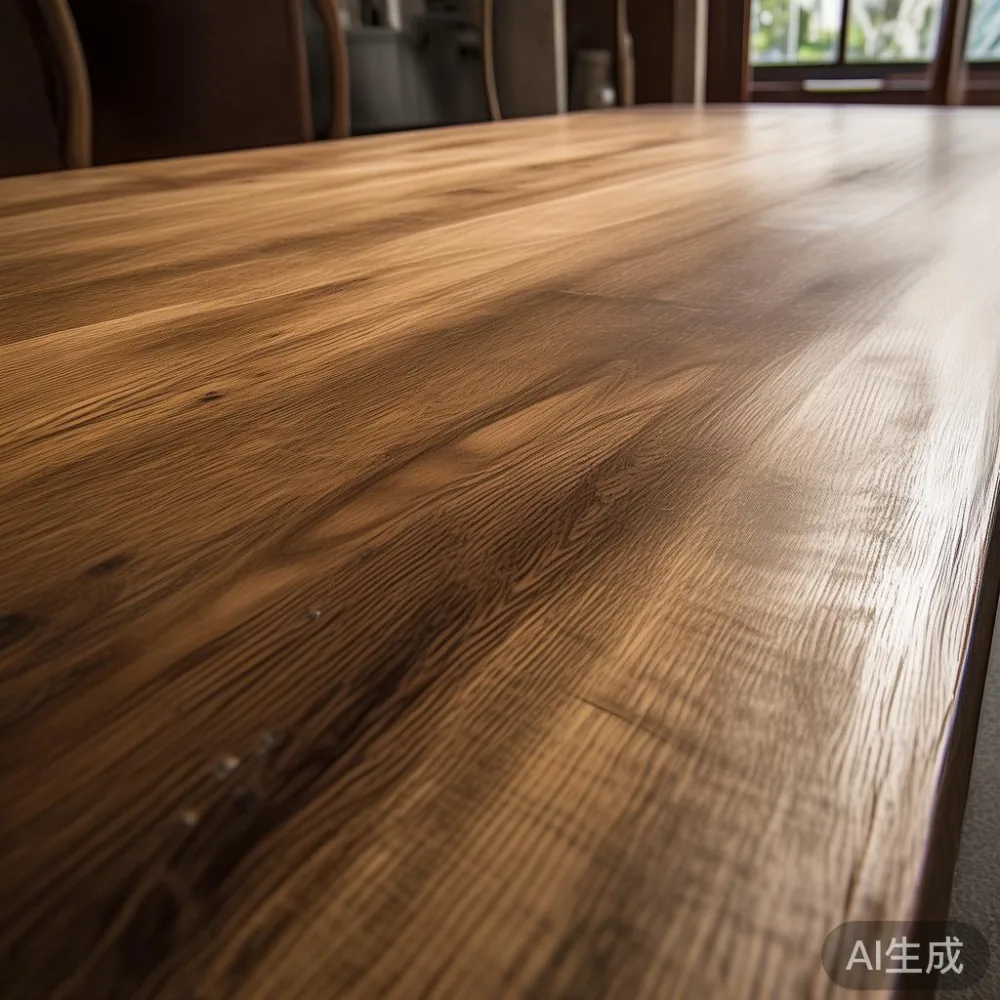
MIDHILL designs solid wood pieces around practical dimensions and enduring materials, so entryway furniture can sit comfortably within that mix of restraint and warmth. A slim console, compact bench, narrow cabinet, or thoughtfully proportioned mirror can make the area feel composed without blocking circulation.
What makes warm minimal entryway furniture work in a Singapore home?
Warm minimalism uses a limited palette, clean outlines, and tactile materials. Pale oak, honey oak, walnut, and light ash create warmth; matte black, brushed brass, or muted bronze add contrast. The furniture should usually carry one dominant material rather than several competing finishes.
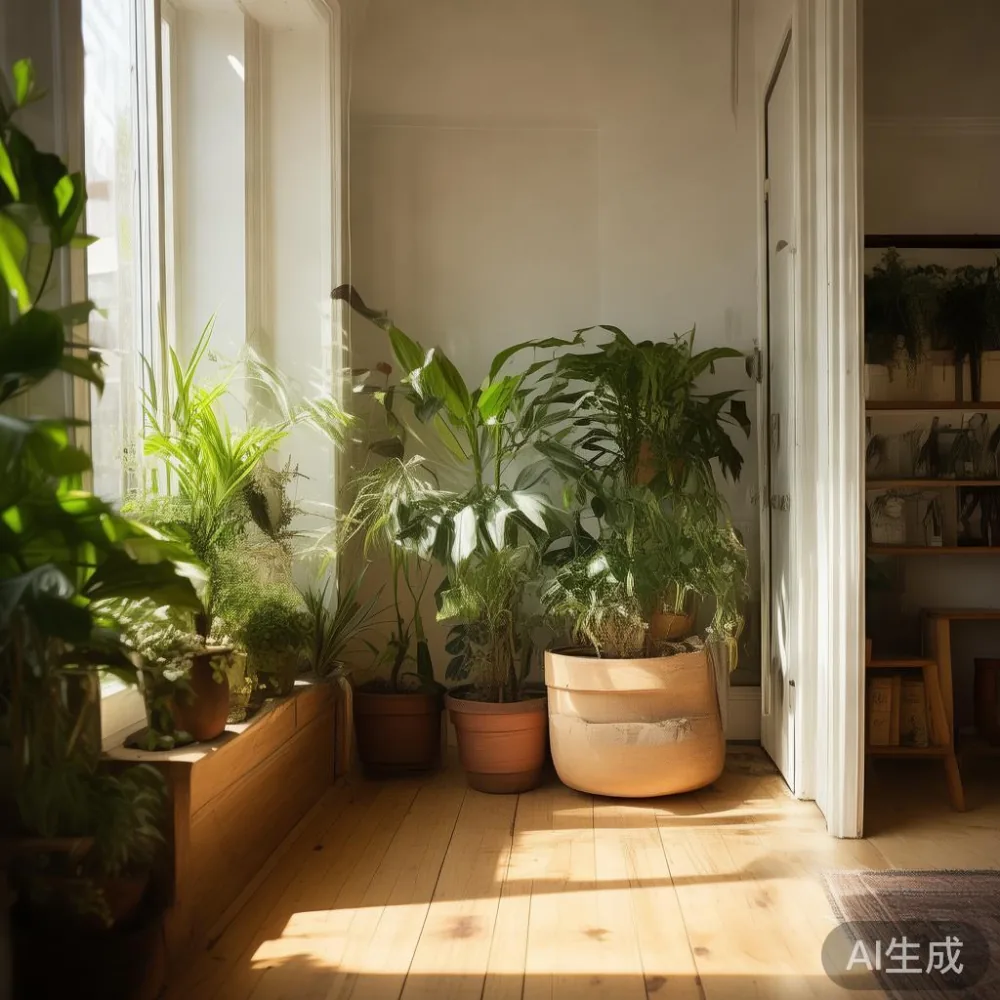
Start with the entrance dimensions. Measure the corridor width, lift doorway, door swing, and the clear space beside the shoe cabinet. In many Tampines, Bedok, and Punggol homes, an open shoe rack between 80 cm and 120 cm wide offers enough capacity without projecting too far into the passage. Leave at least 90 cm of clear passage where residents must pass one another, and avoid placing a bench within the door swing.
Storage should handle the items that accumulate before entering the home: shoes, tote bags, keys, masks, parcels, and a charging cable. A cabinet with 2 closed drawers and 1 open shelf often works better than a purely decorative console. Choose a depth of 30–35 cm for a slim unit, allowing approximately 15–20 cm for most pairs of shoes. Taller shoes need a different compartment, so measure before buying.
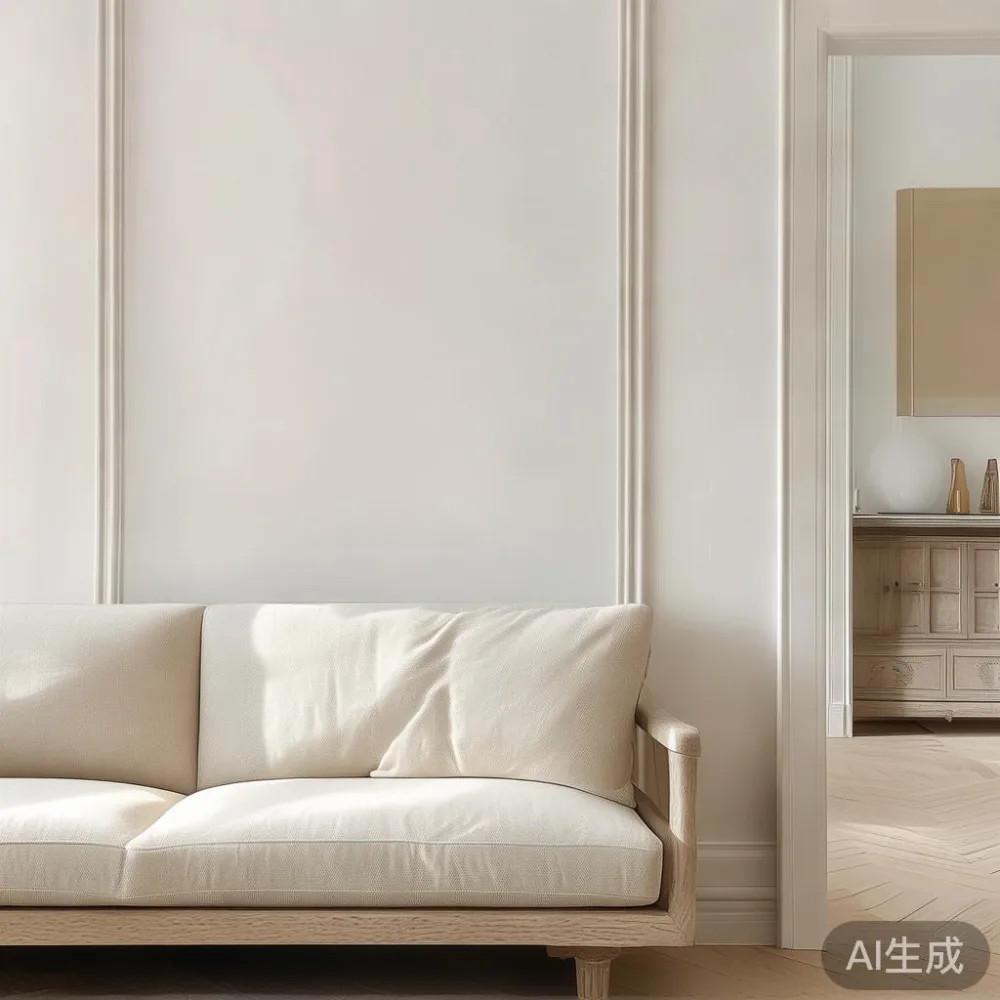
For a warmer effect, add one textile layer, such as a wool runner measuring 160 cm by 60 cm or a small runner 120 cm by 45 cm if space is tight. Keep the texture simple. One patterned object is enough; several busy cushions can make a minimal entryway feel crowded.
How wide should an entryway cabinet be?
Width should follow the available wall, not a standard showroom assumption. A 90 cm cabinet suits many condominium and HDB entrance recesses, while a 120 cm unit provides more storage for shared family use. A 60 cm cabinet can work in a narrow apartment corner, but it may hold only 10–12 pairs of shoes unless arranged vertically.
Measure from the nearest fixed object, such as a door frame, electrical panel, or wall corner. Do not assume the unit will fit simply because its nominal width is correct. Account for 2–3 cm of side clearance for alignment and ventilation, and check whether the delivery route includes a turn at the flat entrance.
Height also affects the impression of the room. A cabinet between 85 cm and 110 cm tall gives the entryway a grounded anchor without blocking sightlines. A lower bench around 45 cm high is useful for putting on shoes, but it needs a nearby shoe tray or shelf. In a compact space, a 75–90 cm tall slim cabinet often balances storage and openness more effectively than a bulky floor-standing unit.
Lift access deserves a separate check. A common residential lift interior may measure roughly 140 cm deep and 110 cm wide, but older buildings and service lifts can differ. Confirm the package dimensions before delivery. For entryway furniture longer than 120 cm, protective blanket wrapping and a two-person carry are sensible; for a solid wood piece over 40 kg, ask the supplier whether stair delivery is available.
Which wood finish suits warm minimal interiors?
Warm minimal interiors are not limited to dark walnut or pale Scandinavian oak. The right finish depends on the floor, wall colour, daylight, and nearby furniture. If the existing sofa or dining table is medium-toned, choose a slightly lighter entryway finish. If the room already has pale flooring and white walls, a warm walnut or smoked oak can add definition.
Natural oak usually complements warm minimal settings because its grain introduces variation without demanding attention. A clear matte finish works well in humid climates and hides small marks better than a high-gloss surface. Walnut provides stronger contrast and pairs naturally with black hardware, cream walls, and brass lighting.
Keep the finish direction consistent. If the solid wood sofa frame, bed frame, or dining table has vertical grain, a cabinet with vertical grain can create a calm visual rhythm. Horizontal grain can make a narrow console feel wider. I tested this principle last month in a Bedok condo: the same 100 cm console looked larger with a horizontal oak grain, while a darker vertical-grain version made the wall appear closer.
Light-luxury styling can come from restrained detail rather than decoration. French light luxury might suggest pale oak, curved corners, linen texture, and aged brass. American light luxury often uses cleaner lines, warm cream upholstery, and tailored proportions. Post-modern light luxury can introduce a single oval mirror or asymmetric cabinet, provided the rest of the entryway remains simple.
Can a bench and console share a small entrance?
Yes, if the footprint is planned carefully. A bench with a depth of 32–38 cm can sit against one wall, while a slim console of 25–30 cm depth can occupy the opposite side only where the passage remains at least 90 cm wide. In a very compact HDB entrance, choose one multifunctional piece rather than forcing both into the area.
A bench is useful where family members remove shoes, but it should not become a storage bin with visible clutter. Select a seat 38–45 cm high, leave 10–15 cm below for ventilation, and place a tray on top for keys. A bench made from solid wood can be durable, yet a padded seat should use a removable washable cover rather than permanent pale fabric.
A console works well when the family prefers standing or hanging storage. Keep its top between 30 cm and 35 cm deep for a vase, small lamp, or ceramic bowl. Avoid a large centrepiece that blocks the view toward the interior. A single lamp with a 25–35 cm shade can create a soft evening glow, but warm-minimal interiors benefit from one lighting layer instead of several competing sources.
Mirrors should be proportioned to the wall, not simply centred by habit. A mirror 60 cm wide by 140 cm high can visually lengthen a narrow entrance, while a round mirror with a 70 cm diameter softens a rectangular corridor. Secure wall-mounted mirrors with appropriate anchors; a 5–7 kg mirror should not rely on adhesive hooks alone.
What if the entryway has no natural light?
Many Singapore corridors and internal condo foyers receive artificial light only. Warm minimal design works there when materials remain visible and the illumination is layered. A 2700K wall light, a small table lamp, or a motion-activated light can make wood grain feel warmer without making the area look yellow.
Use a light-coloured wall behind dark wood, or a warm wall behind pale wood. Avoid placing a black cabinet against a black door unless the outlines are intentionally clear. A slim brass or bronze pull adds warmth to an otherwise plain face, while matte black hardware gives a sharper, more contemporary finish.
For a flat entrance, practical lighting should reach the shoe area at approximately 150–300 lux. That is enough for finding keys or checking a parcel without creating glare. Choose a fixture with a wide beam rather than a narrow spotlight. Add a small night light near the floor if children or older residents use the space after sunset.
Parcels have become a visible part of daily entry routines. A 25–30 cm wide open shelf can temporarily hold a small box, but it should not become a permanent drop zone. For larger deliveries, keep the entrance clear and place a designated parcel table near the dining area or living room instead.
How do I coordinate entryway furniture with the rest of the home?
Repeat one visual cue, not every item. If the interior contains a solid wood sofa in oatmeal fabric, echo its warm tone in the entryway bench or console. If the bed frame is walnut, a walnut cabinet can connect the entrance to the bedroom. If the dining table is pale oak, matching the console top will make the home feel continuous.
Do not force identical furniture into every room. Entryway furniture has a different job from a solid wood sofa, bed frame, dining table, wardrobe, nightstand, or marble table. The entrance should carry the home’s material language while remaining lighter in scale. A marble table may be appropriate in the dining zone, but a marble console in a narrow entryway can feel cold and hard to maintain.
For a coordinated look, choose 3 colours across the entryway: 1 wall colour, 1 wood tone, and 1 accent. The accent might be charcoal, sage, rust, or muted brass. Keep the accent below 20% of the visible area. This proportion is helpful in small spaces because one strong colour gives personality without making the entrance feel crowded.
French light luxury styling can use a linen runner, pale timber, and a rounded mirror. American light luxury can use a tailored bench, straight-edged cabinet, and warm neutral paint. Post-modern light luxury can use one unusual shape, such as a semicircular console or oval mirror, balanced by rectilinear storage.
Is a narrow console practical for daily family use?
A narrow console is practical when the items stored are small and the surrounding wall is clear. A 90 cm by 30 cm model can hold a lamp, bowl, letter tray, and charging cable while leaving the surface uncluttered. If the console is only 25 cm deep, avoid heavy glass vases that could tip near the edge.
Look for a stable construction method and a wall-anchoring option. Solid wood provides a substantial feel, but weight alone is not the only consideration. Drawer runners should operate smoothly, and the cabinet should be positioned so a fully open drawer does not hit a door or the opposite wall.
For a family of 3–4, allocate approximately 15–20 pairs of shoe space where possible. Adjustable shelves are more useful than fixed compartments, and a closed lower section keeps visual noise low. For temporary parcel storage, add a removable woven basket rather than permanent open shelving.
MIDHILL offers a 10-year structural warranty on its solid wood products, and selected pieces can be refinished over their lifetime. That longevity makes a practical console attractive for Singapore homes, where humidity, frequent use, and occasional scuffs need to be considered. Confirm the exact finish, dimensions, delivery terms, and warranty coverage before ordering.
How much should warm minimal entryway furniture cost in SGD?
Entryway furniture prices vary with material, size, construction, finish, and hardware. A compact solid wood console may fall around SGD 480–SGD 1,200, while a larger cabinet with drawers and adjustable storage may range from SGD 900–SGD 2,200. A solid wood bench can commonly sit between SGD 350 and SGD 1,000, depending on the seat design and finish.
Budget approximately SGD 80–SGD 250 for a quality runner, SGD 25–SGD 90 for a small tray, and SGD 90–SGD 350 for a wall light. Delivery, installation, and GST may appear separately or as part of the displayed price, so compare the final checkout total. Free shipping over US$350 is listed for MIDHILL orders, but local Singapore delivery arrangements should still be confirmed.
For buyers researching broader terms, a search for for sale Nordic furniture can help identify pale wood, simple silhouettes, and restrained hardware. Just as important is a search for the best Japanese wardrobe for 2026 when a bedroom needs coordinated storage, but the entrance should not be filled with a full-height wardrobe unless the space truly supports it. A closed 90 cm entry cabinet can achieve a similar visual effect in a more suitable footprint.
Some shoppers ask whether Italian light luxury wardrobe worth it is a sensible purchase. The answer depends on fit, joinery, finish, and daily storage needs rather than nationality alone. A solid wood construction, smooth movement, and dimensions suited to the room matter more than a label. Apply the same logic to an entryway: check clearances, wall fixing, delivery route, and maintenance before paying for decorative detail.
How do I deliver and install a narrow cabinet safely?
Measure the whole route before confirming delivery: the flat door, corridor turns, lift width and depth, stairs, and any tight corners. Record the narrowest point rather than relying on the building plan. Allow extra room for the carton, wrapping, and the installer’s hands.
Most standard deliveries arrive within 3–7 business days after dispatch, although remote areas, peak periods, or custom finishes can extend the schedule to 10–14 days. A 14-day return window can provide useful protection if the cabinet arrives with an unexpected finish or a dimension that was misread, subject to the stated return conditions.
Protect the floor during unpacking. A moving blanket and cardboard sheet should be placed beneath the package, and the cabinet should be lifted rather than dragged. For units above 35–40 kg, use two people. If assembly is required, fit adjustable feet before placing the cabinet against the wall, then check that drawers open evenly.
What is the simplest recipe for a warm minimal entryway?
Choose 1 anchor piece, 1 soft layer, and 1 practical light. A 100–120 cm solid wood cabinet can serve as the anchor, a 160 cm by 60 cm runner can soften the floor, and a warm wall light can guide movement through the space. Add only 2–3 objects on the cabinet, such as a ceramic bowl, framed key holder, or small plant.
Keep 90 cm of clear passage where possible, keep the door swing unobstructed, and leave enough room for shoes to be removed. The warm effect comes from natural grain, tactile fabric, balanced lighting, and restrained colour—not from filling the entrance with furniture.
For a bedroom, a search for how to style European light luxury bed in room can inform the wider material scheme, while a Modern light luxury bed may establish a pale timber or upholstered tone that the entryway can echo. Keep those references in mind, but select entryway furniture according to its own measurements and daily function.
A warm minimal entrance should feel welcoming within the first 10 seconds of arriving home. When the scale, wood finish, storage, and lighting agree, the home appears calmer before a single decorative object is added.