How to Choose the Right Size Entryway Furniture for a Singapore HDB Living Room
Last month I visited my colleague Priya in her 4-room HDB flat in Tampines, and the first thing she asked me was how to fit a proper entryway furniture set into a corridor that she could barely walk down with two grocery bags. Her front door opens directly into a 2.4 metre wide living strip, and the lift on her floor measured 1.1 m deep by 1.4 m wide, which is the standard for newer BTOs in Punggol and Bedok. Priya had already measured twice and ordered a console table that was 35 cm too long. The delivery men could not get it past the lift door, and she paid a S$60 redelivery fee to send it back. That afternoon, we sat on her solid wood sofa with a tape measure and a notebook, and worked out the real numbers. This article shares what we figured out, so you do not pay the same S$60 she did.
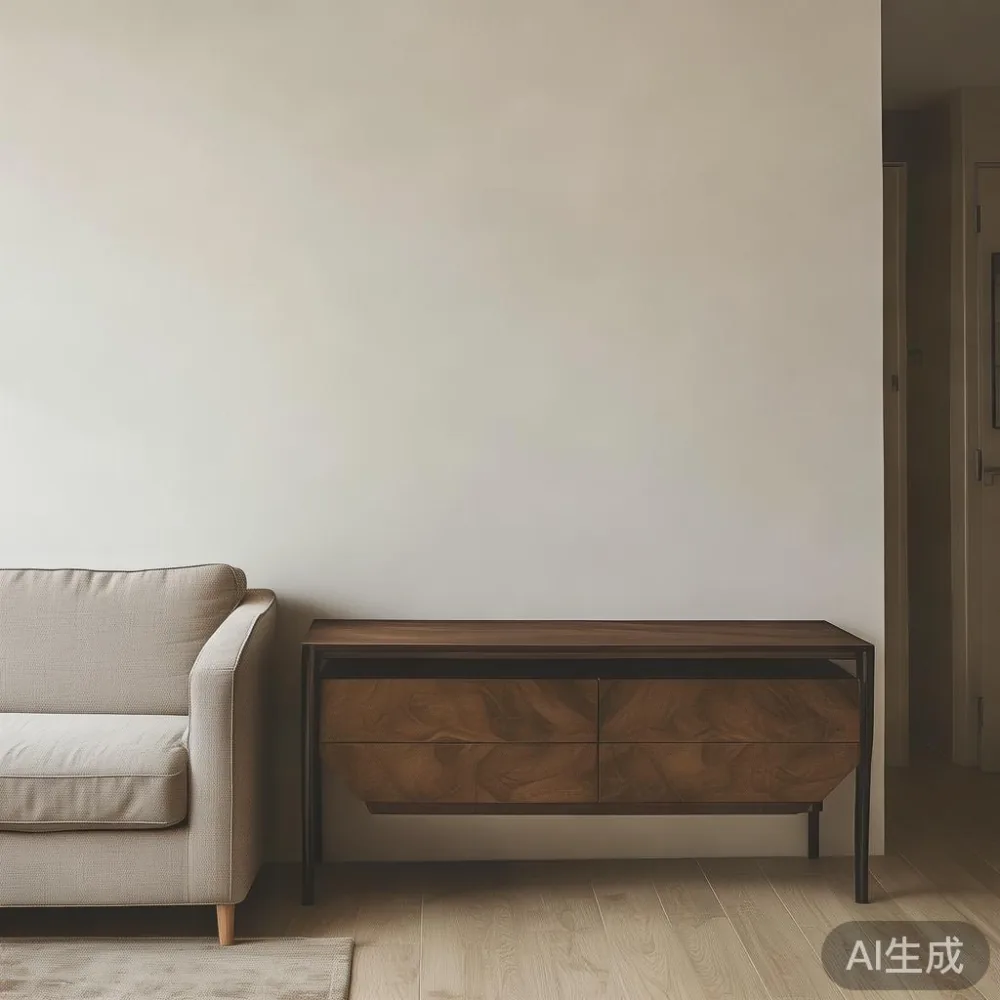
Know Your HDB Layout Before You Browse Any Console Table
Singapore HDB living rooms come in a small range of footprints, but each one shapes your entryway furniture choices more than any catalogue photo ever will. A 3-room BTO from 2015 onwards typically gives you a combined living and dining area of about 14 to 16 square metres, with the entryway sharing the same slab of floor. A 4-room flat lands between 18 and 22 square metres, and a 5-room flat pushes to 24 to 28. The corridor right outside your unit, in blocks built after 2010, is normally 1.2 m wide, and the lift cabin is the same 1.1 by 1.4 m I saw in Tampines. Anything wider than 60 cm across its longest side will need to be tilted or partially disassembled to clear a 90-degree turn at the lift lobby. That single fact should rule out roughly 30 percent of the entryway furniture you see on Shopee and Carousell before you even look at colour.
Measure three things with a steel tape, not a soft one: the width of your front door frame (usually 90 cm), the diagonal depth of the lift at your block (ask your Town Council or just ask the lift contractor sticker inside the cabin), and the narrowest point between the lift door and your unit door. In Priya's case, that narrow point was 1.18 m, which meant any console, sideboard, or shoe cabinet deeper than 55 cm had to be considered very carefully. She ended up choosing a 110 cm wide, 38 cm deep American light luxury console in white oak, and the two delivery men carried it up without tilting it once.
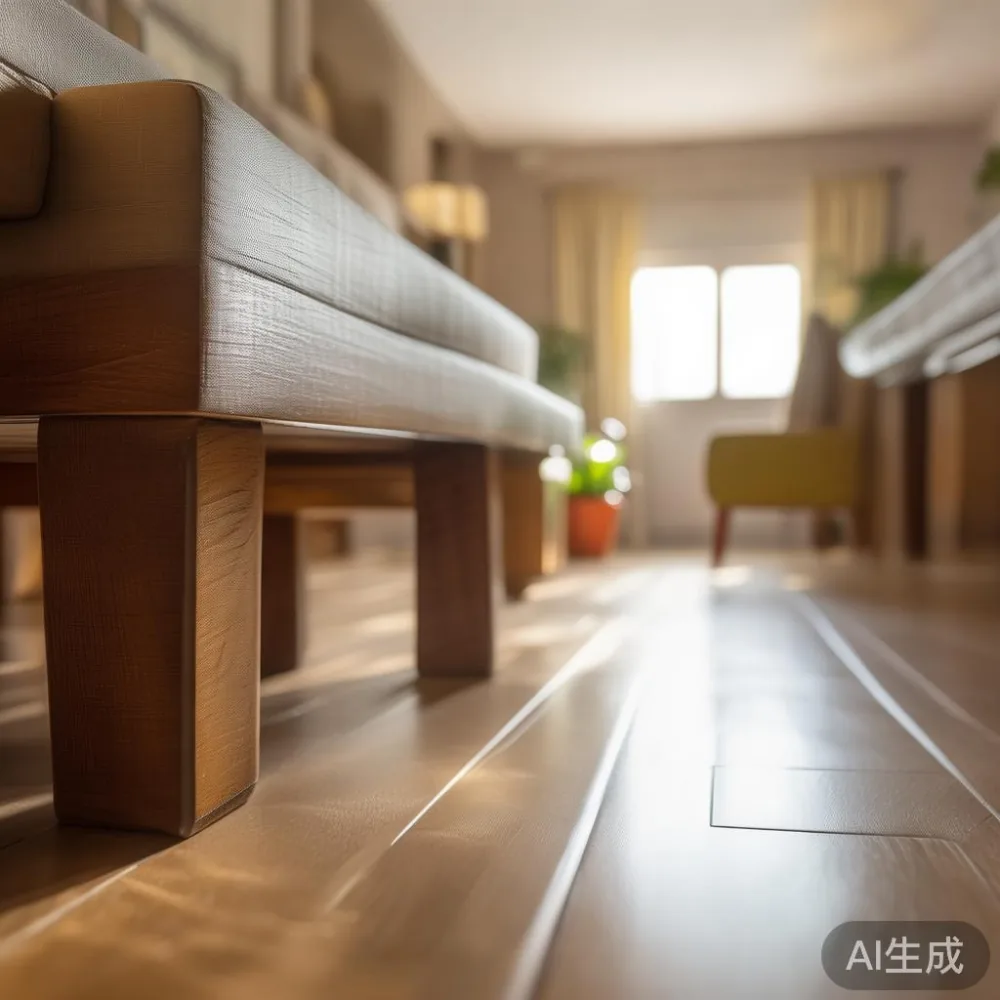
Pick a Style That Matches the Room, Not the Catalogue
Light luxury is a useful umbrella term in Singapore furniture circles because it covers three specific looks you can actually find in showrooms. French light luxury leans on curved cabriole legs, champagne metal pulls, and soft cream or pale grey finishes that pair well with the beige porcelain tile most HDBs come with. American light luxury is more rectangular, with chunkier frames, brushed brass handles, and visible grain on the solid wood. Post-modern light luxury goes geometric, with fluted panels, asymmetric drawer fronts, and a mix of marble table tops and matte lacquer. For a Tampines or Punggol flat with floor-to-ceiling windows, French light luxury tends to disappear visually and make the entryway feel larger. For a darker Bedok resale with parquet floors, American light luxury holds its own and reads warmer.
If you want a single piece to anchor the entryway, a 120 to 140 cm console in solid wood with two drawers and a slim 8 to 12 mm marble top is the most flexible choice. It gives you a surface for keys, a drawer for masks and mail, and a footprint that still allows two adults to pass each other in a 1.2 m corridor. For a heavier statement, a French neoclassical master bed for HDB flat can anchor a bedroom that shares the same sightline, which keeps the entryway view consistent as you walk in. Priya bought a matching set from a single maker, which is something I now recommend to anyone who asks, because two delivery trips usually cost more than the matching discount.
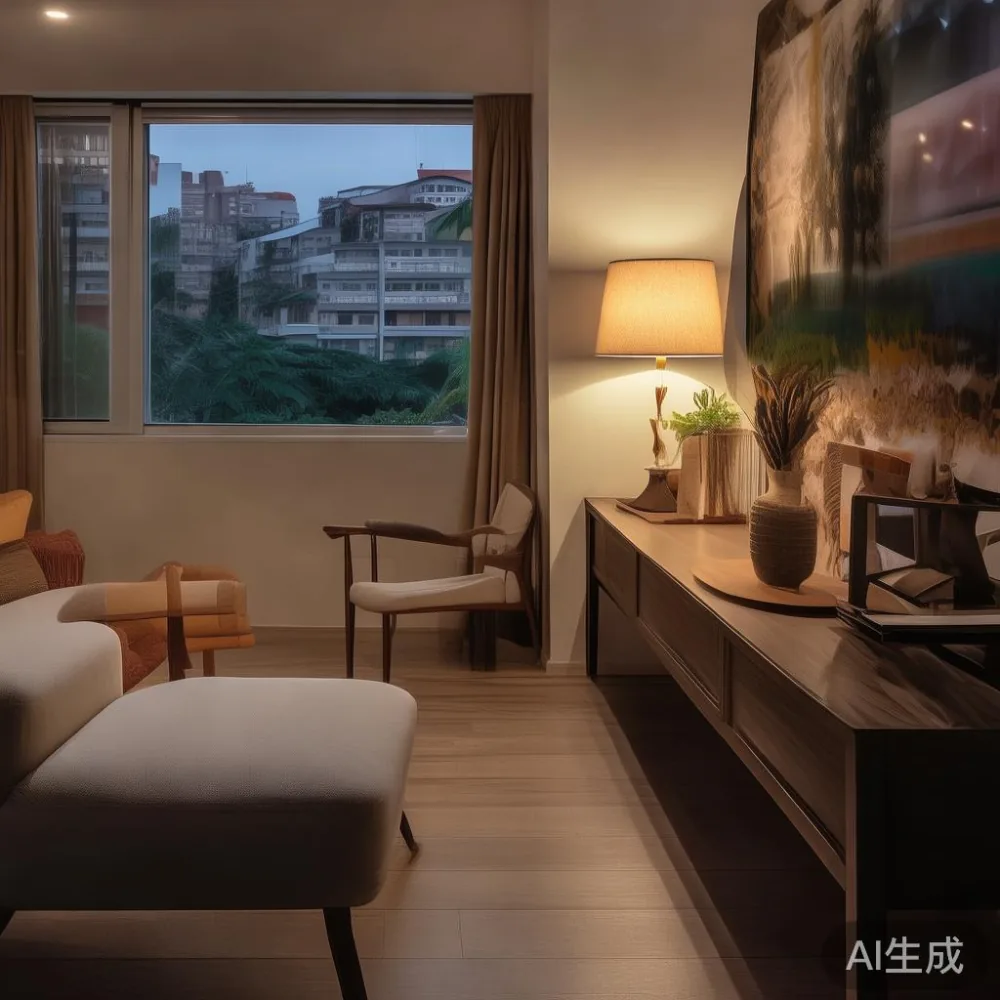
How much does a sideboard cost in Singapore?
A sideboard in Singapore from a direct-from-Factory brand such as MIDHILL typically costs between S$1,150 and S$2,400 for a 150 to 180 cm three-door unit in solid rubberwood or ash, and between S$2,600 and S$4,200 for a four-door unit in white oak with a marble top, all figures inclusive of 9 percent GST and free delivery above S$350. The same sideboard from a local multi-label showroom usually costs S$2,800 to S$5,500 because of the mid-agent markup, and bespoke carpenters in Tai Seng or Sungei Kadut quote S$3,500 to S$7,000 for comparable builds. What changes the price most is the wood: rubberwood sideboards under S$1,500 are common, white oak sideboards start around S$2,200, and any solid wood sideboard with an Italian Carrara marble top and brass legs sits in the S$3,800 to S$6,000 band. Freight and lift access are often the hidden cost, so always confirm the cubic metre weight (usually 0.4 to 0.7 m³ for a three-door) before you order.
Match the Entryway Furniture to the Rest of the Flat
Entryway furniture that clashes with your living room makes the whole flat feel smaller than it is. The four pieces to keep in dialogue are your sofa, your dining table, your bed frame, and your console. If your living room has a solid wood sofa in warm walnut, an entryway console in the same walnut with the same leg profile will read as a single gesture from the front door. If your dining table is a marble table on a black powder-coated base, choose a console with a matching marble insert rather than a full wood top. For bedrooms, a bed frame with a fluted headboard echoes well with a fluted console drawer front, and a low-profile nightstand in the same timber will close the loop when you walk past the bedroom door. Priya ended up replacing her old laminate nightstand with a solid ash version for S$420, and the whole flat felt more considered by Sunday morning.
One practical note on wardrobes: do not buy a wardrobe and a console from two different makers unless you are sure about the finish. Wood darkens or yellows at different rates under Singapore's UV index, which hits 11 most afternoons. Two pieces bought six months apart from different brands can look like a matched set for the first month, and then drift apart by year two. Buying your entryway furniture, your bed frame, your dining table, and your wardrobe from one maker keeps the colour drift to one timeline, and a 10-year structural warranty on the lot means you only deal with one service team if anything moves or cracks. MIDHILL, for example, ships from a single Foshan factory to Singapore on a 25 to 35 day sea schedule, which is comparable to most direct-from-China brands and faster than many local agents.
Work Out the Real Footprint, Not the Catalogue Footprint
Catalogue dimensions are measured at the widest point of the frame, but you live with the footprint that includes handles, drawer pulls, and the swing of every door. A 150 cm sideboard with two 60 cm doors needs 60 cm of clearance in front of it to open fully, which is the same as a dining chair pulled out. A 180 cm sideboard with three doors needs only 60 cm because each door is narrower, and a four-door unit needs just 50 cm per pair. Add at least 5 cm on every side for air circulation in a non-aircon corridor, because MDF swells above 70 percent humidity and Singapore averages 78 to 82 percent year-round. Solid wood handles the humidity better, but it still moves, so leave 8 to 10 mm of expansion gap at the back wall and never push a sideboard flush against skirting.
For the lift itself, the rule of thumb Priya and I worked out is the 1.1 by 1.4 cabin plus a 10 cm safety margin. Any piece longer than 1.35 m on its longest side has to go in vertically, which means the height of the piece matters as much as the width. A 90 cm tall console fits standing up; a 110 cm tall cabinet does not. If you are ordering from a brand that ships flat-packed, check the packed dimensions and not the assembled ones. MIDHILL's sideboards, for instance, ship in two boxes per unit, the larger usually 165 by 55 by 18 cm and 38 to 52 kg, which two men can carry up without a trolley. Anything heavier than 60 kg per box should come with a delivery crew of three, which is worth the S$40 to S$80 surcharge if you live above the 10th floor.
What About Condo Corridors and Service Lifts?
Condos add two extra constraints that HDBs do not. The first is the service lift, which is often 1.3 m deep by 1.6 m wide and can take a 2.4 m tall piece standing up, but it is usually shared with renovation crews and booked two weeks in advance. The second is the corridor from the service lift to your unit door, which in newer condos such as those in Punggol Digital District or the Bedok South area can include a 90-degree turn that swallows another 40 cm of usable length. Measure the diagonal of that turn with a long tape, not the straight-line width. In one River Valley condo I visited last quarter, the diagonal was 2.6 m, which sounds generous until you try to swing a 2.4 m wardrobe around it.
If you live in a condo with a 2.4 m ceiling height, a 2.2 m tall wardrobe from the same maker as your bed frame will sit 20 cm below the ceiling line, which looks intentional. Anything taller will press against the ceiling cornice and trap dust. For a 2.7 m ceiling, you can go up to 2.5 m, and many brands including MIDHILL will cut a custom height for a 10 to 15 percent upcharge, with delivery running 35 to 50 days from Foshan. The cost is usually worth it for the visual finish, especially when the wardrobe is the first thing you see from the entryway if your floor plan opens the bedroom door onto the living area.
A 10-Minute Sizing Checklist Before You Click Pay
Before you pay a deposit, run through this list with a tape and a phone torch. First, measure the width of your front door, the diagonal of the lift, and the diagonal of the corridor turn. Second, write down the assembled dimensions of the entryway furniture and add 10 cm to every measurement. Third, check the packed weight and the number of boxes, and confirm the delivery crew size for your floor. Fourth, look up the GST-inclusive price, the delivery lead time, and the return window; a 14-day return policy with free returns above S$350 is the minimum I would accept on a piece over S$1,000. Fifth, confirm the warranty in writing, ideally a 10-year structural warranty on solid wood frames and a lifetime refinishing option, which is something a handful of direct-from-factory brands offer and most local agents do not.
Priya followed this list for her second console, paid S$1,680 inclusive of GST, received it in 28 days, and got a S$40 refund because the delivery men finished in under 20 minutes and the brand credits any short job. The console is now in her Tampines entryway, with a small marble table tray on top for keys, and the whole flat feels like it has a proper front door again. Her only regret is not measuring the lift diagonal on the first try, which is the single habit that would have saved her the original S$60 redelivery fee. Measure twice, order once is the rule, and in a 1.1 m lift cabin, every centimetre counts.