Warm Minimalism: Matching Entryway Furniture for Singapore
A warm minimal entryway does not need to look empty. It needs a clear visual rhythm, useful storage and enough tactile warmth to make the first few seconds of coming home feel calm. For Singapore homes, this balance is especially practical: HDB flats often place the entrance near the kitchen, while condos in Tampines, Bedok and Punggol may have compact foyers, managed corridors and narrow common lift lobbies.
This guide explains how to coordinate entryway furniture with a warm minimal interior, from the depth of a console to the grain of a bench. It also considers the realities of local delivery, GST and the limited maneuvering space between a corridor and a flat door. MIDHILL designs solid wood pieces around these constraints, with a 10-year structural warranty and lifetime refinishing support.
What makes entryway furniture feel warm rather than strictly minimal?
Minimalism works best when it is reduced to proportion, material and function, not when every surface is bare. A warm interior needs something for the eye to settle on: oak grain, a woven seat, brushed brass, a ceramic tray or a slightly textured wall finish. In a typical Singapore foyer with a 90 cm door and a 110–140 cm wall, one substantial object can establish the character more effectively than several small accessories.
Choose entryway furniture with a visible but controlled material contrast. For example, pair a pale oak console with a darker bronze mirror, then introduce one matte-black detail such as a narrow tray. The black does not dominate; it defines the edges. A solid wood bench with a 42–45 cm seat height can do the same job more softly, especially in an apartment where visitors frequently remove their shoes.
Warm minimalism also benefits from scale. A console that is too shallow may hold only keys and a card reader, while one that is too wide can obstruct a busy corridor. Before buying, tape the proposed footprint onto the floor with masking tape. Leave at least 75 cm of clear walking width and keep the nearest corner at least 20 cm away from the door swing.
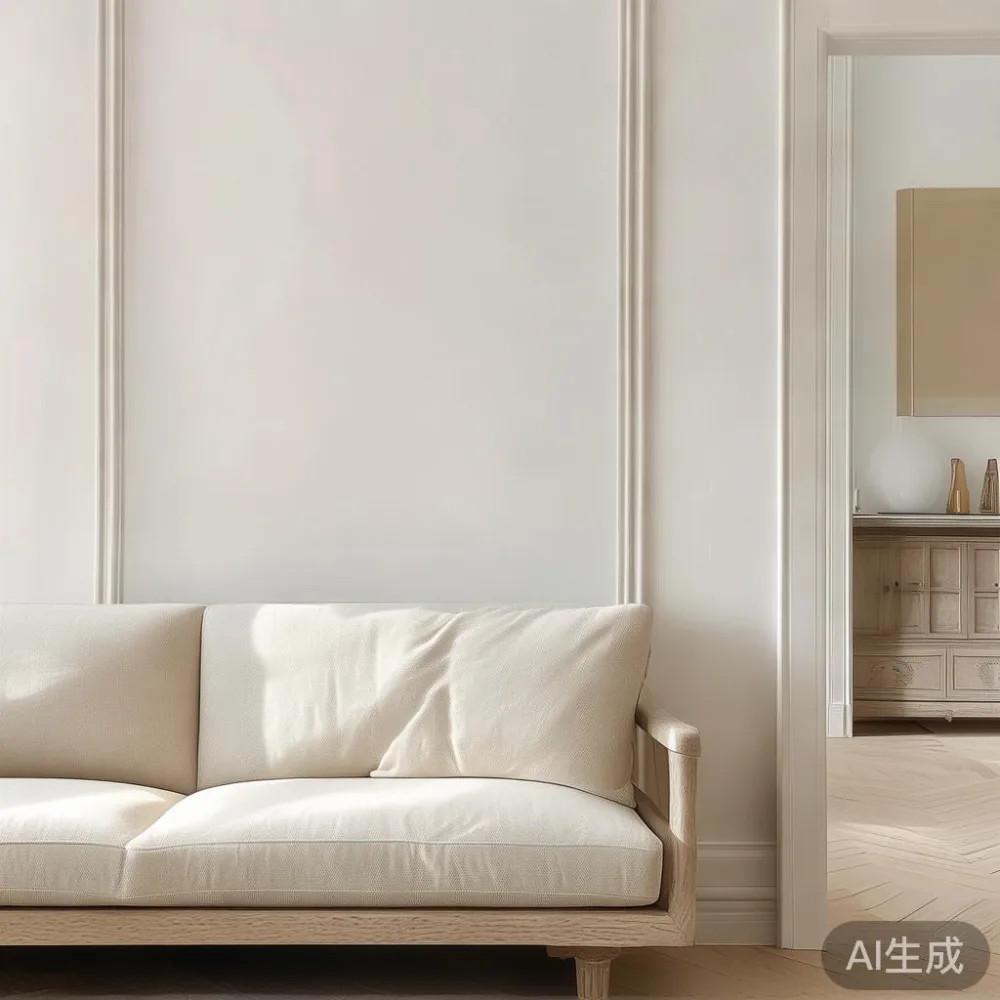
Color should be sampled in the actual home rather than judged from a showroom photograph. Singapore daylight can be bright and cool near windows, while HDB corridors are often lit with warm white LEDs at approximately 3000K. A light oak finish that looks creamy in a neutral showroom may appear more yellow under those corridor lights.
How wide should an entryway console be for Singapore homes?
For most HDB and condo entrances, a width of 90–120 cm is a sensible starting point. Below 80 cm, a slim console can suit a narrow wall but may not provide enough landing space for a bag, keys and a reusable grocery bag. Above 140 cm, the piece should be shallow enough to preserve circulation and should not be fixed if it could impede shared lift corridors.
Depth deserves equal attention. A 30–35 cm console is practical for letters, a small lamp and everyday objects, while a deeper unit at 38–40 cm can accommodate a dining table accessory setup without crowding the passage. The exact dimensions must reflect the wall, not just the catalogue. For a 2.8 m foyer wall, a 110 cm console centered with 85 cm on each side creates an intentionally relaxed composition. On a 1.8 m wall, a 90 cm unit with 45 cm on either side may fit more comfortably.
Check the route from the lift. A standard residential lift door may be around 80–90 cm wide, with a cabin depth of roughly 110–140 cm. A rigidly packaged 120 cm console may fit only after turning, and angled carton corners can catch on the door frame. Ask for the packed dimensions, not only the assembled dimensions. For a long sideboard, a knock-down structure can reduce the largest carton length by 20–40 cm and make corridor turns easier.
Local delivery commonly takes 7–14 working days for in-stock pieces and 3–6 weeks for made-to-order furniture. A supplier should be able to state the delivery window, floor and lift charges, and whether the return process requires original packaging. Singapore GST is charged at 9% and should appear clearly on the final quotation.
Which solid wood finish creates the warmest minimal foyer?
Oak, ash and teak offer three distinct moods. Pale oak is quiet and contemporary, ash has a slightly cooler and graphic grain, and teak brings a deeper honey tone that works beautifully with warm white walls. The right choice depends on the flooring and the amount of natural light entering the flat.
For a white or pale grey HDB wall, medium-toned teak can look rich without becoming visually heavy. For a darker condo entrance, pale oak creates useful contrast. Match the grain direction with nearby joinery where possible; the eye reads aligned wood as one calm composition rather than several competing objects.
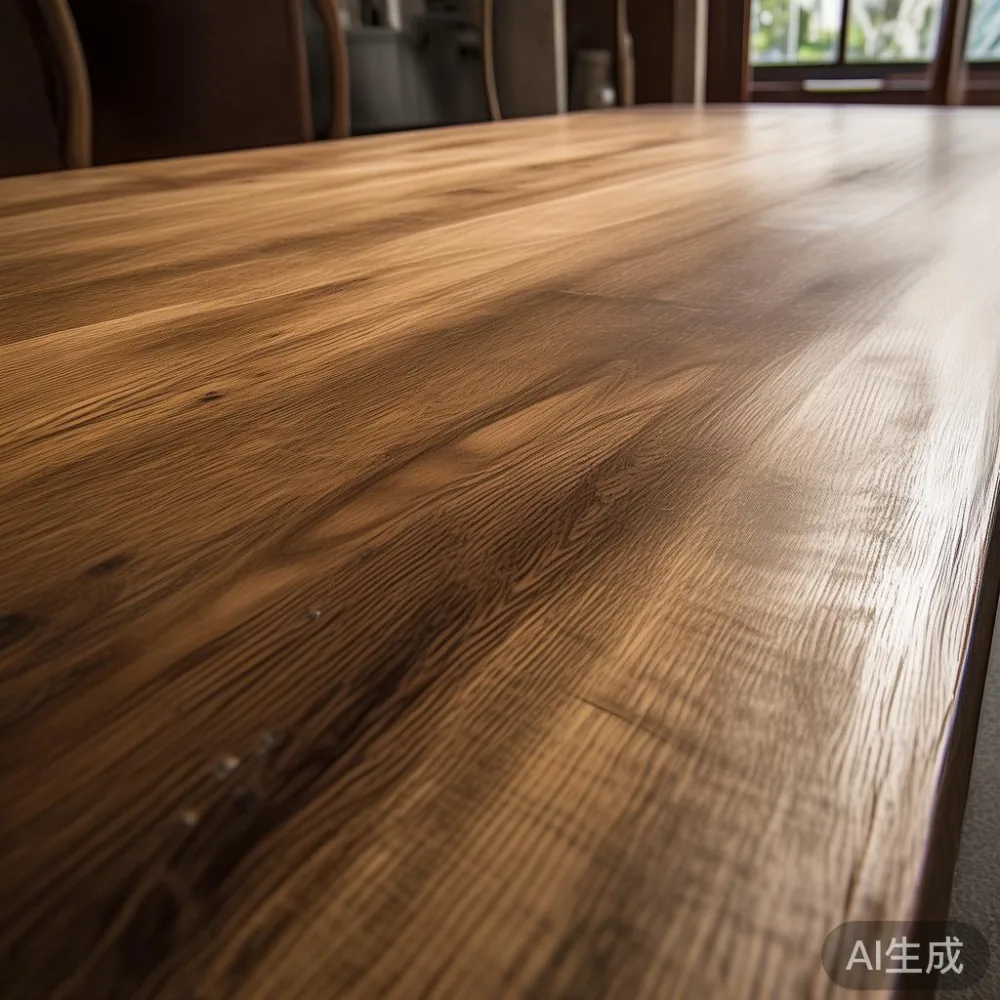
Finish quality is easier to understand at close range. Look for a surface that still shows the timber’s pores and grain, with a thin protective coating rather than a thick glossy film. The character of a solid wood sofa, solid wood bed frame, dining table, wardrobe or nightstand is usually more convincing in an entryway when the grain remains visible. Marble can provide a crisp focal point, but a marble table in the foyer should be smaller and more functional, such as a 60–70 cm round side table.
Last month I visited a renovated HDB flat in Tampines with my colleague to check a new console under real corridor conditions. The wall measured 186 cm, the usable section was 156 cm, and the flat’s lift opened onto a 122 cm clear path. We placed a 105 cm oak console with a 32 cm depth. It left about 25 cm to the wall edge and preserved a comfortable 82 cm route to the door. The pale finish looked warmer beside the corridor’s 3000K lighting than it had under the showroom’s 4000K lamps.
That test also revealed why a removable lower shelf is useful. It can hold a pair of shoes and a tote while keeping the top clear. The tray was placed slightly off-center, leaving 48 cm of clear surface for keys and mail. This asymmetry made the arrangement feel relaxed rather than staged.
Should the entryway have a bench, console or both?
Choose one primary piece before adding another. A bench is the stronger choice when the entrance lacks a suitable wall or when two to four people regularly remove shoes. A console is more practical for carrying keys, post and small bags while preserving floor area. In a very compact HDB foyer, using both can crowd the route.
A bench should generally be 40–45 cm high, 38–45 cm deep and 90–120 cm long. Leave 45–60 cm between it and a wall so shoes can slide underneath. Add a 4–6 cm cushion if the seat is used often, but keep the cushion in a washable neutral fabric such as oatmeal, taupe or warm grey. A narrow upholstered pad softens the visual temperature without turning the foyer into a sitting room.
A console may be better if the entrance opens directly into a compact dining area. In that case, the dining table should establish the style rather than compete with the foyer. A round solid wood dining table with a 105–120 cm diameter can ease movement in a tight HDB dining zone, while a rectangular version suits a corridor-facing wall. Keep entryway furniture visually related through the same wood family, not identical dimensions.
Storage should be closed where possible. A single drawer with one adjustable shelf can conceal charger cables, transit cards and spare keys. Avoid deep open cubbies, which can make a 35 cm console look crowded. If the unit includes open shelving, reserve it for one or two objects with enough negative space around them.
What is the right lighting and mirror scale for a warm minimal entryway?
A mirror should reflect light rather than create another busy surface. A tall mirror with a simple oak frame works well above a slim console, but it should not be so large that the foyer feels like a corridor. For a console 35 cm deep, a mirror 70–90 cm wide and 100–140 cm high is generally balanced. Mount its lower edge 15–25 cm above the console top, allowing room for a lamp or tray.
Light sources matter more than decorative fittings. Aim for a warm white lamp between 2700K and 3000K, with a CRI of 90 or above if color accuracy is important. A 6–9 W LED bulb is enough for a small console, while a narrow floor lamp can serve a bench. Position the light so it falls across the wood grain rather than straight into the eyes of someone opening the door.
French light luxury often relies on proportion, a warm metallic accent and a little asymmetry. A bronze frame, pale timber and an ivory tray can deliver that atmosphere without excess ornament. For a cleaner American light luxury treatment, use black or aged-bronze details with generous negative space. If the flat already contains marble and dark metal fittings, a black-framed mirror may integrate more naturally than a second wood-heavy piece.
It is also useful to examine the European light luxury coffee table for its restrained construction ideas, even if it is not purchased for the entrance. The lesson is to use one strong material and one small contrast. A European light luxury coffee table in warm ivory stone, for instance, could inspire a round marble table for the foyer, but its visual weight should be scaled down to the available area.
How do I coordinate entryway furniture with the rest of the flat?
Begin with three fixed elements: flooring, wall color and the main furniture visible from the entrance. If the sofa sits directly in the foyer’s sightline, repeat one color or texture from it. If the dining table is visible, match the timber tone but avoid making every piece identical. Warm minimal interiors gain cohesion from relationships rather than duplication.
When the rest of the home uses a solid wood sofa, place a small ribbed or woven cushion on the entryway bench to carry the same textile note. If a solid wood bed frame or nightstand appears in a guest bedroom, echo its darker finish in a shoe tray or mirror frame. A wardrobe with flat oak fronts can align with a pale console, while its interior layout remains irrelevant from the foyer.
For a compact guest room, Post-modern for guest room design can be reflected through a simple geometric screen or one sculptural object in the entry. The effect should remain subtle: one diagonal line or rounded form, not a collection of competing references. Likewise, a light luxury for hotel scheme often uses a low bench, framed mirror and controlled lighting; those same principles translate well to a condo foyer.
Buyers searching for the best European sofa for 2026 should pay attention to seat depth, arm clearance and fabric durability, but those credentials should not dictate the entryway. A European-inspired solid wood sofa may be ideal in the living room, yet the foyer should only borrow its color story. The best Scandinavian bed for 2026 or a selected dining table can supply the wood tone; the entrance itself needs a smaller proportion of that vocabulary.
Before ordering, photograph the entrance from the door and from the lift-facing corner. Compare those images with the proposed furniture in the showroom. Include the actual door handle, light switch and shoe rack in the view. This simple check reveals more than a floor plan because it shows what a person sees during the first five seconds inside.
What should I check before ordering custom entryway furniture?
Start with the usable wall width and write down the exact measurements at three heights. Skirting boards in older HDB flats can reduce the usable area by 15–20 mm, and a socket may sit 30–40 cm above the floor. Measure with the room in its normal state, including any shoe cabinet or shoe rack already installed.
For solid wood construction, ask whether the console, bench or side table is made from solid timber panels or veneers over engineered board. Check the drawer runners, corner joints and shelf load rating. A practical entryway shelf should support at least 15 kg, and a console top should handle a 10 kg bag without visible sagging. For wall-mounted pieces, confirm the fixing method and the load capacity appropriate to Singapore masonry or drywall.
Finishing matters just as much as construction. Ask whether the color can be adjusted, how minor scratches are treated and whether refinishing is available throughout the product’s life. MIDHILL provides lifetime refinishing support, which can be valuable for high-touch entryway pieces where bags, keys and shoes may cause wear.
Price is only meaningful with the full specification. For example, a teak console might be quoted at SGD 1,280 before GST in Singapore, while a wider oak version with two drawers might be SGD 1,640 before GST. A precise quotation should list dimensions, timber, finish, delivery lead time and applicable surcharges. If comparing options, calculate the landed cost at 9% GST and include stair carrying or extra lift fees rather than relying on a headline number.
Custom work can add 10–20% to the base price and extend delivery to 4–8 weeks. Standard delivery may take 7–14 days, while remote-area or scheduled-access arrangements can add 2–5 days. MIDHILL offers free shipping on orders above US$350, but Singapore buyers should still verify whether that threshold, the currency and any local charges are calculated at checkout.
Returns are easier when packaging and measurements are right. A 14-day return window provides useful protection, yet the piece must remain clean and unmodified. Confirm whether assembled furniture, custom finishes and large items are returnable, and retain the packaging until the piece has been inspected.
Can a small Singapore foyer still feel warm and luxurious?
Yes. A 75 cm wide solid wood bench, a 45 cm round marble table and one wall light can create a generous impression in a foyer with only 1.2 m of clear wall. The key is to leave at least 60 cm of circulation space and avoid placing objects at more than three visible heights.
Luxury in this context is tactile and precise, not simply expensive. A smoothly finished drawer, a soft-close hinge, a solid brass hook or a well-aligned mirror can provide more satisfaction than an oversized decorative object. It is light luxury in practice: good materials, disciplined proportions and fewer, better decisions.
For a warmer result, use a timber tone that connects to the living area and balance it with off-white, sand, clay or muted olive. Keep metals to one finish across the entrance. If the door is dark, repeat that darkness in a small tray rather than a large cabinet. If the floor is cool grey, add a warm runner or cushion to soften the transition.
Measure twice, order once. The most successful entryway furniture is not the largest piece that technically fits; it is the piece that leaves the flat feeling open, handles daily objects and carries one clear material story into the rest of the home.