Entryway Furniture Warranty Reading Guide in Singapore
A solid wood entryway bench may look simple from the corridor, but its warranty can hide complicated terms about moisture, loading, joints, finishes and claims. For Singapore households—especially residents in HDB flats and condos in Tampines, Bedok and Punggol—that distinction matters. A 10-year structural warranty sounds reassuring, yet it may cover only the frame, not every visible part or type of damage.
This guide explains how to assess a furniture warranty before buying entryway furniture for a compact home. It also shows where delivery dimensions, lift access, GST and documentation deserve attention. The aim is practical: know what is protected, what is excluded, and how to make a valid claim without discovering an unexpected SGD 60 replacement fee after a wobbly screw.
What does a 10-year furniture warranty actually cover?
Start with the exact wording, not the headline. A structural warranty generally protects specified load-bearing components against defects in materials or workmanship. It does not automatically cover accidental impact, water exposure, ordinary surface wear, unstable floors, commercial use or damage caused by moving the item incorrectly.
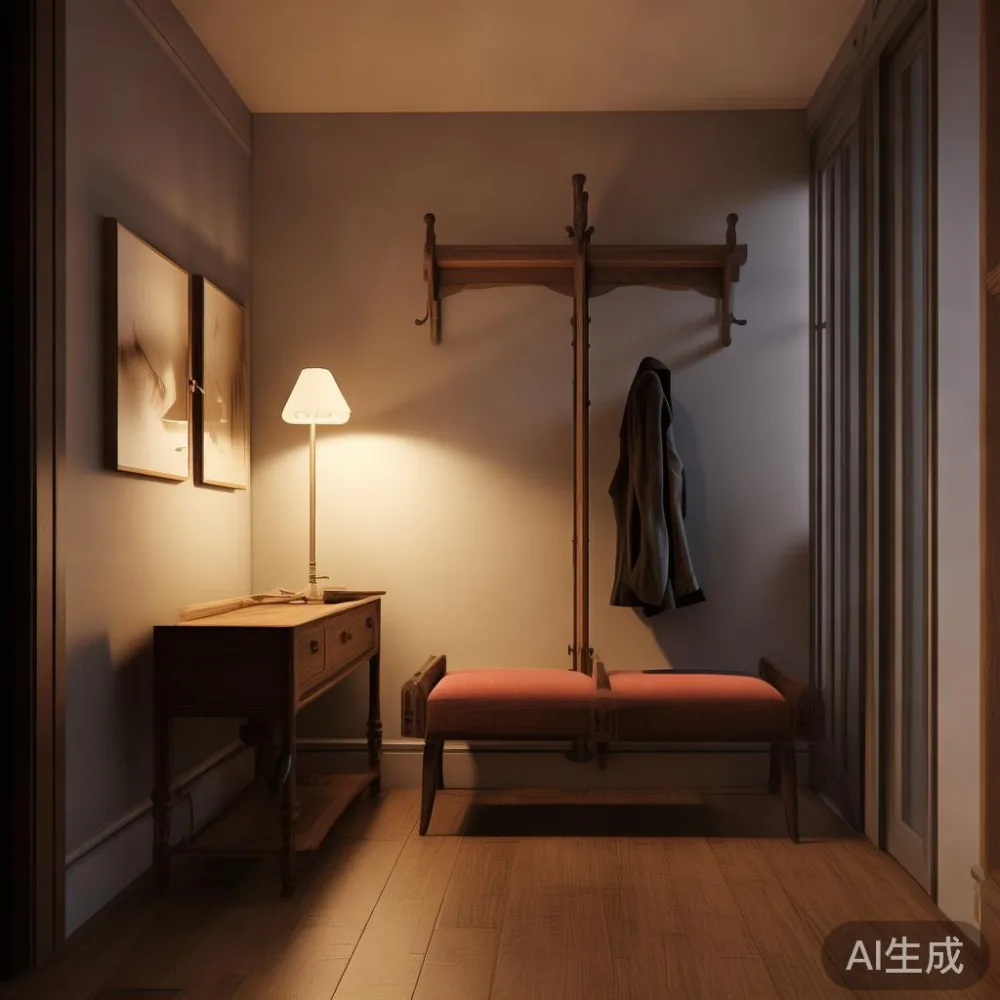
For entryway furniture, check whether the warranty names the frame, shelf, joints, drawer runners, hardware, finish and supporting legs individually. A bench with a solid oak seat may have a 10-year frame warranty, while its powder-coated metal brackets, leatherette cushion or screw fittings could carry shorter periods. Ask for a written schedule if those details are missing.
Also check the commencement date. Warranty periods often run from the purchase or delivery date rather than from manufacture. Keep the tax invoice, order number, product photograph and warranty certificate. For example, if a cabinet was delivered on 18 August 2026, retain records for at least 10 years to cover a structural claim.

Confirm whether replacement parts, repair labour and return freight are included. A useful warranty states whether a defective component is replaced, whether the supplier pays transport, and what happens if the original finish or finish colour is no longer available.
Are Singapore delivery and lift-access terms part of the warranty?
They may determine whether damage appears to be a manufacturing fault or a delivery problem. Record the item's packaged dimensions and weight before accepting it. An entryway console might measure 120 cm wide, 35 cm deep and 80 cm high, with a packed weight of 48 kg. That will fit through many condominium doors, but a 150 cm model may need turning in a 110 cm common corridor.
Some buildings have tighter service lifts, door turns or staircase clearances. A lift rated for 600 kg may accommodate the weight but not the package dimensions: the bench still has to fit through the opening and turn inside the car. Measure the corridor as well as the lift. A 5 cm clearance at the hinge can become a 15 cm turning problem.
Check whether the supplier uses a lift or carries items up stairs. A Singapore delivery fee of SGD 45 may exclude stairs, lifting above the second floor or carrying more than 10 m from the parking area. Photograph the route and packaging at handover. If a corner is crushed before the item enters the flat, document that within the same day.
Do not confuse a delivery promise with structural coverage. The policy may state 5 to 10 delivery days for in-stock entryway furniture, yet damage caused by a third-party mover may remain the customer's responsibility.
Does the warranty cover Singapore humidity and HDB conditions?
Singapore's humid climate makes material and care clauses especially relevant. Solid wood expands and contracts as humidity changes. A typical indoor relative humidity range of 40% to 65% is sensible, and entryway furniture should stand at least 10 cm from a wall if air circulation is restricted.
Ask how the warranty treats cracking, bowing or joint separation caused by prolonged moisture exposure. A responsible policy should distinguish a manufacturing defect from wood movement within the stated environmental conditions. Wording that excludes all humidity-related issues may leave little practical protection.
The same question applies to flooring. HDB flats often use vinyl, laminate or tiled surfaces, while some condos have timber floors. Check the specified moisture range and any assembly instructions. Tightening a drawer or door until it no longer moves may place unusual stress on the carcass and potentially affect claim acceptance.
For a marble table, ask whether staining, chipping or veining differences count as defects. Natural stone carries patterns, so reference photographs should accompany the delivery note. If a blemish is visible, flag it before use. Do not wait for several months, because the acceptance window may be only 48 or 72 hours.
What should I check before signing for entryway furniture?
Inspect the item before it is installed. Look through the joints, underside and back panel, then check that it stands level within 3 mm across its width. Test a drawer or door over its full travel. For a bench, sit on it briefly with two adults of roughly 75 kg each; for a tall shoe cabinet, apply moderate load shelf by shelf rather than swinging on the handle.
Check the finish for scratches, colour inconsistency, glue marks and pinholes. Compare the piece with its product images under daylight and under the corridor's warm lighting. Measure the finished furniture, not only the packaging, and confirm it does not obstruct an HDB fire door or an emergency exit route.
Keep the packing until assembly is complete. Cardboard and foam can protect a solid wood bed frame, dining table or wardrobe during the remaining part of a move. A 14-day return policy may allow functional testing, but it may exclude damage, altered dimensions and items with removed labels. Clarify the restocking fee: for a SGD 900 piece, a 15% fee would be SGD 135, while a flat SGD 60 fee is easier to budget.
I visited a client in Bedok last month and watched a 145 cm oak console pass through a 120 cm doorway by removing its doors and turning the carcass diagonally. The delivery team had photographed each step because a scuff appeared near the rear leg after installation. That evidence made the claim straightforward; without it, the supplier might have attributed the mark to household use.
How do I make a warranty claim in Singapore?
Use one written channel, preferably the supplier's email or claim portal. Include the invoice number, purchase date, product name, colour, warranty period and a precise description of the fault. Attach close-up and wide photographs, plus a short video if a joint loosens or a drawer catches.
Give the supplier a reasonable response window, such as 5 business days for initial inspection. Do not disassemble a load-bearing frame unless instructed. If a solid wood sofa frame develops a joint fault, a bed frame cracks, a dining table separates or a wardrobe door drops, preserve the component and packaging.
Ask for a written outcome: repair, replacement, refund or refusal with a cited clause. Keep copies of all correspondence. Singapore's Consumer Protection Fair Trading Act and relevant electronic transaction rights can provide guidance, but the contract and evidence still shape the practical claim.
Be aware of exclusions involving modifications, self-assembly errors, weight limits and misuse. A 10-year structural warranty might specify a maximum evenly distributed load of 120 kg on an entryway bench. Placing 180 kg of luggage on it would be outside that stated limit. Likewise, drilling into a wardrobe back panel may affect structural coverage.
How do GST, shipping and optional services affect the real price?
Compare the full landed cost, not the catalogue figure. Singapore prices should state whether 9% GST is included. If a listing shows SGD 580 before GST, the payable total is SGD 632.20. Confirm this before payment so the invoice matches the quotation.
Shipping is another line to inspect. Free delivery over US$350 is presented in US dollars because MIDHILL serves international markets, but Singapore customers should still request the actual SGD charge, delivery days and any lift surcharge. GST on a delivery service may be treated separately depending on the supplier's invoicing method, so ask for a breakdown.
Assembly, old-item removal and extended coverage should also have prices. A quoted SGD 25 assembly service or SGD 40 staircase charge is clearer than an unstated “service fee.” Put these figures beside the furniture price when comparing warranties. A lower purchase price can become more expensive if a finish claim excludes labour and the customer must transport a 65 kg cabinet back to the warehouse.
Payment records matter for claims. Keep the card receipt or bank transfer confirmation alongside the tax invoice. If the order was split into furniture and services, confirm which dates determine each warranty and cancellation period.
Which light-luxury details are covered—and which are not?
French light luxury, American light luxury and post-modern light luxury styles often use pale woods, restrained profiles, fluted panels, brass hardware and softly upholstered forms. These details affect what a warranty should identify. “Natural oak” could refer to solid oak veneer over engineered timber; “solid wood” usually refers to the named structural timber rather than every panel.
Ask for a material map showing which components are solid wood, veneer, engineered board, metal, stone or upholstery. Then check those categories against the warranty schedule. A modern light luxury TV console may have a solid wood frame and a stone or lacquered top, with different coverage for each.
Colour and finish changes should also be addressed. A 10-year structural term may not promise that the original lacquer will be matched exactly after 4 years of sunlight exposure. This matters for a marble table with a distinct vein pattern or a nightstand whose painted finish must blend with an existing wall colour.
Design language should not obscure commercial terms. A post-modern light luxury wardrobe may include mirrored panels, leather handles and internal fittings, but the structural warranty still needs to list its frames, rails and hinges. For broader product research, searches such as for sale European light luxury furniture and wholesale European light luxury furniture can surface different suppliers, but each warranty should be read independently.
Some descriptions use promotional or technical phrases that need clarification. For instance, a search for a light luxury sofa bed foldable may lead to a sofa bed whose folding mechanism has a 5-year warranty, while its timber frame has a longer period. Likewise, a query for the best Rustic bed for 2026 may return styles rather than one verified model, so assess the actual product rather than the headline.
For layout planning, a guide on how to style French wardrobe in room may discuss colour and proportions, but measurement remains more important than the finish name. Check that the wardrobe door opens through an arc of at least 90 degrees and does not block a corridor or lift lobby.
What questions should I ask the seller before paying?
Ask: “Does the 10-year structural warranty cover the frame, joints, shelves, hardware and finish, or only selected parts?” Then ask: “Are there stated humidity, load and placement limits?” Request: “Can you send the full warranty, exclusions and claim procedure before I pay?”
Also confirm the country of manufacture, timber species, veneer composition, finish type and expected delivery window. A model shown as solid wood dining table should have a material schedule, not a vague “wood furniture” label. Ask whether replacement hardware is stocked for at least 5 years after purchase.
MIDHILL describes a 10-year structural warranty and lifetime refinishing for its solid wood furniture, which gives buyers useful starting points to verify against the written policy. Confirm what lifetime refinishing covers, whether transport is included and which finish types qualify. Its 14-day return period, export history since 2008 and delivery to 15-plus countries are context, not substitutes for the local terms on your invoice.
The practical rule is simple: photograph the furniture, keep the documents, and match every visible component to a written coverage period. Entryway furniture receives daily use, but a carefully reviewed warranty should make any later disagreement easier to settle.