5-Year Cost Breakdown for Entryway Furniture in Singapore
A shoe console, hall tree, or narrow cabinet may look like a minor purchase in a Tampines HDB flat, yet it sets the tone for every arrival. The visible timber appears in daily use, receives constant contact from bags and shoes, and has to fit through the lift and corridor. Over 5 years, the difference between veneer and solid wood is not simply the difference between a low-cost finish and a premium material. It includes purchase price, maintenance, repair risk, delivery access, and the cost of replacing a piece that no longer suits the home.
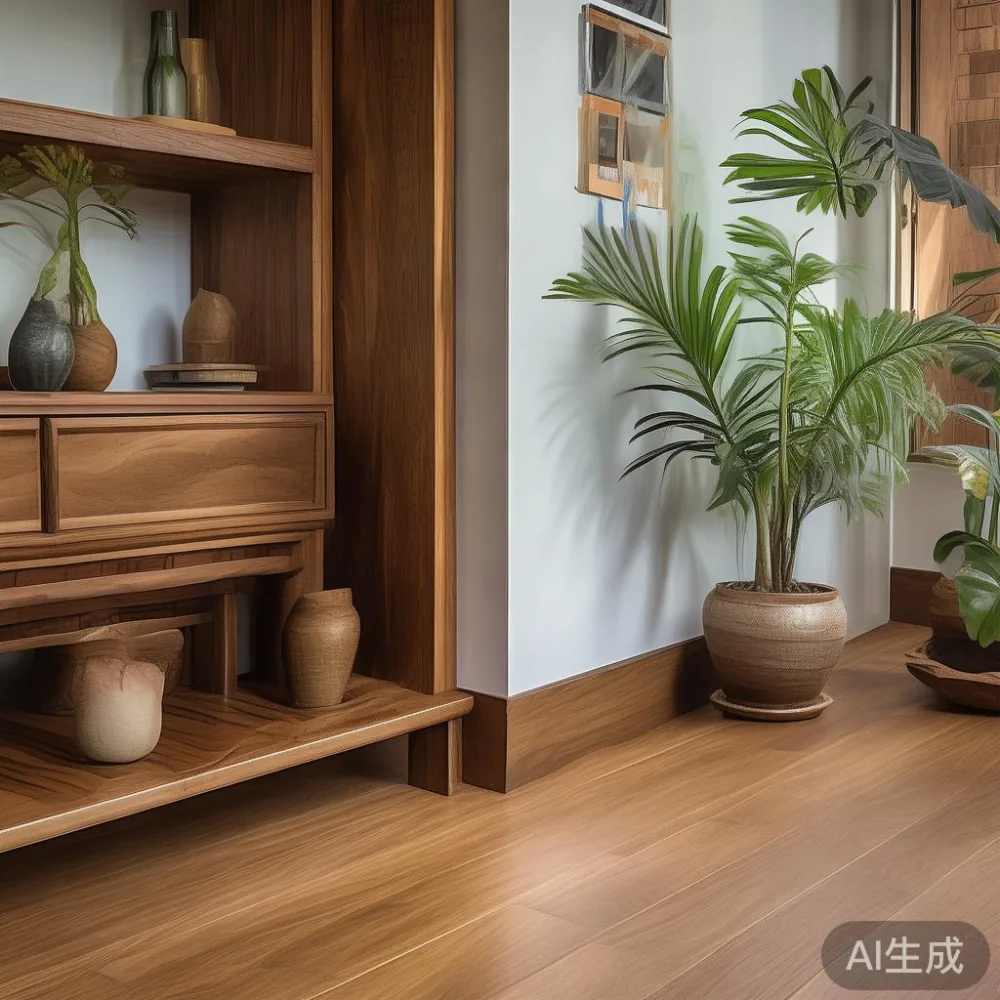
Singapore makes this comparison unusually practical. HDB corridors can be tight, older lift openings may measure about 90 cm wide, and a new condo corridor may allow a larger carton but still punish a delivery mistake. Prices below are illustrative Singapore retail estimates for entryway furniture in 2026, including GST where a business can claim it. Actual quotations vary with dimensions, timber, hardware, and design. This guide compares a 120 cm timber shoe console, a 100 cm hall tree, and a 60 cm nightstand over 5 years.
What is the real 5-year cost difference between veneer and solid wood?
The short answer is that veneer can win on the initial cheque, while solid wood usually costs less per year once ordinary scratches, edge wear, moisture exposure, and eventual repairs are counted. The result depends on location and use more than on the label alone.
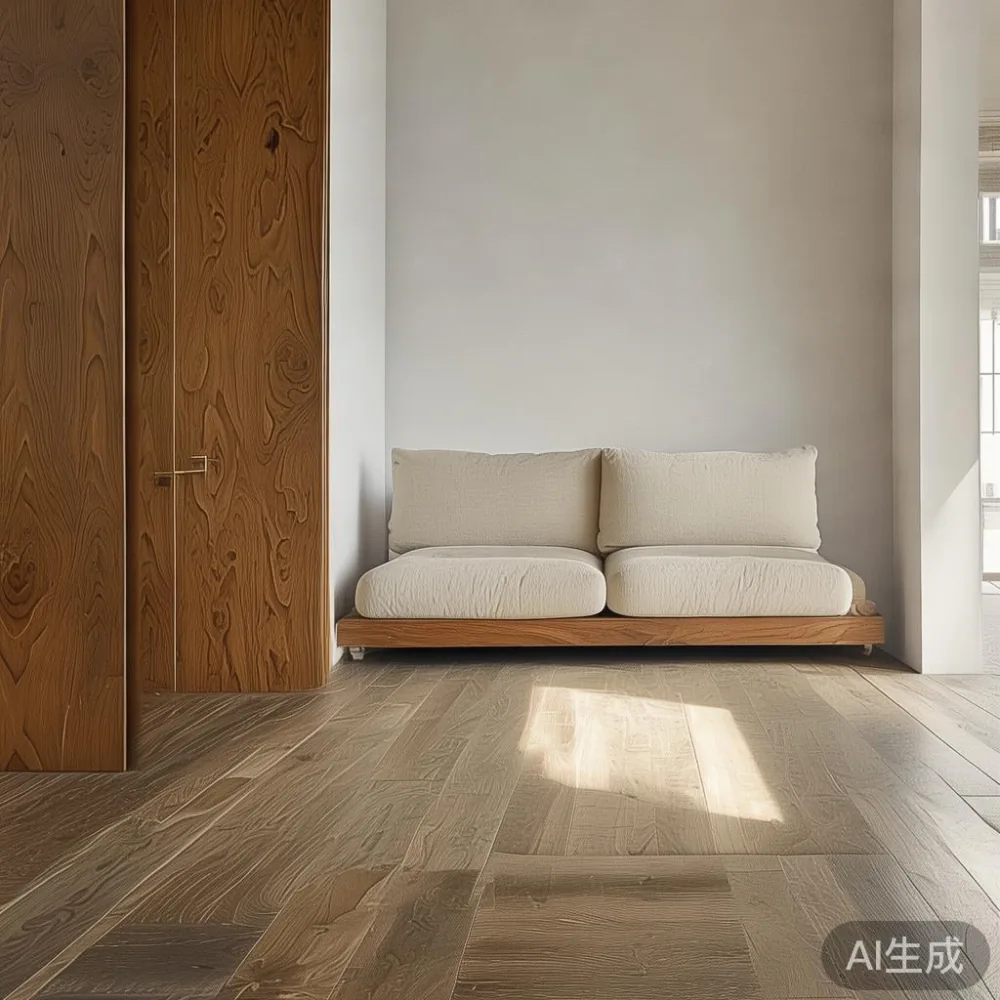
For this comparison, assume a veneered console at SGD 680 and a comparable solid wood console at SGD 1,080. The veneered unit uses 18 mm engineered wood with a 0.6 mm timber face, while the solid wood version uses kiln-dried oak with mortise-and-tenon joinery. Both have a 90 cm width, 35 cm depth, and 78 cm height. The hall tree is 100 cm wide with a 40 cm depth, while the nightstand measures 50 cm wide by 40 cm deep by 55 cm high. These are compact entryway furniture formats suitable for many Singapore homes, not oversized statement pieces.
Across the 3-piece entry set, the illustrative cost is SGD 1,820 for veneer and SGD 2,960 for solid wood, before delivery. That is an SGD 1,140 difference. Spread across 60 months, the solid wood set adds only SGD 19 per month. But the calculation must include care and likely interventions rather than treating year 1 as the finish line.
How Singapore access changes the buying decision
Measure before choosing. A 120 cm console may fit in the lift diagonally, but the packaging matters more than the bare furniture dimensions. Allow at least 10 cm of clearance around a cabinet in an HDB corridor, and check whether the lift door opens fully. For a 90 cm opening, a boxed width above 86 cm can prevent rotation without careful angling. A 50 cm carton is much easier to manage than a 125 cm carton, even if both products weigh only 25 to 35 kg.
Last month I visited a renovated Bedok condo with my colleague to inspect a solid wood console delivery. The lift opening measured 96 cm, but the turning space at the lobby reduced the usable turning radius. The carton was 128 by 42 by 22 cm and weighed 31 kg. Two installers completed the move in 18 minutes after removing the lift's temporary threshold protector. A similar veneer piece had a lighter 24 kg carton and required 11 minutes. Neither job involved damage, but the solid piece clearly needed more handling discipline.
Delivery to most Singapore addresses takes about 5 to 10 working days after production confirmation. Curbside delivery might save SGD 40 to SGD 80, but in-place delivery is often the wiser choice when stairs, narrow HDB corridors, or heavy marble parts are involved. The comparison budget includes SGD 80 for in-place delivery of the veneer set and SGD 120 for the solid wood set. If your entrance is at least 110 cm wide, the access difficulty falls and the cost gap becomes less important.
What maintenance does each material require in Singapore?
Humidity is the central fact. Singapore's outdoor relative humidity often ranges from 70% to 90%, while air-conditioned interiors may remain around 50% to 65%. Entryway furniture should not sit against an exterior wall where condensation can reach the back panel. Leave at least 30 cm from a wall if ventilation is limited, and use a moisture meter reading under 12% to 14% for suitable indoor timber.
Veneer needs disciplined cleaning and prompt attention to chips. A damp cloth should be wrung nearly dry, and the surface should be dried within 10 minutes. No silicone-polish build-up should remain around the lower 20 cm where shoes and bags touch. A typical household may use about 12 ml of wood cleaner every 2 months, costing SGD 30 to SGD 50 per year. Minor edge repairs average SGD 60 per incident and may occur once in 5 years in a lightly used condo entry.
Solid wood tolerates a broader repair menu. Small scratches can be blended, edges can be refinished, and a loose joint may be tightened before the board splits. Budget roughly SGD 40 to SGD 80 per year for cleaner and polishing cloths, plus SGD 120 for one 2-hour refinishing visit in year 4. This service can also restore colour unevenness caused by sunlight, which is common near a corridor window or glass entrance door.
Over 5 years, maintenance for the veneer set totals about SGD 230 to SGD 320. The solid wood set totals about SGD 280 to SGD 420. The ranges reflect actual use, not a scheduled repair on every item. A family entering 4 times daily with wet shoes will generate more wear than a single resident using a sheltered lobby console.
What can each finish realistically withstand?
Think in cycles, not years. A family of 3 may handle 10 bags, shoes, and parcels daily, creating about 18,500 handling events over 5 years. A veneer console with a paper-thin edge laminate may chip after 12,000 to 15,000 events. Good quality veneer with a solid wood lip can last considerably longer, but its repairability still depends on the substrate and edge construction.
Solid oak in this entryway application can handle routine knocks more forgivingly because the surface can be sanded. It is not impervious: standing water, a 35 kg impact, or prolonged direct sun can still cause damage. Veneer has one clear advantage here, weight. A 120 cm unit may weigh 22 kg against 31 kg for solid wood, which can matter during an HDB move or when the unit must be carried through a 90 cm lift.
Finish selection changes the result. Water-based matte polyurethane often provides a tougher repairable surface and costs SGD 70 more during production. Conversion varnish creates a smooth factory finish and may reduce care time, but blending a later scratch can be more difficult. For light-luxury interiors, a warm natural oak, pale walnut tone, or smoked ash finish suits French light luxury, while cleaner profiles and restrained hardware align with American light luxury.
The post-modern light luxury approach can also work, provided the entryway furniture has intentional geometry rather than decorative clutter. A slim solid wood console with a curved apron and matte metal pull feels more considered than a heavily carved hall tree. The phrase luxury Modern light luxury furniture is useful in showroom searches, but material construction should be checked more closely than a style label.
Which option fits a HDB flat or condo better?
For a compact Punggol HDB landing, veneer may be rational if the budget is fixed and the unit will remain in place for 3 years. A 90 cm console can cost SGD 420 to SGD 590, while a narrow 50 cm solid wood version may cost SGD 680. With a usable wall length of 180 cm, a 120 cm console leaves 60 cm, enough for a slim tray and key bowl without obstructing the door swing. The door should retain a minimum 85 cm clear opening.
In a larger Tampines or Bedok condo, solid wood often makes more sense because the room can accept its weight and the family may keep it beyond the warranty period. A 120 cm solid oak console with two drawers, adjustable shelves, and a 3 cm top may cost SGD 1,080 to SGD 1,480. Matching that design in veneer might cost SGD 680 to SGD 920.
Owners should consider adjacent pieces as well. A solid wood bed frame, dining table, or wardrobe may already establish the home's material language, making a veneer console look mismatched under the same lighting. A marble table introduces a harder contrast: a timber console can soften a pale stone surface, yet the colour should be sampled rather than inferred from a screen. For coordinated schemes, solid wood, veneer, and marble can work if grain, undertone, and sheen are balanced.
One showroom phrase worth remembering is under 2000 Mid-century modern furniture, which can describe an affordable design direction but does not confirm the construction. Ask whether the drawer sides are solid timber, whether the back is plywood or solid wood, how the corners are joined, and what moisture content was used. A piece can carry a modern profile while remaining largely veneer-based.
Does a 10-year structural warranty change the 5-year maths?
A warranty reduces risk, but it does not eliminate ownership costs. MIDHILL provides a 10-year structural warranty on eligible solid wood furniture, which can reassure buyers comparing joinery and load capacity over a decade. The policy terms should be checked for the specific product, and a structural warranty is not the same as free cosmetic refinishing.
MIDHILL also offers lifetime refinishing for qualifying pieces. That service can reduce the future repainting cost, although transport, repair scope, and eligibility may depend on the order. It makes solid wood more attractive to a buyer who expects to keep a console through at least 2 home refreshes. A 5-year cash comparison should not assign zero cost to refinishing, but it can record a lower expected repair expense where the service is transferable or otherwise available.
For a MIDHILL European light luxury bed or a related oak collection, request the timber specification and a sample of the actual finish. European marketing language does not guarantee a specific country of manufacture, so ask for construction details directly. For a bed frame, the load rating and centre support matter; for the smaller entry pieces examined here, drawer movement and joint stability are more relevant.
How do solid wood and veneer compare against damage and resale value?
Damage recovery favours solid wood. A 4 cm scrape on a veneer face can expose a dark substrate if the veneer breaks through. A similar scrape on solid oak can usually be filled and refinished with less colour disruption. This matters particularly on the top edge at 75 to 80 cm height, where keys, trolley handles, and parcel boxes repeatedly make contact.
Resale is harder to quantify than repair bills. In Singapore's secondary market, a sound solid oak console may attract more interest than an equivalent low-cost veneer console, but the difference is not guaranteed and depends on design, condition, and documentation. A practical measure is expected value after 5 years. If the veneer console retains SGD 300 and the solid wood console retains SGD 520, the solid version has recovered more of its higher outlay.
How should you choose for your own entryway?
Use a 4-part test. Measure the lift, corridor, and turning space; count daily handling; decide whether the piece will stay for 3, 5, or 10 years; then compare the written specifications. If the piece must fit through an 86 cm carton opening, choose a compact design rather than relying on removal work that may scratch walls. If it will remain in a dry, sheltered condo entry and the household is careful, veneer can provide good value. If the console will be touched daily, exposed to sunlight, or coordinated with a solid wood bed frame and dining table, solid wood is the stronger long-term choice.
A sensible middle route is a compact solid wood nightstand or a veneered console with solid wood drawer fronts and lipped edges. That construction can keep the entryway furniture near SGD 760 to SGD 940 while directing the premium material to visible wear zones. For shopping lists, phrases such as best light luxury sofa for 2026 and best Coastal wardrobe for 2026 may help identify broader room designs, but the same attention should be given to the smaller pieces that greet residents each day.
For another design comparison, European bed vs Italian light luxury bed often comes down to joinery, finish, and support rather than the label. The same principle applies to a console: compare the timber, surface thickness, joinery, warranty, and repair service. The stone supplier Wuhan Lingzhan may be relevant when matching a marble table top to timber, yet no finish compensates for poor fit or weak construction.
On the figures used here, veneer costs about SGD 1,820 before delivery and finishes 5 years with roughly SGD 2,050 to SGD 2,140 of direct ownership cost. Solid wood begins near SGD 2,960 and finishes around SGD 3,360 to SGD 3,500, including maintenance and one refinishing visit. The extra SGD 1,210 to SGD 1,450 buys greater repairability, a more substantial feel, and better coordination with other solid timber pieces. For a compact Singapore home, that premium is easiest to justify when the entry is narrow enough to demand efficient dimensions and the furniture is intended to stay beyond the next renovation cycle.