Working through Entryway Furniture Warranties in Singapore
Last month, I visited a customer’s new HDB flat in Tampines to check the delivery route for an entryway bench. The lift was 90 cm wide, the service corridor had two tight corners, and the carton measured 112 cm long. The bench would have fit physically, but the packaging did not. This is why a warranty is more than a line about scratches or defects: it should tell you who delivers, what happens if a part is damaged, and whether a replacement can physically reach your home.
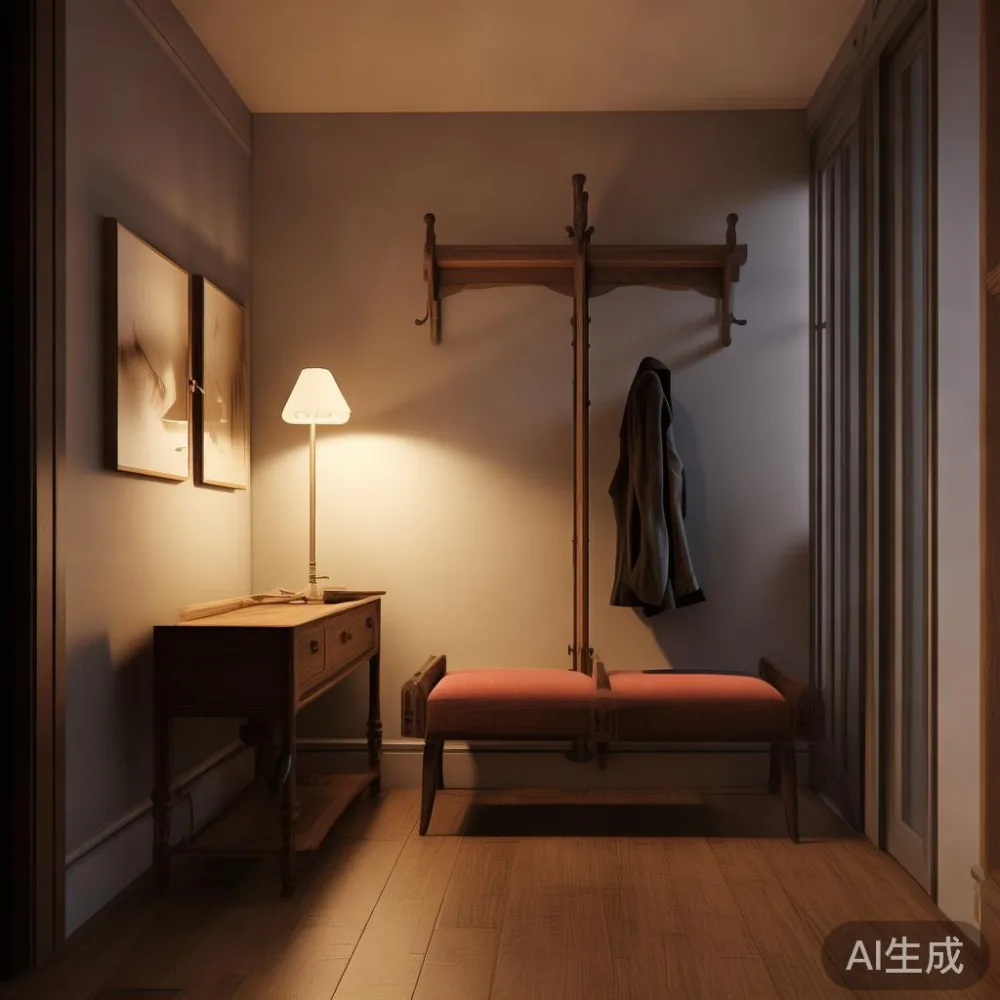
Entryway furniture often has to pass through shared lift lobbies, narrow corridors and security-managed access points before reaching its final position. A solid wood shoe cabinet may be beautiful at 45 kg, yet difficult to manoeuvre if its warranty excludes removal damage. The safest approach is to read the warranty alongside the product specifications, delivery terms and your building’s access rules, not in isolation.
What does a furniture warranty actually cover?
A useful furniture warranty should identify the exact product it covers, the company responsible for service, the coverage period and the process for making a claim. For structural failures, look for terms such as “solid wood frame” or “joint failure,” and check whether the wording applies only to the frame or also to components such as veneer, drawer runners, hardware and finishes.

Watch for exclusions. Common ones include accidental impact, water exposure, uneven floor contact, commercial use, unauthorised modification and normal colour variation. If you live in a humid HDB flat in Bedok or a Punggol condo with air-conditioning, ordinary indoor humidity is different from a piece stored in a leaking balcony. The warranty should distinguish between indoor residential use and outdoor exposure.
Pay attention to remedies. “Repair or replacement at the company’s discretion” gives the supplier some flexibility, but a clearer policy states who pays for collection, freight, installation and return shipping. MIDHILL offers a 10-year structural warranty and lifetime refinishing for qualifying furniture. Read the scope carefully: a structural warranty is not automatically a blanket promise covering every surface issue, and refinishing may apply to specified solid wood products rather than marble, metal fittings or other non-wood surfaces.

Keep your receipt, order number, warranty document and photographs. Take pictures of the item after delivery, including the underside, joints, back panel, corners and packaging. Six clear photos can save an argument about a 2 cm split appearing after the carton was removed.
Which parts should be named in the warranty?
A short warranty can still be useful if it is precise. Ask for the actual document and look for named components. For entryway furniture, that might include the frame, shelf, back panel, joints, drawer mechanism, door alignment and finish. If you are comparing a solid wood bed frame, dining table or wardrobe, make sure the quoted period is attached to those products, not merely to a separate upholstered range.
Check what the supplier considers a manufacturing defect. A loose joint, warped shelf, chipped factory-applied finish or defective drawer runner should normally be described. Scratches caused by moving without adequate protection are a different matter. Ask whether the warranty covers “workmanship,” “materials,” “structural integrity” and “finish” because each phrase signals a different level of protection.
For mixed-material products, ask which supplier handles the marble table top or metal hardware. A marble table can be affected by impact or improper support even when its timber base is sound. If the top is matched to a specific stone slab, ask about natural veining, reinforcement requirements and whether the table must be installed by the supplier.
Also check the claim window. A 10-year period sounds generous, but it may require prompt notification of the original defect. Ask whether the customer must stop using the item, whether repeated repair attempts are allowed and whether labour is chargeable after the first year.
Is delivery damage covered, or only defects discovered later?
This is the question most often missed. Separate manufacturing defects from transit damage. Some suppliers arrange delivery and their own carrier; others use an independent freight company. The responsibility can change at the doorstep. Document the furniture before signing, photograph the lift and corridor, and write down visible marks while the driver is present.
Singapore delivery distances can look simple on a map, yet service access matters. A HDB lift with an internal width of 90 cm and a door opening of 80 cm may reject a 95 cm wide wardrobe. A condo corridor of 140 cm may still present a problem when turning a 180 cm long solid wood dining table. Request the packaged dimensions, carton weight and number of cartons before delivery.
Ask whether delivery is curbside, room-of-choice or room-and-position service. “Free delivery” can mean free to the lobby only. Installation, carrying up stairs and placing the item inside the flat should be listed separately, normally in SGD. Confirm whether the delivery team can remove packaging, whether stairs add a fee and what happens if access fails.
MIDHILL provides free shipping for orders over US$350, but international shipping terms and local Singapore delivery terms are not interchangeable. Check the checkout and sales confirmation for the applicable freight terms, estimated lead time and destination-specific exclusions.
How do I know the replacement will fit through my HDB flat?
Measure the whole route before ordering, not just the furniture. Record the lift door width, lift cabin width and depth, corridor width, doorway width, turning space, stair width and the distance from the lift to the entryway. For example, a shoe cabinet may measure 80 cm wide by 35 cm deep and weigh 32 kg, yet its 84 cm wide carton will not fit through an 80 cm lift door.
Also record the route on the delivery day. Refurbishment work, a temporary move-out notice or a parked delivery trolley can reduce usable space. HDB residents in Tampines, Bedok and Punggol may also need to comply with building rules for moving furniture during peak hours. Check with the managing agent or condo management office.
If an item cannot be disassembled, measure the carton rather than the assembled product. A 120 cm long wardrobe packed for protection may require a different entry angle from the 118 cm finished carcass. Ask whether assembled or flat-packed delivery is available and whether the item can be separated into modules without invalidating the warranty.
For smaller homes, searching Japanese for small living room can be a useful starting point for compact proportions, but the route measurement remains necessary. A narrow console may suit the available wall, yet a 1.2 m long carton can still be the deciding factor in the lift.
What should I check before signing for the furniture?
Inspect the package first. Look for crushed corners, punctures, moisture marks or a seal that has been disturbed. Note “damaged on arrival” on the delivery receipt and take photographs before opening further. If a carton is visibly crushed, record it rather than assuming the item inside is sound.
Once opened, compare the piece with the order. Check dimensions, colour, finish, component count and accessories. Open every drawer, move each door and inspect the underside. For a solid wood sofa, test the frame and cushions; for a solid wood bed frame, inspect the joints and centre support; for a dining table, check the tabletop for movement and uneven edges. Entryway furniture deserves the same care: test the bench, console, shoe cabinet or hall tree for wobble.
Do not let the driver wait while you conduct a lengthy inspection if your building has a short unloading window. Instead, check the visible surfaces quickly, record concerns and arrange a proper review within the stated inspection period. Some warranties require notice within 24 or 48 hours.
Keep the original packaging for at least 14 days where practical. MIDHILL allows returns within 14 days under its stated return terms, but eligibility and item condition should be confirmed before ordering. The return process may require the original cartons, so discarding them can create avoidable friction.
Does “lifetime refinishing” mean every repair is free?
No. Read the definitions. Lifetime refinishing usually means the supplier will refinish an eligible product during its usable life under stated conditions, rather than providing unlimited free repairs. Ask which products qualify, which surfaces can be refinished, what the current fee is and whether the service covers collection.
Solid wood can be sanded and refinished, but deep structural splits, water damage, pet damage and misuse may be excluded. A marble table cannot be treated like a solid wood tabletop. Metal legs, stone surfaces and certain hardware may have separate repair methods or replacement periods.
Ask whether refinishing restores the original factory colour or depends on the current finish. A 5-year-old oak console may have mellowed differently from a new sample. Confirm whether a colour-matching fee applies and how long the refinishing cycle takes, such as 3 to 6 weeks after the item reaches the workshop.
If the wording mentions “lifetime,” check whether it refers to the buyer’s lifetime, the product’s life or the company’s operating period. A document that ends if the manufacturer closes is not equivalent to a transferable coverage period. This is not alarmism; it is simply precise reading.
How should I compare two warranties with different lengths?
Compare scope before headline years. A 10-year structural warranty on a solid wood dining table may be more relevant than a 5-year warranty covering many components if your main concern is joint integrity. For a solid wood sofa, examine frame coverage, cushion and upholstery terms, and what happens after the first year.
List the costs you could face under each policy: return freight, collection, installation, labour, replacement parts, finish matching and disposal. A longer warranty with unclear exclusions may offer less practical protection than a shorter policy with a straightforward replacement promise.
Design intent can affect service expectations. French light luxury may favour a pale oak console with curved edges and discreet storage. Post-modern light luxury may pair a slim walnut shoe cabinet with metal details. In either case, the warranty should identify who supplied each material and component. This matters when researching wholesale European light luxury furniture for a project: imported décor hardware may carry a different service arrangement from the main timber frame.
A coordinate approach can also simplify the claim process. If you are working out how to style light luxury wardrobe in apartment, check the finish and hardware terms for that wardrobe rather than assuming a nearby console has identical coverage. If you plan how to style Japandi wardrobe in room, ask whether shelves, doors and internal fittings are covered consistently.
Who handles a claim when the furniture came from a different supplier?
Confirm the legal seller. A marketplace listing, local dealer, interior project supplier and direct factory order can each involve different parties. The warranty may name the brand while the purchase contract names a dealer, or vice versa. The customer should know which company opens the case, who inspects the item and who pays the claim.
Ask for a claim reference number, expected response time and required documents. A reasonable written process might require the order number, photos, a short description and access to the delivery receipt. It should also state whether a technician needs to visit or whether the company asks for a video assessment.
For commercial projects, clarify that a residential warranty may not apply to a hotel lobby or office reception. Entryway furniture used daily in a condominium’s lobby could also be treated differently from an item in a private home, even when the style is French light luxury or American light luxury.
What questions should I ask before paying?
Ask these questions in writing:
1. What exact period and components does the structural warranty cover?
2. Which problems count as manufacturing defects, and which are excluded?
3. Who collects, transports, repairs or replaces the item?
4. Are parts, labour, installation and return freight included?
5. What notice period applies after discovering a defect?
6. Does the policy cover commercial use, outdoor use and high-humidity locations?
7. Can replacement parts be shipped separately if the whole item is too large?
8. What are the packaged dimensions and weight?
9. Is delivery to the lift included, and what charges apply inside the flat?
10. What happens if the item cannot enter the lift or corridor?
11. Does the finish guarantee cover fading, checking and minor surface marks?
12. How are refinishing, returns and warranty claims coordinated?
Also confirm the total price in SGD, including GST and delivery. For a local purchase, a 6% GST charge on a SGD 2,000 item adds SGD 120 before any accessorial charges. A quoted furniture price of SGD 1,800 may therefore become SGD 1,908 with GST, plus SGD 60 for lift-to-room placement.
What should I do if I find a problem after delivery?
Stop using the item if continued use could worsen the issue. Photograph the problem with an object for scale, such as a 10 cm ruler. Keep the product and packaging, and send a written notice with the order number, purchase date, description and requested remedy.
Ask the supplier to acknowledge the claim in writing and provide a target inspection date. If a representative visits, record the name and date, and keep copies of the report. Do not perform an unauthorised repair, as that may affect the warranty.
If the response is delayed, follow the complaint route in the terms rather than posting an accusation online. Include facts and request a specific remedy: repair, replacement, refund or return freight where applicable. Clear records make resolution faster.
A final comparison can be simple. Write the product name, structural period, finish coverage, delivery responsibility, claim response target and return period on one sheet. For example: entryway cabinet, 10-year frame coverage, finish terms as defined, room-of-choice delivery, 5 working days for initial response, 14-day return eligibility. This turns a dense warranty document into a usable decision tool.
Good entryway furniture should feel considered from the product showroom to the front door. The warranty becomes reassuring when its promises match the actual route, the actual materials and the actual service arrangement. Measure first, read every exclusion, and keep the written evidence.