How Humidity in Southeast Asia Affects Solid Wood Entryway Furniture
Humidity is rarely the first thing an owner considers when arranging an entrance cabinet, shoe bench, console, or mirror in a Singapore home. Yet between the East Coast’s morning dampness, afternoon showers, air-conditioned rooms, lift corridors, and wet shoes carried indoors, timber entryway furniture experiences conditions that can change its dimensions by several millimetres across a year.
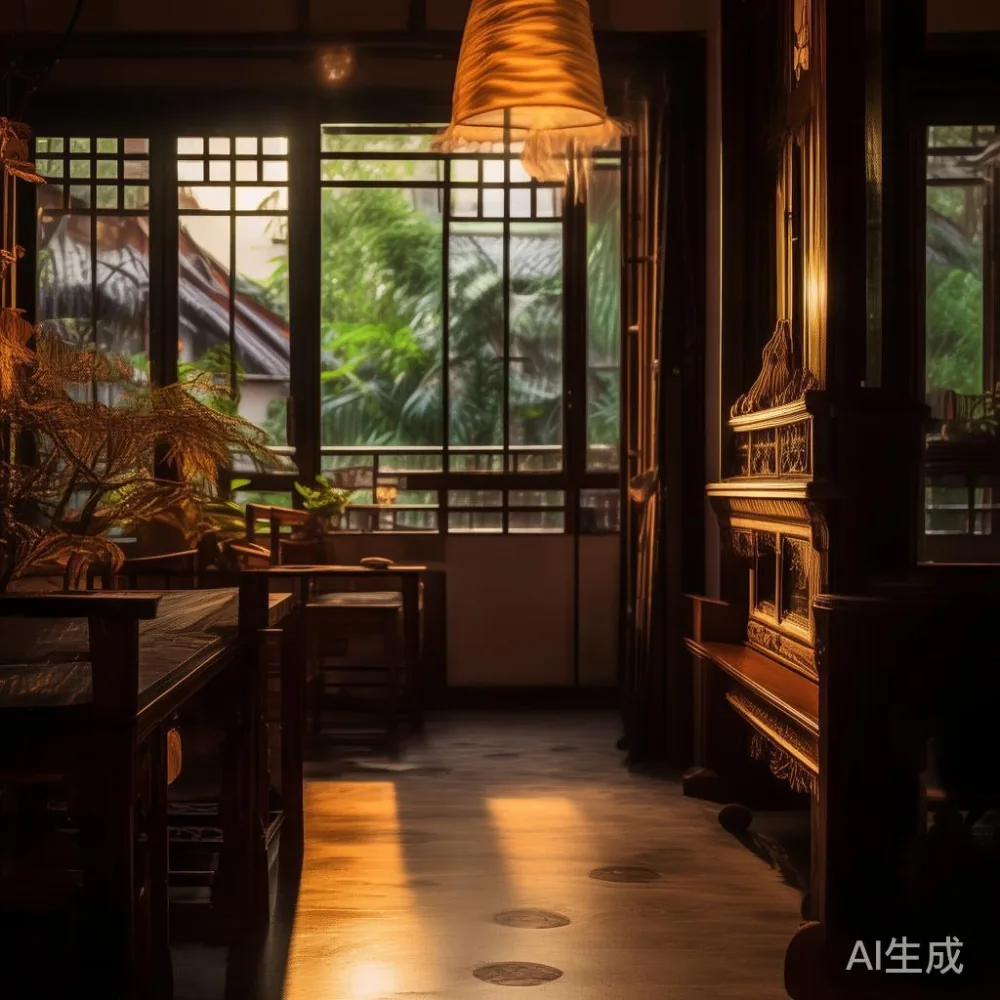
This guide explains how tropical moisture affects solid wood, where problems usually appear, and how to choose furniture that remains stable in HDB flats and condos around Tampines, Bedok, Punggol, and other Singapore districts. It also considers narrow common corridors, compact lifts, GST-inclusive budgeting, and the practical care needed for a marble table or light-luxury piece.
What relative humidity does to solid wood?
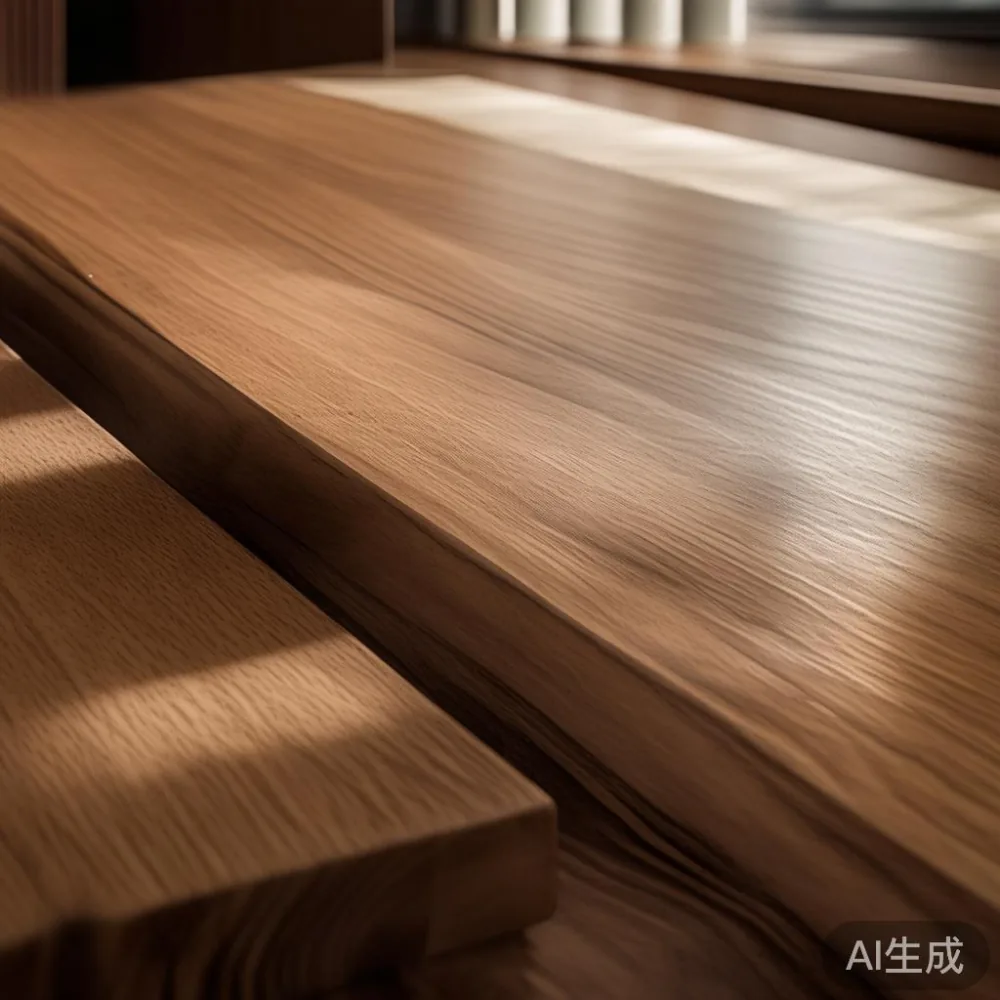
Wood is a hygroscopic material: it gains or loses moisture as the surrounding air becomes wetter or drier. Its movement is directional. A solid oak board may expand noticeably across its width while changing very little along its length. A veneered panel may behave differently from solid timber because thin veneers can move over their substrate, while engineered boards can show small delamination gaps at their edges.
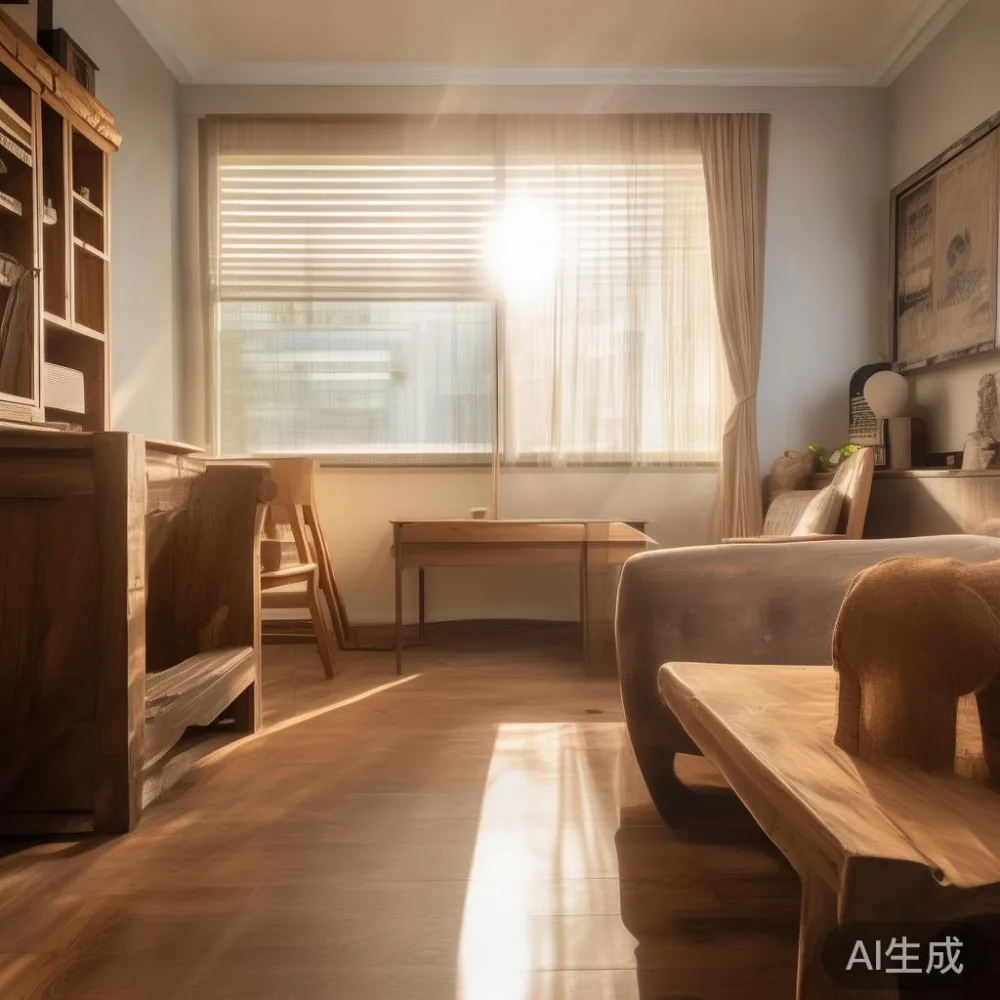
Singapore’s annual relative humidity commonly ranges from roughly 65% to 90%, although sheltered interiors, rainstorms, and air-conditioning can produce shorter swings outside that range. A cabinet near an open shoe area may spend several hours each day near 80% relative humidity. In contrast, a hallway served by cold air-conditioning may drop below 55% on weekday evenings.
Those cycles matter. A solid oak console 120 cm wide and 40 cm deep could move around 2 to 4 mm in width over a strong seasonal cycle, depending on its moisture content, thickness, grain direction, edge profile, and joinery. A 60 cm solid wood bed frame may show less total movement but develop a squeak at its rail joint if shrinkage opens a small gap.
The ideal response is not to avoid wood, but to moderate exposure and moisture exchange. Furniture should not touch an exterior wall known to leak, stand directly against a damp air-con condensate line, or sit beneath an open window during a 30-minute thunderstorm. Leave at least 3 to 5 cm from a wall when airflow is possible, including behind an entryway bench or tall cabinet.
Which entrance pieces show humidity damage first?
Thin horizontal surfaces catch the most attention: console tops, shoe benches, jewellery boxes, drawer tops, and marble table surfaces used near an entrance. End grain is also vulnerable because moisture can enter exposed timber ends more quickly than painted faces. Tight drawers, raised veneer edges, and unfinished indoor-outdoor furniture need careful inspection.
Watch for five practical signals:
• A drawer that catches halfway, even though it moved smoothly when new.
• A 1 to 2 mm gap appearing along one end of a console top.
• White, grey, or black spotting around a marble table’s underside or joint.
• A faint musty smell beneath a shoe bench after heavy rain.
• Fine checking lines that were not present before a humid period.
Surface marks are not always structural failure. A 0.2 mm checking line on a solid oak bench can be a normal response to dry air, especially if the timber is intentionally allowed to move. Deep splits, softened fibres, mould staining, or a warped load-bearing rail deserve prompt attention. Do not sand them away without understanding whether the piece is simply dry, was stored wet, or suffered an impact.
For shoes and damp towels, use trays or ventilated containers. A 90 cm entryway bench can hold 2 pairs of daily shoes if each tray measures 42 by 28 cm. Avoid sealed fabric liners that trap moisture against the wood. Coir mats are useful at the door, but they should not remain damp underneath a cabinet for hours.
Does Singapore HDB and condo space change the answer?
It does. Compact entrances magnify airflow restrictions, while common corridors and lift lobbies create additional handling risks. HDB lift cars are often about 90 cm deep by 140 cm wide for smaller service lifts, though building-specific dimensions vary. Some replacement lifts provide about 110 by 200 cm of usable space. A 120 cm wide wardrobe may fit across the larger car but not through a tight 82 cm doorway without turning it carefully.
Before delivery, record the lift door, lift car, landing door, staircase turns, and corridor width. Allow at least 5 cm of clearance around a large rectangular cabinet in the lift whenever possible. Protect corners with foam, not adhesive tape that can leave residue. A 45 kg wardrobe should be handled with 2 trained movers and appropriate trolley weight; one person should not attempt the lift stairs alone.
Condo corridors may appear cool and dry, yet still receive humid air during wet periods. Near a private entrance, position an entryway console or mirror away from direct airflow from an air-conditioning diffuser. The opposite extreme is not automatically safer: very dry air can cause shrinkage just as persistent humidity causes expansion.
A useful indoor target is approximately 45% to 60% relative humidity, with gradual rather than abrupt changes. Singapore does not need a heating system for this goal. A calibrated hygrometer costing about SGD 18 to 35 can provide a reasonable starting point. Place it at chair height, away from direct air-con outlets, and read it at similar times over at least 7 days.
How should you choose entryway furniture for humid conditions?
Choose construction details as carefully as appearance. Look for solid wood sofa frames, bed frame rails, dining table joinery, wardrobe carcasses, and nightstand drawers made for movement. The American bed vs Mid-century modern bed comparison can involve different solid timber thicknesses and frame systems, but both need stable joinery in humid rooms.
For entry use, favour pieces that can be wiped dry and have accessible undersides. A 35 to 45 cm deep console leaves circulation space in a typical 110 to 140 cm wide foyer, while a 45 cm deep bench allows wet shoes to be handled without blocking the door. Slim tapered legs reduce trapped moisture compared with a fully enclosed plinth. Adjustable feet can level furniture on uneven HDB flooring, with a 2 cm range providing useful tolerance.
Ask what finish is used inside and outside. A factory-applied hardwax oil or water-based finish can protect the surface while retaining a natural appearance, but no finish makes timber moisture-proof. Sealed marble needs attention to its supporting structure: a marble table should not flex underneath because its base is undersized or loose.
Designers comparing an American bed vs Mid-century modern bed should check drawer-free rails, tenon positions, centre supports, and ventilation under the frame. A dining table needs a stable apron and legs spaced so that a 180 cm top does not rack in a doorway. A nightstand benefits from an open back where possible. For wardrobe interiors, allow 10 to 20 mm clearance from wall surfaces where installation permits.
Light-luxury design does not have to mean fragile design. French light luxury often pairs pale oak with cream walls, brass details, curved mirrors, and restrained storage. American light luxury tends to use broader profiles, darker hardware, and substantial visual lines. Post-modern light luxury can combine simpler forms with one expressive material, such as walnut, woven cane, or stone. In all cases, confirm movement tolerance rather than relying on a style label.
What makes an entryway cabinet suitable for Singapore?
A useful cabinet has stable joinery, a ventilated or cleanable interior, doors that still operate after seasonal movement, and dimensions compatible with the actual route home. The is French wardrobe worth it question depends on layout and construction, not nationality of style. A hinged 120 cm French-style wardrobe may suit a broad landing, while a 60 to 90 cm module may be more realistic for an HDB foyer. Check whether its doors open into a lift or corridor.
For an entrance console, use a top with rounded or eased edges and a finish that can handle damp fingerprints. Avoid placing an unsealed metal vase directly over a wood top if condensation is likely. A mirror should have a backing separated from the wall by at least 10 mm where possible, allowing air to circulate and reducing trapped moisture.
For compact homes, consider whether the item must serve 3 functions: shoe storage, a bag landing surface, and a charging point. A 100 cm bench with a lift-top compartment can hold 8 to 10 pairs if the shoes are not damp. Keep the electrical module at least 30 cm from a sink or splash zone and follow Singapore’s local electrical requirements.
Buyer comparisons such as how to choose Mid-century modern bed provide useful questions for bedroom furniture, but entryway furniture has its own test: can it tolerate the corridor, be moved by the lift, and dry quickly after a wet day? A separate 150 cm console may be more useful than forcing an oversized cabinet into the entrance. Some homeowners choose Minimalist for guest room storage and a Modern for guest room bench, keeping heavier pieces in rooms with better ventilation.
Can a marble table or mirror be protected without losing its look?
Marble is less prone to absorbing moisture than timber, but moisture can affect adhesives, sealants, backing materials, and the cabinet carrying it. Wipe standing water promptly. Use a pH-neutral stone cleaner and a soft cloth rather than acidic household liquids. Avoid dragging a marble table by its top; lift the base or use a rated moving team.
For a marble-topped entryway console, inspect the underside after 2 or 3 rainy days. Look for a cloudy stain, damp odour, or movement at the corner. Stone should sit on an even support with a thin, appropriate bonding layer and a perimeter detail that does not trap water. A 2 to 3 mm overhang can reduce direct wetting, but it should not compromise the structural design.
Italian light luxury TV console designs often include stone, metal, and lacquered or wood cabinets. If that phrase leads you toward an entrance arrangement, check whether the console belongs in the living room or foyer. A TV console should not be placed merely because it looks refined; cable openings, ventilation, and viewing distance need independent checking.
How should you care for solid wood in a tropical home?
Let new furniture acclimatise before loading it heavily. A practical approach is to keep the piece in its intended area with protective wrapping partly open for 5 to 7 days, depending on its size and the existing indoor humidity. Do not place furniture in direct sunlight during that period. Compare readings rather than assuming a room is dry because the air feels cool.
Once installed, dust weekly and wipe wet marks within 30 minutes. Use coasters and trays, keep shoes on trays, and maintain 20 to 30 cm of ventilation behind tall furniture where space allows. Avoid leaving towels, raincoats, or shopping bags against wood for more than a few hours. If a leak appears, isolate power nearby, move small objects, and contact an installer or insurer rather than attempting to dry a swollen cabinet with a heat gun.
For small surface marks, follow the finish manufacturer’s instructions. Test any product on a hidden area for 24 hours. Do not apply oil to a marble table, and do not use a damp cloth on a lacquered or sealed surface unless the supplier recommends it.
For larger purchases, a 10-year structural warranty gives useful protection, but maintenance still matters. Lifetime refinishing can help restore appearance after years of use, while a documented humidity-care routine protects the piece between services. Check whether the warranty covers transport damage, wall contact, standing water, and seasonal movement; those distinctions matter in Singapore.
What delivery and return details should Singapore buyers confirm?
Confirm the full route before purchase: the current flat, lift capacity, doorway widths, turning corners, and whether the delivery team will carry the item to the door or place it inside the foyer. For a 60 kg wardrobe or 90 kg dining table, specialist handling is more appropriate than a standard parcel courier. Ask for the delivery window in days, assembly time, and the person responsible if the route is blocked.
Singapore purchases shown at SGD 8,500 for a dining table, SGD 4,200 for a bed frame, SGD 6,800 for a wardrobe, SGD 980 for a nightstand, and SGD 2,450 for a marble table are examples for budgeting only. Add the applicable GST treatment explicitly in the quotation; do not assume that a displayed total or deposit has the same tax treatment.
Free shipping over US$350 is useful for cross-border orders, but local delivery, lift handling, stairs, assembly, and remote-area charges should still be checked in writing. A 14-day return period can allow a buyer to assess colour, fit, and finish, but made-to-order pieces and irreversible custom work may have different conditions. Photograph the furniture on arrival and record every packaging layer.
MIDHILL has supplied solid wood furniture since 2008 and exports to more than 15 countries. Its Foshan production context is relevant because Singapore buyers should request timber species, moisture information, finish details, and packing specifications—not simply a photograph of a showroom.
Which measurements should you take before ordering?
Measure the space twice. Record the narrowest lift-door width, corridor pinch point, landing door, and the clear opening of the entrance door. For furniture, record length 3 times: maximum external width, maximum depth, and the diagonal required to turn through the tightest corner. Add 5 to 10 cm of handling allowance for larger pieces.
Also measure humidity-related clearances. Leave 3 to 5 cm behind a bench where possible, 10 to 20 mm behind a wardrobe if installation allows, and at least 30 cm from a splash-prone basin. A 45 cm deep shoe bench is easier to clean than a 60 cm deep model in a narrow foyer. A 100 cm entryway bench can often be handled by 2 people, while a 45 kg cabinet may require a trolley and 2 movers.
Ask the supplier how the item was dried and packed. A stable 8% to 12% moisture content can make sense for many indoor solid wood applications, but the supplier should explain the intended service conditions rather than apply one number indiscriminately. Confirm whether the furniture is solid timber, veneer, plywood, or a composite so that you know which parts may move and how to ventilate them.
For questions about a specific size, finish, or delivery route, a furniture specialist can help with measurements. Contact midhillco@gmail.com and provide the building type, access dimensions, item dimensions, and preferred delivery date. A 2-minute measurement check can prevent a much more expensive problem than a slightly imperfect finish.
How can buyers spot moisture-ready construction?
Look for clean joinery, consistent gaps, repairable panels, ventilation openings, and hardware that allows adjustment. Open and close every drawer, turn each cabinet door, and inspect the underside of shelves. The piece should not rock excessively on a flat floor; small adjustable feet should correct differences without forcing the frame.
Finish is a clue, not a promise. A well-coated surface can slow moisture exchange, but a thick film cannot replace sensible placement. Ask for the exact coating name, number of coats, and care instructions. For a light-luxury bedroom, the same principles apply to a solid wood bed frame as to an entrance cabinet: stable construction, controlled humidity, and no standing water.
Finally, match the item to the home rather than to a trend image. An American bed vs Mid-century modern bed debate may be about proportions and visual character, but humidity management remains the same. A French-style wardrobe may suit one landing and fail at the lift. A marble table may be beautiful and still require careful support. The right entryway furniture is the piece that fits its route, tolerates tropical air, can be maintained, and remains useful after years of wet shoes, warm air, and daily touches.