Warm Minimal Entryways: Matching Entryway Furniture in Singapore HDBs and Condos
The first thing you see when you walk through the door sets the temperature of the whole home. In a 4-room flat in Bedok or a 990-year lease condo in Punggol, that small corridor of space between the lift lobby and the living room carries a lot of responsibility. I matched my own Tampines HDB entryway three months ago, after the previous laminate console finally cracked at the corner joint, and I learned the hard way that warm minimalism is as much about restraint as it is about material choice. What follows is what I wish someone had written down for me before I spent SGD 1,840 on the wrong pieces.
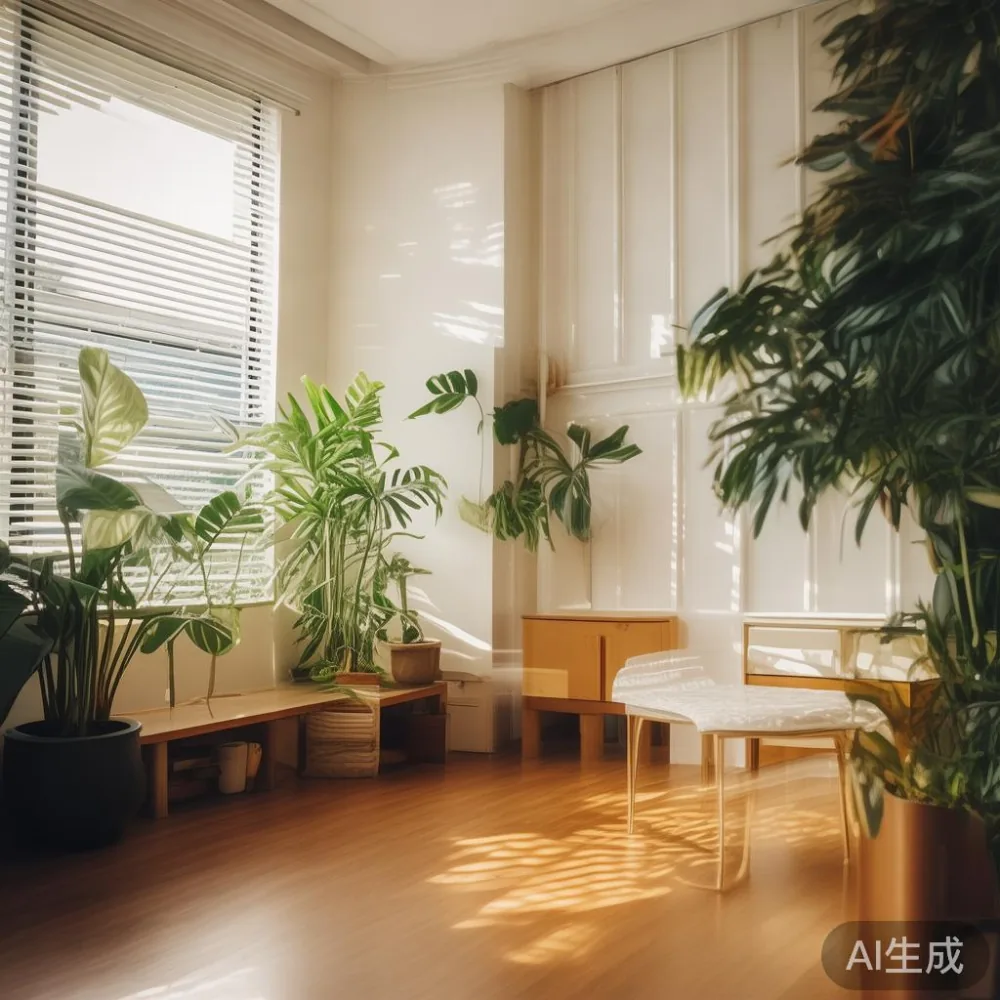
What does warm minimal actually mean for a Singapore entryway?
Warm minimal is not the cold, gallery-style minimal you see in show flats. It keeps the clean lines, the negative space, the single statement piece, but it warms those through tone, texture and material. Think of the visual quietness of a Muji catalogue combined with the buttery beige and tan palette of a Scandinavian autumn afternoon. The walls stay light, the floor stays neutral, and the entryway furniture does the talking through wood grain rather than ornament.
For Singapore homes, this works particularly well because the typical HDB entryway is narrow, usually between 110 cm and 140 cm wide, and the corridor often has a fire-rated door that swings inward. You have roughly 1.2 to 1.6 square metres to work with, and the lift opening to your floor is usually 90 cm wide, which quietly dictates the maximum depth of any piece you order from a mainland supplier. Anything deeper than 40 cm will fight the swing of the door.
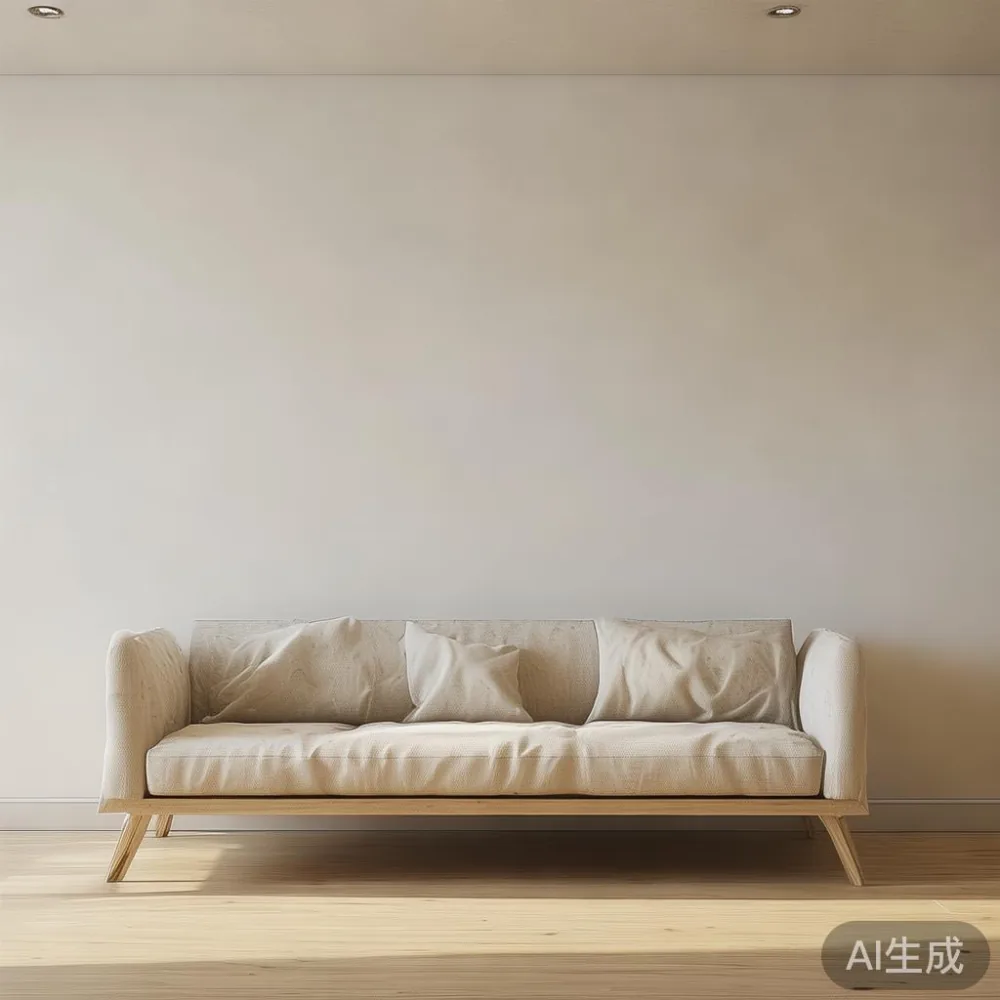
A solid wood sofa in the same pale oak or ash tone is the natural extension of the entryway palette. When the wood in the entryway matches the wood in the living room, the eye treats the apartment as a single, calm volume rather than a sequence of disconnected rooms.
Which entryway furniture pieces actually earn their keep?
An entryway needs to do four things, no more. It needs somewhere to drop keys, somewhere to sit while putting on shoes, somewhere to store the shoes that are not in daily rotation, and a mirror or surface that catches the last glance before leaving the flat. Anything beyond that is decoration pretending to be function.
Here is the short list I now recommend to friends renovating in Punggol and Sengkang:
A console or slim side table, 100 to 120 cm wide, 35 to 40 cm deep, 78 to 82 cm tall. This is the anchor of the entryway. It holds keys, a small tray, a ceramic dish, and a single low vase. A matching nightstand from the same maker keeps the visual rhythm when you glance down the corridor.
A bench or pair of stools. A 90 cm bench under the console, or two 35 cm stools that can slide under it. Cushions in linen or bouclé add the only colour you will need.
A mirror, 60 to 80 cm wide, hung 150 cm from the floor. Round mirrors warm a rectangular console; rectangular mirrors sharpen a round one.
A shoe cabinet or low storage bench. Closed storage is non-negotiable in HDBs because shoes left visible make a 4-room flat feel like a 3-room flat. Anything from 80 cm to 120 cm wide works.
A floor mat, minimum 60 cm deep, to catch the humidity difference between the corridor and the home. This is a practical concern in Tampines and Bedok, where afternoon humidity regularly crosses 80 percent.
For households who want a single piece that consolidates two of these functions, I have started recommending the European light luxury with storage approach: a slim console with two shallow drawers and an open shelf below, finished in light oak veneer. The drawers swallow keys and mail, the open shelf holds two pairs of daily shoes, and the top holds a vase. One piece, four jobs, no visual noise.
How should the wood tone and finish behave in a warm minimal home?
Wood is the single most powerful material in warm minimal interiors because it carries both the colour and the texture in one stroke. The mistake I see in new BTO flats around Punggol North is mixing three or four wood tones in a 90 square metre apartment: the kitchen cabinet in teak, the flooring in walnut, the dining table in pine, the wardrobe in beech. The eye reads this as clutter, even when every piece is well-designed on its own.
Pick one primary tone and stick to it. White oak, natural beech, and pale walnut sit comfortably in the warm minimal family. Rosewood and dark walnut lean more traditional and will fight the minimal side of the equation. For Singapore light, which is bright but indirect, a slightly honeyed oak reads warmer than a grey-washed ash, and you can always pull grey in through the linen cushion on the bench.
Marble is the second material worth thinking about, even at the entryway. A small marble table on the console, or a marble tray for keys, brings a quiet note of weight that wood alone cannot provide. In French light luxury and post-modern light luxury interiors, this combination of pale wood with a thin-veined white or beige marble is a signature. The trick is restraint: a 20 cm marble tray is enough. A 60 cm marble top on the console would tip the entryway into luxury hotel territory, which is not the goal.
For the dining room, the same logic applies. A bed frame, dining table, and wardrobe in the same honeyed oak finish will hold the apartment together visually, and the cost per piece drops once you stop mixing makers. Several Singapore buyers I have spoken with now order the full suite from one supplier rather than mixing pieces across four showrooms, partly for consistency and partly because the freight on a 40-foot container from Foshan works out cheaper per unit when you load it properly.
How do delivery realities in Singapore change what you should order?
Singapore delivery is the variable that quietly ruins most entryway plans. I learned this last month when a colleague in Punggol Waterway Terrace ordered a 200 cm console that looked perfect in the showroom. It arrived at the lift on the 14th floor, and the lift internal dimensions were 1.6 m deep by 1.2 m wide with a 2.1 m door. The console would not fit at any angle. The piece went back, and the SGD 180 delivery fee, plus the 9 percent GST on the returned item, turned a SGD 1,200 mistake into a SGD 1,560 mistake.
Measure your lift before you order, not just your corridor. Older HDB blocks in Bedok and Tampines often have lifts with internal widths of 1.1 m and depths of 1.4 m. Newer BTOs in Punggol are usually 1.2 m by 1.6 m. Private condos vary widely. If your chosen console is 40 cm deep, 120 cm wide and 80 cm tall, it will fit in almost any Singapore lift upright. Anything over 45 cm deep or 130 cm wide needs to be checked against your specific lift, not a generic specification sheet.
Shipping from Foshan to Singapore typically takes 12 to 18 days by sea, plus 2 to 4 days for customs and last-mile. Free shipping over US$350 (around SGD 480) is now standard from serious Foshan makers, including MIDHILL, who have been moving containers of solid wood entryway pieces since 2008. The 10-year structural warranty covers the joinery, and lifetime refinishing covers the surface scratches that any entryway piece will collect within the first year. For a Singapore household, that combination is worth more than a 20 percent discount on a brand that offers only a 1-year warranty.
Returns are another quiet cost. The standard 14-day return window in Singapore is generous, but the freight to send a 40 kg console back to a mainland factory is rarely refunded in full. Order samples of the finish first. Most Foshan makers will send a 20 cm by 20 cm wood sample by air freight for under SGD 40, and that sample will save you from ordering a SGD 1,500 mistake in the wrong tone.
What should you budget in SGD for a complete warm minimal entryway?
A complete warm minimal entryway from a Foshan solid wood maker, including the console, bench or stools, mirror, and shoe storage, typically lands between SGD 1,800 and SGD 3,200 landed in Singapore, including GST and delivery. The wide range depends on three choices: whether you choose solid wood or veneer, whether you add a marble accent, and whether you order the dining table and bed frame from the same maker at the same time.
For reference, here is what a realistic 4-room HDB entryway in Tampines or Punggol costs in mid-2025:
Slim oak console, 120 cm, with two drawers: SGD 620 to SGD 980.
Matching bench, 90 cm, in solid ash: SGD 380 to SGD 540.
Round mirror, 70 cm diameter, with oak frame: SGD 240 to SGD 360.
Low shoe cabinet, 100 cm, two doors, solid oak front with engineered body: SGD 520 to SGD 740.
20 cm marble tray: SGD 90 to SGD 160.
Linen bench cushion, custom: SGD 120 to SGD 180.
Freight, customs, GST and lift-up delivery: SGD 280 to SGD 420.
That puts the realistic budget for the entryway alone at roughly SGD 2,250 to SGD 3,380, depending on whether you choose solid wood or engineered wood fronts. Once you extend the same wood tone to the bed frame, dining table, nightstand, and wardrobe, the per-piece cost drops because the freight is shared across the container. Buyers I have spoken with in Punggol and Bedok typically spend SGD 8,500 to SGD 14,000 on the full living and dining suite, with the entryway as the anchor piece that sets the tone for everything else.
What should you avoid when matching pieces across the apartment?
The most common mistake is treating each room as a separate design problem. The entryway looks calm, the living room looks calm, but the two do not speak to each other because the wood tones are 30 percent different in warmth. The eye catches the mismatch even when the brain cannot name it. Walk from the entryway to the living room and back. If the transition feels jarring, the tones are off.
The second mistake is over-buying. Warm minimal rewards negative space. Two pieces of entryway furniture, well chosen, will always read better than five pieces crammed into 1.4 square metres. If the console and the bench are doing the visual work, skip the additional shelf, skip the second mirror, skip the umbrella stand. The corridor will feel larger, and the home will feel more expensive than it is.
The third mistake is ignoring the corridor width itself. In a narrow HDB corridor, a console deeper than 40 cm will force you to turn sideways as you walk past it. In a wider condo entryway, the same 40 cm console will look timid. Measure the corridor, then choose the depth. Width should follow the convention of roughly two-thirds of the corridor width, capped at 120 cm for a narrow HDB and 160 cm for a wider condo entry.
If you are browsing for sale Mid-century modern furniture to anchor the rest of the home, you will find that the same restraint applies: one statement piece per room, matched wood tone across rooms, and a single material accent such as the marble tray or a marble table in the corner of the living room to carry the eye through. American light luxury sits comfortably in this language too, with its slightly heavier proportions and warmer walnut tones, and the transition from American oak in the living room to honeyed oak in the entryway reads naturally.
Buyers looking for sale American furniture and for sale Coastal furniture will notice that warm minimal borrows from both: the clean lines of mid-century, the pale palette of coastal, without the driftwood weathering that coastal interiors lean into. A solid wood sofa in pale linen, a bed frame in the same oak as the console, and a dining table that seats six without dominating the room will hold the warm minimal line from entryway to back door.
For households considering scale, MIDHILL dining table wholesale orders from a single Foshan maker are worth asking about. The wholesale channel typically opens at a 4-piece suite (entryway piece, bed frame, dining table, and either a wardrobe or a nightstand), and the per-piece cost drops by 12 to 18 percent compared with retail. MIDHILL bed frames in particular ship well to Singapore because the headboard and side rails pack flat into a 220 cm by 35 cm by 20 cm carton, which clears almost every Singapore lift without disassembly.
If you are still narrowing the shortlist for the living room anchor, look specifically for the best Coastal sofa for 2026 in pale linen with a solid oak base, and resist anything over 240 cm wide for a typical HDB living room. The sofa should not be the largest piece in the room by volume; the dining table should. That single rule will keep the room warm, minimal, and unmistakably calm.