Caring for Lacquered Entryway Furniture in Singapore's Tropical Climate
Singapore is a city of vibrant life, from the busy corridors of a Tampines HDB block to the serene lobbies of a Punggol condo. The climate, however, presents a unique challenge for homeowners who appreciate fine furniture. The constant high humidity, temperatures averaging 31°C, and sudden afternoon downpours can test the durability of even the most well-crafted pieces. For those who have invested in elegant entryway furniture, understanding how to maintain its pristine finish is not just about aesthetics; it's about preserving a significant part of your home's personality and value. A beautiful console table or a sturdy shoe cabinet, often the first things guests see, deserve a level of care that matches their presence.
Why Lacquered Surfaces Need Special Attention in Singapore?
Lacquering is a finishing technique that involves applying multiple layers of a clear, hard resin to a wooden surface. This creates a deep, glossy, and highly protective layer. It's a hallmark of French light luxury design, often seen on elegant console tables and statement cabinets. While incredibly durable under normal conditions, this finish is sensitive to the extreme environmental fluctuations common in Singapore. The primary threats are moisture and heat.
Humidity is the most significant adversary. When the air is saturated with moisture, wood absorbs it. This causes the wood fibers to expand. For a piece with a rigid lacquer finish, this expansion can create immense internal stress. The result is often tiny cracks in the lacquer, known as checking. These cracks not only mar the surface's beauty but also expose the wood underneath to further damage. Condensation is another silent culprit. A cold surface, like a marble-topped console table, in an air-conditioned room, can cause moisture in the air to condense on its surface. This water, if left, can seep into the wood at the seams or around hardware, leading to swelling or even rot over time.
Temperature fluctuations add another layer of stress. Moving a piece of entryway furniture from an air-conditioned living room (around 24°C) to a humid balcony or corridor can cause the wood to rapidly expand and contract. This constant cycle of expansion and contraction weakens the lacquer's bond with the wood, making it more prone to peeling or cracking. The goal of care is to create a stable micro-environment around your furniture, buffering it from these external stresses.
What You'll Need: A Practical Checklist for Maintenance
Effective maintenance requires a few specific tools and products. Using the wrong items, such as harsh chemical cleaners or abrasive cloths, can do more harm than good. Here is a practical checklist to assemble for your entryway furniture care routine.
For cleaning, you will need a soft, lint-free microfiber cloth. These cloths are excellent for dusting and wiping without scratching the surface. A separate, clean microfiber cloth for drying is also necessary. You will need a pH-neutral wood cleaner. These are specifically formulated to clean wood surfaces without stripping the natural oils or damaging the lacquer. Avoid all-purpose household cleaners, as they often contain ammonia or other chemicals that can dull the finish.
For polishing, a high-quality furniture polish or a carnauba wax-based cream is ideal. Carnauba wax provides a protective layer that enhances the shine and helps repel minor moisture. Application is simple: use a soft, dry cloth to apply a thin, even layer, then buff it gently with another clean cloth until it shines. This process should be done every 2-3 months for general upkeep. For deeper nourishment, especially in drier months when air-conditioning is constant, a wood conditioner or rejuvenating oil can be used once or twice a year. These products penetrate the lacquer slightly to nourish the wood underneath.
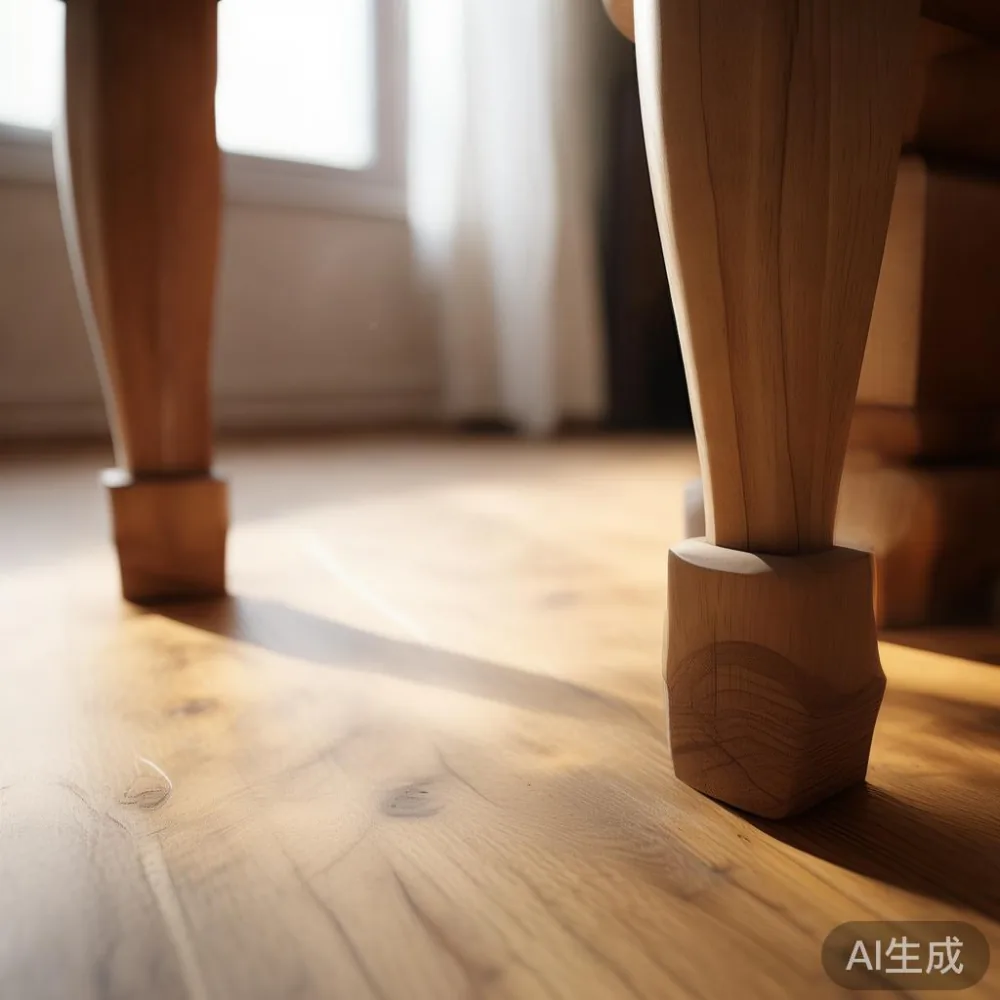
Protection is just as important as cleaning. Felt pads for the feet of your furniture are a small investment that prevents scratches on your floor and makes moving the piece easier. For console tables against a wall, small cork or felt bumpers on the back corners can prevent the finish from rubbing against the wall. A set of coasters is non-negotiable for any surface that might hold a vase, a key bowl, or a drink. This prevents water rings and stains from appearing on your beautiful finish.
Step-by-Step Daily and Weekly Care Routine
A consistent, gentle routine is the best way to protect your lacquered entryway furniture. It doesn't need to be a time-consuming chore. In fact, a few minutes a day can prevent hours of restoration work later on.
Daily care is minimal but important. Dust your entryway furniture with a soft, dry microfiber cloth. This should take no more than 30 seconds. Focus on high-touch areas like the top surface of a console table or the handles of a shoe cabinet. Dust can act like an abrasive, scratching the finish over time. If you notice any moisture droplets from condensation or a spill, wipe them away immediately with a dry cloth. Do not let water sit, even for a few minutes.
Weekly care involves a slightly more thorough cleaning. Start by removing all items from the surface. Use a microfiber cloth slightly dampened with pH-neutral wood cleaner to wipe down the entire piece. Work with the grain of the wood to avoid streaks. Pay special attention to any carved details or seams where dust might accumulate. After wiping, immediately use a second, dry microfiber cloth to buff the surface until it is completely dry. This step prevents any residual moisture from seeping into the wood. Finally, apply a thin layer of your chosen polish or wax and buff to a shine. This weekly ritual takes about 5-10 minutes and keeps the furniture looking its best.
My colleague, Sarah, who lives in a Bedok HDB flat, learned this the hard way. Last month, she visited my home and admired my lacquered entryway console table. She mentioned her own, similar piece from a local brand had developed small white spots on its surface. I asked about her cleaning habits. She admitted she often used a wet cloth with regular dish soap to wipe away dust and fingerprints. The soap had stripped the protective oils, and the high humidity had caused the wood to react, creating those unsightly spots. Switching to a proper pH-neutral cleaner and a consistent routine helped restore her furniture's finish. It was a clear lesson that simple, correct habits make a significant difference.
How to Handle Spills and Stubborn Marks?
Accidents happen. A dropped umbrella, a wet grocery bag, or a spilled drink can all find their way onto your entryway furniture. The key is to act quickly and correctly to minimize damage.
For liquid spills, the first step is always immediate action. Grab a clean, dry, absorbent cloth or paper towel. Gently blot the spill. Do not rub, as rubbing can push the liquid into the wood grain or spread the stain. If the spill is water, blotting is often sufficient. If it's a sugary drink or something with colour, you may need to dampen a corner of your cloth with a small amount of pH-neutral cleaner and continue blotting gently. After the spill is removed, wipe the area with a clean, damp cloth to remove any cleaner residue, then immediately dry it with a soft, dry cloth.
For stubborn marks like fingerprints or smudges, a slightly damp microfiber cloth is usually effective. If that doesn't work, you can use a very small amount of furniture polish on the cloth and rub gently in a circular motion. Avoid using abrasive substances like baking soda or commercial scrubbing pads, as they will scratch the lacquer. For heat marks, which can look like white rings, the situation is trickier. If the mark is very new, you can try rubbing it gently with a cloth containing a few drops of mineral oil. For older or more severe marks, professional refinishing may be the only option, which is why prevention is always better than cure.
Is Your Entryway Furniture Positioned Correctly in Your Singapore Home?
The placement of your entryway furniture within your Singapore home is a critical factor in its longevity. It's not just about aesthetics; it's about environmental management. A piece of furniture placed in a poor location will constantly fight against its surroundings, leading to premature wear and tear.
First, avoid placing lacquered entryway furniture in direct sunlight. Singapore's sun is intense, and UV rays can fade and discolour the lacquer over time, turning a rich, dark wood into a dull, sun-bleached version of itself. If you have a console table in an entryway with a window, ensure it's not in the direct path of the sun's rays for several hours a day. Similarly, keep it away from direct sources of heat, such as air-conditioning vents or heaters. The constant, direct blast of dry, cold air can dry out the wood and cause the lacquer to become brittle.
Second, consider the humidity levels in different parts of your home. For instance, a shoe cabinet placed in a corridor near the main entrance of a Tampines HDB flat will be exposed to the highest levels of humidity every time the door is opened. Ensure this area is well-ventilated. If you live in a Punggol condo with a balcony, be mindful of placing your entryway furniture too close to an open sliding door, where it will be exposed to the elements. A good rule of thumb is to maintain at least 50-100 cm of distance from external walls or doors that are frequently opened.
Finally, think about the physical space. Singapore homes, especially HDB flats, have specific dimensions. A standard corridor in an HDB is typically about 120 cm wide. Ensure your entryway furniture fits comfortably within this space, allowing at least 30-40 cm of clearance on either side for easy movement. This prevents accidental bumps and scratches. When choosing a piece for sale Mid-century modern furniture, always measure your space first. A beautiful console table that is too wide for your hallway will not only look awkward but will also be more susceptible to damage in a confined area.
When to Call a Professional: Understanding Your Warranty and Care Services
Despite the best care, sometimes issues arise that are beyond the scope of at-home maintenance. This is where understanding your furniture's warranty and the manufacturer's after-sales services becomes important. For instance, a reputable brand like MIDHILL, established in 2008 and exporting to 15+ countries, often provides comprehensive care options. They offer a 10-year structural warranty and a lifetime refinishing service, which speaks to their confidence in their products.
Professional help is warranted for deep scratches, chips, or extensive peeling of the lacquer. Attempting to repair these yourself with store-bought touch-up pens can often result in a mismatched colour and an unprofessional finish. A professional refinishing service can strip the old lacquer and reapply it, restoring the piece to its original condition. This process can be expensive, often costing several hundred SGD, but for a high-quality piece of entryway furniture, it can be a worthwhile investment to preserve its value.
When choosing a professional, look for someone who specialises in wood furniture finishing, not just general repair. Ask to see examples of their previous work. For those exploring light luxury for apartment living, maintaining the integrity of key pieces is paramount. A well-maintained European light luxury bed vs Japandi bed comparison often comes down to the condition of the finish, highlighting the importance of expert care when needed. Remember, a professional service should be seen as an extension of your care routine, not a replacement for it. Regular, gentle maintenance will delay the need for such interventions for many years.
Finally, if you are purchasing new entryway furniture, consider the delivery and assembly process. A good company will offer free shipping over SGD 350 and have a 14-day return policy. This allows you to inspect the piece thoroughly in your home before committing to it. My colleague recently purchased a how to style French provincial wardrobe in bedroom guide online and was relieved to find the company offered white-glove delivery, ensuring the piece was placed without a single scratch. When investing in a best French sofa for 2026 or a sophisticated marble table, the peace of mind that comes with reliable service is as important as the product itself.