Entryway Sofa: Must-Have Features
A sofa you cannot sit on sounds like a strange purchase until you bring it into a Singapore home. The issue is usually not comfort but access. A three-seater may fit the HDB flat you currently live in yet be impossible to turn through the lift lobby, pass along the common corridor, or enter through the front door. The product may be beautiful, comfortable and correctly measured, but if it cannot reach the intended room, its practical value disappears.
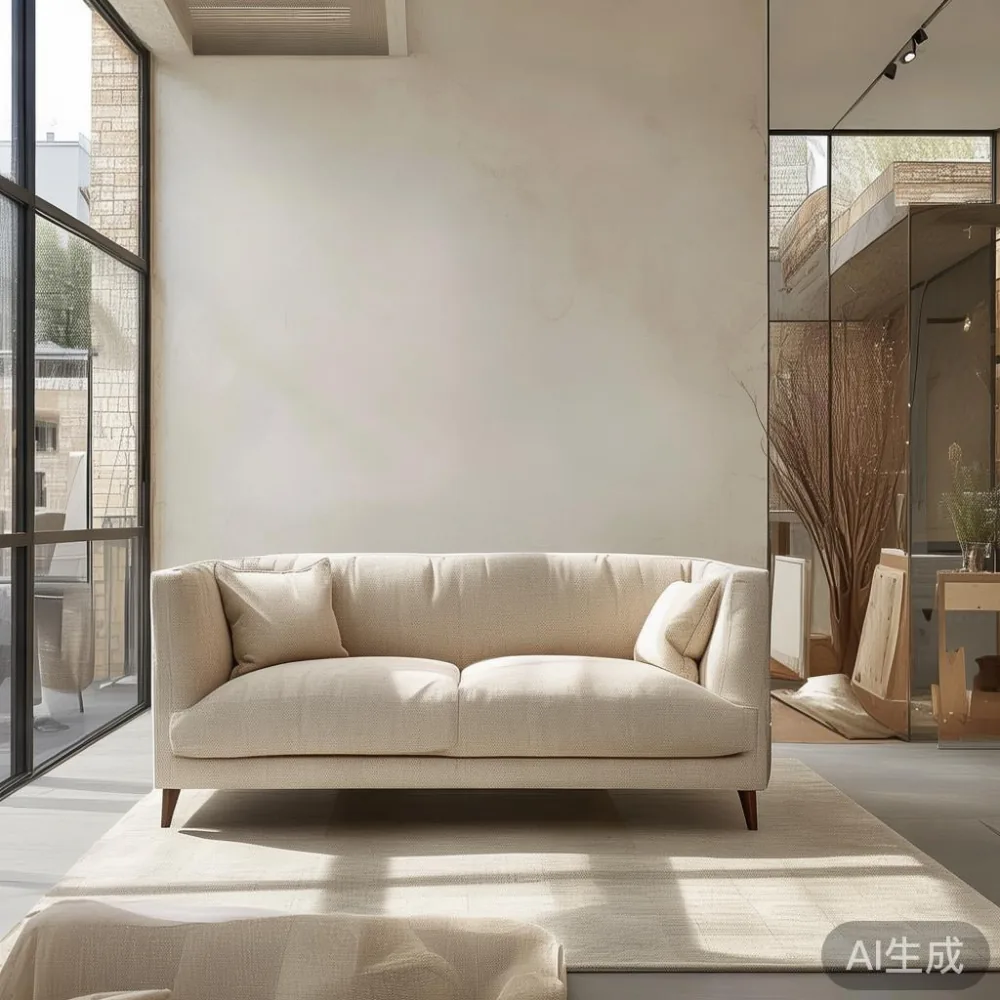
Entry planning should happen before payment, not after delivery. The sofa, its packaging and the building's access route form one continuous test. In a compact HDB flat in Tampines or Bedok, even a 12 cm difference between the sofa's widest fixed dimension and the lift doorway can decide whether the purchase is workable. In a Punggol condo, the lift may be generous while the private corridor narrows to an awkward turn near the unit entrance.
This guide explains how to check the dimensions that photographs often conceal, how delivery crews handle a large piece, and what to confirm before ordering. The goal is straightforward: buy a sofa that suits the room, suits your body and, most importantly, can physically enter your home.
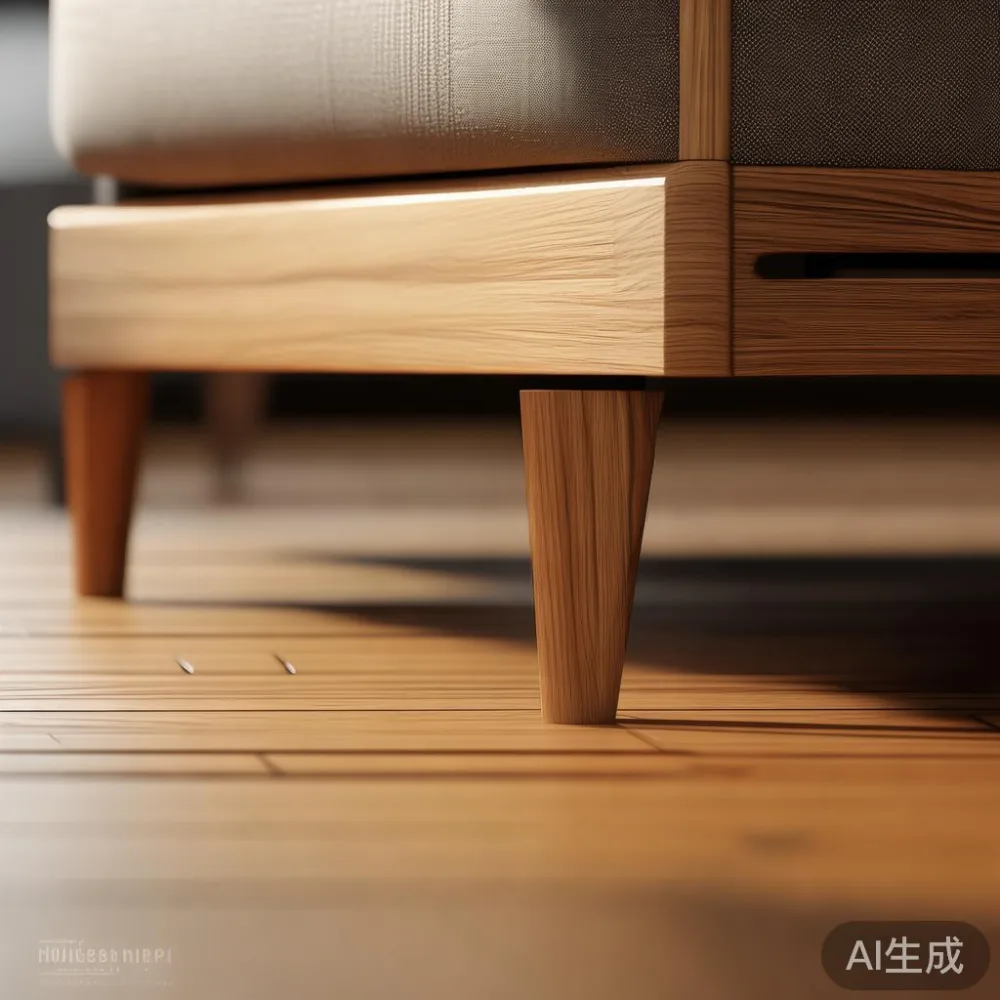
Can the sofa actually pass through every part of the building?
Start by measuring the complete route rather than only the lift interior. Record the width and height of the lift doorway, the lift car dimensions, the landing, every corridor, the stair or ramp if applicable, your front door and the internal doorways. Use a steel tape and photograph each measurement with a ruler visible in the frame. Do not rely on an estate agent's approximate figure.
For perspective, a standard HDB lift door opening is often around 90 cm wide, although older blocks and renovated entrances vary. A condo service lift may provide roughly 110–120 cm, but the narrowest turn can be elsewhere. The sofa should be compared with the smallest fixed measurement along the route, not the most generous space.

Check the sofa in its delivered configuration. A solid wood sofa may have detachable arms or legs, while an upholstered model may arrive as modules. Removing a leg can reduce height by 8–12 cm, but it does not necessarily reduce width enough to solve the problem. Ask for an assembly diagram and a photograph showing every removable component. Also verify that the packing material itself can fit: a sofa may measure 82 cm wide as a bare frame but arrive in a carton 90 cm wide.
Do not assume a diagonal trick will work. Tilted furniture can damage the frame, strain the carrier and become unsafe near a stairwell. If a manufacturer refuses to state the packed dimensions or turning requirements, treat that as missing information rather than a detail to discover on delivery day.
Will the delivery crew be allowed to move it safely?
Delivery-day surprises are expensive because a failed move may require a return trip, a second vehicle or disposal. Before ordering, obtain the couch's packed weight as well as its dimensions. A large three-seater can weigh 55–85 kg, and a solid timber frame may exceed 90 kg. One person should not attempt to manoeuvre it alone.
Ask whether the supplier uses dedicated two-person delivery for a sofa over 60 kg, whether the crew can dismantle legs, and whether stair carries are quoted separately. For a lift installation, confirm whether they will protect the lift walls and whether the building requires a service-lift booking form or an approved mover's certificate. Some managed estates apply this requirement to furniture moves scheduled between 9 a.m. and 5 p.m. on weekdays.
Measure the parking location too. The carrier needs a route from the lorry to the lift, not merely permission to use the lift. A loading point more than 60 m from the entrance, a locked gate or no parking at the time of the appointment can add 20–40 minutes and may trigger a failed-attempt fee. At MIDHILL, delivery terms should be confirmed in writing so that access constraints are understood before the furniture leaves the warehouse.
For shoppers comparing broader catalogues, terms such as under 2000 Italian light luxury furniture are not much help if the seller omits packed measurements. A clear access checklist matters more than a style label. Likewise, a search for cheap Mid-century modern furniture should still produce verifiable dimensions, weight and delivery information; low price does not remove the geometry of the lift.
Is the frame strong enough for the way you will really use it?
A sofa's visible dimensions tell you whether it can enter, but the frame specification tells you whether it will last. Look for kiln-dried solid wood or a clearly identified structural hardwood in load-bearing areas, rather than a vague reference to a “wooden frame.” Joints should be dowelled, screwed or corner-blocked, not held together only by staples in a hidden rail.
Check the seat height, seat depth, back height and arm height against the people who will use the sofa. A seat height of 40–43 cm is generally easier to stand up from than a very low 36 cm design. A usable seat depth of 52–58 cm supports ordinary sitting better than a shallow 48 cm cushion, particularly for taller adults. If the sofa doubles as occasional sleep space, test the extended depth and confirm the total length with the back in its normal position.
Ask for the declared frame warranty and the exclusions. A 10-year structural warranty, for example, may cover joints and frame defects but not frame misuse, accidental damage or wear on moving parts. Confirm whether the timber species, moisture treatment and joinery are documented. MIDHILL's stated 10-year structural warranty and lifetime refinishing policy provide useful reference points, but the warranty certificate should still specify which components are covered.
Upholstered comfort also deserves a physical check. If possible, sit on the actual display unit for at least 5 minutes. Look for a supportive surface that does not bottom out, cushions that recover after standing and armrests that do not wobble. Density figures are useful only when supplied with honest tolerances: a seat foam around 35–42 kg/m³ is a practical benchmark, while an unverified claim should not carry much weight.
How will the sofa fit the room after it enters?
Access is only the first test. The sofa must leave enough circulation space after placement. In a compact Singapore living room, allow about 75–90 cm between the front edge of the sofa and a coffee table for normal walking. Maintain roughly 60 cm beside major seating where a person needs to pass, and check that curtains, cabinet doors and air-conditioning outlets remain usable.
Draw the room to scale on graph paper before ordering. Each square can represent 20 cm. Place the sofa's delivered dimensions, then add the coffee table, television console and circulation gaps. A 210 cm sofa may look balanced in a 340 cm-wide wall recess but leave too little space in a room with a projecting dining zone.
Entryway furniture deserves equal attention because it establishes the route from the front door into the home. A narrow bench or console may need to stay under 35 cm deep in a compact foyer, while a shoe cabinet around 80–100 cm wide can provide useful storage without blocking the lift lobby. Keep the main passage near 90 cm wide where possible. If the sofa is visually prominent from the entrance, repeat one colour from the entryway furniture to make the transition feel deliberate rather than crowded.
This is where light luxury for apartment becomes more than a decorative phrase. French light luxury, American light luxury and post-modern light luxury can all suit Singapore interiors, but proportion and access remain non-negotiable. A pale fabric, walnut-toned solid wood frame and restrained lines can make a modest flat feel composed without filling every wall.
What should be in the delivery and return terms?
Get the following details in writing before payment: packed dimensions, unpacked dimensions, net weight, number of cartons, delivery lead time, failed-attempt charges, stair or service-lift fees, assembly time, and the return procedure for a damaged or inaccessible item.
For stock in Singapore, allow approximately 5–10 working days for delivery. Made-to-order pieces may require 4–8 weeks, although the supplier should provide a firm estimate rather than an open-ended promise. Confirm whether the stated period begins after production, after stock arrival or after your access information is received.
Singapore shoppers should also confirm GST treatment. A displayed price should clearly state whether 9% GST is included; a quote that rises at checkout can create avoidable frustration. Payment protection should be linked to delivery. If the item arrives damaged, document the carton, seams and furniture before signing, and retain the packaging until the issue is resolved.
Review the return window. A 14-day return policy is useful, but the practical question is who pays when a large sofa has entered the wrong building route. Confirm whether oversized-item collection, return freight and restocking charges apply. A furniture supplier that measures the access route with the customer before dispatch reduces this risk substantially.
Also clarify after-sales support. Ask how replacement cushions, frames, legs and finishes are handled, and whether refinishing is available for the lifetime of the product. A solid wood sofa should normally arrive with a finish suitable for Singapore's humid conditions, while a marble table may need coordinated delivery because its top is heavy and vulnerable to edge chips.
Can the style still work in a small Singapore home?
Measure twice, then choose a proportion that visually calms rather than crowds the room. A two-seat sofa around 160–190 cm long may be more suitable than an oversized three-seater for a compact HDB living room. In a loft or larger condo, a sectional can work if every module passes the lift and the assembled footprint leaves adequate circulation.
If you are planning a coordinated home, investigate how to style French sofa in room ideas by pairing curved or fluted details with one refined focal point rather than five competing features. For a more relaxed look, Vintage for small living room styling often works through warm timber, tactile cushions and restrained colour; avoid making “vintage” a cover for dimensions that were never checked.
Guest rooms have different demands from main living areas. Coastal for guest room styling can use pale neutrals, woven textures and light timber, but the bed frame, wardrobe and nightstand still need to pass the same building route. A 150 cm bed frame may enter through a lift while a 180 cm model cannot, and a wide wardrobe may be impossible to pivot from the corridor.
Build a coordinated delivery sequence. The largest and least flexible pieces should move first, followed by the bed frame, dining table, wardrobe and nightstand. Entryway furniture can be installed last if it sits close to the door. Label cartons by room and sequence them to reduce handling time.
What did I learn from a real delivery test?
Last month I visited a colleague in a Bedok HDB flat to observe a sofa delivery. The showroom model measured 198 cm wide, but the lift doorway was 91 cm and the flat's internal door was 83 cm. The sofa had detachable arms, reducing the packed width to 88 cm, yet the carrier still could not clear the internal corner.
The delivery team stopped at the flat entrance, protected the floor and reassessed instead of forcing the frame. With the client's approval, they removed the seat cushions and one arm, turned the remaining frame through the doorway and completed the installation in about 35 minutes. The sale had not included dismantling, so the supplier agreed a partial service charge of S$35. The lesson was practical: remove the arms at the workshop, not in a 1.5 m-wide corridor.
Before that visit, I had considered a sofa only “about 200 cm wide” acceptable. The measurements showed why approximate dimensions are frustrating. An 88 cm packed width can pass a 91 cm opening with only 3 cm of total tolerance, and corridor turns can consume that margin. The useful figures were not the sofa's nominal length but the carton width, carton height, packed weight and the narrowest point from the lorry to the room.
What should I confirm before placing the order?
Before paying, create a one-page check with 10 numbers: sofa width, depth, height, seat height, seat depth, packed width, packed height, packed weight, narrowest building clearance and delivery lead time. Add the GST-inclusive price, delivery charge and return terms. For a larger order, include the packed measurements of every related item, from the bed frame and dining table to the wardrobe and nightstand.
Ask the supplier to repeat the access information back. If a piece will be delivered by a third-party carrier, make sure both parties agree on who dismantles it and who bears the cost when access fails. Keep screenshots of the order confirmation and measurement conversation.
Solid wood construction deserves a close look at sample joints, but access deserves the same attention. A well-made sofa can still be unusable if the lift is too narrow; a grand marble table can be beautiful but awkward to manoeuvre; a handsome entryway furniture set can organize the home if its depth respects the passage. Confirm the route, check the specifications, and only then approve the purchase. That discipline protects both the room and the investment.