Small Apartment Styling in Singapore: Entryway Furniture and Beyond
Last month I visited a 624 sq ft three-room HDB flat in Bedok with my colleague, a furniture specialist who has spent fourteen years specifying pieces for compact Asian homes. We arrived at 10.40am, rang the bell at Block 138A, and squeezed into the lift with two dining chairs propped on a trolley. The corridor outside measured 1.2 m wide, which is the standard HDB clearance, and the resident told us she had returned three sofas in eighteen months because each one blocked the walkway from the front door to the kitchen. That single afternoon taught me more about small-space styling than any catalogue I have ever read, and it is the starting point for everything that follows on this page about entryway furniture, solid wood frames, and the geometry of small apartment living.
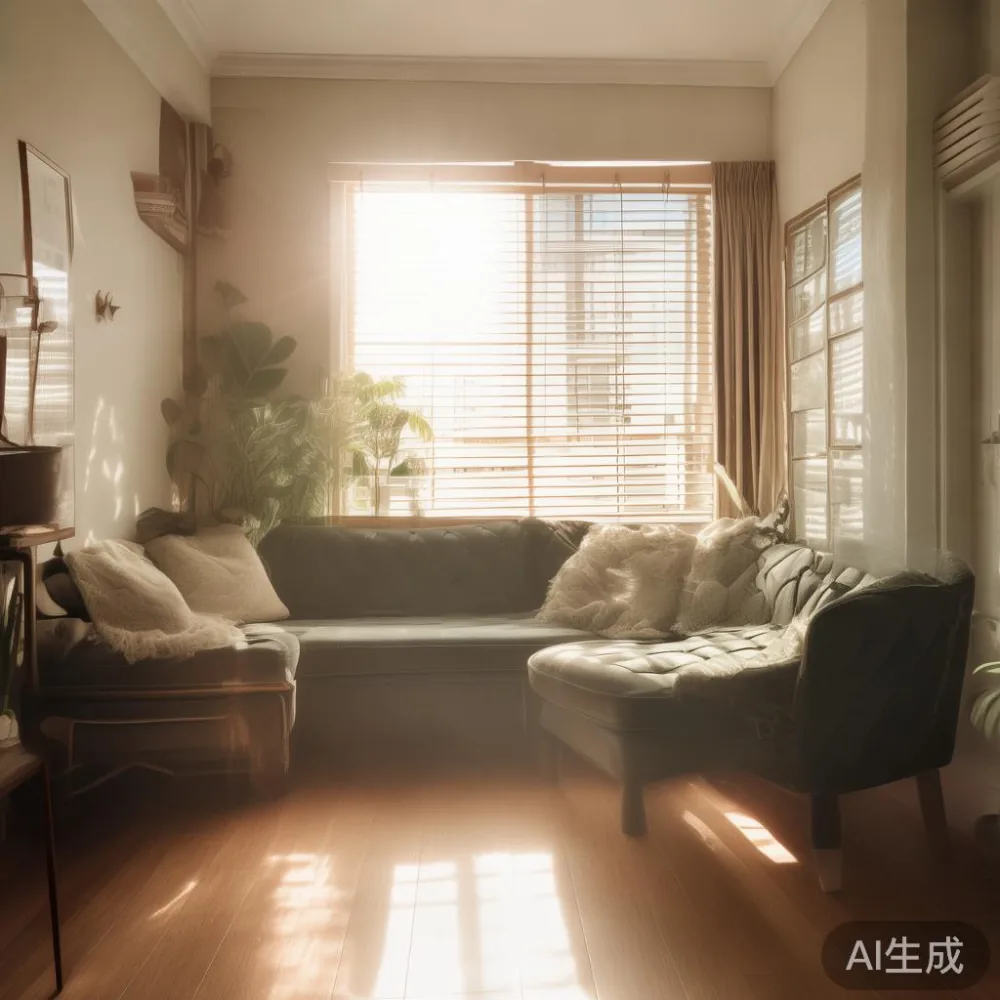
Why entryway furniture is the first decision you should make, not the last
In a Tampines four-room flat of roughly 900 sq ft, the entryway is rarely more than 1.1 m deep and 1.5 m wide once the fire-rated door swings open. Treat that patch of floor as a small room of its own. A bench that is only 35 cm deep and 90 cm wide, paired with a wall-mounted shelf 18 cm deep, gives you a place to drop keys, water bills, and the GrabFood bag your cousin keeps forgetting. A solid wood bench in oak, weighing about 14 kg and rated to 120 kg, costs around S$340 to S$520 in Singapore retail, and a marble table insert at 70 cm diameter can sit beside it for S$680 to S$900 if you want a soft-luxury counterpoint. Because the slab is round, there are no corners to catch on jackets when you leave at 7am for the Punggol bus interchange.
The point is that entryway furniture does more than look nice from the lift landing. It absorbs the daily clutter of shoes, umbrellas, and the laptop bag that never seems to make it to the study. A wardrobe placed just past the entryway zone, only 45 cm deep, can house both coats and the robot vacuum, freeing the living room from visible storage. When MIDHILL supplied a 1.8 m tall oak wardrobe to a client in Punggol last quarter, the homeowner reported that her 4-room flat felt 12% larger because the eye no longer stopped at three piles of folded laundry.
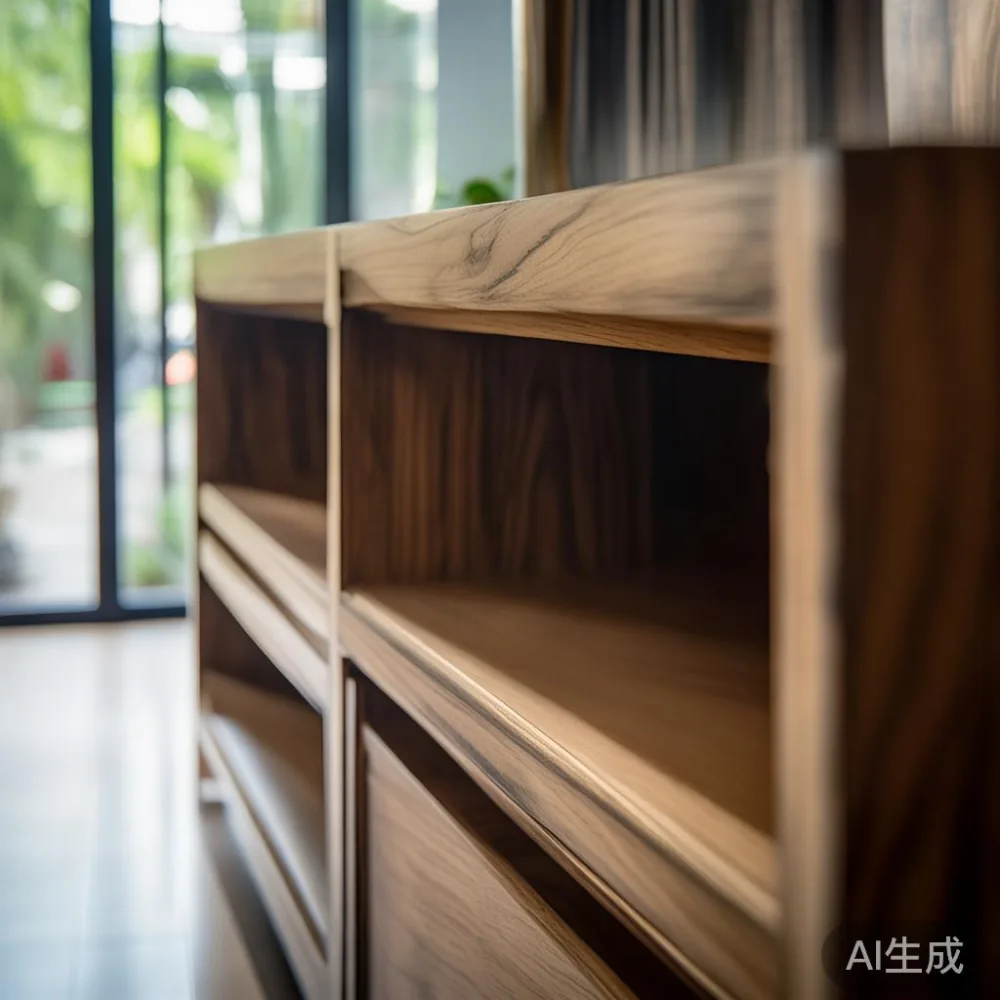
How do you choose pieces that look luxurious but still leave 80 cm of walking space?
The 80 cm rule is the one I follow on every compact HDB or condo project. That is the minimum comfortable passage between a console and the opposite wall, and it is what allows two adults carrying laundry baskets to pass without turning sideways. Anything less, and the room reads as cramped even when the furniture itself is tasteful. Start by measuring the wall behind the front door in centimetres, then subtract 80. Whatever remains is the maximum width of your console, bench, or shoe rack.
For seating in the living area, a French light luxury sofa at 1.9 m long, 88 cm deep, and 84 cm high will seat three adults without eating your room. Watch out for French sofas for sale advertised at 2.4 m; they look generous in a 4,000 sq ft showroom but will swallow a 320 sq ft HDB common bedroom once the GST-inclusive delivery team has wrestled it off the lorry. Post-modern light luxury styles tend to use thinner arms, only 12 cm wide, which recover roughly 16 cm of clearance on each side versus a traditional rolled-arm piece. That difference, repeated across the whole flat, is the gap between a home that breathes and one that hums with stress every time you stand up.
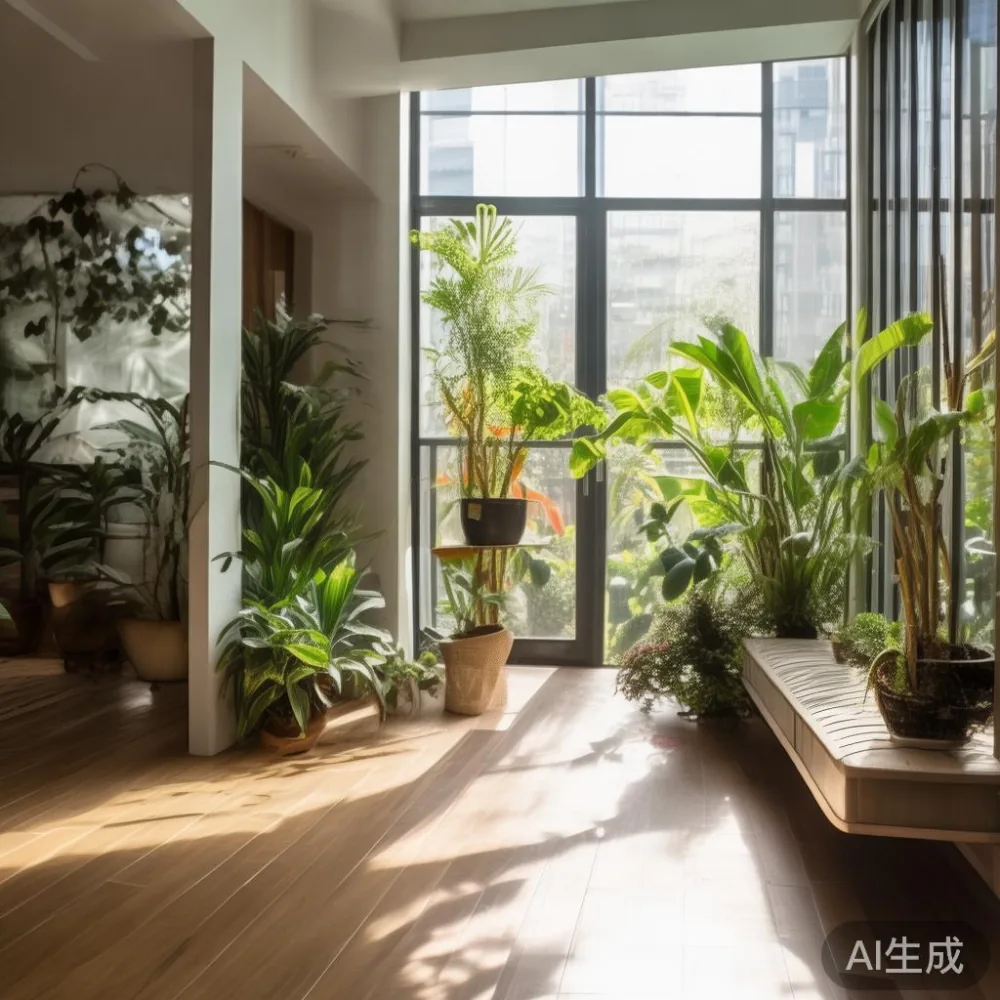
What about dining tables, beds, and nightstands in a 700 sq ft layout?
A round dining table at 90 cm diameter seats four people comfortably and keeps the corners of the room clear, which matters when the lift door opens directly into your dining nook in older Punggol blocks. A four-seater rectangular table at 120 cm by 70 cm is a reasonable choice if your corridor is straight, but a six-seater at 180 cm by 90 cm needs at least 210 cm of wall behind it to allow chairs to be pulled back without hitting the opposite buffet. If you are weighing Coastal for dining room options, remember that coastal palettes pair whitewashed teak with woven rattan chairs 46 cm wide, and the lighter finish reflects more ambient light, which can compensate for the limited window frontage common on lower floors facing the HDB carpark.
For the bedroom, the cleanest approach in a 10 m² HDB master is a queen-size bed frame at 1.6 m by 2.05 m, with the side clearance kept at 60 cm minimum so you can still change the sheets. Buyers who want to understand how to choose French provincial bed frames should note that French provincial silhouettes rely on carved headboards up to 110 cm tall, which actually works well against a low HDB window sill because the mass sits above eye level. A solid wood bed frame in ash or beech, weighing 38 kg to 52 kg depending on the slat count, costs S$980 to S$1,650 before GST in Singapore, and lasts twelve to twenty years with quarterly oiling.
Nightstands get the smallest budget, which is where thoughtful sizing saves you. A nightstand at 40 cm wide by 35 cm deep by 55 cm tall provides a lamp base, a phone charging slot, and one drawer, without crossing the 60 cm side clearance line. Skip the trend for oversized two-drawer units; in a 3 m wide HDB bedroom wall they steal 35 cm of circulation that you cannot spare.
Which light-luxury style flatters a compact Singapore flat most?
American light luxury leans on dark walnut, brass, and a small number of oversized forms. In a 250 sq ft studio it can feel heavy unless the ceiling is at least 2.8 m. French light luxury does the opposite: pale oak, slim cabriole legs, and linen covers in muted greens or oyster. In the Bedok flat I visited, a pale grey French-style two-seater at 1.45 m long turned a dead corner near the window into a reading spot, and the resident said she reads there two hours a day instead of at her dining table. Post-modern light luxury is the third lane, borrowing lacquered surfaces and geometric proportions; a post-modern dining chair at 48 cm wide with a 6 cm metal tube leg gives a hint of hotel-lobby mood without dominating a 9 m² living area.
If you are pricing modern Italian light luxury furniture, expect S$2,400 to S$4,800 for a two-seater in 100% top-grain leather, S$1,800 to S$3,200 for a 1.8 m dining table in canaletto walnut, and around S$1,100 to S$1,800 for a marble side table at 55 cm diameter. Singaporeans who do not want to commit to Italian price points often consider under 2000 Nordic furniture collections, which pair solid oak frames with woven paper-cord seats and come in lighter honey tones. A Nordic dining chair at S$180 to S$280 each, four of them around a 120 cm table, keeps the total dining set under S$1,600 and leaves room in the budget for a better bed or wardrobe.
How do you keep a solid wood dining table from looking like a brown blob in a white flat?
Scale and proportion are everything. A 140 cm oval dining table with a 78 cm clearance underneath seats four people at 60 cm per setting, and the rounded ends eliminate the corner injury that rectilinear tables create when you brush past to the fridge. Keep the skirt thickness under 6 cm so the table reads as a floating plane. A solid wood dining table in natural oak, finished with a hardwax oil rather than a thick polyurethane, will deepen in colour over the first nine months, gaining the warmth that flat-pack imitations cannot fake. After two to three years you can call the manufacturer for a re-sanding and re-oil, which most Singapore workshops charge at S$220 to S$380 per table.
If you are deciding how to choose Mid-century modern sofa silhouettes for the same flat, favour low backs at 78 cm and exposed tapered legs at 18 cm, which create a horizontal line that makes the room feel wider. A 2 m long mid-century three-seater in fabric at S$1,950 to S$3,300 leaves a generous 60 cm under the frame, enough for the robot vacuum to do its rounds without rerouting. Pair it with a round marble table at 70 cm, chosen for its cool surface that contrasts the warm wood, and you have the kind of European-living-room dialogue that many owners of HDB five-room flats in Punggol are now choosing over the standard L-shape.
What storage rules prevent a small apartment from tipping into clutter?
Five storage rules, learned from roughly 110 small-flat projects I have visited or specified in the last nine years:
1. Cap the number of visible objects in any 3 m wall at seven. Beyond seven, the eye reads clutter.
2. Choose wardrobes with at least 70% closed storage. Sliding doors save 50 cm of clearance compared to hinged doors, which matters in rooms narrower than 2.8 m.
3. Use bedside tables with at least one drawer and keep the surface clear of books. The less on show, the larger the room reads.
4. Buy a coffee table or marble table with a lower shelf 22 cm above the floor; that shelf holds three to four magazines or one fabric basket.
5. Anchor every storage piece to the wall with anti-tip brackets. HDB inspectors can and do issue advisories during resale, and a 38 kg wardrobe tipping onto a toddler is the kind of accident no style is worth.
How much should you budget for a complete small-flat refit in SGD?
A realistic small-flat budget for a Tampines or Bedok three-room flat in 2025 works out to between S$6,500 and S$13,800 before GST, distributed roughly as follows: entryway furniture S$600 to S$1,200, living room seating S$2,200 to S$4,500, dining set S$1,400 to S$2,600, bedroom set S$1,800 to S$3,500, and accent pieces (marble tables, benches, mirrors) S$500 to S$1,400. Adding the 9% GST takes the upper band to S$15,042, and delivery across the island runs S$120 to S$280 per trip depending on whether a lorry tail-lift is required for a fourth-floor walk-up.
Buyers who are browsing MIDHILL furniture for a complete package should expect a 35 to 55 working day production window from order date to delivery in Singapore, because every sofa, wardrobe, and dining table is built to specification in the Foshan workshop and shipped via Shenzhen or Hong Kong to Tuas. The advantage of that lead time is custom sizing in 10 cm increments, which is exactly what compact HDB layouts demand. For a Punggol studio of 450 sq ft, a one-week consultation with a furniture specialist and a tape measure can save two return trips and roughly S$600 to S$900 in wrong purchases.
Does ordering solid wood from overseas really save money after shipping and GST?
Yes, in most cases, when the comparison is fair. A solid oak dining table at 140 cm from a Singapore specialist retails at S$2,300 to S$3,100 before GST. The equivalent piece from a Foshan workshop, sea-freighted to Singapore at US$180 to US$260 per cubic metre, lands at S$1,750 to S$2,250 including 9% GST and customs duty of 0% for most wood furniture under HS code 9403. The saving of S$550 to S$850 is real, but it disappears if you also pay for white-glove delivery above the fourth floor, which adds S$180. Most Singapore lift landings accommodate a 2.4 m long sofa on its side; older blocks in Jalan Besar and parts of Geylang have narrower doorways of around 81 cm, which means a sofa must be unbuilt and rebuilt inside, costing an extra S$220.
Warranty matters as much as price. Confirm structural warranties of at least 10 years on frames and joinery, refinishing services that can be triggered once every 5 to 7 years, and a return window of 14 days for stocked pieces. A wardrobe weighing 72 kg needs at least two people to move, so make sure the supplier coordinates the delivery team rather than outsourcing to a third party you have never met. A good supplier will photograph the piece in the corridor before it enters the lift, which protects both the furniture and the HDB wall paint from a S$80 to S$150 touch-up.
Quick checklist before you tap order on that 1.8 m sofa
Measure every doorway, lift, and corridor in centimetres. Confirm the sofa depth including the back cushion does not exceed 90 cm if you have to turn it inside the flat. Check that the arm height is below the window sill if it sits near one. Ask whether the legs can be removed and reattached on site, which often saves 8 cm on the critical dimension. And finally, walk the path from the lift to the door with a roll of masking tape, marking the corners; the geometry you discover in ten minutes can prevent a thousand dollars of regret when the delivery day arrives.