Stylish Small Apartment Organizing in Singapore
Living in a Singapore apartment, whether a compact 45-square-meter HDB flat in Tampines or a chic 70-square-meter condo in Punggol, presents a unique challenge: creating a home that feels spacious, personal, and uncluttered. The reality of narrow corridors in older HDB blocks, the standard 1.2-meter width of most lift cars, and the need to work through GST on imported furniture means every choice must be deliberate. For the past 15 years, I've helped clients work through these constraints, turning tight quarters into comfortable, stylish sanctuaries. Last month, I visited a client in a Bedok condo who had transformed her 50-square-meter space from a chaotic jumble into a serene retreat. The secret wasn't magic; it was a combination of smart furniture choices, clever storage, and a disciplined approach to personal belongings. This article will walk you through the principles and practical steps to achieve the same.
Why Small Spaces Feel Crowded and How to Fix It
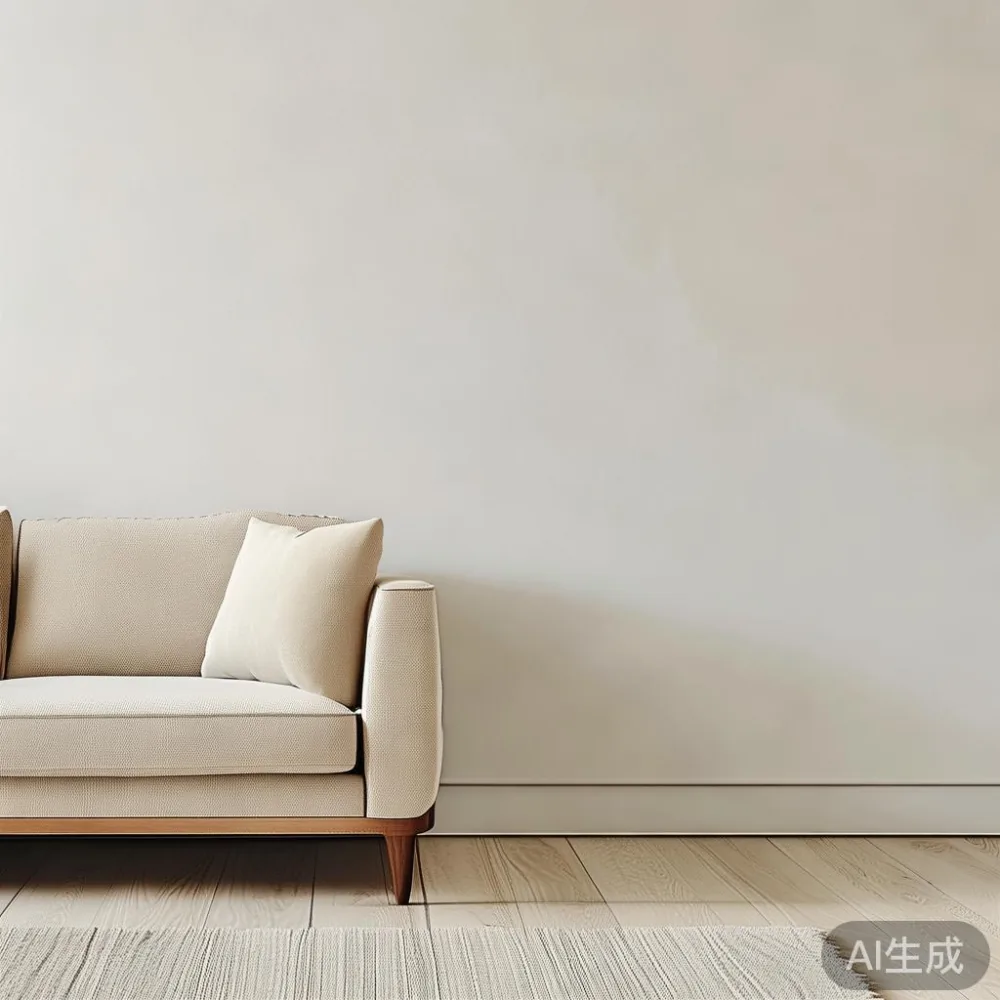
The primary reason small apartments feel crowded is visual noise. Too many items, especially bulky furniture with complex shapes, compete for attention and make the eye jump around the room. This creates a sense of chaos. The solution is to create a sense of calm and order. This is achieved through a combination of scale, function, and visual weight. Furniture that is too large for a room will dominate it, while furniture that is too small can look lost and create a disjointed look. The goal is to find a balance where each piece serves a clear purpose and contributes to the harmony of the space.
Consider the proportions of your Singapore home. A typical HDB living room might be 4 meters by 4.5 meters. Placing a large, heavy L-shaped sofa measuring 280 cm by 200 cm in this space would leave little room for movement and would instantly make the room feel smaller. Instead, a more streamlined option, like a solid wood sofa measuring 200 cm by 90 cm, provides comfortable seating without overwhelming the room. This principle applies to every piece, from your dining table to your wardrobe. Every centimeter counts when you are working with a 70 cm wide corridor.
Choosing Furniture That Works with Your Singapore Home Layout
Your furniture must be a functional partner to your apartment's architecture. In Singapore, this means respecting the dimensions of your space. When selecting a dining table, consider the size of your dining area. A standard 4-seater dining table is typically 140 cm by 90 cm. This allows for comfortable seating and leaves at least 70 cm of clearance around the table, which is necessary for pulling out chairs. For a smaller condo, a marble table with a pedestal base can be a better choice than a large rectangular table, as it opens up the floor space and provides a more airy feel.
For the bedroom, the question is not just about the bed but about the entire suite. A queen-size bed frame is typically 160 cm wide by 200 cm long. You will need at least 60 cm of clearance on three sides for making the bed and walking around. This means your bedroom should be at least 280 cm by 260 cm to accommodate it comfortably. The wardrobe is another major consideration. A standard wardrobe is 60 cm deep. If you place it against a wall, ensure you have at least 80 cm of space in front of it to open the doors fully without hitting the bed or a nightstand. A smart solution is to opt for a wardrobe with sliding doors, which require only 20 cm of clearance in front of them. This is a common practice in many Singapore apartments to maximize space.
How to Style an American Wardrobe in a Bedroom?
Integrating an American wardrobe into a Singapore bedroom requires a thoughtful approach to balance its typically bold character with the limited space. An American wardrobe often features a clean, straightforward design with panelled doors and a focus on utility. To make it work, you should consider the colour and finish. A wardrobe in a light oak or a soft white finish will reflect light and make the room feel larger, whereas a dark walnut or black finish will absorb light and make the space feel smaller. Placement is key. Positioning the wardrobe along the longest wall of your bedroom creates a strong anchor for the room without making it feel cramped. You can also consider customising the internal layout to suit your needs perfectly, ensuring every inch of storage is utilised efficiently.
The Power of Entryway Furniture: Your First Line of Defense Against Clutter
The entryway is the first and last space you interact with every day. It is also the primary dumping ground for coats, bags, shoes, and keys. A well-designed entryway furniture system is the single most effective tool for preventing clutter from spreading into the rest of your home. This is where investing in quality entryway furniture pays off. A console table with drawers provides a surface for keys and mail, while the drawers can store smaller items. Beneath it, a narrow bench or shoe cabinet can house footwear, keeping them off the floor and out of sight. This dedicated zone for transitioning from the outside world to your home keeps the rest of your apartment tidy and serene. For a 120 cm wide corridor, a console table measuring 100 cm long by 35 cm deep is an ideal size, providing function without blocking the path.
Storage Solutions That Disguise Themselves
The best storage solutions are the ones you don't even notice. In a small apartment, furniture should pull double or even triple duty. A bed frame with built-in drawers underneath is a perfect example. It provides the same sleeping surface as a standard bed but offers a significant amount of hidden storage for bedding, seasonal clothes, or luggage. A dining table with a lift-up top can reveal a hidden compartment for table linens or serving platters. Similarly, an ottoman that doubles as a coffee table can lift its lid to reveal storage for blankets, magazines, or board games. These pieces are functional and unobtrusive, allowing you to keep your belongings organised without adding visual clutter to your living space.
For those with a very limited footprint, multi-functional furniture is non-negotiable. A desk that can fold down against the wall when not in use is a lifesaver in a small study or bedroom. A nesting set of tables can be pulled apart when guests arrive and pushed together when they leave. These flexible pieces adapt to your needs, ensuring your space can serve multiple purposes without feeling like a cramped compromise. The goal is to have furniture that works for your lifestyle, not furniture that dictates how you live.
Lighting and Colour: The Illusion of Space
Light and colour are powerful tools for making a small apartment feel larger. Natural light is the best asset, so do everything you can to maximise it. Use light-colour curtains or blinds that can be fully opened during the day. Mirrors are a classic trick for reflecting light and creating the illusion of depth. Placing a large mirror opposite a window will bounce light around the room, making it feel airier and brighter. For artificial lighting, a layered approach is key. Use a combination of ambient lighting (like a ceiling fixture), task lighting (like a desk lamp or reading light), and accent lighting (like a floor lamp or wall sconces) to create a warm, inviting atmosphere without relying on a single, harsh overhead light.
The colour palette of your walls and furniture has a profound impact on the perceived size of a room. Light, cool colours like soft greys, creamy whites, and pale blues tend to recede, making walls feel further away and the space larger. Dark, warm colours like deep browns, rich reds, and charcoal tend to advance, making walls feel closer and the space more intimate. In a small Singapore apartment, painting the walls a light, neutral colour is a safe and effective choice. You can then introduce colour through smaller items like cushions, rugs, and artwork. This creates a cohesive, expansive backdrop that allows your personality to shine through without overwhelming the space.
Curating Your Space: Less is More
Ultimately, styling a small apartment is about curation. It is not about filling every corner with something, but about carefully selecting the items that bring you joy and serve a purpose. This means being ruthless about what you allow into your home. Before purchasing a new item, ask yourself: Do I love this? Do I have a place for it? Does it serve a function? If the answer to any of these is no, it is probably not worth the space it will take up. This disciplined approach to consumption is key to maintaining a clutter-free home.
Focus on quality over quantity. A single, well-made piece of furniture, like a solid wood dining table or a beautifully crafted nightstand, will bring more long-term satisfaction than several cheaper, less durable items. Quality furniture often has cleaner lines and more timeless designs, which contribute to a sense of calm and order. When you invest in pieces that you truly love and that are built to last, you are less likely to replace them frequently, reducing the cycle of accumulation and clutter.
What About Styling for Different Rooms in a Small Apartment?
Each room in your small apartment has its own function and, therefore, its own set of styling rules. The living room should feel open and inviting, favouring a streamlined sofa and a light, airy colour scheme. The bedroom should be a sanctuary of rest, with a focus on the bed and smart storage solutions. The dining room should be a functional space for gathering, with a table and chairs that fit comfortably without overcrowding. Even a small guest room can be styled effectively. For a Japanese for guest room, one might opt for a low-profile platform bed, minimalist storage, and natural materials like bamboo and light wood to create a serene, uncluttered environment. This approach ensures that every room contributes to the feeling of space and harmony in your home.
For those who prefer a more dramatic style, an Industrial for small living room can work surprisingly well. This style embraces raw materials, exposed elements, and a neutral palette. Think a metal-framed sofa, a coffee table made from a repurposed wooden crate, and open shelving displaying curated objects. The key is to keep the colour palette grounded with plenty of neutrals like black, white, and grey to prevent the space from feeling too busy. The structured, geometric nature of industrial design can actually add a sense of order to a small room.
Final Thoughts on Living Well in Small Spaces
Styling a small apartment is an exercise in intentionality. It requires you to think critically about every object you bring into your home and how it serves your life. By choosing furniture with the right scale, incorporating clever storage, and being mindful of light and colour, you can create a home that feels spacious, personal, and uncluttered. It is not about having less, but about having what matters. When you curate your environment with care, you create a space that not only looks good but also supports your well-being and allows you to live comfortably and joyfully, no matter the square footage. Remember, a well-designed small home can be just as beautiful and functional as a large one, perhaps even more so for its thoughtful efficiency.