Preserving the Shine: A Singaporean's Guide to Caring for Lacquered Entryway Furniture
For residents of Singapore, from the spacious corridors of a Punggol condominium to the compact lift landings of a Bedok HDB flat, our homes are sanctuaries against the relentless tropical humidity. This climate, a defining feature of our island, presents a unique challenge for furniture, particularly for those with a fine lacquered finish. The gleaming, mirror-like surface of a high-quality entryway cabinet or console table can improves an entrance from ordinary to extraordinary, but it requires a specific, gentle approach to care to resist the warping, dulling, and cracking that moisture can inflict. This guide provides practical, actionable advice for maintaining the pristine beauty of your lacquered entryway furniture, ensuring it remains a stunning first impression for years to come.
Understanding Lacquer: Why It's Prized and Why It's Vulnerable
Lacquer is not a single material but a finish, a technique that involves applying multiple layers of a clear, hard resin—often derived from the sap of the lac tree or a synthetic equivalent—onto a solid wood base. This process, which can take weeks to complete by hand for a truly high-end piece, results in a surface that is incredibly smooth, reflective, and exceptionally durable under normal conditions. It is the hallmark of French light luxury, lending a sophisticated, high-gloss sheen to furniture like a solid wood console table. However, this very strength is also its weakness in a tropical climate. Lacquer is a film finish, meaning it sits on top of the wood. Wood, conversely, is a hygroscopic material, meaning it absorbs and releases moisture from the air. When the humidity in your Tampines HDB flat spikes, the wood beneath the lacquer expands. The rigid lacquer film cannot expand at the same rate, leading to immense internal stress. This stress can manifest as tiny cracks in the finish, a phenomenon known as 'checking,' or cause the lacquer to pull away from the wood at the edges, known as 'delamination.' Understanding this fundamental interaction between wood and finish is the first step in providing proper care.
Why Your Singapore Home is a Unique Challenge for Lacquer
The average relative humidity in Singapore hovers between 80% and 90%, a level that would be considered extreme in many parts of the world. This constant, high moisture load is the primary enemy of lacquered surfaces. Consider the typical Singaporean home. Air conditioning units run almost continuously, creating a cycle of cooling and condensation. A cold glass of water 'sweats' on a coffee table; similarly, the surface of your lacquered entryway furniture can experience micro-condensation, especially in air-conditioned rooms like a bedroom or living area where the temperature is lower. Also, the act of moving in and out of your home introduces sudden temperature and humidity changes. The cool, dry air from an air-conditioned corridor meets the warm, humid air from outside, right at the surface of your entryway furniture. This thermal shock can stress the finish. Even seemingly harmless activities like placing a bouquet of fresh flowers on a console table can introduce a significant amount of moisture directly onto the lacquer. For those living in HDB flats, the confined space of an entryway or corridor, often measuring just 120 cm wide, means that air circulation can be poor, trapping moisture-laden air around the furniture. These factors combine to create a demanding environment that requires a proactive and specific care regimen.
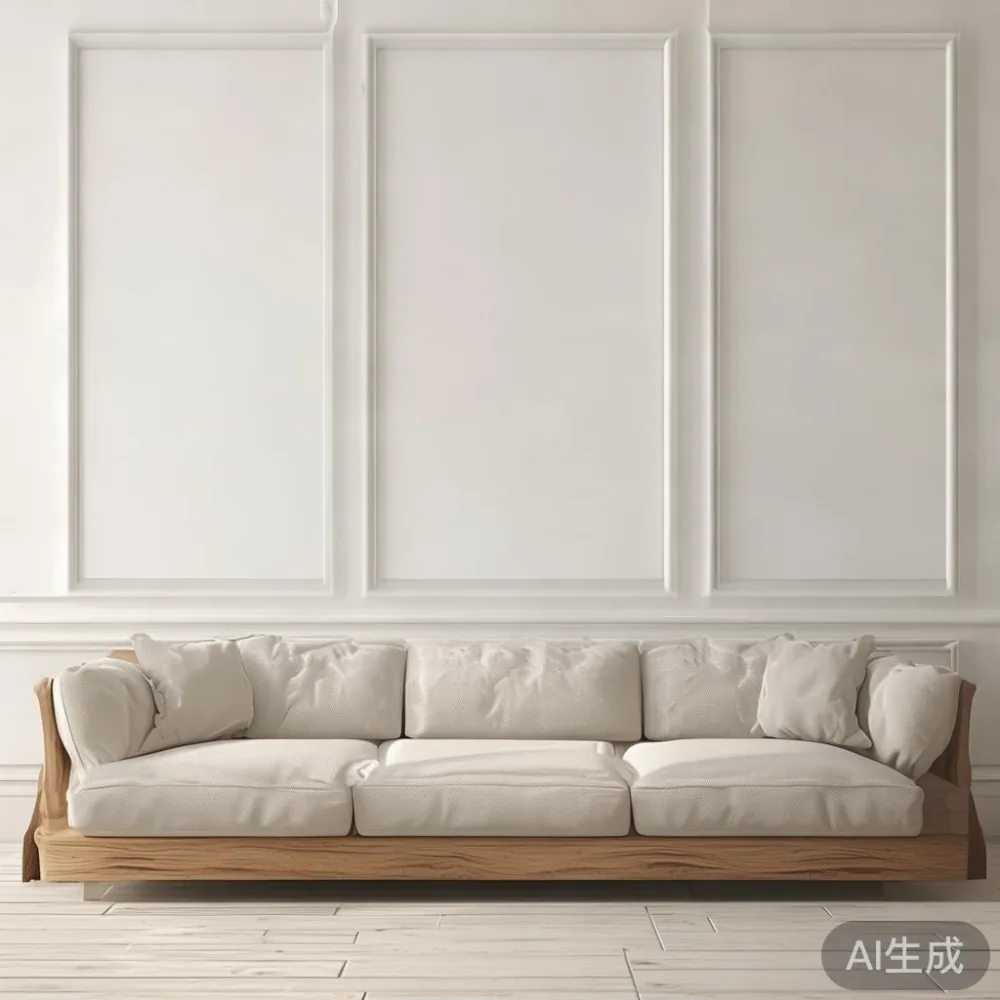
How to Style a Light Luxury Sofa in a Room with a Lacquered Console
While this guide focuses on entryway furniture, it's worth noting how a well-chosen console can complement other pieces in your home. A sophisticated entrance often sets the tone for the living area beyond. Imagine a hallway featuring a lacquered console table with clean lines and a high-gloss finish. As you walk into the living room, you might find a European light luxury sofa positioned opposite it. The sofa, perhaps in a soft dove grey or deep charcoal, provides a beautiful textural and tonal contrast to the sleek, reflective surface of the console. This creates a visual dialogue between the two spaces. The key is harmony; the lacquer's modernity is balanced by the sofa's inviting comfort. When considering how to style a light luxury sofa in a room with a lacquered console, think of materials. A sofa with velvet or bouclé upholstery adds softness, while a marble table placed beside it introduces a cool, natural element that complements the shine of the lacquer. This cohesive approach, where the entryway furniture is not an isolated piece but part of a larger design story, is a mark of a well-curated home.
Daily and Weekly Care: Gentle Habits for Lasting Beauty
The most effective care for lacquered furniture is preventative and gentle. Daily habits can make a significant difference in the long-term health of the finish. Always use coasters under glasses, mugs, and vases. A simple puddle of water, left for even a few hours, can leave a permanent white ring known as a 'blush' or 'cloud' in the lacquer. For cleaning, less is more. Dust your entryway furniture every 2-3 days using a soft, lint-free microfiber cloth. A dry cloth is usually sufficient for light dust. For smudges or fingerprints, lightly dampen the cloth with distilled water. Distilled water is preferred as it contains no minerals that could leave spots. Wipe in a single direction, following the grain of the wood if visible, or in long, smooth strokes. Never use a circular motion, as this can create fine scratches over time. Avoid all-purpose household cleaners, furniture polishes, or silicone-based products. These can contain chemicals that strip the lacquer's protective layer, leaving it dull and vulnerable. A weekly wipe-down with a barely damp, soft cloth is a good practice, especially after a particularly humid week. Remember to lift the cloth when moving it across the surface; never drag it, as this can abrade the finish.
Deep Cleaning and Maintenance: Tackling Stubborn Stains
Despite your best efforts, accidents can happen. If you encounter a stubborn stain, the approach depends on the substance. For water marks or heat rings, the situation is delicate. First, assess the mark. A faint white ring might be corrected by applying a small amount of non-gel, non-bleaching toothpaste to a soft cloth and gently buffing the area in a circular motion. Follow with a clean, damp cloth to remove any residue. For more severe damage, such as a deep scratch or a significant area of cloudiness, professional repair is the safest option. Attempting to sand or refinish the piece yourself without the proper tools and expertise can ruin the finish completely. For a small scuff, a high-quality, colourless furniture touch-up marker or a specific lacquer repair pen might offer a temporary cosmetic solution, but it will not restore the original integrity of the finish. Prevention is always better than cure. The cost of professional repair for a console table can easily start from SGD 350 and go up, depending on the extent of the damage, which is often more than the price of a new entryway furniture piece from a reputable maker like MIDHILL that offers a lifetime refinishing service.
Protecting Your Investment: Placement and Environmental Control
Where you place your lacquered entryway furniture is as important as how you clean it. Avoid positioning it directly in front of an air-conditioning vent or a fan. The constant, direct blast of cold, dry air will cause the wood to contract and expand rapidly, stressing the lacquer finish. Similarly, keep it away from direct sources of heat, such as radiators or powerful halogen lamps, which can cause the lacquer to dry out and become brittle. In a Singaporean context, this means placing your console table away from the main doorway where it might be hit by a sudden gust of wind from an open balcony. If you live in an older apartment with less efficient insulation, consider using a dehumidifier in the hallway or entryway area, especially during the monsoon season. Running a dehumidifier for a few hours a day can help maintain a more stable humidity level, ideally between 45% and 60%, which is much healthier for your furniture. The initial investment in a good dehumidifier, typically costing between SGD 200 and SGD 450, is a small price to pay to protect a piece of solid wood furniture that may have cost several thousand dollars.
How Often Should I Polish My Lacquered Entryway Furniture?
This is a common question, and the answer is likely less often than you might think. As established, traditional furniture polishes are often the enemy of a lacquer finish. They contain oils and silicones that build up over time, creating a cloudy, sticky film that diminishes the natural shine of the lacquer and attracts more dust. For a true lacquered surface, polishing is not a regular maintenance task. Instead, the focus should be on dusting and gentle cleaning with a damp cloth as described. The only time you should consider a specific product is if the finish has become exceptionally dry or dull over many years. In this rare case, you could use a product specifically formulated for lacquer or high-gloss finishes, applied sparingly with a soft, clean cloth. Always test any new product on a hidden, inconspicuous area, such as the back or inside of a drawer, first. Wait 24 hours to ensure there are no adverse reactions. For most owners, the shine of a well-maintained lacquer is its own reward, requiring no additional enhancement from chemical polishes.
When to Seek Professional Help: Understanding Your Warranty
Even with the most diligent care, issues can arise. When you notice problems like deep cracking, bubbling, or peeling of the lacquer finish, it's time to consult a professional. A skilled furniture restorer can assess the damage and determine if the piece can be repaired. This might involve carefully stripping the old lacquer, sanding the wood to a perfectly smooth surface, and applying a new, multi-layer lacquer finish. This is a labour-intensive process that restores the piece to its original glory. When purchasing new furniture, it's wise to consider the manufacturer's warranty. A company that offers a 10-year structural warranty and a lifetime refinishing service, like MIDHILL, provides significant peace of mind. This kind of guarantee indicates a confidence in the quality of their materials and craftsmanship. It means that if a defect in the finish or structure appears within the warranty period, they will repair or replace it, saving you the considerable cost of professional restoration. For example, a solid wood wardrobe with a 10-year structural warranty protects your investment against issues like warping or joint failure, which can be exacerbated by Singapore's humidity.
Common Mistakes to Avoid with Your Lacquered Console Table
Caring for lacquered entryway furniture is as much about what not to do as it is about what to do. One of the most common mistakes is using the wrong cleaning tools. Never use abrasive scrubbing pads, steel wool, or rough paper towels. These will scratch the surface, creating a hazy, dull appearance that is impossible to buff out by hand. Another error is placing hot items directly on the lacquer. The intense heat can soften the finish, causing it to stick to the object and potentially leave a permanent mark. Always use a trivet or a heat-resistant mat. Many people also make the mistake of using vinegar or ammonia-based cleaners, believing them to be natural and effective. These substances are highly alkaline and will strip the protective layers of the lacquer, leading to irreversible damage. Finally, avoid moving your furniture by dragging it. The weight of a solid wood console table can be over 30 kg, and dragging it across the floor will scratch both the floor and the furniture's feet. Always lift it with the help of another person or use furniture sliders to move it safely.
Coastal and Boho Styling: Complementary Looks for Your Entryway
The beauty of a fine piece of entryway furniture is its versatility. It can serve as a anchor for various design aesthetics. For a home with a Coastal for small living room theme, a lacquered console table in a soft seafoam green or crisp white would be perfect. You could style it with woven seagrass baskets, a ceramic dish with shells, and a piece of driftwood. The reflective surface of the lacquer would mimic the shimmer of the sea, brightening the small space. Conversely, for a Boho for small living room vibe, a console with a deep, rich black or walnut lacquer provides a dramatic backdrop. Against this, you could place a vibrant macramé wall hanging, a collection of potted succulents in terracotta pots, and a woven jute rug. The contrast between the sleek, modern finish of the lacquer and the organic, textured Bohemian elements creates a visually interesting and harmonious look. The key is to let the lacquered piece be the star, using other decor elements to enhance its beauty rather than compete with it.
Light Luxury vs. Japandi: A Choice for Your Living Space
The choice of furniture style often comes down to personal preference, and two popular contemporary styles are light luxury and Japandi. Understanding the difference can help you make informed decisions for your entire home, not just the entryway. A light luxury sofa vs Japandi sofa presents a clear contrast in feel. The light luxury sofa, as the name suggests, focuses on a sense of airy elegance. It often features light-coloured fabrics like cream or beige, slim metal or wooden legs, and clean, minimalist lines. It aims for a look that is sophisticated and uncluttered. In contrast, a Japandi sofa is rooted in the principles of Japanese wabi-sabi and Scandinavian hygge. It emphasizes natural materials, particularly solid wood in its natural or lightly stained state, and earthy tones. The Japandi aesthetic is more about warmth, texture, and a connection to nature. When considering Italian light luxury for dining room, you are choosing pieces with a strong sense of design, often featuring bold shapes, luxurious materials like marble or polished metal, and a focus on making a statement. The choice between these styles depends on whether you prefer the bright, airy feel of light luxury or the warm, grounded feel of Japandi for your main living areas.
MIDHILL Coffee Table: A Practical Addition to Your Lacquered Entryway
While the focus is on the console table, a well-chosen coffee table can complement the entryway's aesthetic, especially if your living space is visible from the hall. A MIDHILL coffee table offers a practical solution that aligns with a light luxury or contemporary style. Imagine a lacquered console table in the entryway, perhaps in a high-gloss white. As you step into the living room, a coffee table with a similar lacquered top but with a base in brushed brass or matte black creates a sense of continuity. The reflective surface of the coffee top would echo the shine of the console, tying the two spaces together visually. This is particularly effective in smaller apartments like those in Bedok or Tampines, where the living area and entrance are in close proximity. The functionality of the coffee table provides a surface for keys and mail as you come in, bridging the gap between the practicality of the entryway and the relaxation of the living room. A piece like this demonstrates how thoughtful furniture selection can create a cohesive and harmonious home environment.
Final Thoughts on Tropical Furniture Care
Owning lacquered entryway furniture in Singapore is a commitment to a certain standard of living. It requires awareness, gentle habits, and a respect for the materials. The high-gloss finish is not just for show; it is a proof of centuries-old craftsmanship, adapted for modern life. By understanding the challenges posed by our unique climate and adopting a simple, consistent care routine, you can preserve that stunning shine for a lifetime. Remember, the goal is not to fight the climate but to work with it. Control the environment where possible, be mindful of daily interactions with the furniture, and know when to call in the experts. Your entryway is the first thing you and your guests see, and a beautifully maintained piece of furniture makes a powerful, lasting statement. It reflects not just your style, but also your care for the details that make a house a home.