How to Care for Lacquered Entryway Furniture in a Tropical Climate
Singapore’s humidity can make lacquered entryway furniture look dull faster than expected. In an HDB flat at Tampines, a console may sit near a lobby-facing window while daily shoes, umbrellas and bags add repeated hand contact. The surface still needs care that respects its finish, not a harsh chemical clean that takes off the sheen.
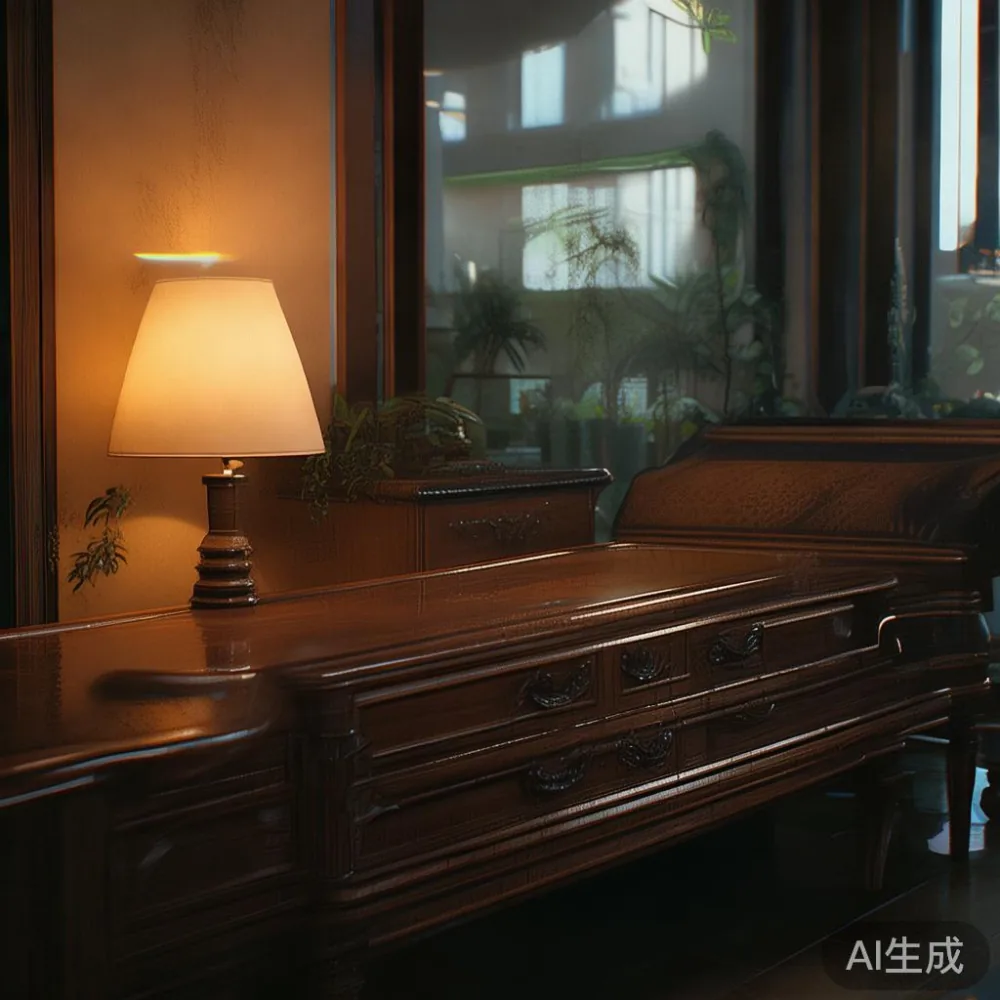
At MIDHILL, our approach to lacquered pieces is practical: solid wood construction, controlled finish application and care guidance suited to Singapore homes. For anyone searching for where to buy sofa from MIDHILL, the same finish principles extend to coordinated furniture such as a solid wood sofa, bed frame, dining table, wardrobe, nightstand or marble table. A lacquered entryway cabinet is the first piece guests see, so protection should be simple enough to repeat every week.
How should I care for lacquered entryway furniture in Singapore?
Lacquer creates a smooth, decorative skin over wood. It may resist small marks, but heat, standing water, cleaning chemicals and abrasive pads can dull or cloud it. Tropical care means limiting moisture exposure, controlling direct sunlight, using a soft cloth and cleaning spills before they dry.
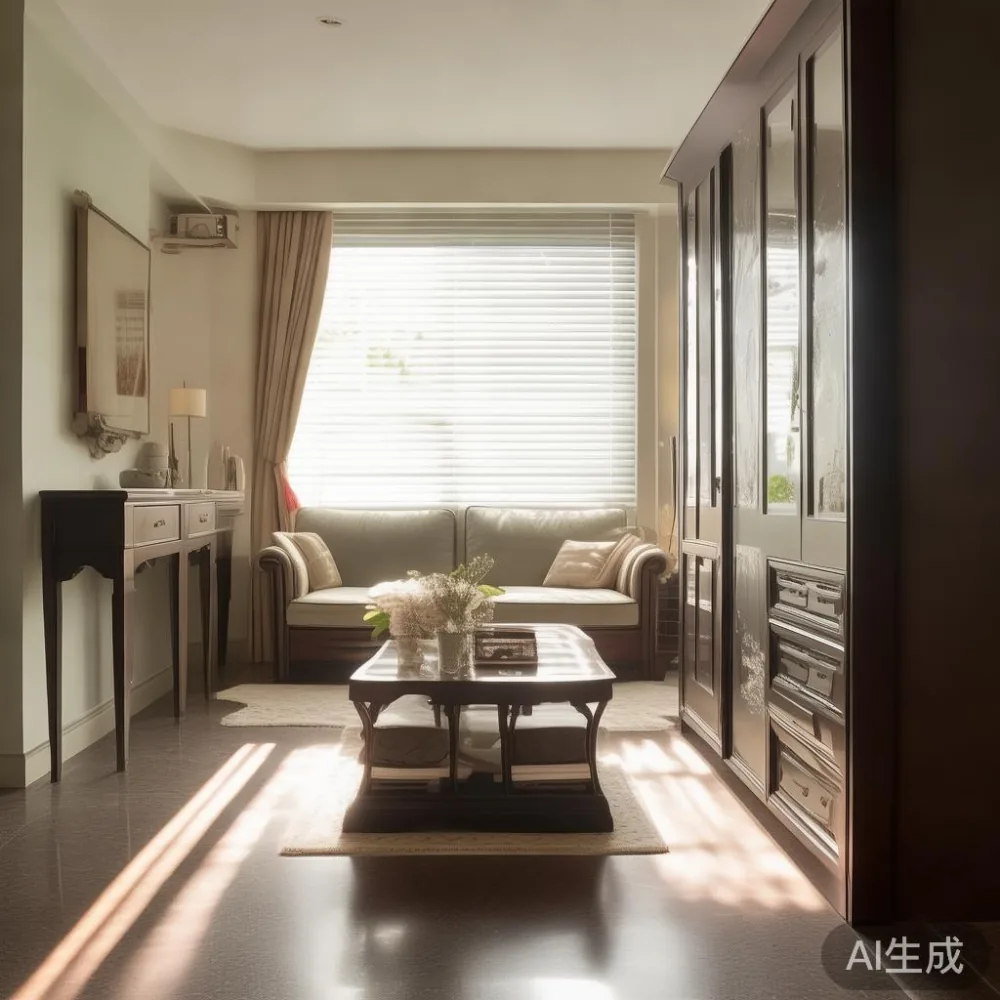
Start by identifying the finish. Ask the retailer whether the surface is lacquer, lacquer over veneer, lacquer over solid wood, or a related clear film. Photograph the product on delivery and record any existing marks. Keep a 30 cm margin around the piece where possible, especially if it is placed against a corridor wall where shoes and trolley corners frequently pass.
For routine care, dust with a clean microfiber cloth every 7 days. If the cloth has grit trapped in it, use a second cloth rather than rubbing that grit across the lacquer. Wipe lightly with a barely damp cloth, then dry immediately with a separate soft cloth. Do not spray cleaner directly onto the furniture; overspray can reach seams, metal hardware and the floor.
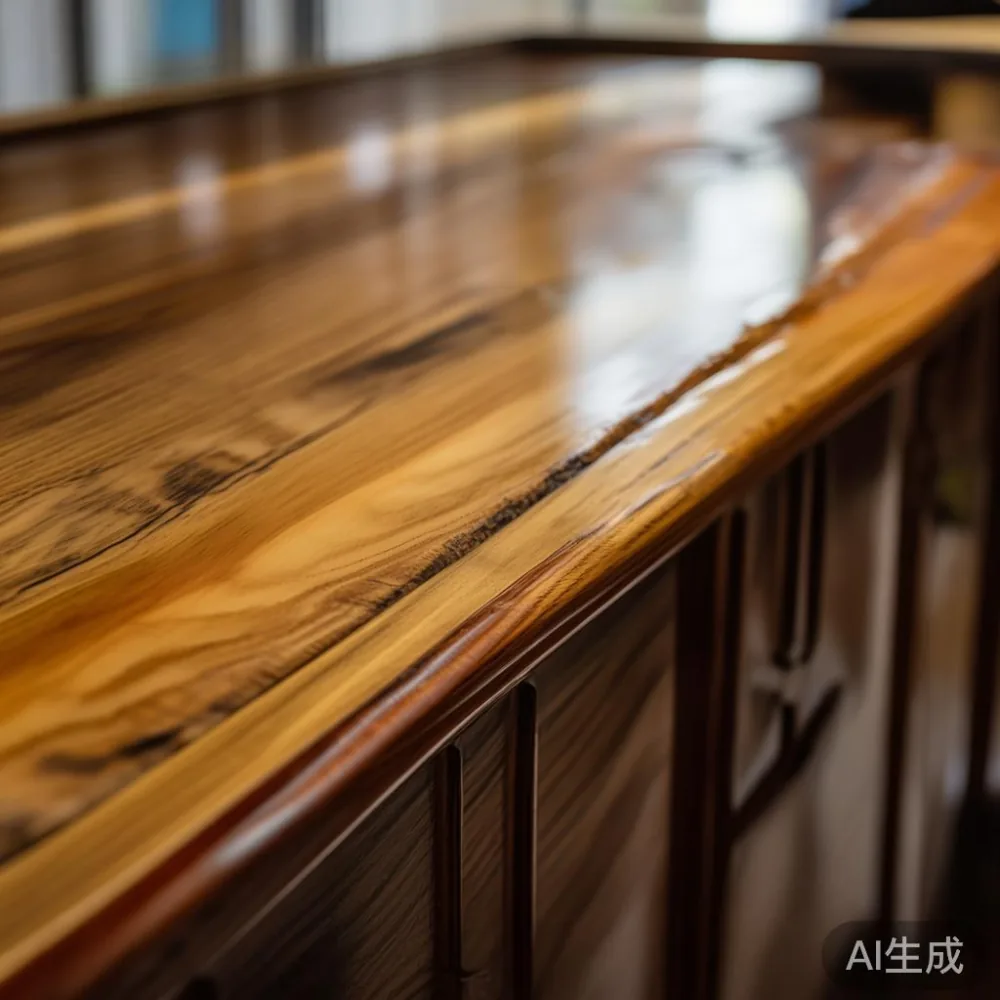
Use pH-neutral wood cleaner suitable for lacquer, diluted according to the label. A common dilution for a concentrated product is 5 ml to 500 ml of water, but the product instructions take priority. Apply it to the cloth, not the cabinet. Test an inconspicuous 5 cm by 5 cm area and wait 24 hours before treating the full surface.
Avoid silicone-based polishes unless the finish manufacturer permits them. They can create a temporary shine while making fingerprints and cleaning more noticeable. Avoid acetone, alcohol, ammonia, bleach, degreaser, furniture wax and abrasive cleaners. Scrub pads can leave fine scratches that become obvious under the corridor’s bright LED lights.
In high-humidity areas such as Bedok and Punggol, leave a gap of at least 3 cm behind freestanding entryway furniture when the wall is safe to use for ventilation. Keep the unit away from floor-level dampness, leaking pipes and air-conditioning condensate. Do not place wet umbrellas, leaking plant pots or ice-cold drink containers directly on a lacquered top.
What are the main risks to lacquer in a tropical home?
Heat and humidity often work together. Lacquer may soften slightly under intense heat, so a lacquered console should not receive a hot laptop, curling iron, kettle or projector lamp. Allow about 20 cm of clearance from a table lamp or heating vent. If a product includes a marble table used as a console, give the stone and lacquered frame even more separation from heat.
Ultraviolet light is another concern. A west-facing window in a condo can expose furniture to stronger afternoon sun. Keep the product 60 cm or more from the window where possible, or use a sheer curtain that filters roughly 40-60 percent of direct glare. Rotate decorative objects rather than leaving one area in permanent contact with a vase or key tray.
Standing water deserves special attention. Wipe rings, drinks and rain droplets within 2 minutes when possible. Water can enter joints, stain the underlying wood or leave a dull tide line. For coastal air and frequent condensation, inspect the back and underside every 3 months with a flashlight. Look for swelling, lifting at the edges, trapped condensation or a musty smell.
Use a small tray for keys and coins, and a separate drip tray for wet umbrellas. Trays should have a raised edge of at least 1.5 cm and sit on protective felt pads. Do not roll suitcases or trolley wheels over the cabinet top. A 5 kg handbag placed repeatedly on the same spot can also leave a lasting impression on some lacquer films.
For homes where the entryway furniture stands near an open doorway, inspect it every 6 months. Check whether the doors and nearby appliances can release more than 60 percent relative humidity into the space. Dehumidifiers set around 50-60 percent relative humidity are more practical than chasing occasional damp patches with a strong chemical treatment.
Can I use a homemade cleaning solution for lacquered wood?
A homemade solution should be mild. Mix 5 ml of mild, fragrance-free dish soap with 500 ml of lukewarm water, stir gently and test it on the same small area used for the retailer’s cleaner. Dip a clean microfiber cloth into the mixture, wring it until it is only damp, and wipe without soaking the edges. Follow with a dry cloth and check the finish the next day.
For routine maintenance, this mild method may be enough every 2-4 weeks, depending on dust and hand contact. More frequent use is unnecessary because repeated wet cleaning can remove oils or leave a film. Never mix household cleaners. One tablespoon of bleach mixed with several litres of water is still a chemical exposure, and combining cleaners can release irritating fumes.
Test any new coating or polish on the maker’s advice. Lacquer finishes differ from oil, wax and resin finishes, and a product that suits an oiled solid wood dining table may not suit a lacquered cabinet. The same care standard applies across a lacquered wardrobe, bed frame, nightstand or solid wood sofa: the finish determines the cleaner.
For marks, begin with the mildest measure. A clean fingertip rubbed lightly over a fresh dust speck may lift it. Next, use a soft cloth with the approved cleaner. For sticky residue, ask the supplier what type of cleaner is compatible before using any substance. If a mark remains, professional refinishing is safer than experimenting with sandpaper or a blade.
I tested one lacquered console in my own home last month by placing it beside a humid laundry doorway. After 6 weeks of daily use, I wiped the top with the approved cleaner once every 14 days, and the sheen stayed even. A nearby untreated wooden stool showed water-clouding along one edge. The useful lesson was not that one cleaner was dramatically stronger, but that wiping and drying immediately mattered more than scrubbing.
How can I protect a lacquered console from shoes, bags and daily traffic?
Positioning is the first protection. In a Singapore HDB corridor or lift lobby, a shallow entryway bench may be more practical than a wide console if the available clearance is less than 80 cm. Measure the finished corridor width before delivery and note the narrowest point. A cabinet with a depth of 30-35 cm can hold necessities without protruding into the main passage.
Place frequently handled objects on a removable felt or cork mat rather than directly on lacquer. The mat should be at least 2 cm smaller than the usable top on each side. Use a separate brass-toned tray for keys, and hang heavier bags on a wall-mounted rail so their straps do not pull against the surface. Small adhesive bumpers can protect contact points but should be tested for colour transfer in sunlight.
At the door, use a mat with a rubber backing that reaches at least 60 cm inward from the threshold. Select a washable, non-shedding mat rather than a thick pile that traps wet grit. Keep grit away from the cabinet base, where shoes can kick dust against the finish. Clean shoes outdoors or on a mat outside the main living area, reducing the number of abrasive particles entering the flat.
Moving the piece requires two people. Carry it from the base rather than dragging it, and place protective cardboard beneath each leg. A 40 kg cabinet lifted incorrectly can twist the frame and damage the lacquer at the joints. If the entryway is near a lift, reserve a service slot that matches the cabinet’s packed dimensions; delivery commonly takes 7-14 days in Singapore after stock confirmation.
How do I match lacquered entryway furniture to light-luxury interiors?
Lacquered surfaces can support French light luxury, American light luxury and post-modern light luxury without looking overly ornate. A warm cream cabinet with restrained brass pulls can fit a French-inspired entry, especially when paired with a slim black-framed mirror and a pale stone floor. American light luxury tends to favour clean lines, neutral upholstery and balanced proportions rather than elaborate carving.
Post-modern light luxury can mix one reflective lacquer piece with natural materials. A sculptural console, a solid wood dining table and a stone or marble table nearby can create contrast without making the corridor crowded. Keep the palette to 3 colours, such as warm white, oak brown and matte black, and repeat them in the hallway, living room and dining space.
A console generally needs 75-90 cm of wall space, depending on the design and whether a mirror is mounted above it. For a compact HDB flat, a 60-75 cm cabinet may work better. Leave about 20 cm between the cabinet top and a light switch, while preserving access to electrical outlets. A narrow floating shelf above a 25 cm-deep console can store daily items without adding another bulky object.
Mirrors are useful in dim corridors because they distribute reflected light. Keep the lower edge of a wall-mounted mirror about 10 cm above the console so keys and bags do not strike it. For larger homes, repeat the finish on a nightstand beside the bed or a compact wardrobe in the bedroom, but do not force every piece into the same colour.
The same visual discipline matters when learning how to style light luxury sofa in apartment. Keep the sofa’s upholstery pale or textural so the lacquered console remains a distinct accent. In a bedroom, knowing how to style Japandi bed in room layouts can create a calm transition from the entryway through warm timber, off-white walls and uncluttered storage.
A Modern light luxury accent chair near the console can make the space feel occupied rather than showroom-like, provided at least 60 cm remains for circulation. A Modern light luxury dressing table is more suited to a bedroom or dressing corner, where its reflective surface can be protected from damp hands and direct sunlight. The aim is a coherent home, not a crowded display.
How often should lacquered furniture be inspected and maintained?
Complete a quick check every month. Look under trays, along the top edge, around handles and beneath the lowest shelf. Use a clean white cloth to detect grey dust or oily residue. Wipe with a soft cloth dampened by the approved cleaner, then dry. Pay attention to areas within 30 cm of the door because that is where humidity and grit enter most often.
Every 3 months, clean the feet, lower frame and back panel. Check the humidity reading and inspect lacquer for lifting, whitening, blistering or tiny cracks. A white haze that does not disappear after wiping may indicate moisture trapped beneath the film. Photograph any change and contact the supplier, because attempting to correct a lifting edge can enlarge the damaged area.
Every 12 months, review moving parts, shelf pins, hinges and anti-tip fixings. A lacquered entryway cabinet with doors should open smoothly without forcing. Tighten loose screws according to the maker’s instructions and confirm that wall restraints remain secure in a household with children.
Request refinishing support if the finish becomes materially worn. MIDHILL offers lifetime refinishing for eligible products, which can restore colour and sheen after years of use. Terms can vary by item and finish, so confirm coverage in writing before purchase. The company was established in 2008 and exports to more than 15 countries, while each Singapore order includes a 10-year structural warranty.
Budget for delivery carefully. In Singapore, GST is payable on the purchase price, and a typical entryway cabinet may fall between SGD 690 and SGD 1,900 depending on size, timber and finish. If a coordinated order contains a solid wood sofa or dining table, the total may qualify for free shipping above US$350, with the Singapore delivery charge shown before payment. Standard delivery often takes 7-14 days, while made-to-order pieces may require 30-45 days.
Fourteen-day returns are available under the stated policy, but lacquered furniture should be checked within 3 days of arrival for transit marks, moisture damage or finish defects. Keep the packaging, take photographs and avoid assembly or use until the inspection is complete. This habit protects the finish and makes any claim easier to document.
What should I do if lacquer gets wet, scratched or stained?
For fresh moisture, blot rather than rub. Use a clean white cloth, change sections as they become damp, and allow the surface to air-dry for 2-4 hours. Keep windows closed and air-conditioning running if the room is humid. Do not place the cabinet under direct fan airflow, since forced air can drive moisture into seams while the lacquer is still soft.
For a heat mark, let the surface cool naturally before wiping. Avoid heating the area with a hairdryer because the finish can become patchy. If the mark remains, obtain finish-specific advice before applying a correction product.
For scratches, do not sand the area yourself. Fine sanding can cut through lacquer and expose pale wood below. Photograph the scratch with a ruler for scale, note whether the lacquer is chipped or merely marked, and contact MIDHILL or the supplier. A refinishing assessment can determine whether spot repair or a full refinishing service is appropriate.
For sticky substances, allow the surface to cool and test a tiny area with a barely damp cloth. Some adhesives can soften lacquer, and aggressive removal may spread the stain. Keep children’s paint, correction fluid and tape away from the entryway furniture, especially pieces with a Modern light luxury dressing table finish or a high-gloss lacquer top.
Long-term care is measured in small routines rather than dramatic repairs. A weekly 5-minute wipe, monthly inspection and quarterly cleaning will protect most lacquered entryway furniture in Singapore. The cabinet can remain a calm, light-luxury focal point while staying practical for HDB and condo homes where lift corridors, narrow turns and tropical moisture shape daily life.