What to Check Before Buying a Sofa You Cannot Sit On: A Singapore Guide to Entryway Furniture
A sofa may be chosen for its appearance, then measured twice before delivery. In a compact Singapore home, the problem is rarely whether the design is attractive; it is whether the sofa can pass through the HDB flat door, negotiate the lift, turn along the corridor, and still leave enough space to sit, clean, and move around it. The same caution applies to every piece of entryway furniture: a console that looks slender in a showroom can block the route from the lift, while a wide shoe cabinet can turn the daily entrance into an obstacle course.
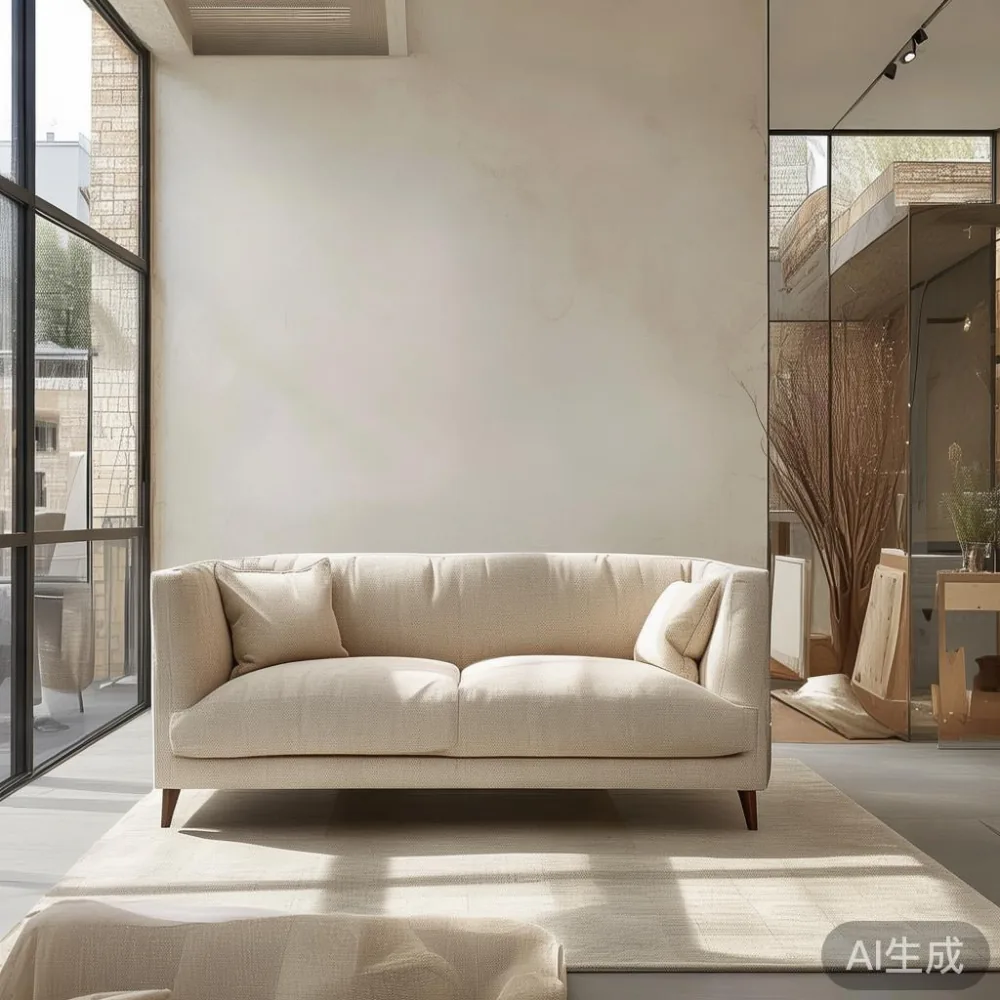
This guide explains the measurements to take before ordering a sofa, with reference points for Tampines, Bedok, Punggol HDB flats and newer condos. It also covers delivery access, frame construction, comfort for occasional use, and the small design decisions that determine whether a piece belongs in a real home rather than a catalogue photograph.
Why Do People Buy a Sofa They Cannot Actually Sit On?
One common scenario is a “display” sofa. Its proportions may be dramatic, its cushions may look immaculate, and its dimensions may suit a large living room, but the seat height can be too high for an adult, or the seat depth can be so generous that the back does not support the lower back. Other sofas are designed mainly for visual impact: a very low profile can look refined in a photograph while requiring a firm, almost upright sitting posture.
There is also a difference between a sofa that cannot be sat on and a sofa that is not intended for everyday sitting. A formal occasional chair in the entry area, for example, can be perfectly usable for 10 minutes while someone removes shoes. A large lounge sofa intended for daily use should offer a more supportive seat. Decide how the piece will function before judging it by its fabric colour or silhouette.
Some buyers use search phrases such as best European light luxury furniture or best Post-modern sofa for 2026 as starting points, then discover that the showroom does not tell them the seat height, arm clearance, or route into the home. Product photography can also make a 220 cm sofa appear narrower than it is. Ask for a dimensioned drawing rather than relying on visual scale.

How Do I Measure My HDB Door, Lift, and Corridor?
Measure the narrowest point of every possible route. In an HDB flat, record the door opening, hallway turns, stair landing if relevant, lift car dimensions, lift-door width, and the distance from the lift to the flat entrance. Use a tape measure, not the building plan alone. A plan may show nominal door widths, while actual hardware, skirting boards, and recent renovations can reduce the usable opening.
For a practical rule, leave at least 5 cm of clearance around a sofa or console at the tightest point. A 210 cm sofa needs a route of at least 220 cm if it is turned at an awkward corner; a 230 cm sofa may require a wider approach. The person carrying the sofa should be able to tilt it without scraping the lift frame. For a 3-door lift, the internal floor may measure roughly 110 cm by 140 cm, but the door opening can be only 90 cm wide. Confirm the exact lift with your building management or your delivery contractor.
In Tampines and Bedok, older blocks may have narrower common corridors and more pronounced corners than the renovated lobby suggests. Punggol flats can have a straighter route, yet the flat entrance may still have a security gate, shoe rack, or a fire hose reel that must be moved temporarily. If the route includes a staircase, measure the landing and the diagonal movement of the package, not just the stair width.
For a sofa that arrives as separate modules, the dimensions of the largest module matter more than the assembled width. Record the number of modules, each module’s length, depth, and height, and whether the feet detach. A sofa that arrives in two boxes can pass through a 90 cm opening when a single assembled sofa cannot. Ask the supplier to confirm the packed carton dimensions as well.
What Should I Check About a Solid Wood Sofa?
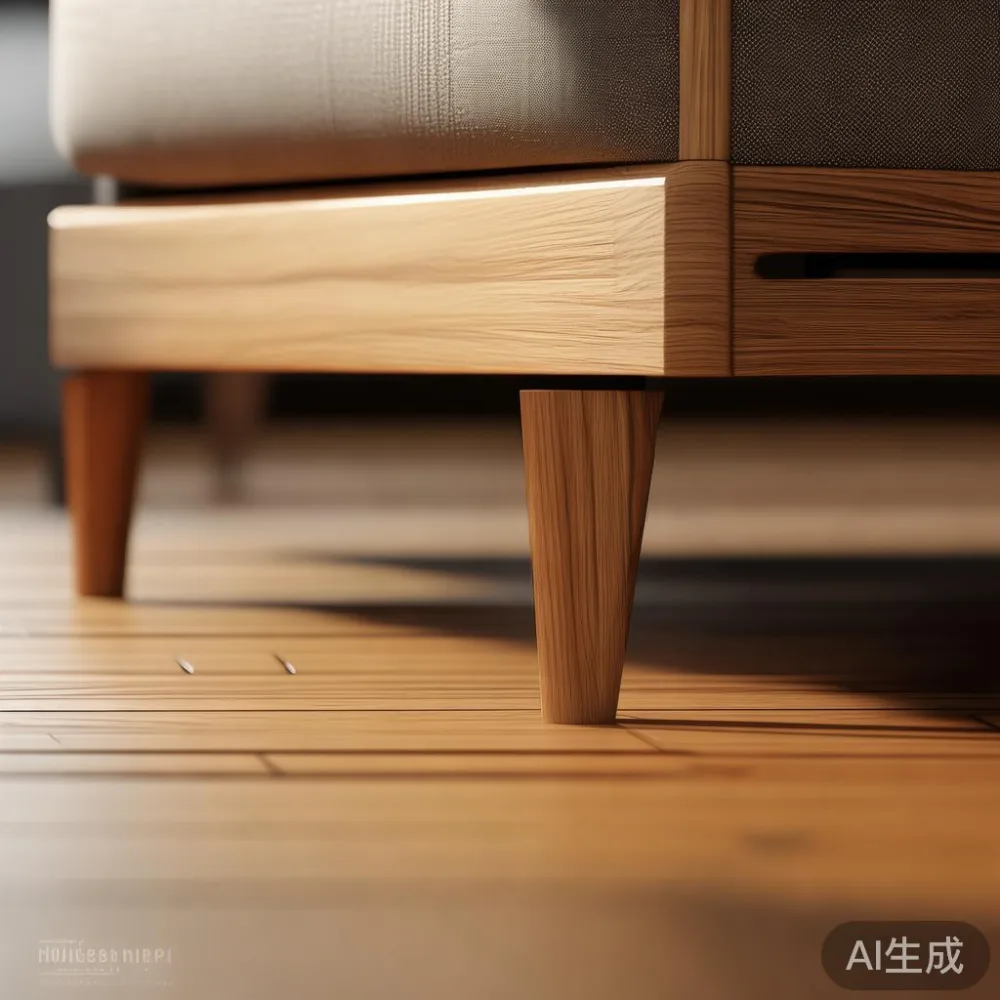
A solid wood sofa usually refers to the main frame being made from timber, but the phrase can cover different construction methods. Ask whether the frame is solid hardwood, solid wood, or a wood product such as plywood or MDF, and request the actual specification. Check the load-bearing rails, corner joints, and whether the frame is kiln-dried. A moisture content around 8% to 12% is a useful benchmark for furniture moving between different climates, though the supplier should explain the treatment used.
Do not confuse the frame with the finish. A lacquered or veneered surface can still be attractive and durable, but it is not the same as solid timber throughout. Look at the underside, seat platform, and back panel. The visible timber should have consistent grain direction, closed joints, and no large gaps. For a frame used daily, a manufacturer should be able to explain the expected load and warranty period.
MIDHILL’s solid wood approach is relevant here because the question is not simply “wood or not?” It is whether the construction suits the dimensions of the home and the intended use. MIDHILL offers a 10-year structural warranty and lifetime refinishing, which gives buyers a clearer basis for evaluating long-term maintenance than a vague promise of “quality”. Ask for the warranty terms in writing, including what counts as a structural defect and what is excluded.
Seating quality also depends on the suspension. Pocket springs, webbing, and foam can all work, but they create different feels. A firmer seat may suit a frequently used family sofa; a softer seat may suit a light-luxury lounge piece used for conversation. Sit on it for at least 10 minutes, then stand up. If you feel the seat frame flex, or if the cushion pushes you forward, the sofa may not suit the room even if its finish does.
What Is the Right Seat Height and Depth for Singapore Homes?
For most adults, a seat height of 40 cm to 45 cm is easier to use than a very low 32 cm to 35 cm design. A seated adult should be able to place both feet flat, with the knees at roughly 90 to 110 degrees. A seat depth of 52 cm to 60 cm often gives useful back support; a depth beyond 65 cm may make it difficult to reach the back cushion unless the sofa includes adjustable pillows.
Test the sofa with the actual people who will use it. A child aged 6 may need a lower seat and a clear foot space. An adult aged 70 may prefer a 46 cm seat with firm armrests for rising. A person of 180 cm may find a 50 cm depth comfortable, while a shorter user may need a cushion at the back. The ideal sofa is not a universal dimension; it is a dimension that works for the household.
Light-luxury design is often associated with low profiles, wide arms, and generous upholstery. That style can work in a condo living room, but it needs enough circulation space. Keep at least 75 cm in front of the sofa for a coffee table or walking route, and allow 90 cm where people pass behind it. If the sofa is in an entryway, keep the route to the interior door at least 70 cm wide. An entryway bench can be attractive, but a deep bench should not reduce the path below this practical width.
When researching room layouts, phrases such as how to style light luxury bed in room and how to style European light luxury sofa in apartment can help with visual direction, but dimensions must come first. Pairing a sculptural sofa with a marble table, for example, works better when the table is 35 cm to 45 cm from the seat edge, leaving space to walk around it.
How Should I Check Delivery, Returns, and GST Costs in Singapore?
Before payment, ask whether the quoted price includes Singapore GST. Most consumer prices in Singapore are shown with GST included, but an export-oriented catalogue may display a base price separately. A sofa priced at SGD 2,800 before GST becomes SGD 3,024 after 8% GST. Check the final invoice, delivery charge, and any lift or doorstep surcharge.
Delivery timing should be stated in working days, not “approximately”. Allow 7 to 14 delivery days for a made-to-order piece in many markets, but confirm the production lead time, stock status, and expected dispatch date. A stock sofa may arrive sooner; a custom upholstery or solid timber frame may require 4 to 8 weeks. If a building requires a loading-booking slot, factor in 1 to 3 additional days.
Ask whether delivery is to the flat door or inside the home. A “free shipping” offer over US$350, as mentioned by MIDHILL, may refer to international freight rather than the final Singapore doorstep movement, so clarify the local terms in writing. Confirm whether the delivery team carries the sofa into the flat, assembles it, removes packaging, and disposes of the cartons.
For a purchase made online, the 14-day return period should be explained clearly. Check the condition requirements: a sofa that has been sat on, slept on, or delivered into the home may be treated differently from one refused at the door. Confirm the return freight charge, restocking fee, and whether the original packaging must be retained. Photograph the sofa and its route on arrival if damage is possible.
Some shoppers may contact MIDHILL directly for specifications. The international number +86 188 2788 2512 should be used for a product or delivery enquiry, but Singapore-specific access measurements still need to be confirmed by the customer or local delivery partner.
Can a Sofa Be Too Stylish for the Way It Will Be Used?
Yes. A striking French light luxury or American light luxury sofa may look formal, but the upholstery and proportions determine daily practicality. Check whether the arms are too broad for a narrow HDB living area, whether the back height blocks a window, and whether the loose cushions create a ledge that catches bags or laundry. In a compact entry zone, a slim-armed design is often easier to live with than a bulky one.
Consider the room’s lighting and the sofa’s maintenance. Very pale fabrics show dust and shoe marks; dark fabrics show lint. Ask for a fabric composition, cleaning instructions, and a sample. A removable cover, or a seat cushion that can be professionally cleaned, may be more useful than a delicate weave that discourages everyday use.
Do the same practical review for the surrounding furniture. A solid wood dining table needs at least 90 cm of circulation space around its seated positions. A bed frame should leave 60 cm on at least one side where possible, and 75 cm on both sides in a larger bedroom. A wardrobe with doors that open inward needs clearance in front of each leaf. A nightstand should sit within 50 cm of the bed edge, but its top should not extend so far that it interferes with sitting down.
For an entryway, a narrow console can provide a place for keys and a lamp, but check its depth against the route. A 30 cm to 35 cm-deep console is often easier to pass than a 45 cm-deep unit. A mirror mounted above it should be fixed with suitable anchors, particularly in a high-rise where vibration and wind can affect fixings. If the console has a marble table top, check the weight and whether the retailer provides two-person carrying instructions.
What Should I Ask Before I Order?
Ask these questions in writing:
- What are the sofa’s exact dimensions, including arms and feet?
- What are the seat height, seat depth, internal width, and maximum load?
- What are the packed dimensions of the largest carton?
- Which frame timber is used, and how is it finished?
- Can the feet be removed, and are the modules connected?
- What is the delivery lead time in Singapore business days?
- Does the price include 8% GST and delivery to the flat door?
- What happens if the sofa does not fit through the lift or corridor?
- What does the return policy cover after delivery?
Then make a simple scale drawing. Mark the lift, entrance door, corridor turns, and the sofa’s footprint on graph paper. Add 5 cm to the narrowest route, then test whether the largest module can be rotated. If the answer is uncertain, provide clear photographs and measurements to the supplier before ordering. A 2 cm error at the lift door can become a 20 cm problem in the corridor.
Last month I visited a customer’s Bedok flat with a new 205 cm solid wood sofa. The showroom had made the model look compact, but the flat door was only 86 cm and the lift opening measured 88 cm. The sofa’s detachable arms and two separate seat sections solved the problem; the assembled unit would not have passed. This is the kind of check that protects both the home and the furniture.
The right sofa is not merely the piece that photographs well. It must fit the route, suit the occupants’ bodies, and remain useful after the first impression fades. Measure the home, test the seat, read the structural warranty, and confirm the final Singapore price. Those details turn an attractive design into furniture that can be lived with every day.