Solid Wood Entryway Furniture: Price Drivers Explained
For many homeowners in Singapore, the entryway is more than just a transitional space. It's the first impression, a functional hub for keys and mail, and a reflection of the home's style. Choosing the right entryway furniture is a significant decision, often leading to the question: why does solid wood entryway furniture command such a wide range of prices, from a few hundred dollars to several thousand? The answer is not a single factor but a complex interplay of elements that determine the final cost of a console table, a shoe cabinet, or a bench. Understanding these drivers empowers you to make an informed choice that aligns with your budget and quality expectations.
Is Solid Wood Always Solid Wood? The Material Matters
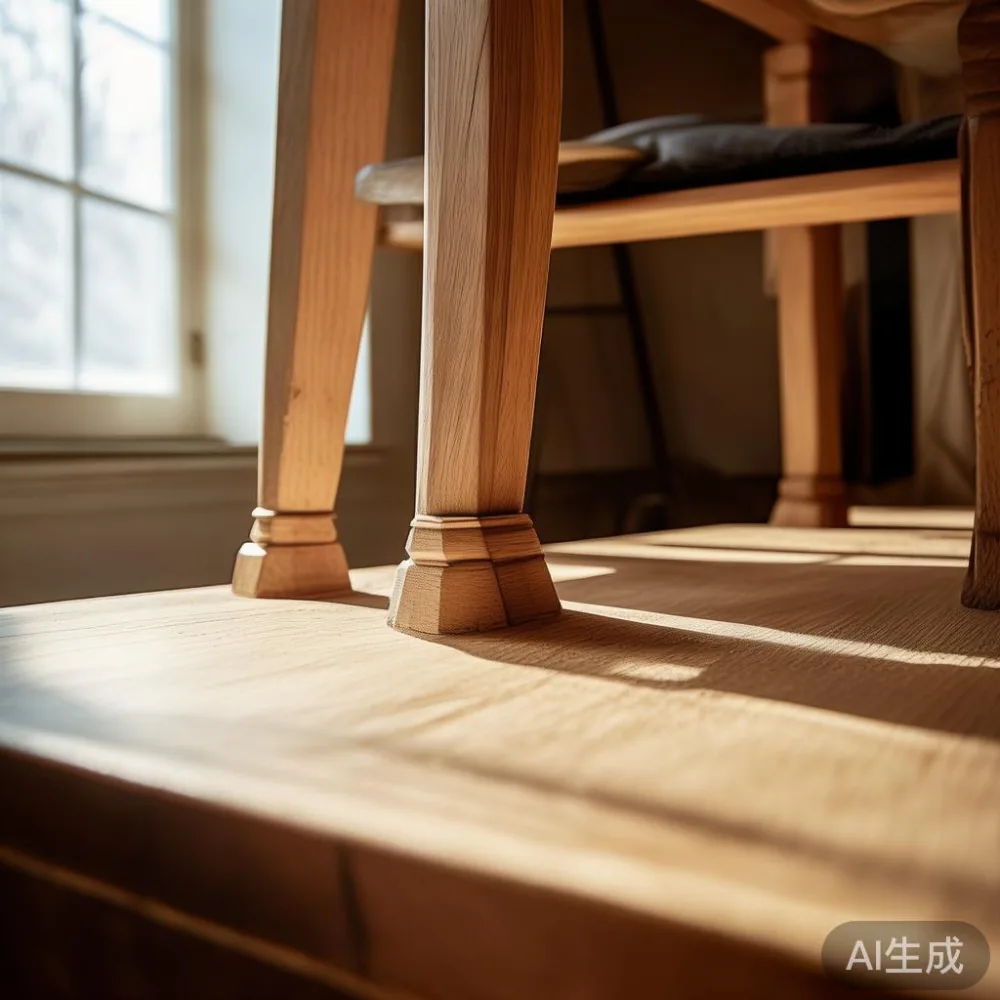
The term 'solid wood' can be misleading. It doesn't automatically mean 'high quality' or 'expensive.' The type of wood is arguably the most significant determinant of price. Hardwoods, derived from deciduous trees, are denser, more durable, and more resistant to wear than softwoods. This difference is critical for furniture that will see daily use.
For instance, a solid wood console table made from North American Oak or European Ash will typically cost more than one made from Chinese Fir or Rubberwood. Oak's tight grain and strength make it ideal for heavy-duty pieces, while Ash offers a similar hardness with a lighter, more contemporary aesthetic. A solid wood shoe cabinet constructed from a durable hardwood like Sheesham or Mango will last for decades, resisting the humid Singapore climate far better than a softer wood option. The weight is a telling indicator; a solid oak console table might weigh 35 kg, whereas a pine equivalent could be closer to 20 kg, reflecting the material density and, consequently, its price.

My colleague, Sarah, who manages our Singapore showroom in Tampines, recently handled a customer inquiry. The client was surprised by the price difference between two console tables. One was made of solid rubberwood, priced at S$450, while another, constructed from solid American walnut, was S$1,200. Sarah explained that the walnut's superior stability, richer colour, and more intricate grain pattern were all reflected in the material cost. It's a simple principle: the rarer, denser, and more labour-intensive the wood, the higher the price.
French Light Luxury: How Craftsmanship and Design Influence the Price
Once the material is chosen, the craftsmanship involved in shaping it adds another layer to the cost. This is where the distinction between mass-produced and artisanal furniture becomes clear. A machine-cut joint is functional, but a hand-cut dovetail joint is a mark of superior joinery. The difference is visible in the furniture's longevity and structural integrity.
Consider the construction of a solid wood console table. A lower-priced piece might use simple butt joints with screws or staples. A higher-end piece, however, will feature dovetail or mortise-and-tenon joints, which are interlocking and require no mechanical fasteners. This traditional method, often seen in French light luxury furniture, creates a stronger bond that can withstand movement and changes in humidity, which is a constant consideration in Singapore's HDB flats and condos. The finishing process also plays a huge role. Hand-rubbed oil finishes, which penetrate the wood and enhance its natural texture, are more time-consuming and expensive than sprayed-on lacquers.
The design itself carries a price premium. A post-modern light luxury entryway bench with clean lines and minimalist appeal will have a different pricing structure than a heavily carved, ornate piece. The complexity of the design dictates the amount of skilled labour required. For example, a solid wood console table with a simple, flat top will be quicker to produce than one with a live edge, intricate inlays, or custom metal accents. The design is not just aesthetic; it's a direct reflection of the labour invested in bringing the piece to life.
Why Singapore's Living Spaces Impact Furniture Dimensions and Costs
When buying entryway furniture, one size does not fit all. The dimensions of your space are a critical factor that influences the final design and, therefore, the price. Singapore's housing landscape, from the compact corridors of a Bedok HDB flat to the wider hallways of a Punggol condo, requires furniture that is both functional and proportionate.
pFor instance, a standard console table might measure 120 cm in length. However, for a client in a Tampines HDB unit with a narrow 80 cm wide corridor, a custom-made console table at 75 cm wide becomes necessary. This customisation adds cost. The maker must use full-sized timber and cut it down, resulting in more waste and requiring additional labour to ensure the proportions are perfect. Similarly, a shoe cabinet for a Punggol executive condominium might need to be 40 cm deep to accommodate more pairs of shoes, whereas a standard model is only 30 cm deep. The extra depth requires more wood and potentially a different internal structure, increasing the price by 15-20%.
Don't forget about practical considerations like lift access. A solid wood wardrobe that is 240 cm tall will not fit in a standard residential lift. This often means it must be delivered in two pieces and assembled on-site, a service that adds to the cost. These localised requirements are a hidden driver of price that many buyers overlook. The furniture isn't just a product; it's a solution designed for a specific physical environment.
How to Style Japandi Sofa in Apartment: The Hidden Costs of Logistics and Warranty
The price tag on a piece of solid wood entryway furniture includes more than just materials and labour. It encompasses the entire journey from the factory in Foshan to your home in Singapore. This logistical chain is a significant component of the final cost and is a key area where quality brands differentiate themselves.
International shipping, customs duties, and local delivery are all factored into the price. For a single console table, the shipping and handling costs from China can easily add S$150 to S$250 to the wholesale price. Then there's the Goods and Services Tax (GST). In Singapore, GST is currently 9%, applied to the cost of the goods plus the shipping and other import fees. A console table with a landed cost of S$800 will attract an additional S$72 in GST. These are unavoidable costs that are passed on to the consumer.
p>However, the real value lies in the service that accompanies the furniture. A reputable brand like MIDHILL, established in 2008, offers a 10-year structural warranty. This means if the frame of your solid wood shoe cabinet warps or the legs of your console table break within a decade, the manufacturer will repair or replace it. This peace of mind is a form of insurance against future costs. Similarly, a lifetime refinishing warranty is a major benefit. Solid wood can be sanded and refinished multiple times. If the finish on your entryway bench gets damaged over the years, a lifetime refinishing service means you can restore it to its original condition without paying for a new piece. This long-term value is a critical part of the investment.
French Bed vs Modern Bed: The Value of Brand and Customer Experience
Finally, the price is influenced by the brand behind the furniture. A brand with a 15-year history of exporting to 15+ countries carries a certain weight of trust. This isn't just about marketing; it's about a proven track record of quality and reliability. When you buy from such a brand, you are paying for consistency. You know that the solid wood entryway furniture you receive will meet a certain standard of construction and finish.
p>The customer experience is another intangible but valuable part of the price. This includes everything from the clarity of the product information on the website to the professionalism of the delivery team. A good brand will offer transparent pricing, detailed dimensions (in cm and kg), and realistic delivery estimates (e.g., 14-21 business days). They will also have a fair returns policy, such as a 14-day return window, which reduces the risk for the buyer. This level of service requires investment in staff, systems, and logistics, all of which contribute to the cost.
p>Consider the difference between buying a generic console table and one from a well-regarded maker. The generic piece might be cheaper upfront, but it may lack the precise dimensions for your space, have a shorter warranty, and come with uncertain delivery times. The branded option, while more expensive, offers a complete package: a product that fits, a warranty that protects your investment, and a delivery process that is smooth and reliable. This complete approach to customer satisfaction is a key driver of the price difference in the market.
What Should You Actually Pay for Quality Entryway Furniture?
After considering all these factors—material, craftsmanship, customisation, logistics, and brand value—the question remains: what is a fair price? There is no single answer, as it depends entirely on your priorities. A basic solid rubberwood console table, measuring 100 cm long and 35 cm high, with a simple design and standard finish, can be found for around S$350. This is an entry-level piece that provides functionality without a significant investment.
p>As you move up in quality, the price increases significantly. A solid oak entryway bench with hand-rubbed oil finish, dovetail joinery, and dimensions of 120 cm long and 45 cm high, could cost between S$800 and S$1,200. The price jump reflects the superior material and the skilled labour involved. For a highly customised piece, such as a shoe cabinet designed to fit a specific corner in a Tampines condo, with internal partitions and a marble top, the cost could easily exceed S$2,000. This price includes the custom design work, the premium material, and the specialised delivery required for the installation.
p>Ultimately, the price of solid wood entryway furniture is a reflection of what you are buying. If you prioritise longevity, timeless design, and peace of mind, investing in a higher-priced piece from a reputable manufacturer is a sound decision. If your needs are temporary or your budget is constrained, a more affordable option can still serve its purpose. The key is to understand what drives the price so you can make a choice that you are happy with for years to come.