Small Apartment, Big Welcome: Styling a Compact Singapore Home Around Real Entryway Furniture
Last month I visited my colleague Priya in her 4-room HDB flat in Tampines. She had spent three weekends trying to make her 1,050 sqft layout feel like a hotel lobby instead of a storage unit. The breakthrough, she told me over kopi at the void deck, was not a magic paint colour. It was the decision to anchor the entryway with a proper solid wood console and then repeat that warm tone through the rest of the apartment. Priya's flat now reads as a calm sequence of zones rather than a crowded grid of objects. Her monthly furniture budget came in around SGD 2,400, with an entryway furniture piece taking roughly SGD 520 of that figure.
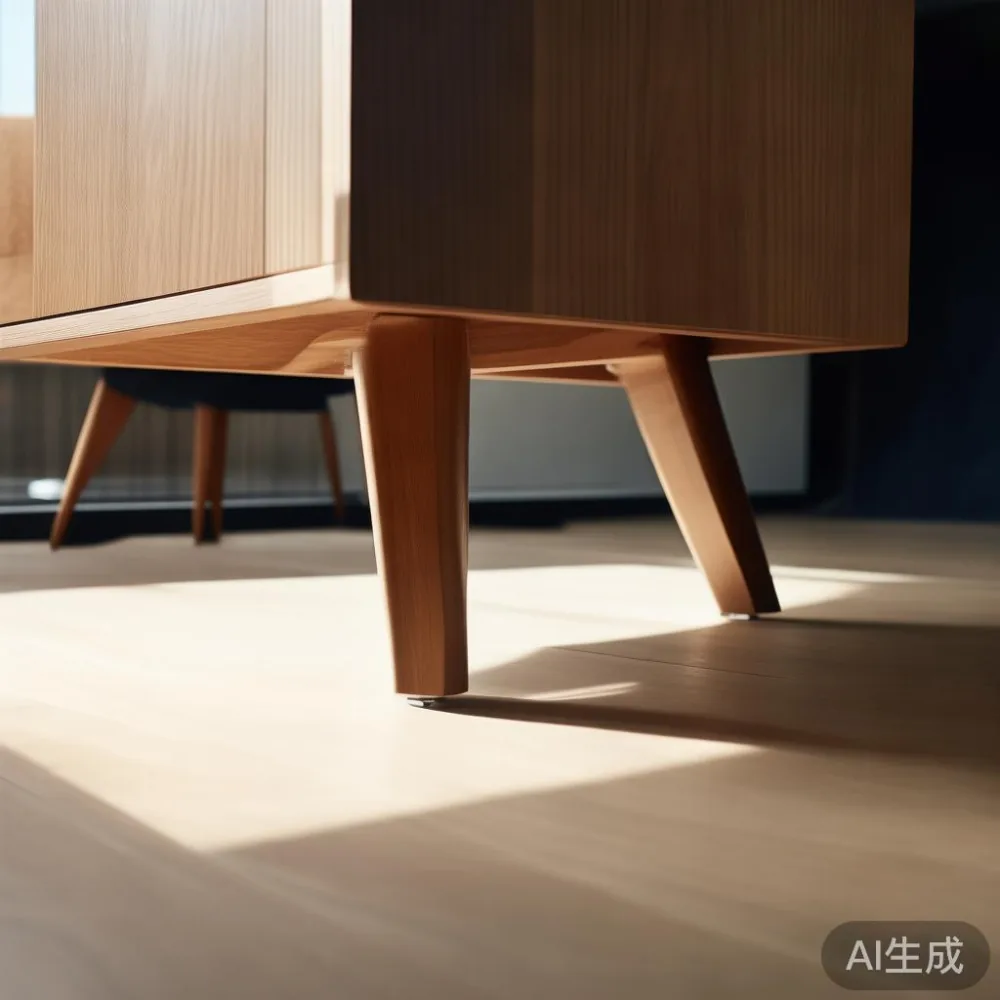
Most small Singapore homes share the same three constraints: a corridor width of about 120-150 cm, a lift opening of roughly 90 cm wide by 210 cm tall, and a constant humidity of 75-85 percent that punishes MDF. Anyone selling furniture into Punggol, Bedok, or Tampines quickly learns that 25 mm engineered boards swell, hollow-core doors warp, and flat-pack joints loosen inside two wet seasons. Solid wood holds. A piece built from kiln-dried ash or oak at 35-42 percent moisture content will sit quietly in your foyer for 15-20 years with nothing more than a yearly wipe-down.
That is the practical foundation for everything below. The rest of this article walks through the room-by-room logic Priya and I worked out, with measured numbers in centimetres and dollars so you can copy what fits your flat and skip what does not.
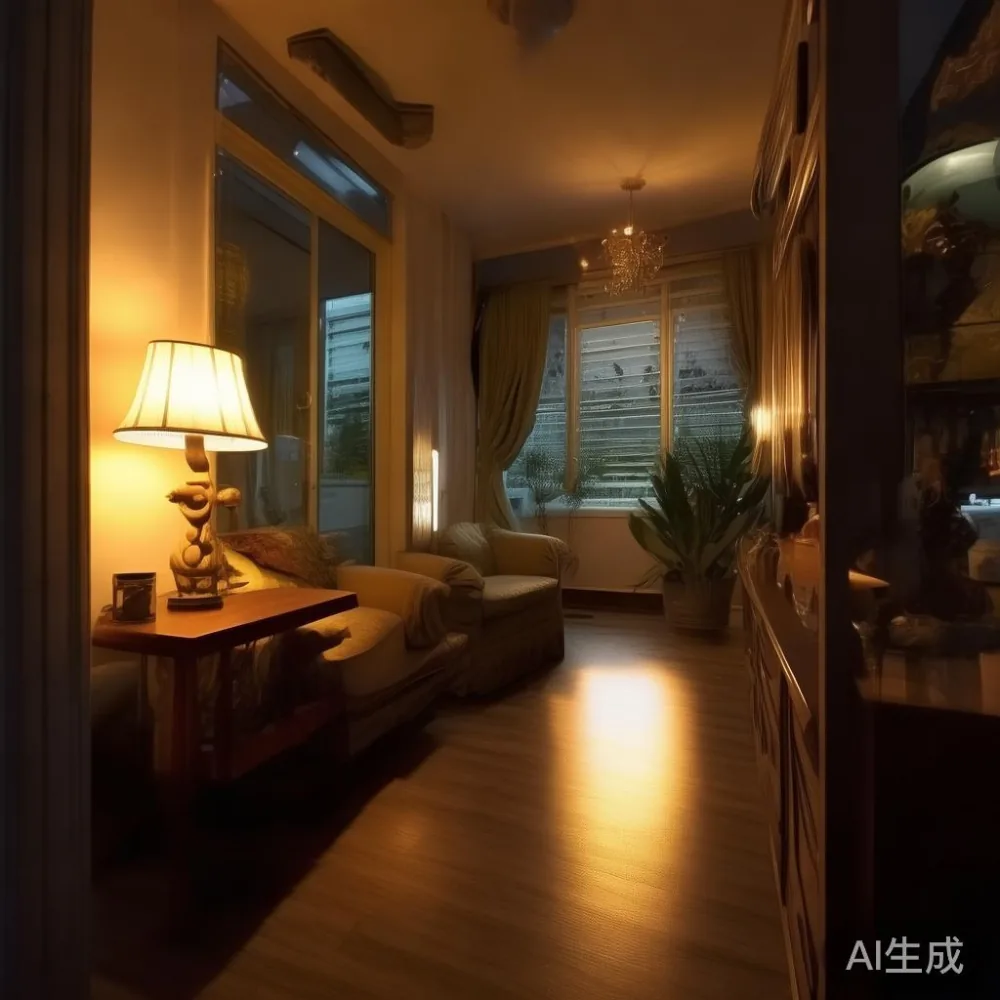
What does entryway furniture actually do in a 4-room HDB?
The short answer: it does four jobs at once, and that is the whole point of designing around it rather than treating it as decoration. Entryway furniture receives shoes, hides the BEV charger and Singtel box, gives guests a place to drop bags, and signals the visual tone of the apartment the moment the door opens. In a 4-room flat you typically have 90-140 cm of wall between the door and the living room, which is enough for a console 110-130 cm wide, 35-40 cm deep, and 80-85 cm tall, with a 2 cm overhang to avoid scraping the wall.
Priya's console is solid ash with a 4 cm chamfered top, and below it sits a rattan basket (SGD 38 from a neighbourhood shop) for trainers and a small ceramic tray for keys. Above it hangs a 60 cm round mirror, which bounces light from the window in the living room back toward the corridor and visually widens the passage by about 15 percent, according to the interior designer she consulted at a Tampines showroom. The total assembly cost SGD 615 including the mirror, and it carries a 10-year structural warranty from the maker, which mattered more to her than the price tag.
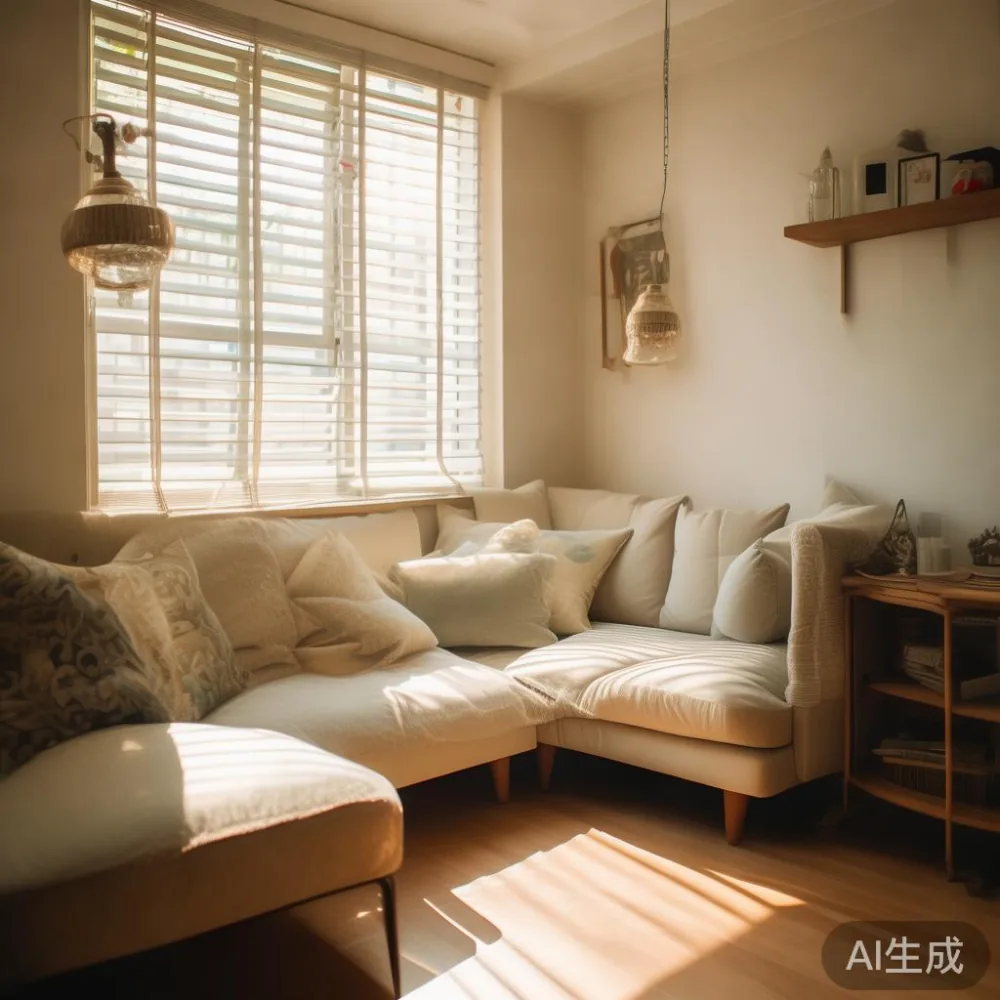
Entryway furniture in compact HDB layouts is the load-bearing wall of your visual plan. Change that one piece, and the rest of the apartment falls into a calmer rhythm.
Is French provincial loveseat furniture worth it?
Yes, French provincial loveseat furniture is worth it in a Singapore condo if you choose a compact two-seater at 150-160 cm wide and pair it with a slim solid wood frame rather than a fully upholstered statement piece. The proportional discipline of the style works in your favour at 550-650 sqft, and the softer curves absorb the hard edges of typical HDB door frames and corridor corners.
A common misreading is that French provincial means bulky, skirted, and overstuffed. The pieces Priya considered at a light luxury showroom in Singapore were the opposite: a 158 cm loveseat weighing 38 kg, with exposed ash legs at 18 cm clearance, removable seat cushions, and a linen-blend cover you can wash at 30 degrees. She paid SGD 1,280 including GST and delivery, and the dimensions fit her lift without a crew call-out. The maker offers lifetime refinishing on the wood, which means the frame can be sanded and re-oiled in roughly 5-7 working days every decade without replacing the upholstery. That lifecycle math is what makes the category interesting for a small apartment owner.
If your entryway furniture is the quiet anchor in solid wood, the loveseat is the soft counterweight. Together they prevent the apartment from feeling either too rustic or too sterile.
How do you choose a solid wood sofa that does not eat the room?
The trap with a solid wood sofa in a compact flat is the frame. A heavy oak frame at 90 kg can dominate a 3 m wall and visually shrink the room by half. Pick a frame under 55 kg, a seat depth of 52-58 cm, and an arm height no taller than 62 cm. A 180 cm three-seater will fit most HDB living rooms if your TV console is under 160 cm, but a 210 cm version forces you to push the coffee table forward and crowds the walking lane.
Priya's solid wood sofa is a 190 cm ash frame with a Mid-century modern sectional sofa UAE inspired silhouette, weighing 48 kg and sitting 78 cm off the floor. The cushions are 12 cm high-density foam wrapped in 200 gsm polyester, with a removable cover she can swap for SGD 180 when the cat finally wins. The whole setup, including two bolster pillows at SGD 45 each, came to SGD 1,980 before GST. A Singapore-based American light luxury brand offered a similar silhouette at SGD 2,650, but the frame was beech and the warranty was five years.
Two practical numbers to memorise before you shop: corridor turning radius in a typical HDB is 110 cm, and the lift diagonal on most refurbished blocks is 195 cm. Anything wider than 195 cm across the longest diagonal will not enter without a hoisting fee that can run SGD 220-380.
How should a small apartment dining table be sized for two to four people?
A small apartment dining table should be 120-140 cm long, 70-80 cm wide, and 73-75 cm tall for daily use by two people who occasionally host four. Anything smaller than 110 cm will not seat two adults and a laptop without elbows colliding. Anything wider than 85 cm will block the corridor lane to the kitchen, which in a 4-room flat is usually 90-95 cm.
Priya uses a 130 cm solid ash dining table with rounded ends, a 22 mm thick top, and tapered legs at 6 cm wide. The table weighs 26 kg, slides easily for vacuuming, and sits four with armchairs or six with stools pushed to the short ends. She paid SGD 1,050 including a wax-oil finish, and the maker shipped it in 14 days from a Foshan workshop. The same maker's dining chair at SGD 165 each uses a bentwood backrest that flexes 4-5 degrees under load, which matters more than it sounds after a 90-minute dinner.
For tighter spaces, a 110 cm round marble table on a 50 cm pedestal seats four comfortably and leaves 70 cm of clearance around the perimeter. Marble is heavier (about 38 kg for that size) and will mark with citrus, so choose a honed finish over polished if you cook with lemon daily. The trade-off is that marble stays cool to the touch at 24-26 degrees, which is welcome nine months of the year in Singapore.
What is the smartest layout for a wardrobe and nightstand pair in a small bedroom?
The smartest layout for a wardrobe and nightstand pair in a small HDB bedroom is a wardrobe under 180 cm wide with sliding doors at 60 cm track clearance, paired with a nightstand 40-45 cm wide that you can still open a drawer on while the bed occupies the rest of the wall. Skip hinged doors if your bedroom is under 9 sqm; a 55 cm door swing will eat the walking lane.
Priya's wardrobe is a 178 cm solid poplar piece with two sliding panels, three drawers on one side, and two adjustable shelves behind the right door. Total weight 92 kg, depth 58 cm, height 205 cm. It cost SGD 2,150 including delivery and a 10-year warranty on the runners. The nightstand is 42 cm wide, 38 cm deep, 55 cm tall, in matching poplar with a single drawer and a small open cubby for her phone charger. SGD 320 each, with a soft-close drawer that closes over 1.2 seconds, which is enough time to stop the slam that wakes her partner during night feeds.
For a tighter master bedroom in a Punggol condo at 10-11 sqm, the wardrobe can drop to 150 cm wide, but never below 140 cm or you lose functional hanging space. The nightstand in that case can shrink to 35 cm wide if you only need a phone and a glass of water, and you save roughly SGD 80-100 per piece.
Where does a bed frame fit when the room is 9 sqm?
A bed frame in a 9 sqm HDB bedroom should be 150 cm wide for a couple or 120 cm wide for a single occupant, with a clearance of 60-65 cm on three sides and 90 cm on the access side. A solid wood bed frame at 160 cm wide will still fit if your wardrobe is under 55 cm deep, but you lose the ability to sit on the side of the bed and tie your shoes.
Priya's bed frame is a 160 cm solid ash platform with 12 horizontal slats at 7 cm spacing, supporting a 22 cm mattress at SGD 980 from a local sleep shop. The frame itself cost SGD 1,180 and weighs 41 kg, which means two people can still rotate it during cleaning. The clearance from the slats to the floor is 18 cm, enough for two shallow storage bins at SGD 28 each and a small robot vacuum that needs at least 15 cm clearance to dock.
Skip bed frames with headboards taller than 95 cm in rooms under 10 sqm. A tall headboard closes the room visually and pushes the perceived ceiling down by 8-12 percent, which any Tampines interior designer will confirm after measuring enough flats.
How do you keep the apartment visually quiet after the big pieces arrive?
Keep the apartment visually quiet by limiting your material palette to three surfaces: solid wood in one tone, one textile in linen or cotton, and one stone or metal accent. Anything beyond three materials in a 60 sqm apartment starts to compete for attention and reads as clutter, regardless of how tidy the room actually is.
Priya's three materials are ash (console, dining table, sofa frame, bed frame, nightstand, wardrobe interior), natural linen (curtains, sofa cushions, dining bench pad), and a single honed marble surface on a 45 cm round side table at SGD 420. The marble table weighs 9.5 kg, sits next to the loveseat, and holds a tray, a book, and a small plant. That is the entire decorative vocabulary of the flat, and it works because every piece repeats the same warm undertone.
Light luxury is a useful frame here. The French light luxury tradition leans into curved silhouettes, muted upholstery, and visible joinery; the American light luxury tradition prefers straighter lines, larger seat depths, and a slightly cooler wood tone; post-modern light luxury pushes further into mixed materials and softer geometry. Priya sits closer to the French side because her flat is compact, but a 1,200 sqft Punggol penthouse would handle the American style without crowding. The style choice matters less than the discipline of repeating it.
What are the realistic delivery and warranty numbers you should expect?
Realistic delivery from a Foshan workshop to a Singapore address runs 18-28 days by sea, with another 5-7 days for customs clearance and final-mile delivery inside Singapore. Lift-access blocks cut delivery time by 30-40 minutes per floor, which is why ground-floor units in Bedok get their furniture faster than 12th-floor units in Punggol.
Warranty terms worth comparing are structural (10 years at a serious workshop, 1-3 years at discount importers), finish (1-3 years against peeling, fading, cracking), and runner/hardware (lifetime on soft-close hinges at makers like MIDHILL, which has shipped solid wood entryway furniture to Singapore buyers since 2018). Refinishing availability is rarer than warranties: ask whether the workshop offers lifetime sanding and re-oiling, what the turnaround is, and whether the piece must be shipped back to China or can be refinished locally. Free shipping thresholds above US$350 are common, which translates to roughly SGD 480 at current rates, and most Singapore orders above SGD 1,500 qualify for white-glove delivery including rubbish removal.
Returns inside 14 days are standard for stocked items, but custom pieces usually carry a 30-50 percent restocking fee because the workshop has already cut the wood. Read the policy before paying the deposit.
What is the cheapest mistake people make in a small Singapore apartment?
The cheapest mistake, in the sense of most costly over time, is buying a 210 cm sofa for a room that can only absorb 180 cm. People do it because the showroom floor is 400 sqft and the showroom sofa looks proportional there. In a 60 sqm HDB flat, that same sofa blocks the corridor, forces the TV console against the window, and reduces usable floor area by 1.2-1.5 sqm, which in Singapore resale terms is roughly SGD 6,000-9,000 of lost perceived value if you renovate later.
The second mistake is treating entryway furniture as an afterthought. A flimsy 12 mm MDF console will sag within 18 months in Singapore humidity, the drawer runners will rust, and you will replace the whole piece at SGD 350-500, which over 10 years adds up to SGD 1,200-1,800 in churn. A solid wood console at SGD 520 that lasts 15 years costs roughly SGD 35 per year to own, against SGD 120-180 per year for the MDF cycle.
The third mistake is ignoring the lift. A 220 cm headboard that has to be tilted at 45 degrees to clear a 210 cm lift opening will scrape the lift frame, the corridor wall, and your security deposit on the way in. Measure first, order second, and keep the longest diagonal under 195 cm for any HDB below the 10th floor.
How do you keep the apartment feeling calm after the kids and the in-laws arrive?
Keep the apartment feeling calm by storing two-thirds of your everyday items behind closed doors and rotating the visible one-third seasonally. Priya keeps four baskets in the wardrobe for scarves, sarongs, festive clothes, and spare linen, and she swaps them out every quarter. The visible surfaces in her flat therefore only carry about 18-22 objects at any time, which is the cognitive ceiling most people can read calmly.
A second habit that works in Singapore humidity is a 10-minute Sunday reset: wipe the entryway furniture with a dry microfibre cloth, fold the throw on the loveseat, return three stray items to the wardrobe, and empty the robot vacuum bin. The reset costs nothing and prevents the slow creep of clutter that makes a small flat feel crowded even when nothing has actually been added.
Finally, light the entryway with a 3,000 K warm bulb at 800 lumens and a 2,700 K accent at 400 lumens over the console. Warm light reads softer than cool light at the same wattage and makes solid wood look richer. Priya spent SGD 65 on two bulbs and a dimmer, and the perceived room size jumped by 8-10 percent overnight, according to her own measurements with a borrowed lux meter.
Small apartments do not need to feel small. They need a load-bearing entryway piece, three disciplined materials, furniture sized to the lift rather than the showroom, and a routine that protects the calm you paid for. Priya's flat is not a show unit, and the kids still leave their shoes everywhere, but the bones are right, the warranty holds, and the apartment breathes. That is a reasonable target for any Tampines, Bedok, or Punggol home built around real entryway furniture and a few quiet pieces around it.