Solid Wood Furniture Pricing: Timber, Construction, Size and Delivery
Solid wood furniture can look simple from across a showroom, yet two entryway cabinets with similar silhouettes can differ by several hundred Singapore dollars. The reason is rarely the decorative front alone. Price is affected by the species of timber, the thickness and movement of the boards, joinery, hardware, finish, dimensions, weight, and the amount of work required to deliver the piece safely to a Singapore home.
That distinction matters in HDB flats and condos across Tampines, Bedok, and Punggol. A cabinet may fit a 90 cm corridor but still be difficult to manoeuvre around a 140 cm lift opening, turn at a landing, or pass through a 78 cm doorway. GST, installation, and delivery charges also need to be read alongside the listed price. The purpose of this guide is to explain what actually moves the solid wood furniture price, so buyers can compare products on the same basis rather than focusing only on appearance.
What determines the price of solid wood furniture?
The starting point is the timber. Solid wood is not one material with one fixed cost. It describes a construction method, but the board can come from oak, ash, beech, rubberwood, walnut, teak, or another species. Each has different availability, grain character, working requirements, and expected yield from a log. Veneered furniture may use a thinner layer of decorative timber over another board, so it should be compared separately from a solid wood wardrobe, bed frame, dining table, or nightstand.

Grade also changes the price. A clear, matched grain with fewer knots, colour shifts, and minor defects may command more than a grade selected to show natural variation. Some customers prefer the calm, consistent appearance associated with American light luxury; others appreciate the stronger grain and individual variation often found in solid oak or walnut. Matching several boards for a wide dining table can require more selection and fabrication than making a smaller table from a single pack.
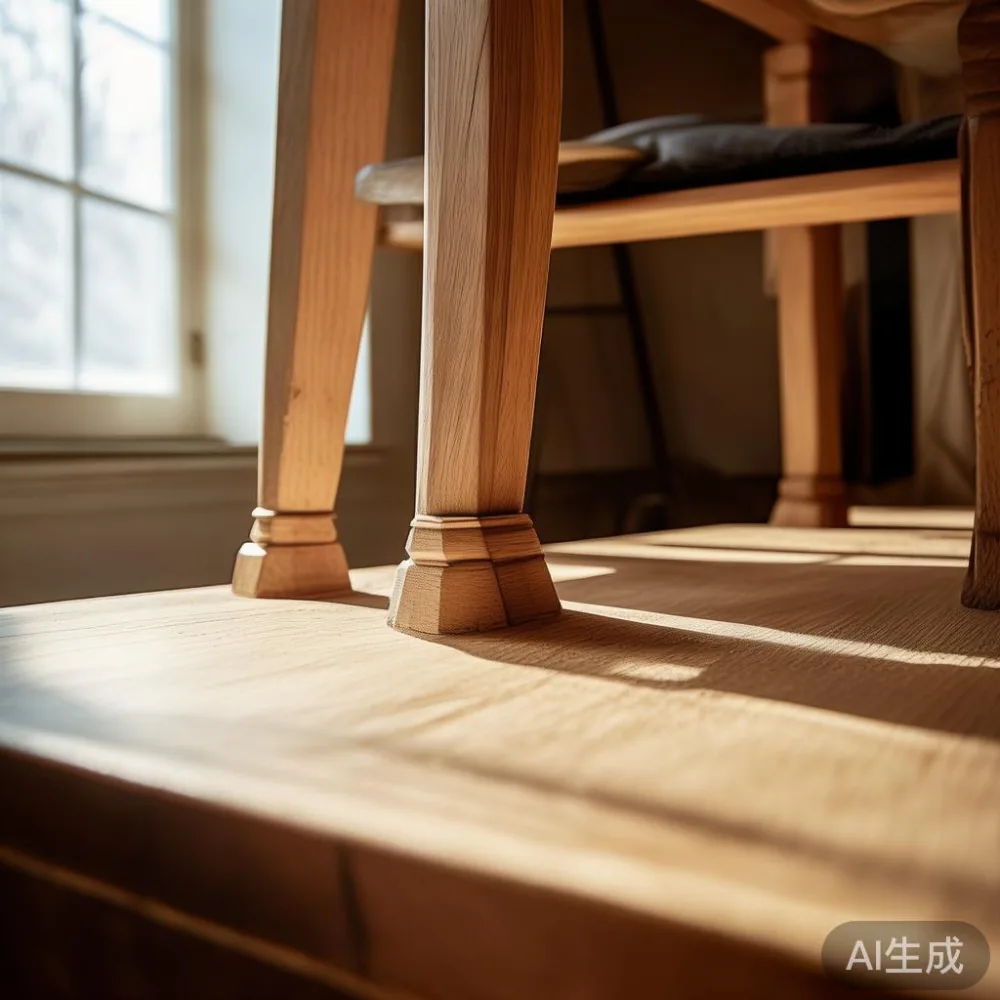
Board thickness is another practical factor. A 20 mm top has more timber and mass than an 18 mm top, while a 25 mm top can look substantial and resist deflection on a larger span. That does not mean thicker is always preferable. The board, joint, support system, and finish must work together. A well-designed 20 mm top with sound supports can outperform a heavier top with weak joints.
For entryway furniture, the visible thickness of a shelf, top, side panel, and door often influences the impression of quality. It also affects the cabinet's stability. A narrow shoe cabinet may weigh 24 kg, while a larger hall tree or solid wood sideboard may exceed 70 kg. The quoted weight is useful because it indicates both material use and the delivery task.
Is solid wood automatically more expensive than engineered wood?
Usually, but not in every specification. Engineered boards can be highly stable and cost less because they are manufactured in large, repeatable batches. They may use a solid wood veneer over particleboard or MDF, with engineered timber cores for strength. An engineered wardrobe may therefore cost less than a solid wood wardrobe of comparable size, despite having a visually similar outer surface.
A fair comparison checks the construction of each panel. Ask whether the visible face, edges, shelf, and frame are solid timber; whether back panels are plywood, MDF, or solid wood; and whether drawers use solid wood boxes or only veneer faces. For example, a 120 cm solid wood dining table at SGD 1,850 cannot be assumed to offer more than a 120 cm engineered table at SGD 1,280. Their internal construction may differ considerably.
There is a similar distinction within solid wood products. A solid wood sofa may combine a timber frame with upholstered cushions, webbing, foam, and fabric. A solid wood bed frame may include a slatted base, centre support, and side rails. Neither should be judged from the timber photograph alone. The complete material schedule matters.
In practical terms, solid wood brings natural grain, repairability, and a sense of permanence. It can also move as humidity changes. Quality makers account for that movement through panel design and joinery. That engineering contributes to the price, especially in Singapore's humid conditions.
What do joints, drawers and hardware cost in an entryway cabinet?
Joinery is one of the clearest indicators of fabrication cost. Dowelled joints, mortise-and-tenon joints, dovetails, and well-fitted screws distribute loads differently. A machine-cut dovetail is not the same as a hand-cut one, but both can be more convincing than a joint filled mainly with glue and held by a short dowel. A visible dovetail on a drawer corner adds work and can also become part of the design.
Drawer suspension matters too. Soft-close slides with a damped mechanism cost more than basic metal runners. Full-extension slides may suit a wide charging drawer in a Punggol condo entryway, while standard runners can work in a compact cabinet. Quality hinges, adjustable shelf pins, and reinforced drawer bases add smaller amounts that become significant across a whole wardrobe or sideboard.
Hardware should be matched to the weight and use. A frequent-duty drawer in a solid wood dining table may need stronger slides than a light accessory drawer. A tall entryway cabinet may require anti-tip hardware, particularly in a home with children or in a high-rise where vibration and moving furniture are concerns.
Finishing also affects labour. A clear lacquer over carefully prepared wood may require 4 to 6 layers, sanding between coats, drying time, and final inspection. An oil or wax finish may take less coating but need periodic maintenance. Stained finishes can be attractive, but they add preparation because the grain must be cleaned and coloured evenly. Marble, if used in a marble table or marble-topped nightstand, introduces another cost: the slab selection, edge profile, reinforcement, and protection of a brittle surface during delivery.
Why do dimensions make such a large price difference?
Solid wood pricing usually rises with the amount of timber, but size can create disproportionate effects. A dining table may be priced by its top area, number of legs, and construction. Extending a table from 140 cm to 180 cm can require an additional leaf, a more complex support arrangement, and a larger storage box. A wider table also needs more attention to prevent sagging.
For entryway furniture, every centimetre affects both use and access. A cabinet 180 cm tall and 90 cm wide may look suitable in a floor plan, but the actual route from the loading area to the flat may be tight. In many Singapore condos, the lift car measures roughly 140 cm wide by 110 to 140 cm deep, while corridor clearances vary. Measurements should include door handles, skirting boards, thresholds, and the turning space at a landing.
Measurement can also prevent expensive alterations. An entryway cabinet that is 92 cm wide may not pass through an 88 cm opening, even if it would fit the designated position. A disassembled wardrobe may have panels narrower than 60 cm, making delivery easier. A bed frame may arrive as 3 or 4 packages rather than 1. Solid wood nightstands may be compact enough to travel as complete units, whereas a large sideboard might need on-site assembly.
Do not confuse product dimensions with packing dimensions. Ask for the longest packed side, the number of cartons, total gross weight, and whether assembly is included. That information allows a seller to assess access properly instead of promising delivery based only on the destination unit number.
How much do delivery, GST and installation add in Singapore?
Delivery is not a fixed afterthought because the route and handling requirements differ. A small 25 kg nightstand delivered to a ground-floor HDB flat might involve a standard trolley and a short carry. A 75 kg wardrobe moving into a lift on level 8 requires more protection, timing, manpower, and risk assessment. Lift booking may also be needed during building service periods.
Singapore GST is generally 9%. At a pre-GST price of SGD 1,000, tax adds SGD 90, making the payable amount SGD 1,090 before delivery. Some online listings display tax-inclusive prices, while others do not, so the comparison should be made on the final payable figure.
MIDHILL states that it offers free shipping for orders over US$350. For customers in Singapore, the relevant checkout treatment should still be checked for the exact currency, taxes, remote-area surcharges, and lift-access conditions. A product page should show the Singapore delivery price before payment rather than leaving it to the final invoice.
Typical delivery estimates should be stated in days. A made-to-order entryway cabinet may take 25 to 45 days for production, followed by 5 to 12 days for international freight and local delivery. Stock pieces may be ready sooner. Installation can add SGD 80 to SGD 250 for a normal flat, with extra time needed for stairs, narrow corridors, or lift restrictions.
Returns are another practical distinction. A 14-day return window can offer reassurance, but the condition, packaging, and custom-made exclusions should be understood. Solid wood furniture that has been assembled and then returned may need inspection. For a bespoke wardrobe, the production timeline and cancellation terms should be confirmed in writing.
What should I compare before paying more for a solid wood piece?
Compare the specification sheet, not the category name. For a solid wood bed frame, check the timber species, external dimensions, slat spacing, centre support, load expectation, and mattress clearance. For a dining table, look at top thickness, joinery, extension method, apron or support design, and finish maintenance. For a wardrobe, review panel thickness, interior organisation, hanging space, drawer suspension, back construction, and anti-tip provision.
Design also has a price. French light luxury often uses restrained profiles, curved edges, pale woods, and gentle upholstery. A light luxury accent chair with a solid timber base can add character to an apartment, but its frame construction, foam density, fabric, and finish should be evaluated separately from the chair's visual appeal. Post-modern light luxury may use simpler geometry with carefully proportioned details rather than heavily ornamented styling.
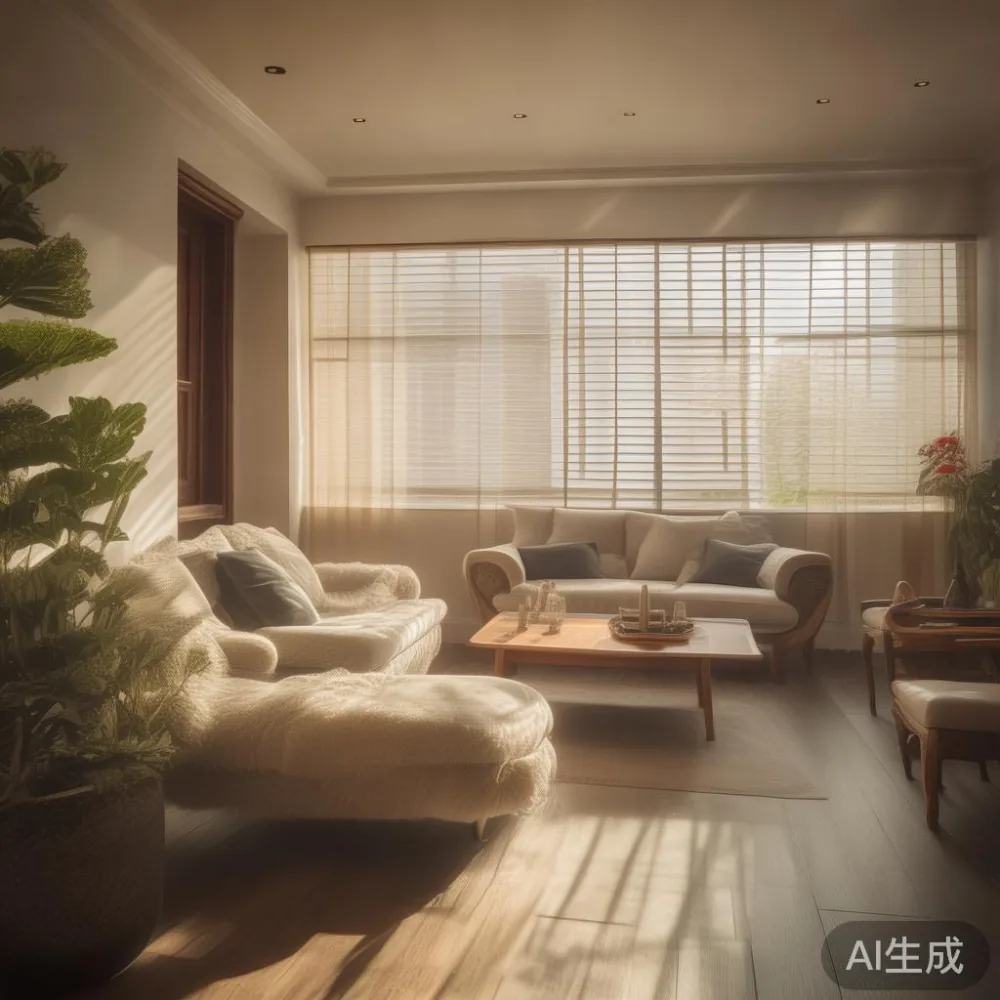
Singapore homes benefit from furniture that feels generous without visually crowding the entrance. A solid wood sofa in pale oak can soften a living room, while a compact nightstand can keep a bedside clear. A dining table with a 45 cm seating edge is comfortable, but access around chairs still requires another 75 to 90 cm in many layouts. Scale should be tested against the actual room and daily circulation.
Owners should also compare the service terms. A 10-year structural warranty gives useful coverage, while lifetime refinishing can extend the usable life of a properly made piece. The claim should clarify which components are included, whether labour is covered, and how finish-related wear is treated. Long-term care is part of the purchase value, not a decorative promise.
How much should a solid wood wardrobe cost in Singapore?
Broadly, a compact 80 cm solid wood wardrobe might begin around SGD 700 to SGD 1,200 before more demanding construction, premium timber, or fitted storage is added. A 150 to 200 cm wardrobe with drawers, internal fittings, and a refined finish may range from SGD 1,800 to SGD 4,500. Marble details, mirrored sections, integrated lighting, or specialised hardware can move it higher.
The meaningful questions include how to choose Italian light luxury wardrobe: does “Italian” refer to the design language, hardware, or manufacture? A buyer should seek clear timber names, construction details, dimensions, finish samples, and warranty terms. If searching for where to buy wardrobe from MIDHILL, compare the quoted specification and delivered cost rather than assuming that one brand has a uniform price at every size.
For bedroom layouts, learning how to style Japandi bed in apartment is useful because Japandi emphasises calm proportions, functional storage, and restrained contrast. A solid wood bed frame with a low profile can suit Punggol and Tampines interiors, but the mattress should not be so tall that it compromises headboard clearance. Light woods paired with warm neutral textiles create the intended effect without requiring a large room.
The same care applies when comparing a French bed vs Modern bed. A French-style bed may introduce a upholstered headboard, curved lines, and decorative framing; a modern bed may use a cleaner timber frame and rectilinear panels. The comparison should cover the timber, support system, dimensions, warranty, and delivered price, not only the headboard silhouette.
What questions should I ask before ordering entryway furniture?
Ask whether the piece is genuinely solid wood in the specified components, what the finish is, how panels are joined, and whether visible surfaces include veneer. Request the packed dimensions and total weight. Confirm the delivery window in working days, GST treatment, lift-service arrangements, assembly, and return conditions.
It also helps to explain the route. A seller familiar with Singapore access can advise whether a 46 cm deep shoe cabinet or a 62 cm wide sideboard is practical for a Bedok walk-up or a Punggol condo corridor. Measurements taken in the wrong location can create a product that is attractive but unusable.
For a cohesive interior, consider Nordic for dining room ideas alongside furniture planning. Pale, tactile woods, uncluttered forms, and warm lighting can make a compact dining area appear calmer. A solid wood dining table with softened edges may work better in a frequently used flat than a very formal design with sharp corners. A solid wood sofa, bed frame, dining table, wardrobe, nightstand, or marble table should each be selected for proportion, function, and construction rather than treated as an isolated decorative object.
Price becomes easier to understand once these elements are visible. Solid wood furniture earns part of its cost through material selection, accurate making, stable construction, finish preparation, and careful packing. In entryway furniture especially, delivery engineering can be as important as the cabinet itself. The strongest purchase is not simply the one with the lowest figure; it is the one whose timber, dimensions, joints, hardware, finish, and access plan are clearly documented and fit the Singapore home it is meant to serve.