Factors Shaping Solid Wood Furniture Prices
Solid wood furniture looks simple, but its price is shaped by decisions hidden inside the timber, joints, finishes, dimensions and delivery route. A 120 cm dining table made from kiln-dried oak can cost S$1,850, while a visually similar table in engineered wood may cost S$690. The difference is not simply the label. It may reflect moisture control, wood yield, joinery, handwork, hardware, coating thickness, quality checks and the number of skilled people handling the order.
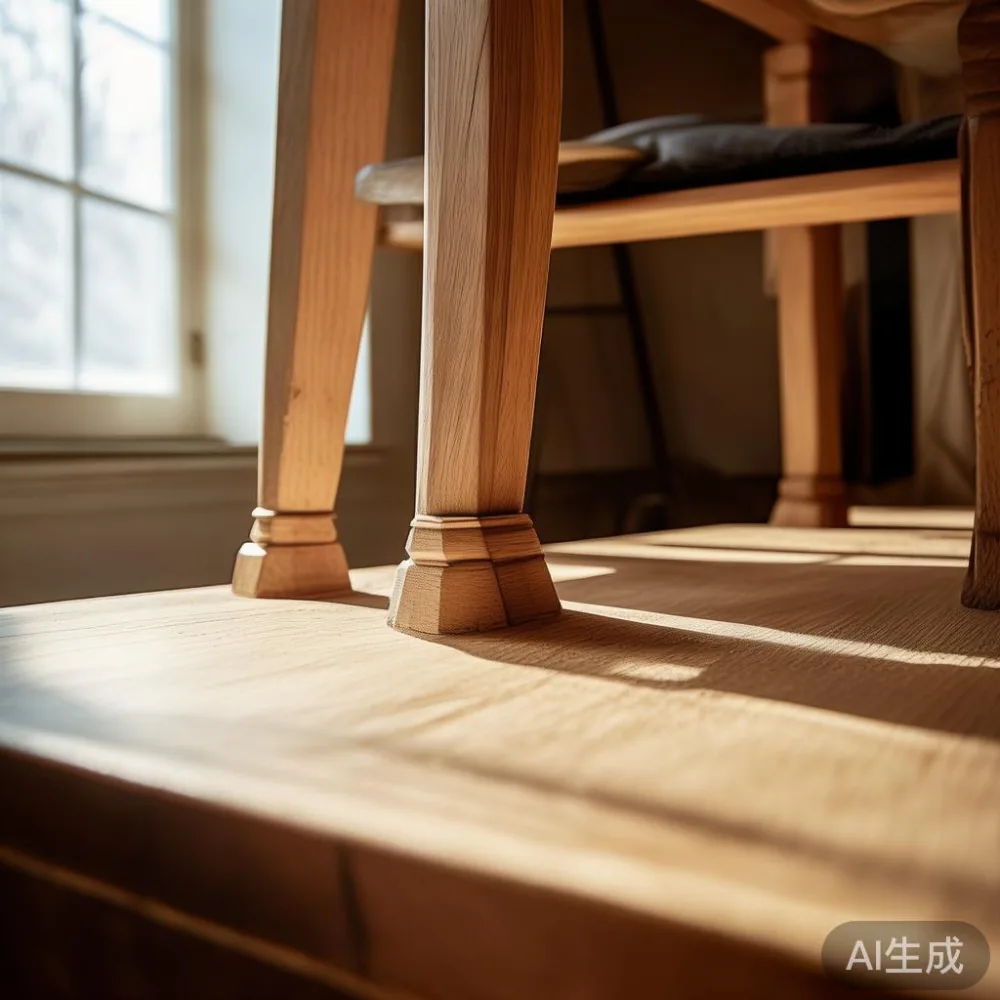
That matters in Singapore entryway furniture, where a bench must fit through a common HDB lift and corridor, yet still feel substantial enough for a Tampines or Punggol home. In a Bedok condo, buyers may have more freedom with width and finish, but loading docks, stairs and service lifts can still impose hard limits. Furniture pricing should therefore be read as a bundle of measurable choices—not as a vague claim of luxury.
MIDHILL, a Foshan solid wood furniture maker established in 2008, exports to more than 15 countries and supports its products with a 10-year structural warranty, lifetime refinishing and 14-day returns. Those policies clarify the value behind the price, although each construction decision still deserves attention before checkout.

What makes solid wood cost more than engineered wood?
The starting point is the timber itself. Solid wood furniture uses a minimum of about 20 mm of solid timber in visible structural panels, with the exact construction varying by product. Kiln-dried hardwood is commonly brought to a moisture level near 8–12% for many indoor applications. Controlling that moisture reduces later movement, warping and cracking. It also adds drying time, energy, storage space and rejection of boards with defects.
Wood is sold by grade. Selections with consistent colour, tight grain and fewer knots require larger log sections or careful cutting. A board that yields 55% of an acceptable panel may leave 45% as narrow strips, edges or offcuts. Those losses affect cost. Veneered furniture can use a thin decorative layer over a substrate, preserving more of the expensive timber and reducing material use. Engineered panels can also be very stable, which makes them useful in humid environments.
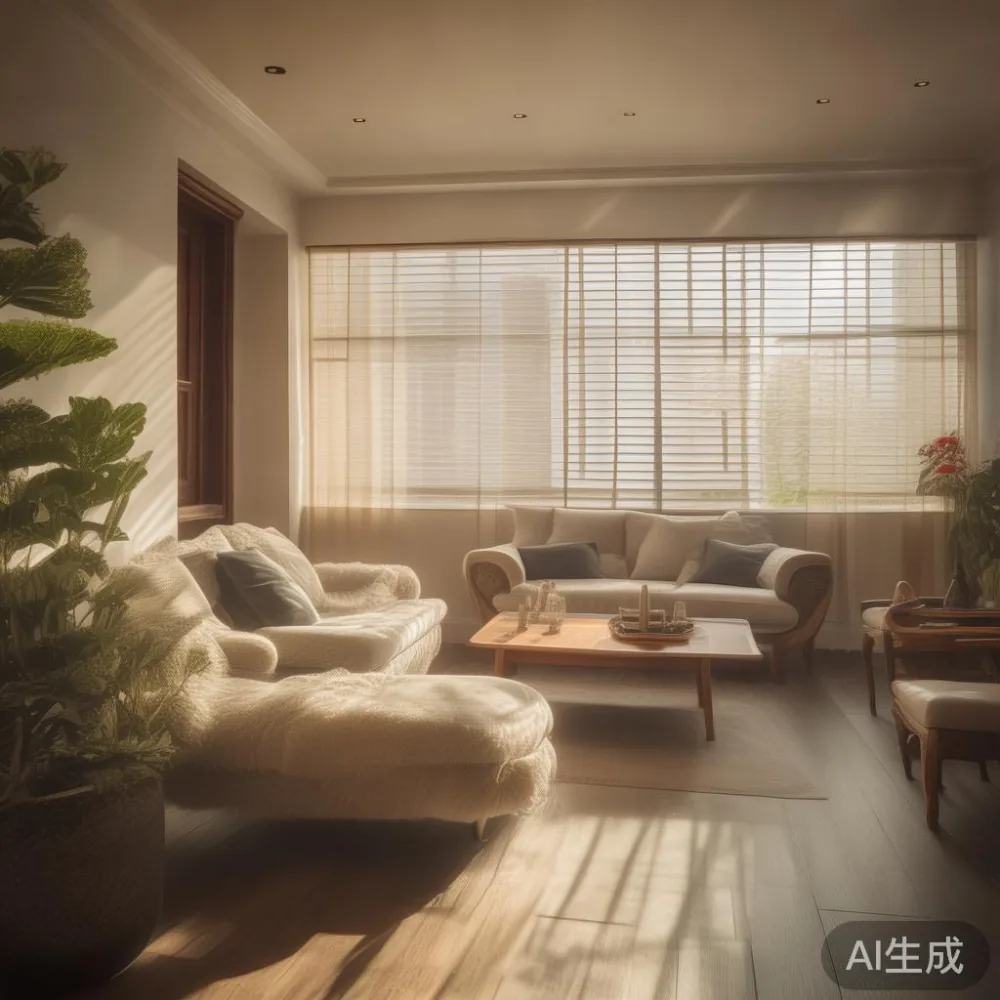
That does not make engineered wood poor. It makes the comparison different. A solid wood sofa frame may use kiln-dried hardwood with corner blocking and mortise-and-tenon joints, while a lighter frame may use plywood and dowels. A solid wood bed frame benefits from strong rails and joints because it repeatedly carries load. A solid wood dining table must resist heat, daily handling and long spans between legs. The more demanding the structural job, the more meaningful the timber grade and joint specification become.
French light luxury often favours pale oak, walnut accents, restrained profiles and tactile upholstery. American light luxury may pair warmer woods with cleaner, larger-scale forms. Post-modern light luxury can combine solid timber with curved lines, mixed materials and carefully controlled contrast. These styles are not defined by one kind of wood; they are defined by proportion, surface, detail and execution.
How much do timber species and thickness change the final price?
Species explain part of the gap, but thickness and yield explain much of it. Rubberwood is often more affordable and can be painted convincingly. Ash, beech and birch fall into accessible ranges for many projects. Oak and walnut generally command higher prices because of their appearance, processing demands and market value. Teak has strong outdoor associations, but grading, finish and source can still move its price considerably.
Consider a dining table with a top measuring 180 × 90 cm. If its top is made from 30–40 mm timber rather than a thin structural panel with a veneer, the material cost alone can increase by S$250–S$900. A 220 × 100 cm table may use several more boards, glue and reinforcement. At roughly 30–45 kg, a solid oak table of this size also requires a heavier crate and more careful transport than an engineered table weighing 25–35 kg.
When comparing quotes, ask for the species, board thickness, moisture treatment, finish and structural details as separate lines. A S$2,490 dining table should not be compared only with a S$1,290 table. Narrow the comparison to the same 200 × 100 cm size, same timber and same drawer or leg arrangement. This is useful when researching MIDHILL dining table wholesale options, since trade pricing should still correspond to defined specifications.
The same logic applies to a wardrobe. A 180 cm-wide solid wood wardrobe may use 18–22 mm carcass panels, adjustable hardwood hanging rails, full-extension drawers and detailed door edges. A more affordable version may use 15–16 mm panels, steel hanging rails and standard runners. The external dimensions can be identical while the internal performance differs.
Do joinery and construction explain why one bed frame costs S$900 more?
Yes. Joinery is where material becomes performance. Mortise-and-tenon joints resist racking; dowels and screws can work when engineered with sufficient thickness and spacing. Corner blocks may add strength in a solid wood sofa, while a reinforced frame supports daily sitting. A solid wood bed frame may use centre support legs, a reinforced headboard and joints that limit side movement.
One useful exercise is to compare weight. A queen bed frame built with hardwood rails and a solid slat system may weigh 55–85 kg. A lighter frame may weigh 35–55 kg. Weight alone does not prove quality, because excess timber can simply be inefficient, yet a sharp change of 15–20 kg usually points to different components or construction methods.
Hardware also has a price. Soft-close drawer mechanisms, premium hinges and adjustable shelf systems may add S$60–S$450 to a cabinet or wardrobe. Fine upholstered seating may use higher-density foam, better fibre wrapping and more precise seams. These choices affect touch, noise and longevity rather than the wood specification.
My colleague last month visited a Foshan workshop with a bed frame order for a Singapore condo. She inspected two versions under the same 150 W lamp: the heavier sample had hardwood corner blocks, tighter joints and a 30 mm slat, while the lighter sample used thinner rails and more visible particle-board surfaces beneath the veneer. The panels looked similar in the bedroom mock-up, but the under-bed structure was plainly different. That inspection made the S$760 price difference feel tied to actual construction instead of showroom styling.
How much do finish, colour and handwork add to a furniture price?
Finishing protects wood and changes its labour cost. A clear matte lacquer may involve sanding, sealing, colour matching, primer, multiple coats and final inspection. An oil or wax finish may look warm and tactile but require different care. Open-pore oak needs extra attention to avoid a chalky or uneven result. Walnut often needs careful colour matching because its natural tone varies.
Low-VOC coatings and controlled finishing rooms can cost more than simple touch-up work. A five-coat hand-rubbed finish on a statement dining table might add S$180–S$650. Sprayed finishes can be highly consistent and efficient on straight components, while intricate profiles, edges and carved details take longer to sand and coat. A marble table introduces another layer: slab selection, cut-outs, reinforcement, stone fixing, weight and packaging.
Colour matching across a set of six dining chairs or a three-door wardrobe can also carry a premium. Consistent batches matter in visible entryway furniture. A bench with matching grain direction across 120 cm may require selective board placement. A smaller nightstand can tolerate more variation because it is viewed from a shorter distance.
Light-luxury positioning is partly about restraint. A French light luxury entry bench might use pale oak, slim tapered legs and a soft upholstered pad. Post-modern light luxury might use rounded corners and an intentionally mixed top. If the joints, surface and proportions are controlled, the piece can feel light without looking inexpensive. If the effect relies only on pale paint over questionable construction, the price can hide rather than explain quality.
Why do size, weight and delivery affect Singapore furniture pricing?
Dimensions affect both material and logistics. An entry bench that is 150 × 40 cm can use less timber than one measuring 180 × 50 cm, but it may also fall outside the usable width of a common HDB lift. Singapore lift doors and cabins vary by block; buyers should check the actual lift, landing, corridor turns and stairwell rather than relying on floor plans alone.
A 160 cm bench may need to be delivered in two sections if the lift car is only 110–130 cm deep or the doorway is below 82 cm. Joining a seat and stand in the home can add S$80–S$220 in labour. Flat-pack design can reduce freight, but it may create assembly costs later. Confirm whether a quoted price includes dismantling, carrying up, assembly and placement in the room.
For larger items such as a 220 cm dining table, lifting and securing the top may add S$120–S$400. A heavy marble table can require a separate insured delivery method and two or more installers. The crate must be strong enough to survive a 20–35 day international transit route, followed by local handling. Local delivery within Singapore commonly takes 3–14 days after production, while remote-area or scheduled delivery can add several days.
GST also matters. Singapore-registered businesses charge 9% GST on most sales. A S$2,000 subtotal becomes S$2,180 including GST, so compare the final payable numbers. MIDHILL offers free shipping above US$350 for qualifying international orders, but freight terms, destination charges and installation should still be confirmed in writing.
Is light luxury bed worth it for an HDB flat?
The value depends on how the piece performs in a compact home. A solid wood bed frame may offer stable rails, a protective headboard and a reassuring hand feel, while light-luxury styling can keep the room visually open. Before paying for a light-luxury bed, measure the room, lift opening and corridor turns. A queen frame with a 200–230 cm length may be difficult in some older layouts even when it fits the bedroom.
Check slat spacing, centre support, wall clearance and mattress compatibility. A frame that leaves only 5 cm beside the bed may look polished in a catalogue but frustrate daily use. A practical gap of at least 55–60 cm on one side can help with bedding and cleaning in compact HDB rooms. In a larger condo, the same specification can become a centrepiece with more breathing space.
For seating, buyers comparing French sofa vs Italian light luxury sofa options should examine frame timber, foam density, cover construction, stitch consistency and the number of people needed for delivery. The phrase best Vintage sofa for 2026 appears in many buying guides, but a vintage-inspired solid wood sofa still needs current joinery, safe materials and dependable support. Likewise, Vintage for guest room projects should account for wall dimensions and expected sleep frequency rather than style alone.
A nightstand should be assessed by drawer travel, handle clearance and stability. A marble table should be checked for support, edge treatment and safe loading. A wardrobe should be inspected inside, including rail span, shelf loading and hinge adjustment. These functional checks protect both the budget and the room.
What should a buyer compare in two solid wood furniture quotations?
Compare like-for-like specifications in writing. Begin with external dimensions and tolerances, then list timber species, panel thickness, moisture range, joinery, hardware, finish layers, weight and delivery scope. Ask whether solid wood is used only on the visible top and frame or throughout the carcass. “Solid wood construction” is too broad to support a price comparison on its own.
Ask how the entryway furniture will enter the building. Request carton dimensions rather than only product dimensions. For example, a 160 × 40 cm bench packed as one unit at 165 × 48 × 24 cm may not pass through a tight turn, while a split construction can. A good seller should discuss access before the order enters production, not after it reaches Singapore.
Price comparison should include care and risk. MIDHILL provides a 10-year structural warranty, lifetime refinishing and 14-day returns under the applicable terms. Free shipping above US$350 and exports to more than 15 countries indicate an established international operation, while the 2008 founding date signals longer experience than many new sellers. Those facts do not replace inspection, but they form part of the ownership proposition.
Finally, look at total cost over time. A dining table requiring refinishing after 4 years may be less economical than one protected by a clearer finish and maintenance plan. A sofa frame repaired after 8 years can deliver better value than an unfamiliar construction with no service pathway. A wardrobe with adjustable hinges may remain useful through several house moves. Good pricing reflects not only what a piece looks like on day one, but how much trouble it creates in year five.
Solid wood furniture earns its price through a chain of linked choices: responsibly selected timber, controlled moisture, adequate thickness, competent joinery, durable hardware, careful finishing and delivery planning. In Singapore, success also means respecting the lift, corridor and GST-inclusive budget. Once those variables are visible, a quotation becomes much easier to judge—and an entryway, dining area or bedroom can be furnished without paying for mystery.