Preserving the Shine: A Guide to Lacquered Entryway Furniture Care in Singapore
Singapore's perpetual summer presents a unique challenge for homeowners, especially for maintaining the pristine beauty of fine furniture. For those who appreciate the sleek, reflective finish of lacquered surfaces, the combination of high humidity and intense sunlight can feel like a constant battle against dullness, stickiness, and eventual damage. This is particularly true for your home's first impression: your entryway furniture. A beautifully lacquered console table or a statement cabinet can set the tone for your entire residence, but keeping it looking its best requires specific knowledge and a consistent routine. This guide provides a detailed, practical approach to caring for your lacquered entryway furniture, tailored specifically to the conditions of Singaporean living, from the compact corridors of a Bedok HDB flat to the spacious lobbies of a Tampines condo.
Understanding Your Lacquered Finish
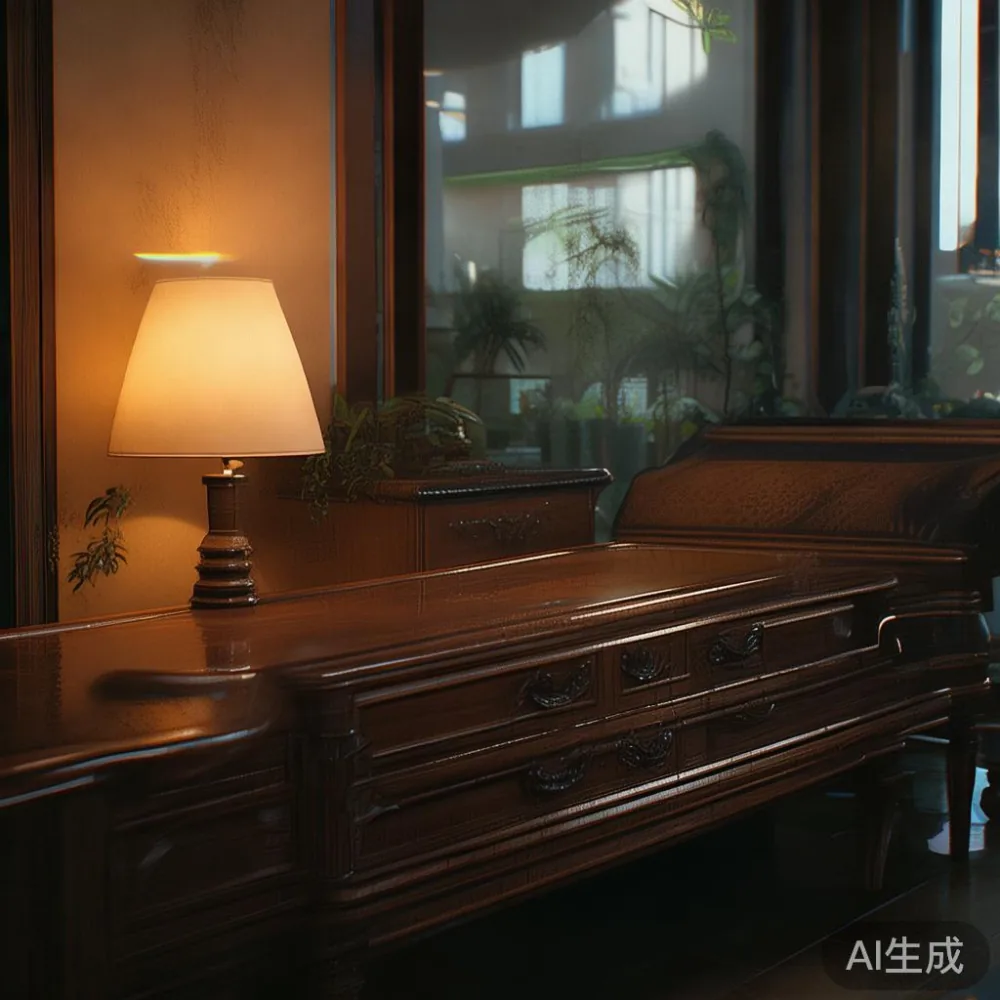
Before we discuss care, it's important to understand what you're working with. Lacquer is a durable, high-gloss finish created by applying multiple thin layers of a clear, hard resin to the wood surface. This process, often done by hand for premium pieces, results in a deep, glass-like sheen that is highly resistant to scratches and stains. The finish is not just for aesthetics; it forms a protective barrier over the solid wood, shielding it from everyday wear and tear. However, this very barrier is also sensitive to environmental extremes. The high relative humidity in Singapore, which averages between 70% and 90%, can cause the wood and the lacquer layers to absorb moisture. This can lead to a hazy, cloudy appearance or, in severe cases, cause the lacquer to soften or become sticky. Simultaneously, the direct sunlight that streams through your corridor windows can cause the finish to fade or yellow over time, robbing it of its original brilliance. Understanding this delicate balance is the first step towards effective care.
How Do I Prevent My Lacquered Console Table from Getting Sticky in Humid Weather?
This is one of the most common questions we hear from homeowners in Singapore. A sticky surface on a lacquered piece of entryway furniture is a clear sign that the finish is reacting to excessive moisture and heat. The good news is that prevention is entirely achievable with a few simple habits. The primary cause of stickiness is condensation. When the surface of the cool lacquer comes into contact with the warm, humid air of your HDB or condo corridor, tiny droplets of moisture can form. Over time, this moisture can seep into the microscopic pores of the finish, causing it to soften.
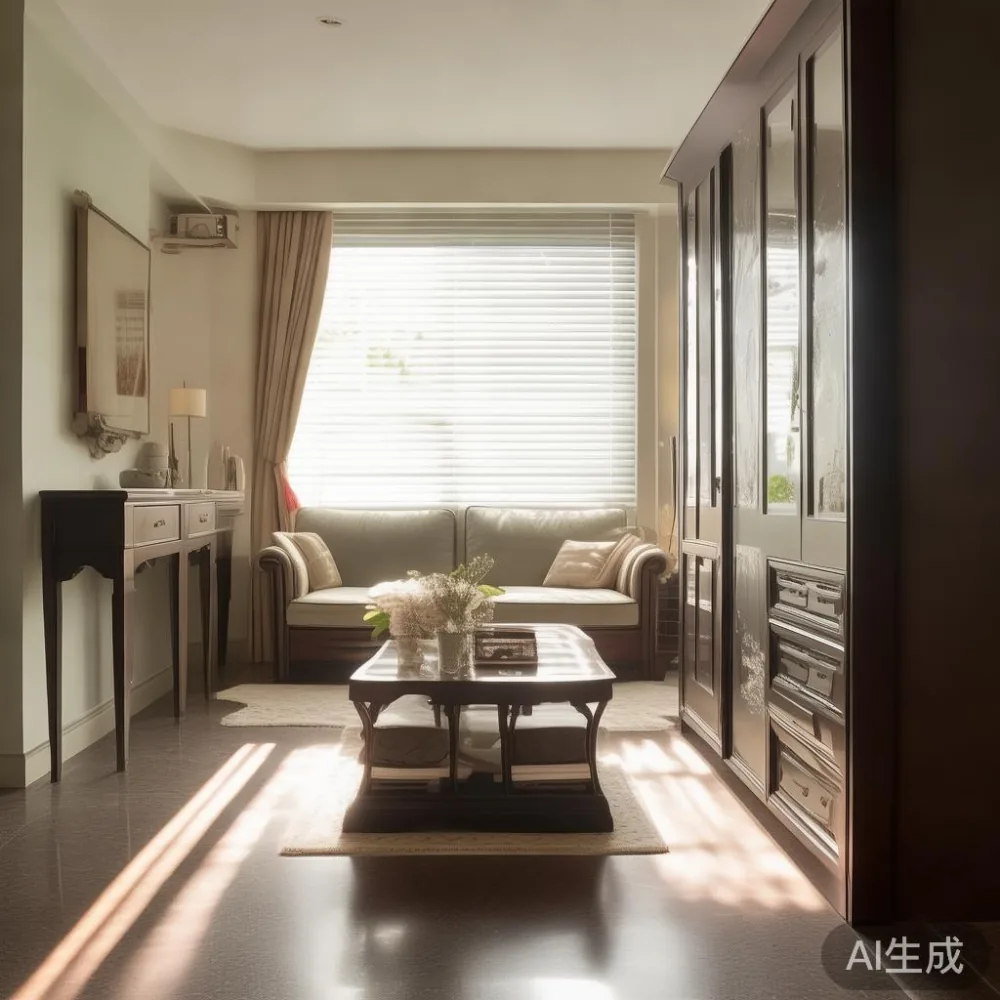
The first line of defense is placement. Avoid positioning your lacquered entryway furniture directly opposite an entrance door or in a spot where it receives direct morning or afternoon sun. A console table in a Tampines HDB's living room, for example, should be placed away from windows that get direct sun. If your condo has a balcony door, ensure the furniture is not in the direct path of the humid air that flows in. Second, manage the environment. Using a dehumidifier in the room where the furniture is located can make a significant difference. Even running it for a few hours a day can lower the ambient humidity enough to prevent condensation. A simple digital hygrometer can help you monitor the levels, keeping them ideally below 70%. Finally, dust your furniture regularly with a soft, dry microfiber cloth. Dust particles can attract moisture and, when combined with it, create a gritty paste that can dull and damage the finish. A quick dusting every 2-3 days is a simple but effective preventative measure.
Daily and Weekly Cleaning Rituals
Maintaining the shine of your lacquered entryway furniture is less about intensive cleaning and more about consistent, gentle maintenance. For daily dusting, always use a clean, lint-free cloth. A microfiber cloth is ideal because its fine fibers trap dust without scratching the delicate surface. Never use a dry cloth that has been used for other cleaning tasks, as it may contain abrasive particles. Gently wipe the surface in a single direction. Avoid circular motions, as these can create fine, hazy scratches over time. For weekly cleaning, when the piece needs more than just dusting, a slightly damp cloth is permissible. The cloth should be wrung out until it is almost dry—damp to the touch, but not dripping. Use only clean, lukewarm water. Never use hot water, as it can damage the lacquer. Wipe the surface and immediately follow with a dry, soft cloth to remove any remaining moisture. This two-step process ensures the piece is clean without being exposed to excessive dampness. Remember to clean the legs and base of the furniture as well, as dust and moisture can accumulate there unnoticed.
The Right Products: What to Use and What to Absolutely Avoid
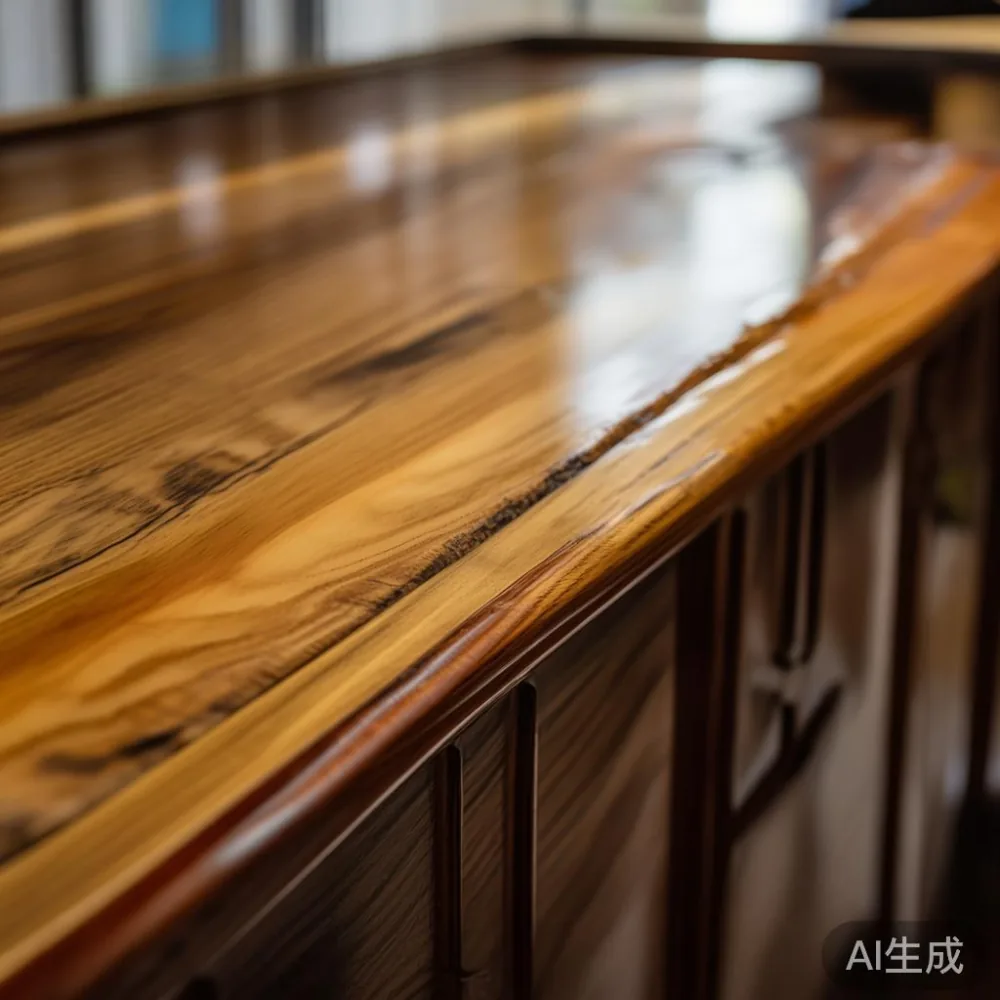
The market is flooded with furniture polishes and cleaners, but not all are suitable for lacquered surfaces. Using the wrong product can do more harm than good. For lacquered finishes, the rule is simple: less is more. You do not need a dedicated polish. In fact, many commercial polishes contain silicone or oils that can build up on the surface, creating a cloudy film that attracts dust and diminishes the shine. The best and safest product you can use is plain, clean water. If you feel you need something more, a product specifically designed for lacquer or high-gloss finishes is acceptable. These are typically pH-neutral and formulated to clean without stripping the protective layers.
What to avoid is just as important. Never use abrasive cleaners, all-purpose sprays, or those containing ammonia or alcohol. These chemicals can etch the surface, leaving permanent dull spots. Steel wool, scouring pads, and rough sponges are strictly forbidden, as they will scratch the finish. Even paper towels should be avoided, as their rough fibers can cause micro-scratches. The only cleaning agents you should ever use are water or a specialized lacquer cleaner. For stubborn spots, a damp cloth with a tiny drop of a very mild, non-alkaline soap can be used, but it must be wiped away immediately and followed by a thorough drying. When considering a new piece, such as a solid wood sofa or a dining table with a lacquered finish, ask the retailer about specific care recommendations. A reputable brand like MIDHILL, which has been crafting furniture since 2008, will always provide clear guidance on maintaining their finishes.
Dealing with Spills and Stains Immediately
Accidents happen, especially in a busy home. The key to preventing a permanent mark on your lacquered entryway furniture is speed. When a spill occurs, do not wait. Grab a soft, clean cloth and gently blot the spill. Do not rub, as rubbing can push the liquid into the wood or spread the stain. For water-based spills like juice or soda, blotting is usually sufficient. For oily substances, you may need to use a cloth with a small amount of mild soap solution, followed immediately by a damp cloth to rinse and a dry cloth to dry. For stubborn marks like water rings, which can form from a cold glass or a wet umbrella, the situation is more delicate. A simple trick is to apply a small amount of baking soda to a damp cloth and gently rub the area in a circular motion. The mild abrasiveness of the baking soda can often buff out the water spot without damaging the lacquer. Afterward, wipe the area with a clean, damp cloth and dry it thoroughly. Prevention, however, is always better. Placing coasters under drinks and a decorative tray on the console table to hold keys and mail can protect the surface from everyday hazards.
Long-Term Protection and Professional Care
Even with the best daily care, a lacquered surface will eventually show signs of wear. The high-gloss finish can become less brilliant, and minor scratches may appear. For minor scratches, a high-quality scratch repair pen or polish designed for lacquer can be used. These products fill in the scratches and restore the sheen. For more significant damage, such as deep scratches, chips, or extensive cloudiness, professional refinishing may be necessary. This involves stripping the old lacquer and applying a new finish, a process that should be left to experienced professionals to ensure the best result.
When investing in new entryway furniture, choosing a piece from a maker with a strong commitment to quality can save you headaches in the long run. A brand that offers a 10-year structural warranty and a lifetime refinishing service, like MIDHILL, provides peace of mind. This means that if the finish deteriorates over time due to normal use, they will stand behind their product. It's a proof of the quality of their craftsmanship and materials. For instance, a homeowner in Punggol might invest in a marble table with a lacquered base for their entryway. Knowing that the piece has a comprehensive warranty protects their investment against the harsh Singaporean climate for years to come. This level of assurance is a hallmark of quality furniture designed to last.
Styling and Placement for Durability
Caring for your lacquered entryway furniture is not just about maintenance; it's also about smart styling and placement to prevent damage. The layout of your Singapore home plays a significant role. In a typical HDB flat, the corridor leading to the bedrooms is narrow. Placing a bulky wardrobe or a wide nightstand here can make the space feel cramped and increase the risk of bumps and scratches. Opt for a slim, console table instead. It provides storage and a surface for keys without overwhelming the space. Ensure there is at least 80 cm of clearance around the furniture to allow for easy movement and cleaning. In a condo, you have more flexibility, but the principles remain the same. Avoid placing furniture in direct sunlight or in the path of strong air conditioning vents, as rapid temperature changes can stress the lacquer.
The items you place on the furniture also matter. Avoid placing hot items, like a steaming kettle from the kitchen, directly on the surface. Always use a trivet or coaster. Similarly, potted plants should have a saucer underneath to catch any water that drains. When choosing decorative objects, opt for those with felt or soft bases to prevent scratches. A beautifully styled entryway not only looks good but also contributes to the longevity of your furniture. For example, a client of mine last month visited our showroom in Foshan. She had recently moved into a new condo in Bedok and was looking for a console table. She was concerned about the humidity. I recommended a solid wood piece with a high-quality lacquer finish and advised her on the placement and care tips we've discussed. She was relieved to find a solution that was both beautiful and practical for her new home. The right piece, when cared for correctly, becomes a lasting part of your home's story.
Is Investing in a Lacquered Console Table Worth It for Singapore Homes?
The answer is a resounding yes, provided you are prepared to commit to its care. A lacquered console table offers a level of sophistication and modern elegance that few other finishes can match. Its reflective quality can make a small entryway in a Tampines HDB feel larger and brighter. The durability of a proper lacquer finish means it can withstand the rigors of daily life, from the placement of bags and groceries to the occasional accidental knock. The key is viewing it as a long-term investment. While the initial cost may be higher than a simple wooden table, its lifespan and enduring beauty offer greater value over time.
When considering the purchase, think about the aesthetic of your home. A lacquered finish fits well with various styles, from the clean lines of French light luxury to the bold statements of post-modern design. You might find a piece that fits perfectly within your budget for under 2000 Post-modern furniture, offering a high-end look without the exorbitant price tag. The question of whether a certain style is worth it often comes down to personal preference and lifestyle. For example, a homeowner might debate is French provincial sofa worth it for their living room, while for the entryway, a sleek, modern lacquer provides a perfect contemporary contrast. The same applies to comparing an American sofa vs French provincial sofa; the choice depends on the desired ambiance. For the entryway, lacquer provides a crisp, clean, and luxurious welcome. With proper care, your lacquered entryway furniture will continue to impress guests and provide a functional, beautiful space for years to come, making it a worthwhile addition to any Singapore home.