What Actually Drives the Price of Solid Wood Entryway Furniture?
Solid wood entryway furniture can look deceptively simple: a bench, console, shoe cabinet, narrow cabinet or hall tree. Its price is shaped by timber species, construction, dimensions, hardware, finish, packaging and the amount of work required to deliver it safely to your home. In Singapore, those decisions are influenced by compact HDB and condo layouts, lift dimensions, corridor turns and GST.
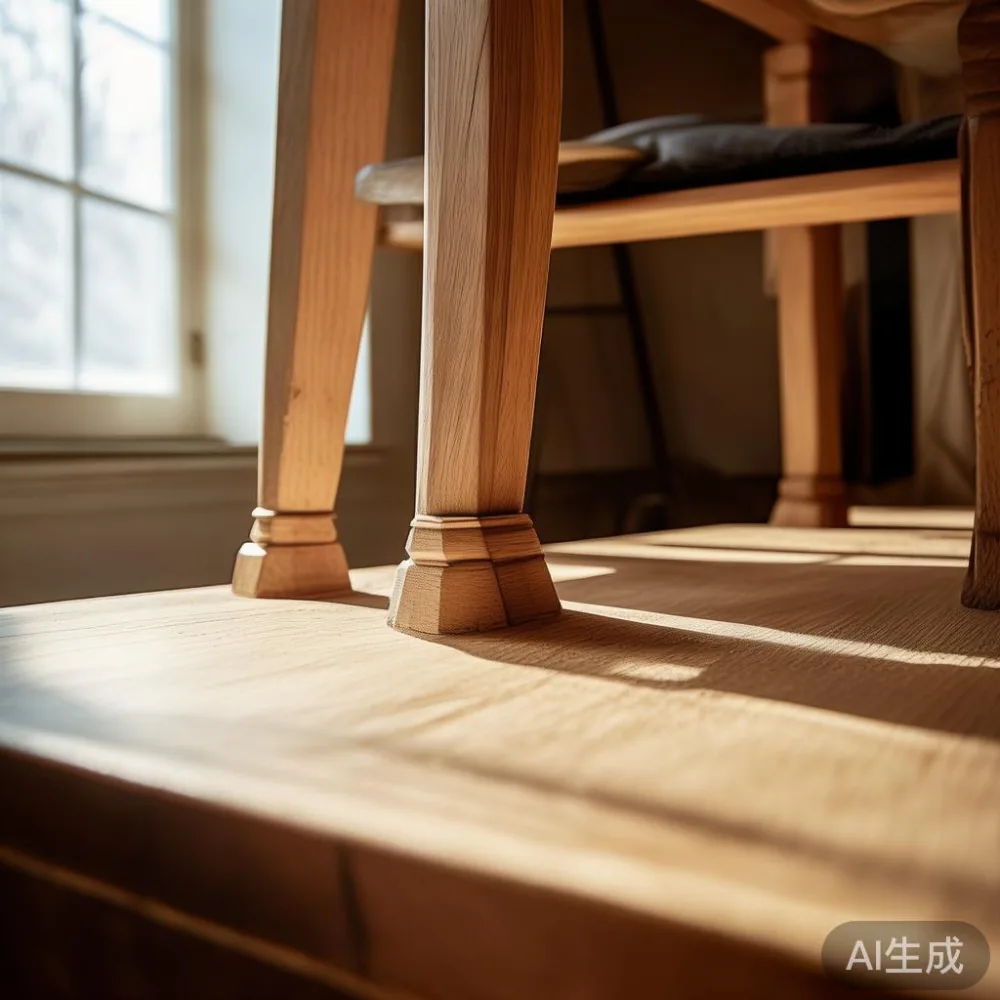
Light luxury does not mean loading a hallway with ornament. French light luxury, American light luxury and post-modern light luxury can all work here, provided the entryway furniture has clear proportions, useful storage and a finish that ages well. A 120 cm console may need more engineering than a decorative 60 cm bench, while a 220 cm wardrobe carries a very different material and logistics cost.
This guide explains the price drivers without treating one style or supplier as automatically superior. The figures below are practical planning references in SGD, not fixed quotations. GST is typically 9% in Singapore and should be shown separately on a retail purchase.

What should I expect to pay for solid wood entryway furniture?
A small solid oak bench with a width of 100-120 cm, depth of 35-40 cm and height of 43-45 cm may retail around SGD 680-SGD 1,280 before GST. A matching shoe cabinet measuring 90-100 cm wide, 35-40 cm deep and 90-110 cm tall may cost about SGD 760-SGD 1,480. A 150-180 cm solid wood console with drawers can range from roughly SGD 980 to SGD 2,100.
More complex entryway furniture commands more. A 180 cm hall-tree unit with a bench, hooks, upper shelf and closed storage may fall around SGD 1,480-SGD 3,200. A wardrobe-style shoe cabinet, 180 cm wide and 210-220 cm tall, may reach SGD 2,400-SGD 5,600 depending on timber, door count and internal fittings.
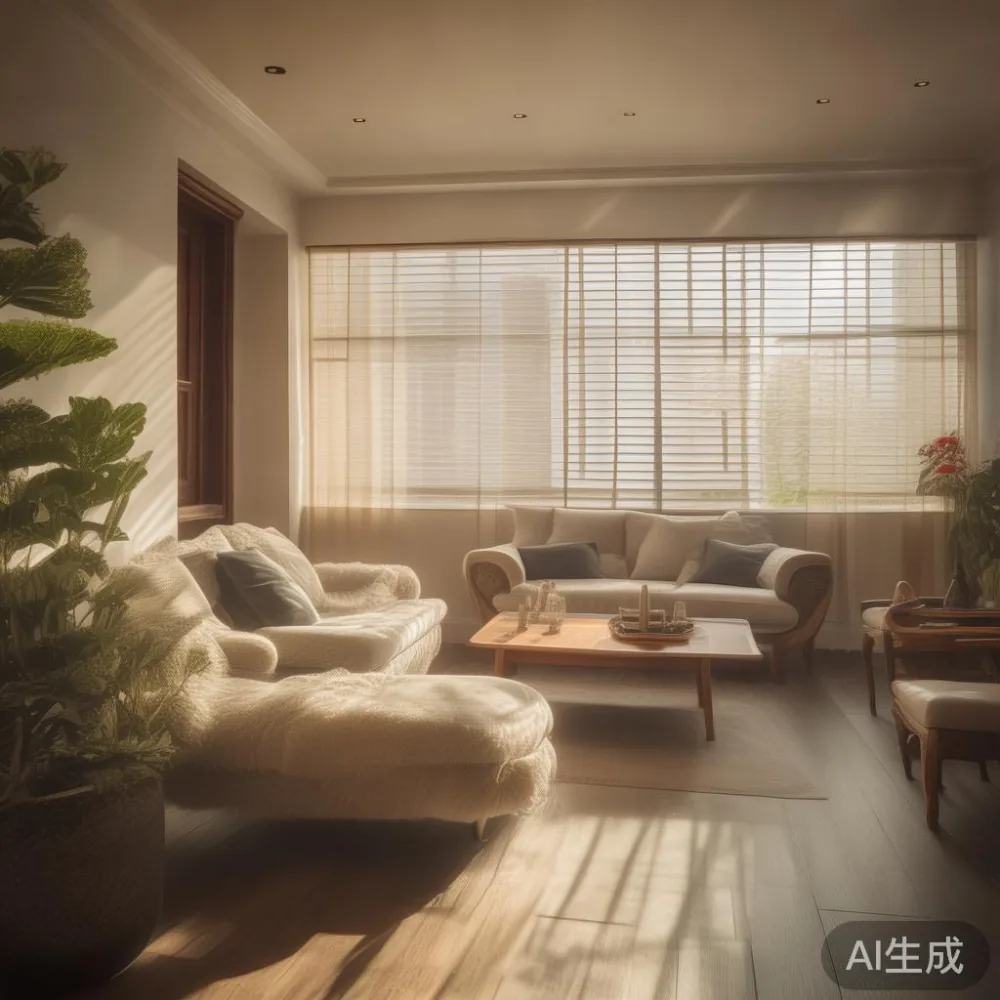
Those prices describe furniture designed for real use, not flimsy veneer wrapped in a solid-wood label. Check the board thickness, back construction, drawer joints and loading rating. A cabinet that weighs 42 kg may be appropriate for shoes; a bench rated for 120 kg needs stronger rails and fixings. Price is only attractive when the construction supports the intended load.
A marble table is a useful comparison. A 100 cm marble-top console may cost SGD 1,500-SGD 3,800 because the stone, crate and insured delivery add expense. Replacing marble with solid wood does not automatically reduce the price: a 40 mm timber top, dovetailed drawers and reinforced corners can still require substantial work.
Why does wood species make such a large price difference?
Timber accounts for a large share of material cost, but species is only part of the story. Moisture content, grade, yield, colour consistency and machining all affect the final price. A species that grows slowly and produces narrower, defect-free boards may cost more per cubic metre than a faster-growing alternative.
White oak often occupies an upper-middle price band. A 150 cm oak console using 25-30 mm solid boards might sell around SGD 1,280-SGD 2,280 before GST. Walnut, where available as a specified species with colour variation, may sit around SGD 1,680-SGD 2,980. Rubberwood and responsibly sourced pine can bring entryway furniture into the SGD 480-SGD 1,180 range, depending on construction and finish.
“Solid wood” should describe the visible structural parts, but sellers need to clarify mixed construction. A product may use solid wood for the frame and drawer fronts with plywood or engineered panels for hidden backs. That can be sensible if each material has a defined role. It becomes misleading if solid wood is presented as the material for every component without explanation.
Ask whether the timber is hardwood, softwood or a named veneer. Veneer is not a defect when specified honestly: a 0.6 mm walnut veneer over stable substrate can create a consistent appearance at a lower weight. Yet a solid 18 mm drawer side does not share the same material budget or repairability.
Mid-century modern for bedroom styling can carry into an entryway through tapered legs, warm timber and restrained storage. A Mid-century dining table belongs in a dining room rather than a narrow corridor, but its construction principles—strong joints, balanced overhangs and repairable surfaces—also inform a solid oak console. The same discipline applies to every category within this guide.
How much do joinery and board thickness affect the price?
Construction matters more than decorative complexity. Mortise-and-tenon joints, dovetailed drawer corners and through-tenons generally require more setup and labour than simple screw joints. They also improve longevity. A 120 kg-rated bench may use 60-80 mm legs, two supporting rails and fixings spaced at roughly 300-450 mm; those choices add material and machining time.
Back panels deserve attention because they control movement and alignment. A thin 3-5 mm back may be adequate in a protected indoor location, while a 9-12 mm panel offers greater rigidity. Drawer boxes may be 12-15 mm thick. A premium dresser-style console can also use solid timber drawer sides, while a shoe cabinet may use stable engineered components where weight reduction is practical.
Hardware is another measurable factor. A soft-close drawer runner may add SGD 25-SGD 90 per drawer. Brass or metal handles may cost SGD 18-SGD 75 per set. Locking mechanisms, adjustable shelves and concealed cable-management parts can add another SGD 60-SGD 260 to a fitted unit.
Finishing needs several coats and careful sanding. Factory application may add roughly 8%-18% to the base price: about SGD 80 on a SGD 1,000 console and SGD 420 on a 25 mm marble table. Lower-sheen finishes are easier to maintain in a corridor exposed to shoes, bags and hands. Very high-gloss surfaces can show scratches and fingerprints.
Do lift and corridor dimensions really change what a customer pays?
Yes. Delivery can add SGD 55-SGD 160 for a normal ground-floor Singapore delivery, while a timed two-person service may cost SGD 140-SGD 280. Upper-floor delivery without a lift can add SGD 80-SGD 220, plus a longer booking window. A bulky wardrobe delivered to a lift-equipped block may still require extra handling if the lift is too shallow or narrow.
Measure before ordering. Many HDB and condo lift doors are around 80-90 cm wide, while lift cars may measure roughly 110-140 cm deep and 110-140 cm high. These are planning ranges, not guarantees for a specific block in Tampines, Bedok or Punggol. Corridor widths can range from about 110-180 cm, with right-angle bends and fire doors creating the real restrictions.
A console packed at 160 cm long, 42 cm wide and 38 cm deep may fit a suitable lift but not a tight turn. A hall tree may be impossible to transport fully assembled and may need sectional construction. Shipping it as modules can add SGD 120-SGD 350 in Singapore, yet prevent damage and make future reassembly easier.
Solid wood is heavy, but weight is not the only criterion. A solid walnut 180 cm console might weigh 35-55 kg, whereas a larger engineered unit may weigh 28-40 kg. Dimensions, packaging and turning radius can matter more than the number printed on a carton.
Last month I visited a supplier in Foshan and watched a 42 kg console leave its final inspection station. The timber was sound, but its fixed solid side panels made the carton wider than a knock-down version. The team changed the internal braces and used two separate cartons. A modest production change protected the corners and reduced rejection risk; those small decisions affect the final delivered cost.
Is imported furniture always more expensive?
No. Import distance is only one layer of the price. Concentration of raw materials, labour rules, factory scale, defect control, packaging and order quantity can outweigh distance. A Foshan maker buying timber in large volumes may control costs differently from a retailer importing a small batch through multiple intermediaries.
A landed retail comparison should include the product, GST, delivery and after-sales support. Two 120 cm oak benches may appear at SGD 1,080 and SGD 1,420, but the lower figure may exclude delivery, use thinner solid components or carry a less durable finish. A fair comparison uses the same species, dimensions, timber thickness and joint standard.
MIDHILL has manufactured since 2008 and exports to more than 15 countries. That operating history matters less as a promotional fact than as evidence of repeated production experience. Its 10-year structural warranty gives buyers a defined reference point, while lifetime refinishing addresses a long-term ownership need. These supports can justify a price when documented clearly, though every specification still deserves inspection.
For local purchases above US$350, MIDHILL offers free shipping under its stated policy; the Singapore delivery charge and GST should still be confirmed for the specific order. A 14-day return period gives customers time to inspect scale, finish and fit. These policies reduce some ownership risk, but they do not replace a written material specification or careful site measurement.
Buyers researching the top 10 European light luxury furniture options may focus on names and styling. For entryway furniture, the more useful comparison is measurable: board thickness, drawer construction, moisture target, finish coats, hardware brand and packaging method. A European reference image should not lead a buyer to assume every listed component is European.
What is the difference between light luxury and heavily ornamented furniture?
Light luxury emphasises proportion, material quality and restrained detail. A clean-lined 90 cm oak cabinet with replaceable brass pulls and a 6-8 coat finish may look more luxurious than a crowded hall tree with 16 applied mouldings. The former often uses cost where the hand can detect it: joints, surfaces and hardware.
French light luxury may introduce soft upholstery, curved silhouettes or muted colours. If a solid wood sofa is intended for an entry room, it should remain shallow enough to preserve circulation. If a bedroom search includes guidance on how to style French provincial sofa in bedroom, keep the scale disciplined: allow about 75-90 cm beside the sofa and 12-18 cm between the arm and nearby furniture where circulation permits.
Post-modern light luxury may play with asymmetry, mixed materials or graphic forms. American light luxury often favours generous scale and clean detailing. A marble table can fit that language, but its 180-240 kg weight class requires careful planning and may be unsuitable beside a frequently used corridor.
These style labels describe appearance, not a fixed price category. A solid wood sofa may range from SGD 1,980 to SGD 5,600 before GST; a bed frame may range from SGD 1,280 to SGD 4,200; a dining table from SGD 1,080 to SGD 3,800; a wardrobe from SGD 1,680 to SGD 6,500; and a nightstand from SGD 280 to SGD 760. Construction should drive any comparison.
The MIDHILL European light luxury wardrobe may appeal to buyers seeking visible timber and tailored storage, while the MIDHILL sofa can demonstrate how upholstery, frame timber and comfort layers affect cost. The same questions should be asked of a solid wood bed frame, dining table, nightstand and marble table.
How can I check whether a price reflects real value?
Ask for five documents or measurements: species, component thicknesses, joint method, finish schedule and packed dimensions. Compare like-for-like prices using the same currency and tax basis. Record whether SGD prices include 9% GST; a 1,000 SGD item costs 1,090 SGD after tax.
Review sample photos at natural daylight, not only under warm showroom lighting. Check colour across the side, top and front because a board cut from different parts of a log can vary. Confirm that floor and wall contact is controlled in humid conditions. Singapore’s high humidity makes stable joinery, appropriate ventilation and careful care relevant throughout the year.
Allow 7-14 days for a well-specified custom finish and roughly 14-30 days for made-to-order dimensions, depending on production and finishing. Add 2-7 local delivery days after dispatch. Keep a 5-10 cm measurement margin around doorways, but do not assume it will solve a lift-car turning problem.
The price of solid wood entryway furniture comes from a chain of choices: where the timber comes from, how thick it is, how parts are joined, what hardware is fitted, how many finish coats are applied and how the piece reaches the lift. A lower number may reflect sensible material choices; a higher number may reflect stronger construction and service. Judge each entryway furniture quotation by what is specified, delivered and supported—not by the number alone.