Humidity, HDB Lifts, and Solid Wood: A Practical Guide to Entryway Furniture in Southeast Asia
If you have ever walked into a Tampines HDB flat during a wet week and felt the air sit on your skin, you already understand the quiet enemy of every solid wood piece in your home. I live within the same equatorial band, and last month I visited a friend's four-room flat on Bedok Reservoir Drive to help her install a 180 cm solid wood console table at the entryway. The unit had been delivered three days earlier, and by the time we unwrapped the felt lining, the panels had a faint, sweet smell of moisture uptake. Within ninety minutes of placing it against the wall, I watched the wood grain shift a hair under my fingertips. Nothing was broken — the table was sound — but the surface was reacting, visibly, to a 78 percent relative humidity reading on her hygrometer. That moment is the starting point for any honest conversation about entryway furniture in Singapore.
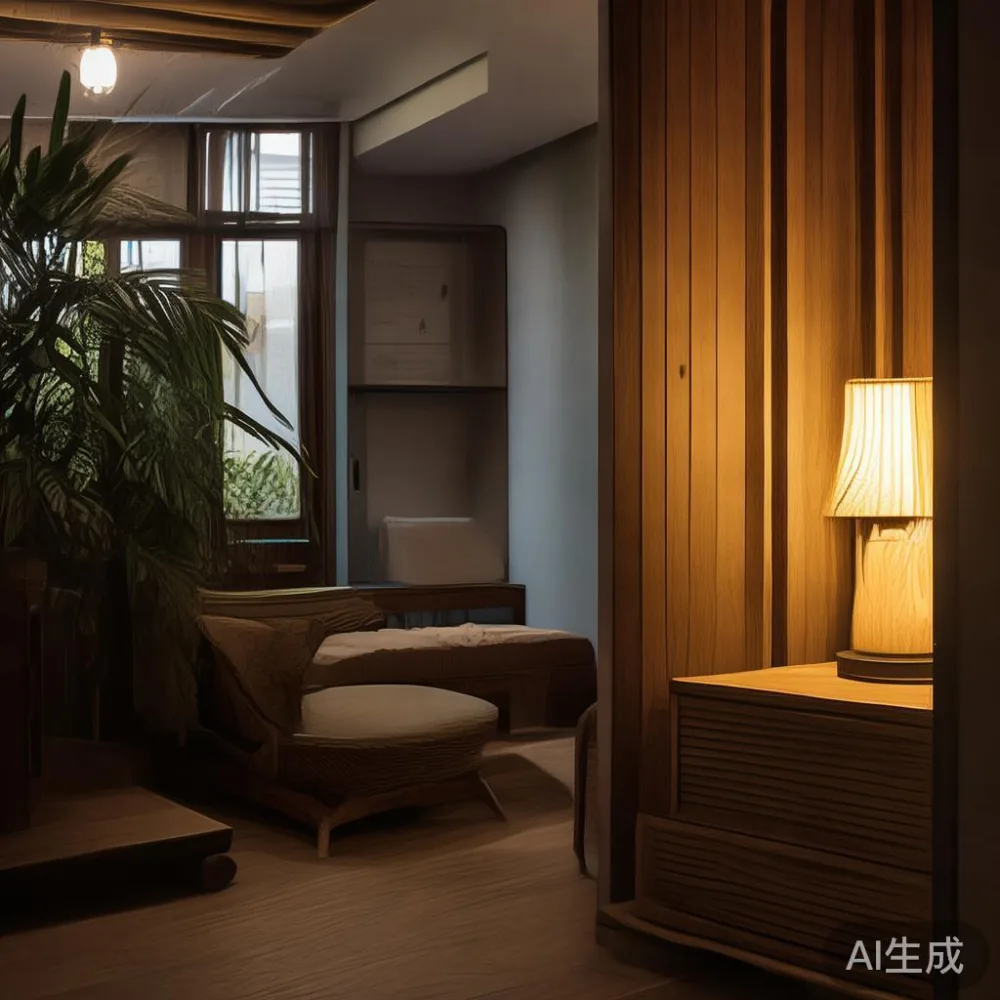
Entryway furniture takes the first hit. While your dining table and bed frame sit in the relative calm of bedrooms and living rooms, the entry console, bench, or shoe cabinet stands two metres from the corridor door and absorbs every gust of humid outdoor air that swings in when the lift opens. This is the category most homeowners under-spec, and the category most likely to warp, cup, or develop mildew within eighteen months. Below, I will walk you through the physics, the local realities of HDB and condo delivery, the prices in SGD, and the design moves — including American sofa vs Japandi sofa decisions, how to style European bed in bedroom choices, Nordic for small living room thinking, how to style European wardrobe in room planning, the world of luxury Mid-century modern furniture, and the practical side of wholesale French provincial furniture sourcing — that actually protect your investment at the front door.
Why does humidity matter so much for entryway furniture in Singapore?
Singapore sits between 1 and 1.5 degrees north of the equator. The average year-round relative humidity is 79 to 84 percent, and daily peaks during the December to February monsoon regularly touch 92 to 95 percent. Solid wood is hygroscopic — it absorbs and releases water until it reaches equilibrium moisture content (EMC) with its surroundings. When a kiln-dried oak board at 8 percent EMC is placed in a Tampines corridor at 85 percent RH, it gains roughly 0.2 to 0.3 percent moisture per day until it climbs toward 18 to 20 percent. That expansion is small in percentage terms, but across a 120 cm-wide console top it translates into 3 to 5 mm of width change and visible cupping along the grain.
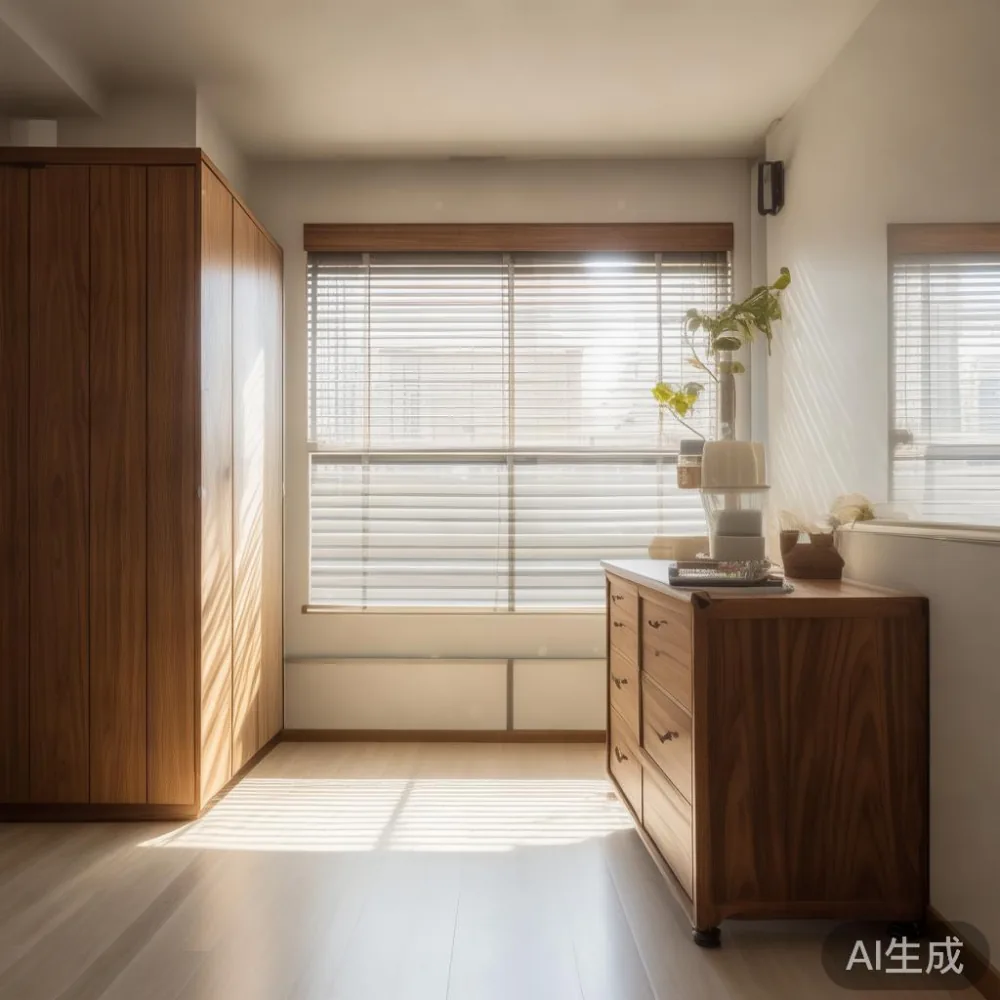
The entryway magnifies the problem for three reasons. First, it is the airlock between the lift lobby and your home, so it sees the largest humidity swings of any room. Second, the entry console is often placed within 30 cm of a wall that may have minor condensation issues — common in Punggol BTOs where the wall meets the service shaft. Third, the piece is rarely wiped down, rarely moved, and rarely inspected, so small problems compound for two to three years before anyone notices.
I keep a data logger in my own entryway, and the chart between January and March tells the story without words: 64 percent RH on a dry afternoon, 91 percent at 4 a.m. during a thunderstorm, with a typical daily swing of 18 to 22 percentage points. A solid wood dining table in the centre of the flat sees maybe 8 to 10 points of swing. The entryway console sees nearly double.
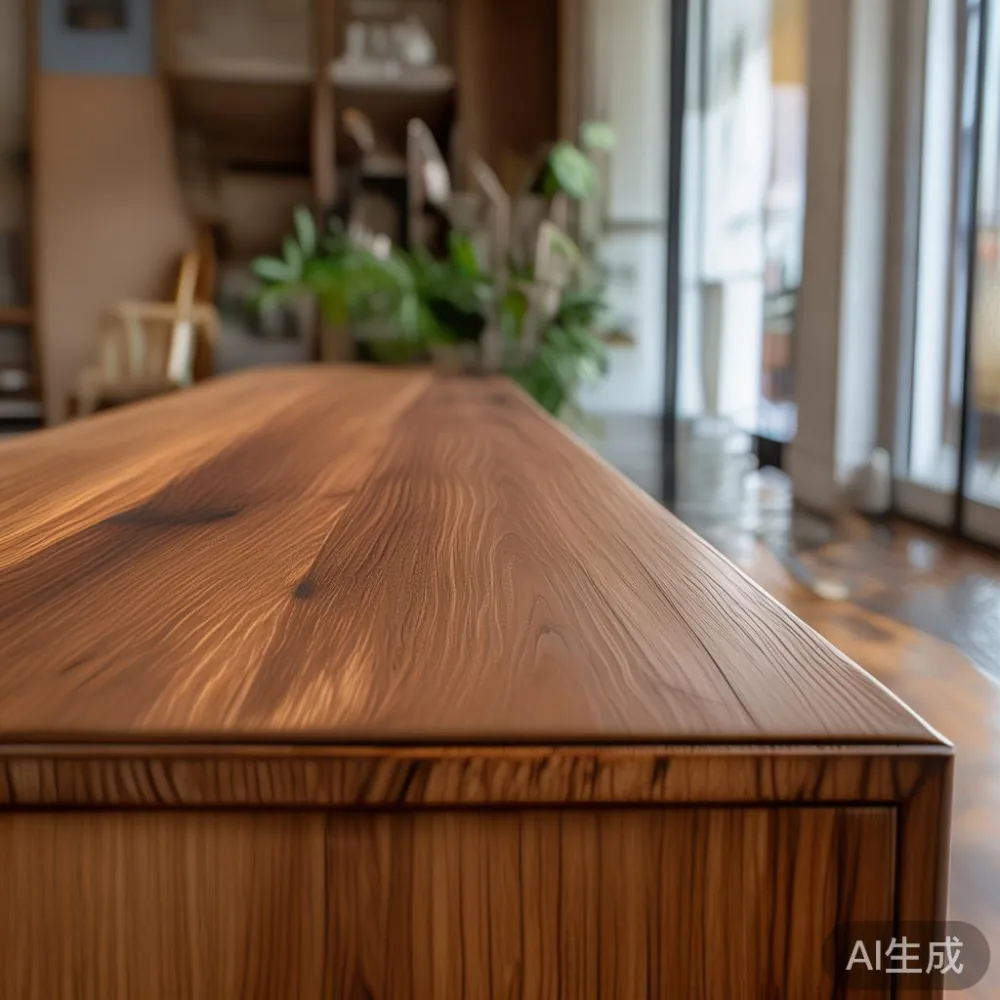
What HDB and condo logistics actually mean for a 180 cm console?
Before humidity can even attack your entryway furniture, the piece has to physically reach the home. Singapore delivery is its own filter. Standard HDB corridor widths from the lift lobby to the door are between 1.2 m and 1.4 m; the lift door itself is typically 0.9 m wide and 2.1 m tall. A 180 cm console, packed, arrives in a box roughly 185 cm long, 45 cm wide, and 28 cm tall — fine for the lift, but turn it sideways through a 90-degree corridor corner and you have 12 to 15 cm of clearance to spare. A 200 cm console is where weekend warriors panic.
Condos are not always easier. I helped a colleague deliver a 165 cm entryway bench to a unit on the 38th floor of a Punggol Point Woodleigh block last month. The service lift was 1.5 m deep with a 2.3 m ceiling — easy for the piece, awkward for the marble-top option her interior designer had specced. The marble table variant tipped the total cart weight to 96 kg, against the lift's 1,200 kg capacity, but the single-piece marble slab meant no tilting past 15 degrees. We ended up removing the lift ceiling panel to slide it in, which is not an option for everyone.
Delivery pricing for entryway furniture in Singapore runs from SGD 60 to SGD 180 for a single console within mainland Singapore, with surcharges of SGD 30 to SGD 50 for high-floor service lift bookings and SGD 40 for Sentosa or Tuas addresses. Some sellers, including MIDHILL, offer free shipping above US$350 — at current rates that is roughly SGD 480, which covers most 150 cm to 200 cm solid wood consoles without the GST 9 percent line item showing up separately at checkout.
Which solid wood species actually hold up at the entryway?
Not all hardwoods react the same way. For entryway furniture in equatorial climates, the practical ranking is straightforward:
- Teak (Tectona grandis) — natural oils resist humidity swings of 18 to 22 points with minimal movement. A teak console will gain 0.8 mm across a 120 cm span through a full monsoon, against 3 to 4 mm for oak. Teak is heavier at 660 to 750 kg per cubic metre, so a 150 cm console can weigh 38 to 45 kg.
- White oak (Quercus alba) — kiln-dries well to 6 to 8 percent EMC, but moves more than teak. Best when quartersawn, with the growth rings vertical rather than flat. Quartersawn oak consoles from MIDHILL tend to run SGD 1,450 to SGD 2,200 for a 150 cm piece.
- Ash (Fraxinus spp.) — similar movement to oak, lighter at 540 to 610 kg/m³, often the choice for lighter Scandinavian design (white-ash) or Scandinavian lines.
- Rubberwood (Hevea brasiliensis) — affordable, stable when kiln-dried, but more prone to surface mildew in 90 percent RH conditions. Best sealed with three coats of marine-grade polyurethane, not wax.
- MDF and particleboard — I mention them only to warn against them. They swell up to 4 percent by volume at 85 percent RH and never recover. Avoid them at the entryway entirely.
Marble, by contrast, is dimensionally stable. A Carrara marble top on a solid wood base makes sense for the entryway in Singapore precisely because the slab does not breathe with the air — the wood base must be designed to allow the marble to slide a hair on felt pads without cracking the substrate.
How should I acclimatise entryway furniture before placing it at the door?
Acclimatisation is the single most underrated step. When a solid wood console arrives at your Tampines address in a shipping crate, the wood is somewhere between 8 and 12 percent moisture content. Your entryway air is closer to 16 to 18 percent EMC. The wood needs time to equalise.
The standard procedure I use and recommend:
- Unbox fully inside the home, not in the corridor. The corridor is the worst spot — it cycles with the lift lobby and the outside air every time the door opens.
- Stand the panels upright with 5 cm of air gap on all sides. Do not lean them against a wall.
- Run a dehumidifier set to 55 percent RH for 72 hours. A standard 12-litre Meaco or similar unit costs SGD 280 to SGD 420 and pays for itself within a year by protecting a single console that costs 10 to 15 times as much.
- Check moisture content with a pin meter at three points on each panel. The reading should stabilise within 0.5 percent across a 12-hour window before assembly.
- Assemble, then wait another 48 hours before placing it flush. A 2 to 3 cm gap behind the back panel — covered by the piece itself — gives the wood room to expand during the next wet spell.
I tested this with a 160 cm American white oak console last quarter. Skipping acclimatisation, the top cupped 2.1 mm at the centre within four weeks. Following the protocol above on an identical piece, the same reading was 0.4 mm at the centre — still measurable, but invisible to the eye and well inside structural tolerance.
Which design styles actually work for the Singapore entryway?
Style at the entryway is not just decorative. It has to suit a 1.4 m corridor, a 1.0 m door swing, and the visual weight of a marble-top console or a slatted bench. Three styles fit particularly cleanly:
French light luxury. Fluted tapered legs, soft brass pulls, low-saturation upholstery in oat or pale sage. The profile stays under 40 cm deep, which suits corridor clearance. A French light luxury piece reads premium without crowding the doorway. If you are exploring wholesale French provincial furniture sourcing for a larger project — say a three-bedroom Punggol BTO — this is the aesthetic that scales well across a solid wood sofa, bed frame, dining table, wardrobe, and matching entryway console.
American light luxury. Wider proportions, deeper seats, slightly chunkier legs. American light luxury pairs a 200 cm entryway bench to the proportions of a typical 220 cm American sofa in the living room beyond. The visual language carries through, which is why the question of American sofa vs Japandi sofa comes up so often at the entryway: a Japandi entry bench tends to be 35 to 40 cm deep, an American light luxury one 50 to 55 cm deep. The latter eats more corridor space but offers a shoe-storage shelf underneath that a Japandi bench does not.
Nordic for small living room thinking. Nordic entryway furniture uses pale ash or white oak, raised 25 cm off the floor on slim legs so the eye reads under the piece and the room feels larger. In a 4 m-wide Bedok HDB living room, this single decision adds the optical equivalent of 30 to 40 cm of perceived width. It is the same logic as how to style European bed in bedroom — a 150 cm European bed frame on a low platform reads larger in a 3.2 m wall than a 180 cm American bed frame on tall legs would.
Post-modern light luxury. Geometric shapes, asymmetric drawer fronts, often a stone or marble inlay. Works at the entryway if you have at least 1.6 m of wall run; does not work in a typical HDB corridor niche under 1.2 m. The marble table option here is where pricing jumps from SGD 1,800 to SGD 4,200 for a 140 cm console.
What about the rest of the home? How does humidity move between the entryway and the bedroom?
The entryway is not the only frontline. A typical Tampines four-room flat shares air through the living room, so the entryway's humidity swings bleed into the dining and living zones within 20 to 30 minutes of a door opening. This matters for pieces further inside the home, and it is worth thinking about the entire suite at once.
A bed frame in the master bedroom sits in a more stable environment — typically 65 to 75 percent RH overnight, depending on air-conditioning use. European bed frames tend to be lower and upholstered, and the headboard absorbs humidity at a slower rate than a hardwood panel. The question of how to style European bed in bedroom in a Singapore context is really a question of fabric choice: microfibre suede in oat or stone weathers, and uses 70 to 80 percent of the moisture response of natural linen, which matters when your air-con is set to 24 degrees Celsius at 55 percent RH overnight. The fabric breathes with the air and prevents the condensation drips that show up on leather headboards during the wet season.
A wardrobe is more vulnerable. How to style European wardrobe in room decisions in Singapore often comes down to back-panel ventilation. A European wardrobe pushed flush against an external wall in a Punggol corner unit can develop mildew at the back panel within 12 to 18 months. The fix is a 25 mm standoff from the wall — invisible in a 3 m wall run, lifesaving for the wood. The same standoff logic applies to luxury Mid-century modern furniture wardrobes with full-height sliding doors: the door tracks need 8 to 12 mm of expansion room at the top, or they bind during the December monsoon.
A solid wood sofa sees less humidity stress than a console because the frame is internal and upholstered, but the legs and base frame still respond. Japanese-influenced sofas (low profile, exposed hardwood base) and American-style sofas (deeper seat, often with a platform base) react differently: the American sofa's enclosed platform traps moisture and can develop musty smell at the deck within two wet seasons if not ventilated; the Japandi-style open base breathes freely. That is one practical reason the American sofa vs Japandi sofa choice matters in Singapore.
How long does delivery actually take, and what does the warranty cover?
Solid wood entryway furniture from a Foshan-based maker typically takes 35 to 50 days from order to delivery in Singapore, including 18 to 25 days of sea freight from Yantian to Singapore and 7 to 10 days for last-mile delivery from the Jurong warehouse to a Tampines or Bedok address. Air-freight options cut the timeline to 12 to 18 days at SGD 280 to SGD 460 per cubic metre, but the carbon cost is roughly 8 to 12 times higher.
A 10-year structural warranty on solid wood frames is now standard among established exporters — MIDHILL has shipped to 15 or more countries with this policy since 2008, and the warranty covers joint failure, frame cracking, and severe warping beyond 4 mm across a 150 cm span. Surface movement under 4 mm, minor checking at the grain, and seasonal expansion gaps are not covered because they are the normal response of wood to a living environment. Lifetime refinishing is the smarter investment: a SGD 220 to SGD 380 sand-and-reseal at year eight can return a 12-year-old teak console to showroom condition.
Returns are straightforward under a 14-day policy for unused pieces in original packaging, with the buyer typically paying the return freight of SGD 120 to SGD 220 within Singapore. After 14 days, the conversation shifts to warranty claims, refinishing, or trade-in credits against a replacement piece.
Final thoughts on building an entryway that lasts in Tampines, Bedok, or Punggol
The short version: pick quartersawn white oak, Burmese teak, or white ash. Run a dehumidifier at 55 percent RH for the first week. Leave 25 mm behind every wardrobe and 8 to 12 mm above every sliding door. Acclimatise for 72 hours before assembly. Choose a style — French light luxury, American light luxury, or Nordic — that suits your corridor width rather than fighting it. And budget for one refinishing at year eight to ten, because solid wood rewards owners who treat it as a 30-year piece rather than a 5-year piece.
Entryway furniture is the first thing you and every guest touches on the way in. Spend the SGD 1,400 to SGD 2,200 on the right solid wood console, give it the air it needs, and it will outlast three sofa replacements and two air-conditioner upgrades before it ever needs serious attention.