A Guide to Caring for Lacquered Surfaces in Singapore's Humid Environment
Living in Singapore, with its year-round high humidity and intense sunlight, presents a unique set of challenges for homeowners. This is especially true for those who appreciate fine furniture, particularly entryway furniture with its often delicate and highly polished surfaces. A beautiful lacquered console table or bench can be the stunning first impression of your home in Tampines or a sophisticated touch in a Punggol condo, but its upkeep requires specific knowledge. This guide provides a detailed, practical approach to ensuring your lacquered entryway furniture remains flawless for years to come.
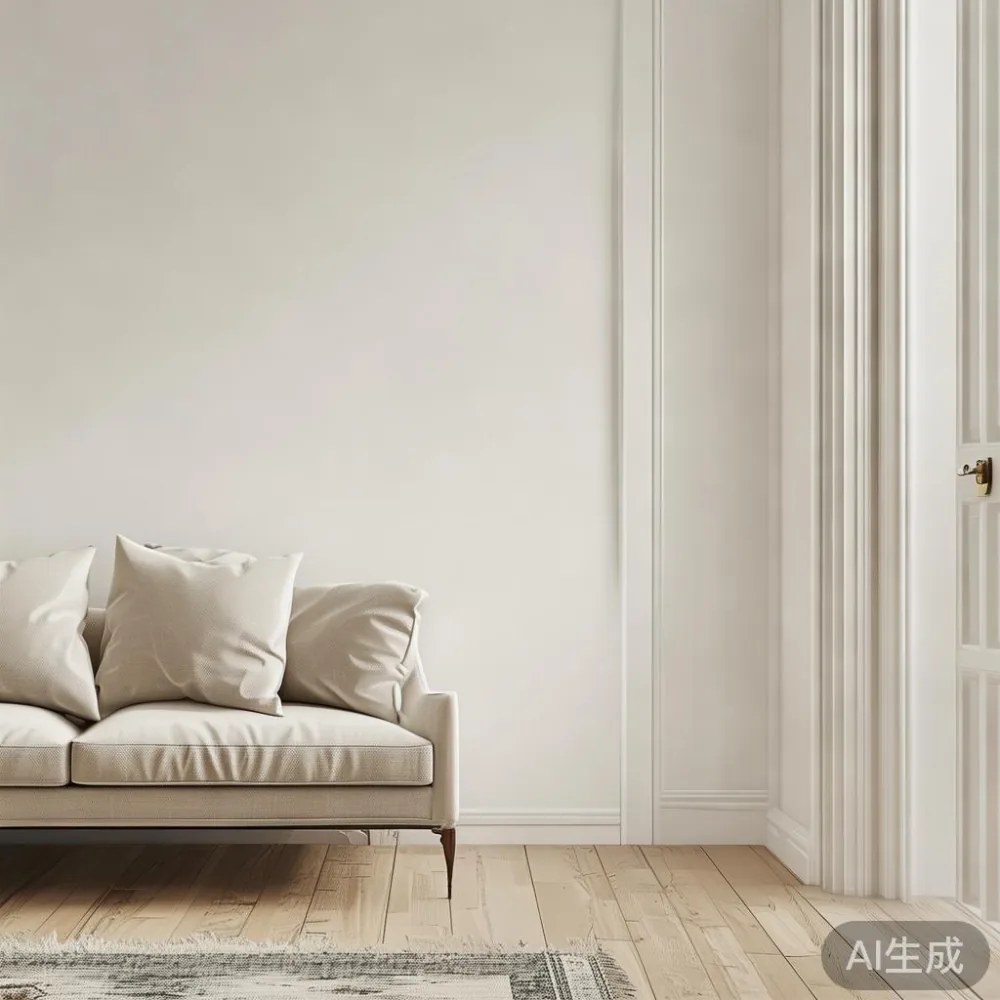
Understanding the Singaporean Climate's Impact on Lacquer
The tropical climate in Singapore is characterized by average temperatures hovering between 25°C and 31°C and relative humidity levels that frequently exceed 80%. This environment is a constant test for furniture finishes. Lacquer, a hard, durable coating that gives wood its deep, reflective shine, is susceptible to the very conditions that define our weather. The high humidity can cause the wood beneath the lacquer to absorb moisture, leading to swelling, warping, or even cracking if the wood expands and contracts too rapidly. Simultaneously, the intense UV radiation from the sun can cause the lacquer itself to fade, lose its lustre, and develop a yellowish or chalky appearance over time. For residents in HDB flats, where windows might be left open for ventilation, or in condos with large glass facades, the furniture in the entryway is often the first line of defence against these elements.
What Exactly is Lacquer and Why is it Used on Entryway Furniture?
Lacquer is a clear or coloured finish that is applied in thin layers to wood. It dries to form an exceptionally hard, smooth, and glossy surface. This finish is prized in furniture making for several reasons. First, it provides a high degree of protection against minor scratches, stains, and wear and tear, making it ideal for functional pieces like entryway furniture that are frequently used. Second, it enhances the natural grain and colour of the wood, giving it a rich, deep appearance that is difficult to achieve with other finishes. For a homeowner in Bedok looking for a statement piece, a console table with a perfect lacquer finish can improves an entire hallway. However, this beauty comes with a fragility in our climate. The very hardness of lacquer means that when it is damaged by environmental stress, the damage can be more pronounced and difficult to repair than on a softer, more flexible finish.
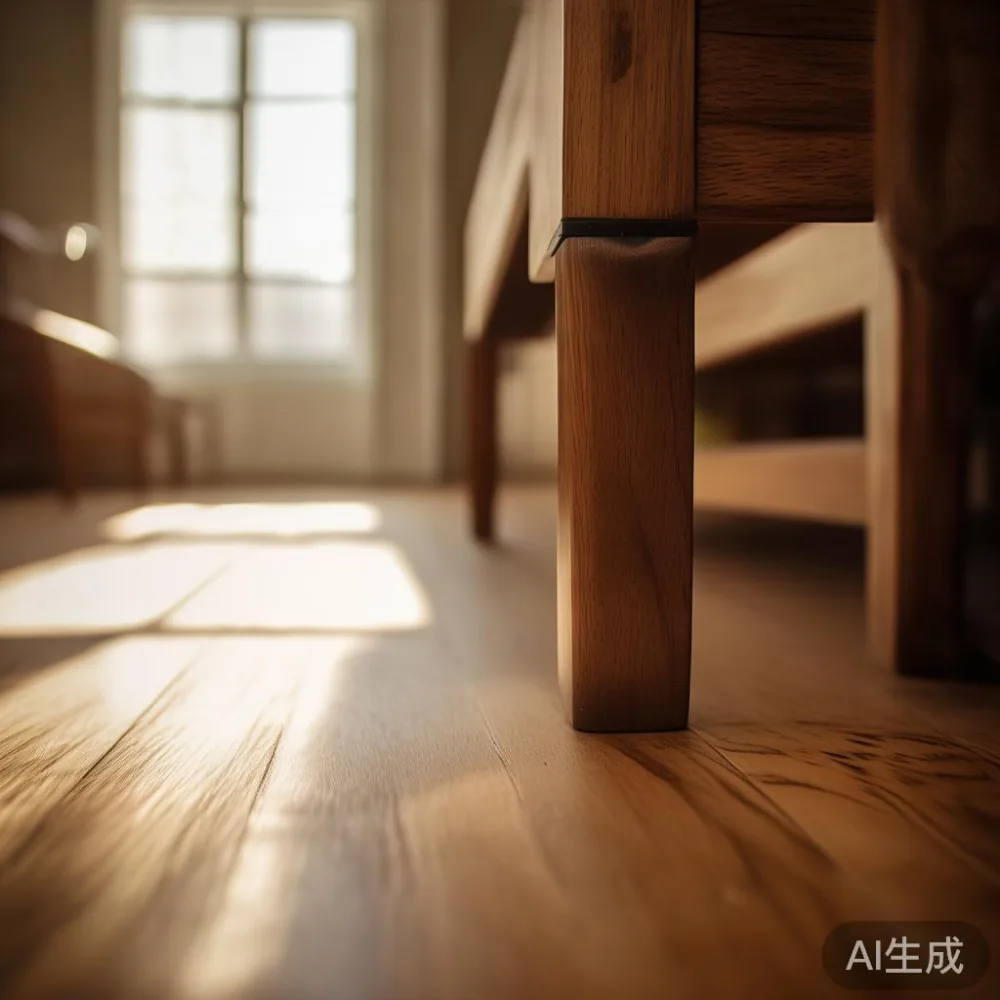
Daily and Weekly Care for Your Lacquered Entryway Furniture
Preventive maintenance is the cornerstone of preserving a lacquered finish. A consistent routine can mitigate the effects of humidity and dust, the two most common enemies of your entryway furniture.
- Dusting with the Right Tools: At least twice a week, use a soft, lint-free microfiber cloth or a feather duster to remove dust. Dust particles, when combined with the friction of wiping, can act like fine sandpaper and create fine scratches on the surface. Always dust in the direction of the wood grain. For hard-to-reach areas on a carved console table, a soft-bristled brush can be used.
- Gentle Cleaning: For light cleaning, slightly dampen a microfiber cloth with distilled water. Distilled water is preferred as it lacks the minerals found in tap water, which can leave behind white, chalky spots. Wipe the surface gently and immediately follow with a dry, clean cloth to absorb any moisture. Never spray water or cleaning solution directly onto the furniture; always apply it to the cloth first.
- Managing Spills Immediately: A spilled glass of water or a drop of rainwater tracked in from the corridor can be disastrous if left unattended. The moisture can seep into the wood through microscopic pores in the lacquer. Have a dry cloth within arm's length of your entryway furniture to blot up any spills within 30 seconds.
Protecting Your Furniture from Environmental Factors
Beyond daily cleaning, proactive protection is necessary to shield your entryway furniture from the more aggressive elements of the Singaporean climate.
| Environmental Factor | Impact on Lacquer | Protective Measures |
|---|---|---|
| Direct Sunlight | Fading, discoloration, cracking, loss of gloss | Use UV-blocking window film on corridor-facing windows. Position furniture away from windows that receive direct afternoon sun. Consider placing a sheer curtain to diffuse light. |
| High Humidity | Swelling, warping, hazing of the finish, mold growth | Use a dehumidifier in the entryway, especially during the monsoon season from November to January. Aim to keep indoor humidity between 45-60%. Ensure the area has good air circulation. |
| Temperature Fluctuations | Expansion and contraction of wood, stressing the lacquer layer | Avoid placing furniture near air-conditioning vents or in direct paths of strong fans, which can cause rapid, localized cooling. |
Choosing the Right Products for Cleaning and Polishing
The market is flooded with furniture care products, but not all are suitable for lacquered surfaces. Using the wrong product can permanently damage the finish. For cleaning, stick to products specifically designed for lacquer or high-gloss finishes. These are typically pH-neutral and free from harsh solvents, ammonia, or silicone. A simple solution of a few drops of mild, non-alkaline dish soap in a litre of distilled water is also an effective and safe option. For polishing, use a high-quality furniture polish that is labelled as safe for lacquer. Avoid oil-based polishes, as they can leave a greasy film that attracts dust and may eventually cloud the finish. Apply polish sparingly with a soft cloth, using a circular motion, and buff to a shine with a clean, dry cloth.
How to Handle Minor Scratches and Water Marks on Lacquer?
Despite your best efforts, minor accidents can happen. A light scratch or a faint water ring can often be remedied at home without professional help. For a very fine scratch that has not penetrated the wood, a small amount of non-gel toothpaste can be gently rubbed into the scratch with a soft cloth in a circular motion. The mild abrasives in the toothpaste can sometimes buff out the scratch. Then, wipe the area clean and apply a thin layer of polish. For a white water mark or ring, which is usually moisture trapped beneath the finish, place a clean, thick cotton cloth over the mark and press a warm iron (set to low heat, no steam) over the cloth for 5-10 seconds. The heat can help the moisture evaporate out. If these methods fail, or if the scratch is deep, it is best to consult a professional furniture repair service rather than risk making the damage worse.
Real-Life Experience: A Lesson from a Tampines Home
Last month, I visited a colleague who had recently moved into a new HDB flat in Tampines. She had invested in a stunning, solid wood console table for her entryway, featuring a deep black lacquer finish. The table was a beautiful focal point, but within three months, she noticed several issues. The area near the window had a distinct fade line, and the top surface had developed a slightly hazy, cloudy look in spots. She had been wiping it with a damp cloth and a generic household cleaner she thought was safe. After inspecting the table, it was clear the cleaner had contained a solvent that had damaged the lacquer's top layer, and the humidity had caused the wood to swell slightly, trapping moisture and creating the haziness. This experience was a stark reminder that even well-intentioned cleaning habits can be detrimental without the right knowledge. It highlighted the importance of using the correct products and understanding the local climate's impact.
Is Professional Refinishing Worth It for Damaged Entryway Furniture?
When a lacquered surface is significantly damaged—deeply scratched, heavily discoloured, or peeling—homeowners often face a dilemma: repair or replace? Professional refinishing is a viable option that can restore the furniture to its original glory. This process involves carefully stripping the old lacquer, sanding the wood to a smooth surface, and applying new layers of lacquer. While it can be costly, with prices in Singapore ranging from SGD 800 to over SGD 2,500 depending on the piece's size and complexity, it is often more economical than replacing a high-quality solid wood item. Many reputable furniture makers, including those with a commitment to longevity like MIDHILL, offer refinishing services as part of their lifetime care promises. For a piece that holds sentimental value or is part of a cohesive furniture set, professional refinishing can be a worthwhile investment to extend its life for another decade or more.
How to Style a Modern Entryway with Lacquered Furniture?
Caring for your furniture is only half the equation. Styling it thoughtfully can enhance its beauty and integrate it into your home's design. A lacquered console table provides a perfect opportunity to create a sophisticated entryway. The reflective surface can make a small corridor in a condo feel more spacious. Pair it with minimalist, metallic accents like brass or chrome lamps and vases to complement the high gloss. A narrow, sculptural mirror placed above the table will bounce light around the space. For a touch of texture, consider a small, high-quality area rug in a neutral shade like grey or beige. When selecting such pieces, many Singaporeans look for options that offer quality without a prohibitive price tag, which is why searching for terms like under 2000 French provincial furniture or under 2000 Nordic furniture can yield stylish results. If you're looking to create a cohesive look throughout your home, you might explore how to style a how to style light luxury bed in apartment to match the elegance of your entryway. A light luxury dining table can also share a similar design language of clean lines and premium materials. For those seeking affordability without sacrificing style, finding cheap light luxury furniture is possible with careful sourcing. An European light luxury dressing table in the bedroom can echo the polished aesthetic of your entryway console. Ultimately, styling is about creating a harmonious space that reflects your personal taste, and for many, the clean lines and refined feel of a light luxury dining table are a perfect fit. For those looking to explore these options, visiting resources like midhill.co can provide inspiration and quality products designed for the modern home.
Long-Term Preservation: Warranty and Beyond
When purchasing entryway furniture, it's wise to consider the manufacturer's commitment to quality and longevity. A warranty is not just a promise; it's an indicator of the brand's confidence in its products and finishes. For example, a 10-year structural warranty and a lifetime refinishing policy, which are offered by some established makers, provide significant peace of mind. This means that if the lacquer fails or the wood structure is compromised within a decade, you have recourse. It also speaks to the quality of the materials and the craftsmanship. Investing in a piece from a manufacturer with such a strong guarantee is an investment in your home's future. It ensures that even after years of exposure to Singapore's climate, your entryway furniture can be restored to its original condition, protecting your investment for the long term.