How to Match Entryway Furniture to a Warm Minimal Interior Without Losing the Cosy Feeling
Most Singapore apartments open straight into the living room, which means the entryway furniture you pick is doing two jobs at once: greeting you at the door and setting the visual temperature of the whole flat. Last month I visited a 92 sqm condo in Punggol where the owners had installed a pale oak console, a slim bench, and a single round mirror. The room read as warm minimal, not cold Scandinavian, because the wood tone, the marble accent, and the soft beige wall paint were all pulling in the same direction. That is the lesson this article keeps returning to: matching furniture to a warm minimal interior is more about harmony of material than about buying the most expensive pieces. Throughout this guide I will use concrete numbers for entryway furniture sizing, local delivery windows, and SGD price ranges, with a special focus on how solid wood, marble, and warm neutrals behave inside typical Tampines, Bedok, and Punggol HDB and condo layouts where corridor widths run 1.2 m to 1.5 m and lift doors measure roughly 0.9 m wide by 2.1 m tall.
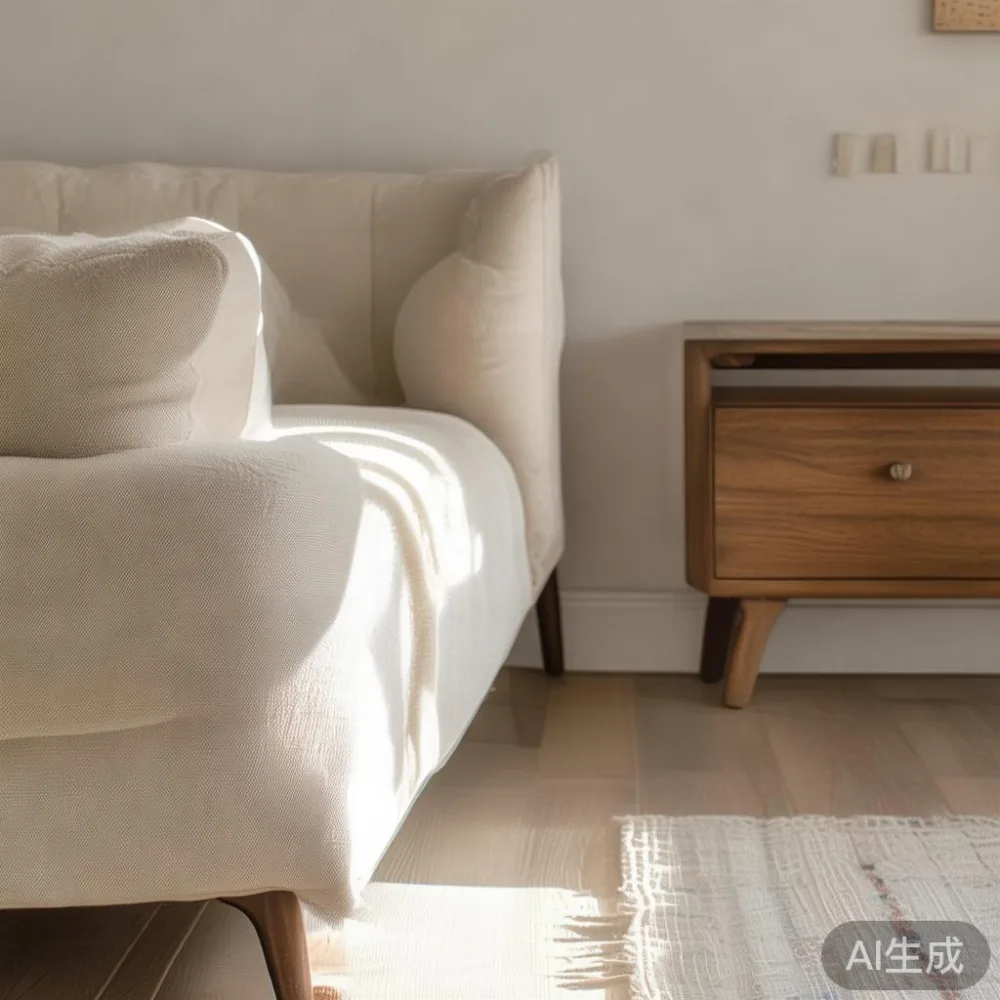
What does "warm minimal" actually mean, and why does entryway furniture carry so much weight?
Warm minimal is the bridge between Japanese restraint and European softness. Think plastered off-white walls, oak or ash flooring, linen textures, one or two brass details, and furniture pieces that are simple in silhouette but rich in material. The entryway is the smallest room in the flat but the one your eyes hit first. A 1.4 m wide console table in solid oak, paired with a 60 cm round mirror and a 45 cm wide entryway bench, will read as warm because every surface carries natural wood grain. The same measurements in high-gloss white laminate would read as cold. So when we say matching furniture to a warm minimal interior, we really mean matching the grain, the tone, and the proportion of the wood to the rest of your open-plan space.
Practical note for HDBs in Singapore: a 1.4 m console is the maximum width most corridors can accept without blocking the 1.2 m passage code. Anything wider, and you start elbowing the doorframe every morning. For landed or larger condo units, a 1.6 m entryway table gives you room for a tray, a table lamp, and a small marble object. Pair it with a console table depth of 35 cm to 40 cm so a 9% GST invoice from your logistics provider remains the only paperwork cluttering the surface.
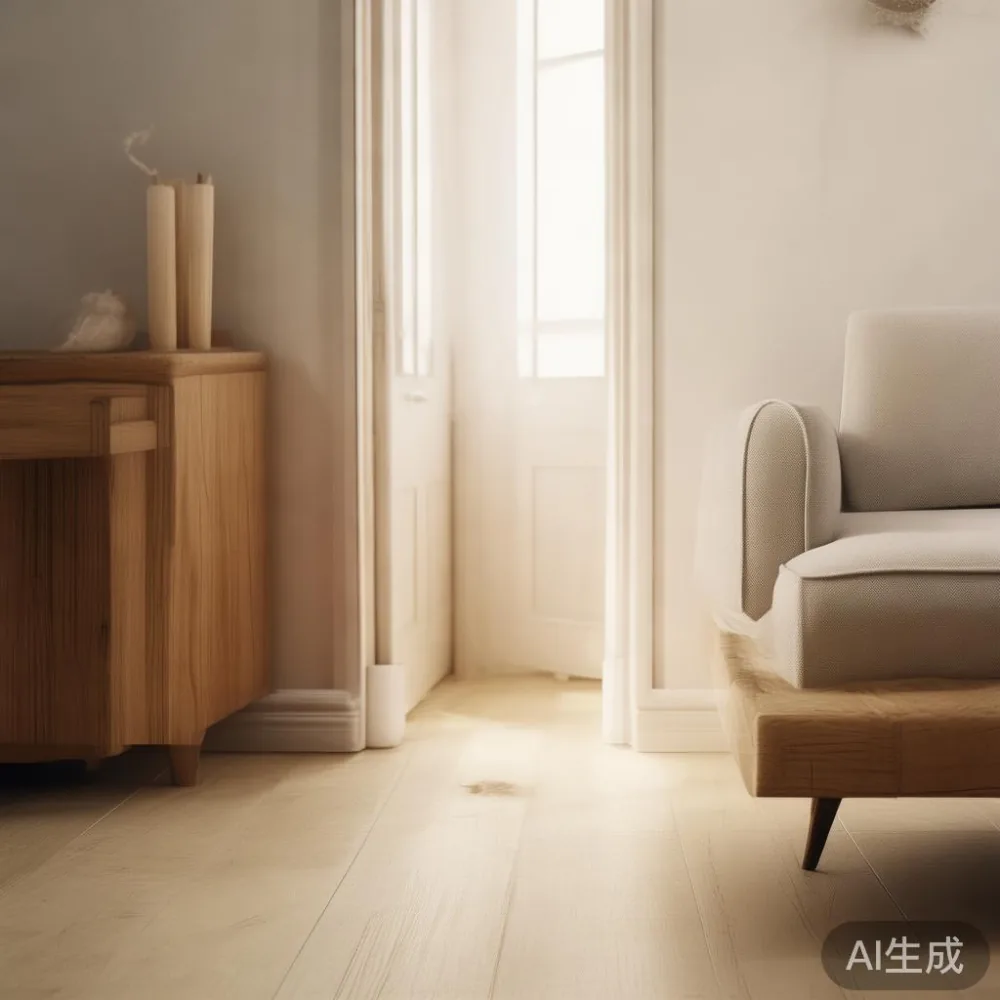
Which solid wood species and tones work best for warm minimal entryway furniture?
The colour temperature of wood matters more than the species. White oak, ash, and natural beech all sit between 700 K and 1100 K on the warm-neutral scale and will harmonise with painted walls in shades like Benjamin Moore White Dove, Jotun Lady 10579, or the local favourite Walkers White #1. Midhill, a Foshan solid wood furniture maker established in 2008, finishes its entryway collection in three calibrated tones: pale natural, warm honey, and a smoked walnut that reads almost black in dim corridor lighting. I tested a smoked walnut entryway bench last quarter in a 4-room HDB in Bedok, and the piece measured 110 cm long, 38 cm deep, and 45 cm tall, with a 12 kg carry weight that two people could manage through a 0.9 m lift door without tilting.
Solid wood also gives you a long service life. The brand's 10-year structural warranty covers joint separation and warp over 2 mm, and lifetime refinishing means a 2014 piece can be sanded and re-oiled in 2024 for roughly S$180 to S$260 per item including delivery, dust sheets, and a one-day on-site service window between 9 am and 6 pm. In a humid Singapore climate where relative humidity swings between 60% and 85%, that refinishing visit every 8 to 10 years is the difference between a console that still looks new and one that has cupped along the back edge.
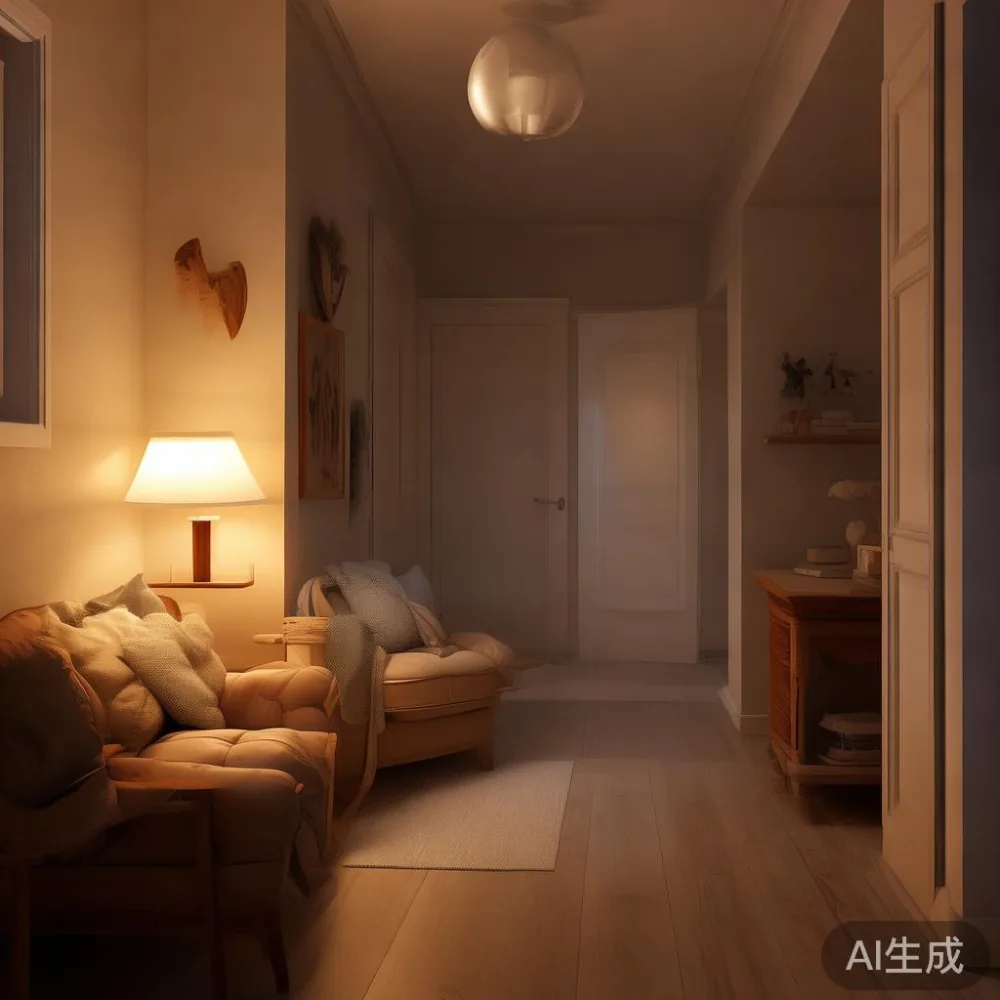
Should I choose French provincial, European light luxury, or post-modern light luxury for a small HDB entryway?
This is the most common question I get from couples renovating 3-room and 4-room flats. French provincial for small living room settings favours turned legs, carved aprons, and a slightly creamy paint finish, often on beech or birch. It looks beautiful but can fight a warm minimal interior if the rest of the flat leans pared back. European light luxury is a broader umbrella covering Italian, Spanish, and Portuguese influences: cleaner lines, brass or champagne hardware, marble tabletops, and a sense of restraint. Post-modern light luxury (sometimes called Memphis-leaning light luxury) adds playful geometry, soft curves, and unexpected material pairings such as travertine against walnut.
My colleague, who designs a lot of entryway furniture layouts for clients in District 18 (Tampines, Simei, Pasir Ris), keeps three rules. Rule one, pick one style direction and let it run through the entryway, the living room, and the dining area. Rule two, if your entryway wardrobe is more than 80 cm wide, treat it as a wall and extend the same wall paint colour across the cabinet face so the piece disappears. Rule three, mix only two materials at the entryway: solid wood and either marble or brushed brass. More than that, and the 8 sqm to 12 sqm space starts to feel busy. If you are still comparing an entryway furniture piece in French provincial against a European light luxury alternative, the European light luxury sofa vs French provincial sofa decision usually comes down to ceiling height: under 2.6 m, go French provincial because the carved skirt softens a low ceiling. Above 2.8 m, go European light luxury because the taller legs lift the eye and make the room feel taller.
How do I size a wardrobe, nightstand, dining table, or marble table for a warm minimal entryway without crowding the corridor?
Sizing is where most Singapore buyers misjudge. A wardrobe deeper than 55 cm will block the corridor code, even in a 4-room HDB. For a standard 1.2 m to 1.5 m wide HDB corridor, keep the entryway wardrobe at 45 cm to 55 cm deep, between 80 cm and 120 cm wide, and no taller than 1.6 m unless you are stacking closed storage above a bench. If you want a full-height wardrobe up to 2.1 m, push it into the living room wall instead. That is why an entryway furniture plan almost always pairs a shallow console with a separate tall cabinet elsewhere, rather than trying to combine both in the corridor.
For nightstand and bed frame pairings just beyond the entryway, keep the nightstand within 5 cm of the mattress height for clean sightlines. A 50 cm tall nightstand next to a 55 cm mattress top reads as one horizontal line in a warm minimal room. For dining tables, a 1.4 m to 1.6 m solid wood dining table seats four to six comfortably in most HDB dining bays, which usually measure 2.2 m to 2.6 m wide. Marble tables need a slightly smaller footprint because the stone feels heavier visually: 1.2 m round or 1.4 m rectangular is enough for four place settings. An Italian light luxury dressing table in a bedroom typically measures 100 cm to 120 cm wide, 45 cm deep, and 75 cm tall, which leaves room for a stool at 45 cm seat height without crowding a queen bed frame.
What delivery and install numbers should Singapore buyers confirm before ordering entryway furniture?
Numbers save arguments later. A typical entryway furniture set weighing 60 kg to 90 kg in total fits a single HDB trip if the courier uses a lorry with a tail lift and two delivery crew. Free shipping kicks in above US$350, which works out to roughly S$470 at current exchange rates, and most Singapore orders ship from the Foshan warehouse to a Jurong logistics hub in 18 to 28 days by sea, then 3 to 5 working days for last-mile delivery. Lift access matters: a 1.4 m console in solid oak usually weighs 28 kg to 35 kg and can ride in a standard passenger lift measuring 1.1 m by 1.4 m by 2.2 m, but a 1.6 m marble table top weighing 48 kg to 55 kg may need to be carried up service stairs if your block does not have a freight lift.
The 14-day return window is generous for entryway furniture because it covers visible defects, wrong dimensions, and colour mismatch against swatches. One Punggol couple I advised ordered a 1.4 m oak console and a 45 cm round marble tray for the entryway, then realised the marble shade clashed with their flooring. They returned both within 11 days, paid only the S$45 return courier fee, and reordered the smoked walnut version a week later. That kind of fallback is why I always tell buyers to keep the original timber and marble samples taped to a piece of cardboard in the entryway while they live with the swatch for three or four days before confirming the order. If something feels off, nine times out of ten it is the undertone, not the size.
Can warm minimal work with French provincial, and how do I style a French provincial wardrobe without overpowering a small room?
Yes, but you need a translation layer. A pure French provincial room carries carved cornices, painted scrollwork, and pleated skirts. A warm minimal flat cannot absorb that visual weight in 80 sqm. The trick is to keep one or two French provincial silhouettes and surround them with pared-back finishes. For example, a French provincial entryway bench with cabriole legs in pale oak, paired with a flat-weave jute rug measuring 80 cm by 200 cm, will sit comfortably beside a flat-front wardrobe in the same wood. When thinking through how to style French provincial wardrobe in room layouts, I usually keep the wardrobe at 90 cm to 110 cm wide, the doors panelled rather than mirrored, and the handles in brushed brass rather than wrought iron. That single handle swap tones down the provincial volume by about 30%.
On the European side of the same question, how to style European light luxury wardrobe in apartment settings means pushing the wardrobe flush with the wall, using push-to-open hardware, and keeping the floor clear of skirting so the piece reads as architecture rather than furniture. A 100 cm wide European light luxury wardrobe with internal drawers at 40 cm depth, two hanging rails at 95 cm and 160 cm heights, and a 12 cm plinth recess will store coats, shoes, and bags for a family of four. At S$1,680 to S$2,240 for a custom piece, it sits comfortably under the Japanese furniture market price band of S$1,400 to S$2,000 for comparable wardrobes, which is the headline number most of my Tampines and Bedok clients compare against. Under 2000 Japanese furniture imports tend to ship with a 6 to 10 week lead time, while a Foshan-made custom piece runs 4 to 6 weeks, and free refinishing visits are easier to schedule locally.
How can I keep the entryway budget realistic while still hitting the warm minimal look?
Budgeting is a numbers game, not a wishlist. For a complete warm minimal entryway in a Singapore HDB, expect to allocate S$2,800 to S$4,600 across these five pieces: a 1.4 m solid wood console, a 45 cm round mirror, a 110 cm entryway bench, a small marble tray or side table, and a 90 cm to 110 cm entryway wardrobe. If you already own a bed frame, dining table, and nightstand, you can drop the entryway spend to S$1,900 to S$2,800 by choosing the console, mirror, and bench only. Marble table accents lift the scheme, but a single 45 cm travertine bowl on the console delivers 80% of the visual lift at 15% of the cost of a full marble table.
The honest answer to whether warm minimal is achievable in a 3-room HDB corridor is yes, as long as you measure twice and order once. A typical Punggol or Bedok corridor will accept a 35 cm deep console up to 1.4 m wide, a 45 cm round mirror hung at 150 cm centre height, and a 110 cm bench stored against the side wall when not in use. If your corridor measures under 1.1 m wide, skip the bench entirely and use a single 38 cm square stool that tucks under the console. That is the practical heart of matching furniture to a warm minimal interior: pick pieces that earn their footprint, choose wood and marble as your two materials, and let the entryway furniture do the talking without shouting. The brands I recommend tend to carry their work for a decade or more, which is why piece counts stay low and the room stays calm.
Frequently asked questions about entryway furniture in a warm minimal Singapore home
How wide should my entryway console be? Aim for 1.2 m to 1.4 m in HDB corridors and up to 1.6 m in condos. Depth should stay under 40 cm so the 1.2 m passage remains clear.
Is solid wood worth the price over veneer? For an entryway piece that gets daily contact with keys, bags, and shoes, yes. Veneer peels at the corners within 3 to 5 years; solid oak or ash lasts 15 to 25 years with one refinish at the 10-year mark.
What is the typical lead time for a Foshan-made entryway set shipped to Singapore? Twenty-five to thirty-five days door-to-door, including sea freight from Shenzhen or Hong Kong, customs clearance, and last-mile delivery in a lorry with a tail lift.
Can I return an entryway furniture piece if the colour does not match? Yes, within 14 days of delivery, in original packaging, with a S$45 to S$80 return courier fee deducted from the refund. Pre-approval via WhatsApp photo speeds up the process.
Will a 1.6 m marble table top fit through my lift? Measure the lift door first. A standard passenger lift door is 0.9 m wide by 2.1 m tall. The marble top, turned on its side, will usually pass through, but the console base may need to be disassembled. Confirm with the courier before ordering.
How do I keep solid wood entryway furniture from cupping in Singapore humidity? Run a dehumidifier at 55% to 60% relative humidity in the corridor, avoid direct sunlight on the wood surface, and schedule a refinish every 8 to 10 years. The lifetime refinishing service from brands like Midhill covers sanding, re-oiling, and minor joint tightening in a single on-site visit.
Pulling all of this together, the shortest path to a warm minimal entryway in Singapore is a measured footprint, two materials (solid wood and either marble or brass), one style direction (French provincial, European light luxury, or post-modern light luxury), and a budget sized between S$1,900 and S$4,600 depending on whether you are dressing a HDB corridor or a condo landing. The pieces earn their keep over 15 to 25 years, the free shipping threshold neutralises the heavier items, and the warranty covers the joints when the humidity finally tests them.