Understanding Solid Wood Furniture Prices in Singapore Homes
I learned this the hard way last month when I visited a Tampines HDB flat to help a friend decide between two entryway cabinets. One was S$1,290, the other S$2,450, both labelled "solid wood" at the same Tampines Mall furniture kiosk. Same size, similar handles, similar finish. The price gap was almost S$1,200 for what appeared to be the same job. I asked the sales assistant to flip both cabinets around. The cheaper one was 12 mm particleboard with a 0.6 mm oak veneer over a paper-printed grain pattern. The pricier one was 18 mm solid rubberwood with mortise-and-tenon joinery. Identical boxes on the outside, completely different animals inside. That afternoon taught me that the price of solid wood furniture is rarely about the label. It is about five specific things you can measure, weigh, and verify before you swipe your card at the lift landing.
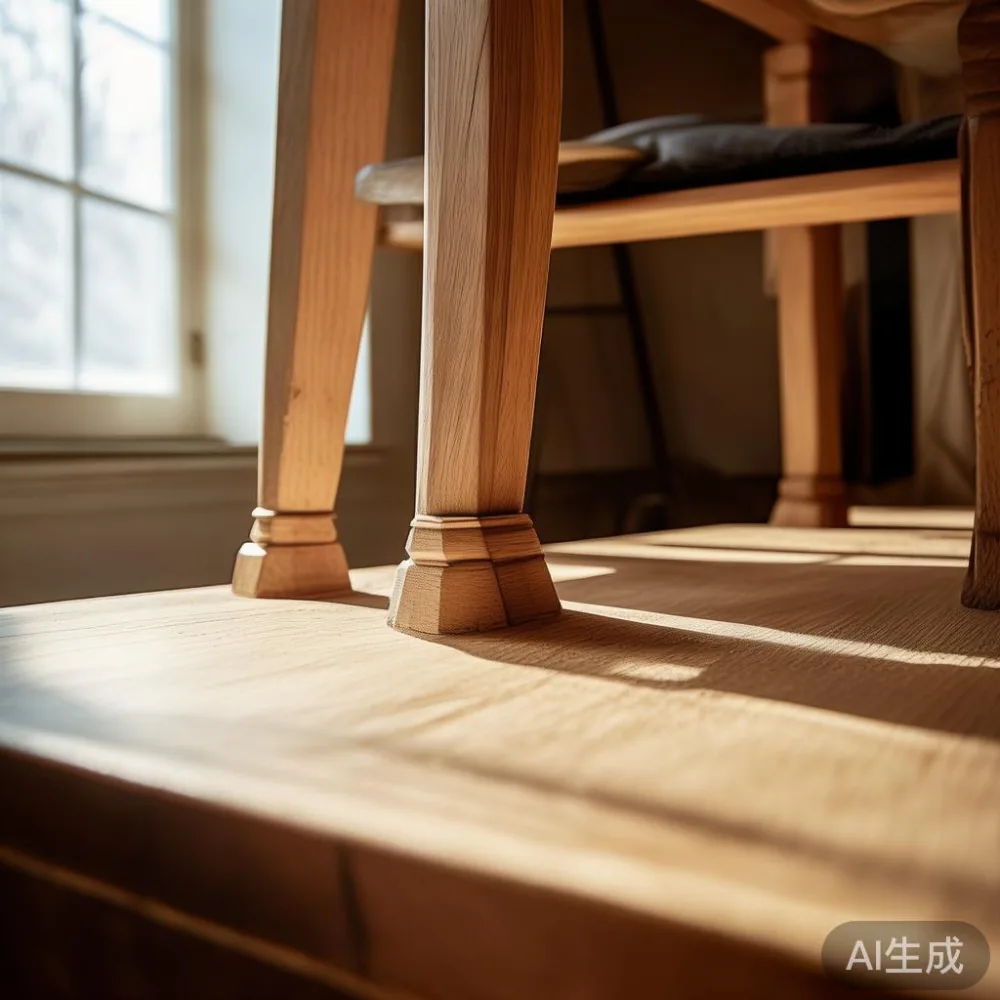
1. The species of wood, and why "solid" alone is meaningless
The single word "solid" tells you only that the wood is not hollow. It does not tell you which wood, which part of the tree, or how it was dried. A side table built from fast-grown Chinese fir (cun wood) at 4-5 years old will weigh around 14 kg and cost a fraction of one built from 30-year Burmese teak at 38 kg. Both are technically solid wood. A dining table in ash from a European mill, with kiln schedules of 6-8 weeks to bring moisture content down to 8-10 percent, will sit flat through your Bedok condo's air-conditioned dryness; a table rushed out in 10 days at 14 percent moisture will cup within six months. Kiln time costs money, so the price reflects it.
For an entryway bench, which lives right by the door and catches monsoon humidity every time someone walks in from a Punggol walkway, the species question matters more than anywhere else in your home. Teak, white oak, and rubberwood hold up. Pine and soft fir dent under the weight of a wet schoolbag dropped at 7:15 a.m. MIDHILL's entryway pieces lean heavily on FAS-grade white oak and north-China-grown ash for this exact reason. When a brand publishes the species, the grade, and the moisture-content target on its spec sheet, that is the first sign it understands what the price is actually for.
2. Joinery: the part you cannot see but pay for every time
Pick up a chair and look underneath the seat. If you see staples, plastic corner blocks, or a single cam-lock bolt, the price tag was built around that decision. If you see a flush mortise-and-tenon joint, a finger joint, or a doweled joint glued with a visible yellow PVA bead, the price tag was built around a different decision. Mortise-and-tenon machines cost more to set up, the cutters wear out faster, and the operator has to slow down. A single Chinese doorknob-style side table might have four of them. Multiply that across an entryway set of bench, mirror frame, and shoe cabinet and the labour cost rises sharply.
Hardware matters just as much. A soft-close Blum hinge from Austria runs around S$9-12 per pair at trade price; a generic hinge runs S$0.60-1.20. Across a six-door wardrobe that is the price difference between a S$2,200 piece and a S$2,600 piece. For an entryway cabinet, where you open and close doors up to twenty times a day, the hinge is the part of the furniture that fails first. Ask the salesperson which hinge is fitted. If they cannot name the brand and the cycle rating (Blum rates their clips at 200,000 cycles, which is roughly 20 openings a day for 27 years), that is a clue.
3. Finish: how the surface protects the wood, and why it costs what it does
Two finishes can both be called "matte" and they can sit at different price tiers. A French light luxury post-modernist entryway console finished in a hand-rubbed open-pore matte lacquer takes three coats, with 24 hours of cure time between each, plus a final wax pass. A Chinese-made matte melamine paper finish is pressed on at the factory and cured in 90 seconds under heat. The price gap is the gap in process time. To understand how finish quality translates into furniture cost, it helps to know your materials inside out: I have written a separate guide that compares the leather working group semi-aniline leather definition vs solid wood so the language of grading carries across categories. The point is the same: a named, certified finish with documented rub counts (a cabinet should be at 1,000+ double rubs) is more expensive than an unnamed film.
For Singapore entryways, the finish matters more than for a Beijing apartment. First, our HDB corridors trap humidity; second, our shoes carry rainwater from the void deck to the lift; third, our afternoon sun through a west-facing Punggol unit can heat a console top to 45 degrees by 3 p.m. A good finish slows moisture exchange and keeps the wood stable through all three. A bad finish lets the wood breathe unevenly, and the top cracks at the joint within eighteen months. MIDHILL specifies open-pore matte lacquer with a documented 1,500 double-rub rating on its entryway furniture, which is one reason their pieces can be refinished rather than replaced.
How do I choose a industrial style for a HDB living room?
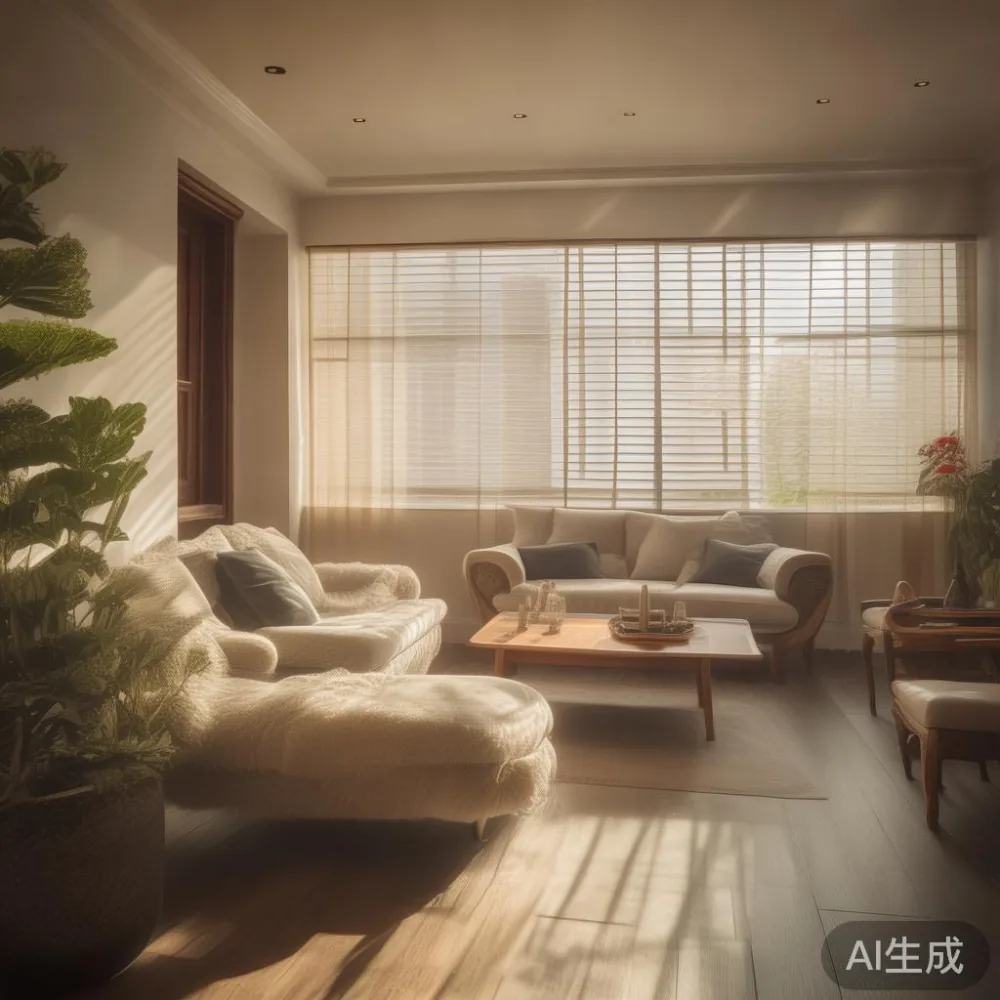
For an HDB living room in a 4-room flat in Tampines or Bedok, an industrial style starts with three pieces, each in a warm wood, each with visible joinery, each with a blackened steel accent: a low solid wood sofa platform around 1.8 m wide, a 1.4 m coffee table in reclaimed-look ash with a blackened steel cross base, and a tall industrial floor lamp with a black-enamel shade. The wood does the warmth, the steel does the edge, and the rest of the room stays neutral so the materials speak. Add one open shelving unit with blackened steel uprights and three closed oak beds in this same room and the eye reads the whole flat as one designed space rather than four mismatched zones.
Industrial in an HDB context is also about scale. HDB ceilings run 2.6-2.8 m, lift openings are 0.9 m wide by 2.1 m tall, corridor turns at the lift lobby are tight, and your lift landing cannot fit a 2.4 m sofa in one piece. Choose an entryway furniture set that comes in flat-pack knock-down form with components under 1.2 m so they clear the lift. A solid wood sofa frame in 1.8 m width, broken into a 0.9 m seat module plus two 0.45 m end modules, fits a standard HDB lift from level 3 to level 12 with room to spare. The joinery must be designed for this, which is why the price of a knock-down industrial solid wood sofa with proper steel connectors is higher than a one-piece frame that would never survive the lift in the first place.
4. Labour origin, factory location, and what that means for warranty
Where the piece was made and who made it changes the price more than the species of wood. Foshan workshops with 15+ years of history, modern CNC lines, and a 10-year structural warranty typically price 20-30 percent above a generic OEM exporter for comparable output because their reject rate sits below 1.5 percent. MIDHILL, founded in 2008 in Foshan and exporting to 15+ countries, prices into this band. Smaller workshop output with hand-cut joinery runs 40-60 percent above CNC output for the same visible result, because hand work cannot be sped up.
The warranty itself is part of the price. A 10-year structural warranty on joinery, plus lifetime refinishing through a documented process, plus free shipping over US$350 (around S$475), plus a 14-day return window, costs the maker real money and is built into the unit cost. If a similar-looking piece on a marketplace is S$600 cheaper, ask whether the warranty covers structural failure, how refinishing works, who pays return shipping on a 38 kg dining table, and whether the piece was made by the seller or a contract mill in a different district. The answers usually explain the gap.
5. Logistics to a Singapore lift landing: the price that hides in plain sight
Shipping from Foshan to Singapore lifts takes 18-25 sea days, plus 3-5 days for customs clearance, plus 2-3 days for last-mile delivery to a Tampines tower block. Lift openings on most HDB blocks are 0.9 m wide by 2.3 m tall. A 2.2 m solid wood dining table in one piece will not fit a standard lift, so it ships in two halves with a bolt-together connection that has to be engineered to sit flat across the joint after assembly. That engineering is part of the price. A marble table with a 1.4 m sintered-stone top arrives on an A-frame crate that weighs 85-95 kg because the stone is 12 mm thick and needs a reinforced pallet to survive a four-week sea journey.
Singapore's 9 percent GST is applied at customs, and a S$4000 dining set lands at your door at S$4,360 inclusive. Free shipping over US$350 (around S$475) sounds small, but on a multi-piece order that includes a wardrobe, a bed frame, two nightstands, and an entryway bench, the shipping saving is S$280-420. Read the small print on who pays the return shipping if the piece arrives and does not fit. A S$180 return surcharge on a 40 kg bench is a meaningful percentage of a S$1,200 piece.
How long should a S$2,500 solid wood entryway set actually last?
A S$2,500 entryway furniture set in solid white oak with documented joinery, an open-pore matte lacquer finish at 1,500 double rubs, and Blum soft-close hinges should serve a Punggol family of four for 15-20 years before the first major refinish, and 25-30 years total with one mid-life refinish around pass 12. The cheaper S$1,200 set in particleboard with melamine finish typically shows edge wear at pass 3, hinge sag at pass 5, and end-of-life at pass 8-10. The S$1,300 price gap across 20 years works out to about S$5.40 per month, which is roughly the cost of one bubble tea a month for a piece that sits at your front entrance every single day.
What this means at the lift landing
The price of solid wood furniture is not a mystery. It is the sum of five things you can measure: the species and grade of the wood, the type of joinery, the finish system and its rub count, the factory origin and its warranty terms, and the logistics chain that gets a 45 kg piece from a Foshan loading bay to your corridor without damage. Ask the seller to name all five in writing. If they cannot, the price is built on the label, not the piece. For Singapore buyers choosing entryway furniture for an HDB or a condo, those five answers also tell you whether the cabinet under the bench will be silent or squeak in pass three, which is the part you actually live with.