Solid Wood Prices: Unveiling the Real Cost in Singapore
Solid wood furniture rarely has one price driver. A console priced at S$890 and another at S$1,690 may look similar online, yet differ in timber grade, joinery, finish, hardware, dimensions, and delivery arrangements. For Singapore homes, those differences become practical as soon as the furniture must pass through a lift, turn along a corridor, and fit into an HDB flat or condo.
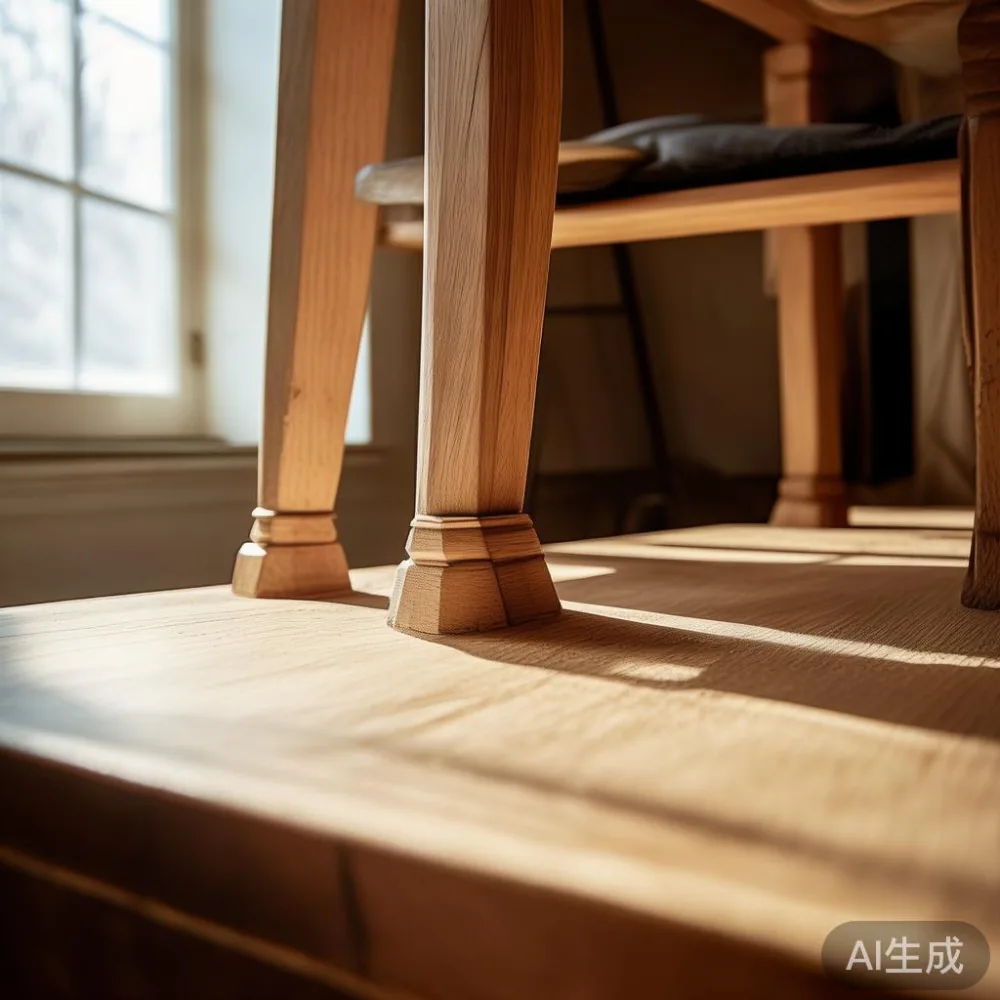
Consider a typical HDB entrance in Tampines: the corridor may be 120 cm wide, the common lift door 90 cm, and the lift car around 110 cm deep. A 150 cm-wide sideboard can block a route unless it is delivered in two sections. Add a 7 cm gap required for tilting and handling, and the commercial implications are clear. Price is not simply the cost of wood; it includes the material choices and operations needed to deliver a useful, durable object to your door.
Light luxury offers another useful reference. French light luxury often suggests pale oak, restrained profiles, fluted details, and gently curved edges. American light luxury frequently combines solid wood with metal accents, generous proportions, and visible comfort. Post-modern light luxury uses clean geometry, asymmetry, and contrasting textures without looking severe. The names describe a visual direction, not a fixed price band.

Why does a solid wood dining table cost more than a similar-looking table?
The largest factor is usually the timber itself, followed by how much of the structure is made from solid wood rather than veneer, MDF, or particleboard. A dining table with a 180 × 90 cm top may use approximately 0.16 m³ of timber before offcuts and machining are counted. Waste can raise the material requirement to 0.18–0.21 m³. Species, grade, thickness, and moisture treatment all influence that calculation.
Oak, ash, walnut, and teak do not carry identical costs. A solid oak dining table may be offered around S$1,490–S$2,690, while a walnut version may sit at S$1,990–S$3,290. These are market-style ranges rather than permanent prices, but they show how timber selection moves the invoice by several hundred dollars. Sustainable certified timber can also cost more than uncertified stock, though certification should be verified rather than inferred from a vague label.
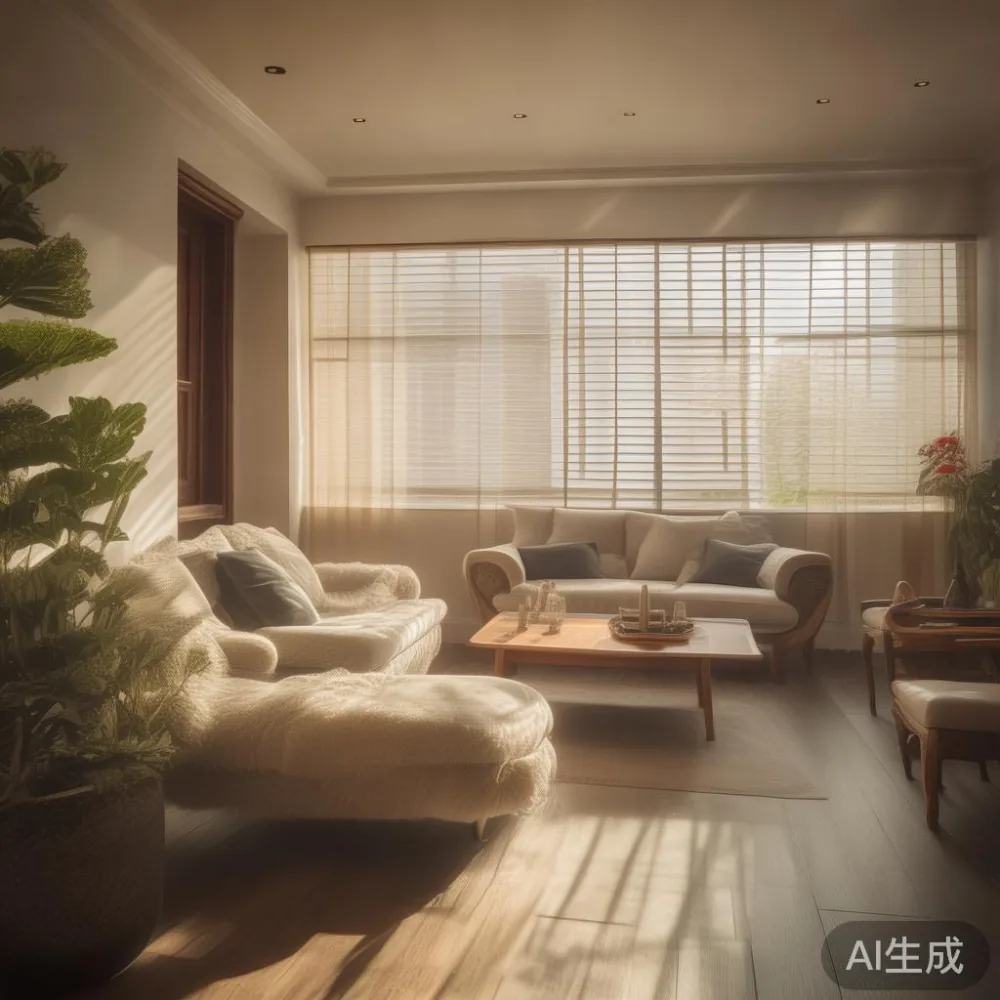
Table construction matters too. A long top needs controlled joining to resist twisting. Mortise-and-tenon joints, hardwood support rails, and properly sized legs require more setup and inspection than concealed screws placed into a thin panel. Curved edges add machining time; a hand-finished surface adds labour. A marble table introduces another cost layer because the stone slab, supporting frame, packaging, weight, and installation must all be handled separately.
For a dining table intended for daily use, ask for the top thickness, leaf construction, and load information. A 3 cm solid top can work for many homes, while a 4 cm top feels more substantial. None of these figures replaces structural testing. They help you compare quotations on a consistent basis.
What makes solid wood sofa and bed frame pricing difficult to compare?
A solid wood sofa combines a timber frame with upholstery, foam, fabric, springs, and assembly. A frame priced around S$1,100–S$1,800 can become a finished sofa at S$2,200–S$4,500 once the seat build, backrest, cover, and labour are included. The timber may occupy only part of the retail price, so the word “solid” alone does not explain the total.
The frame should still be evaluated as furniture rather than treated as a decorative shell. Look for corner blocks, a centre support rail, and joints that resist racking. One popular question is whether a Japanese sofa vs Mid-century modern sofa comparison is fair. It is not: Japanese seating usually emphasises compact depth, clean lines, and restrained comfort, while a Mid-century modern sofa commonly uses tapered legs, lower profiles, and more pronounced arms. Different dimensions and cushion constructions create different costs.
For the European bed vs Japandi bed choice, the frame is only the starting point. A queen bed around 160 × 200 cm needs a compatible mattress, and the dimensions determine whether it can pass through your bedroom door. A Japandi frame may use slats at roughly 10–12 cm intervals, while a European-style frame may add more shaping, panelling, or a taller headboard. Solid oak queens can range from about S$1,290 to S$2,590. Fabric, leather, and detailed headboards can add S$400–S$1,200.
My colleague in the furniture trade explained that the hardest estimate to trust is “same wood, same look.” He often finds that one sample has 25 mm components while another uses 18 mm parts, with only the product photographs appearing nearly identical. Checking the sectional drawing and asking for the actual timber species gives a much clearer comparison.
Is a wardrobe or nightstand simply smaller, so should it cost less?
Not always. Entryway furniture, wardrobes, and nightstands all involve design and production costs that do not shrink in proportion to volume. A compact nightstand may sell for S$290–S$590, while a larger unit with drawers, soft-close runners, and a shaped profile may reach S$750. A two-door wardrobe around 120 × 60 × 200 cm may range from S$1,190 to S$2,690, with taller fitted interiors, mirror doors, and internal fittings moving it higher.
Hardware provides a useful clue. A pair of standard hinges may add only S$20–S$60, whereas premium soft-close hinges can add S$70–S$160 per pair. Drawer runners can range from roughly S$12 to S$45 each. You are not paying merely for a polished metal component; you are paying for smoother travel, better alignment, and fewer service issues.
Surface finish is another common source of price variation. A standard clear coat may be included, while a tinted, brushed, or textured finish can add 5–12% to the base price. The final figure also depends on how many sides are finished and whether the customer-facing side receives extra sanding. Entryway furniture may look straightforward, yet matching grain or using solid timber for the front panel requires careful stock selection.
Singapore humidity also makes finishing relevant. A balanced 8–12% moisture content is a common working target for indoor solid wood furniture, subject to the species and local acclimatisation. Proper sealing helps limit movement, cracking, and staining. Cheap light luxury furniture can use veneer or engineered panels to control costs; the trade-off is that its price does not tell you the construction of every visible surface.
How do Singapore delivery conditions affect the price?
Local delivery is usually more economical than international freight, but it still has costs. A two-person delivery team may charge S$60–S$120 within Singapore, with additional fees for stairs, narrow access, or carrying distance beyond a specified area. A flat-pack item may cost S$30–S$60, while fully assembled furniture can cost more because it must be built, protected, and manoeuvred.
Measure before ordering. For many HDB flats and condos in Bedok, Punggol, or Tampines, a useful checklist is the lift door width, lift car depth, hallway turns, and door opening. A 180 cm dining table may need to enter through a 90 cm lift door diagonally. A 200 cm bed frame may disassemble, but its longest section could still exceed the available diagonal space. Confirm the largest packaged component, not only the assembled item.
GST is another figure worth clarifying. Singapore GST is 9%, and registered sellers normally display GST-inclusive prices to consumers. Some online quotes exclude GST until checkout, so compare the final payable amount. A S$1,500 item becomes S$1,635 with 9% GST.
Delivery time also shapes the price. In-stock items may arrive in 3–7 delivery days after payment, while made-to-order pieces commonly require 4–8 weeks. A rushed production window can add S$80–S$250. Longer shipping times can affect timber selection because the supplier may wait for a suitable board rather than accept defects and variations.
For MIDHILL, established in 2008 and exporting to more than 15 countries, production scale can support competitive pricing without treating material construction as an afterthought. A 10-year structural warranty and lifetime refinishing service also affect the value calculation because they point to long-term support rather than replacement by guesswork. Free shipping on orders above US$350 is relevant for international customers, while Singapore delivery and GST should still be confirmed for the destination.
What should I compare before paying more for entryway furniture?
Compare like with like. For each quote, record the timber species, whether the surface is solid wood, dimensions, component thickness, joint method, finish, hardware, warranty, and delivery terms. A lower quotation may omit floor protection, assembly, or damage cover; a higher one may include better drawer runners and a more controlled finish.
Ask to see the underside and internal structure. Look for clean joins, even gaps, sound fastening, and surfaces that have been prepared for daily contact. Check that moving parts are included, and photograph them before assembly. For a console or shoe cabinet, measure the route into the flat and decide whether a removable top or split body would be more practical.
Design terms also need context. Rustic for guest room does not necessarily mean distressed timber; it can describe warm grain, substantial proportions, and a lived-in finish. A Mid-century modern dressing table may use solid walnut with tapered legs and a narrow top, but this category must remain related to the entry and dressing zones where compact furniture is useful. If the object will stand in a corridor, its depth should not obstruct daily movement.
For the broader category, designer light luxury furniture is not defined by one premium percentage. It often comes from controlled proportions, tactile finishes, durable hardware, and precise details. A console can project that quality without an oversized marble top; a solid wood bed frame can feel light and refined through slender joinery rather than heavy carving.
How can you tell if a price difference reflects quality or just marketing?
Request a written specification. If a seller cannot state the wood species, dimensions, joinery, finish, and warranty, the price is difficult to audit. Product photographs can be informative, but they do not reveal moisture content, internal reinforcement, or the grade of a timber batch.
Look for transparency around service. A 14-day return policy gives buyers time to assess colour, scale, and condition, subject to the seller’s terms. A structural warranty should define what is covered and for how long. Refinishing support can extend the useful life of a dining table or bed frame, especially where scratches are expected over 5–10 years.
Price still matters, but it becomes more useful when stripped of vague labels. Compare final costs, construction details, delivery access, and after-sales support. A S$1,290 solid oak nightstand with documented joinery and a 5-year structural warranty may offer more certainty than a S$1,090 product with no material specification. A S$2,190 solid wood sofa may justify its price if the frame, cushions, cover, and assembly are all included; if the quote excludes upholstery, the same figure represents something different.
The most reliable approach is to understand where each dollar goes. Timber accounts for one part, but machining, finishing, hardware, upholstery, quality control, packaging, and delivery account for much of the rest. In Singapore entryway furniture, fit and access can add another S$50–S$200. That is why two prices can be entirely reasonable even when the photographs appear close. The fair question is not whether the more expensive item costs more, but whether its materials, construction, dimensions, and support are better suited to your home.