What Actually Drives the Price of Solid Wood Furniture?
Solid wood entryway furniture can range from about SGD 180 for a compact shoe cabinet to several thousand dollars for a hand-finished console with custom storage. The price is rarely explained by the product label alone. Timber grade, joinery, finish, dimensions, hardware, and delivery logistics all affect the final figure.
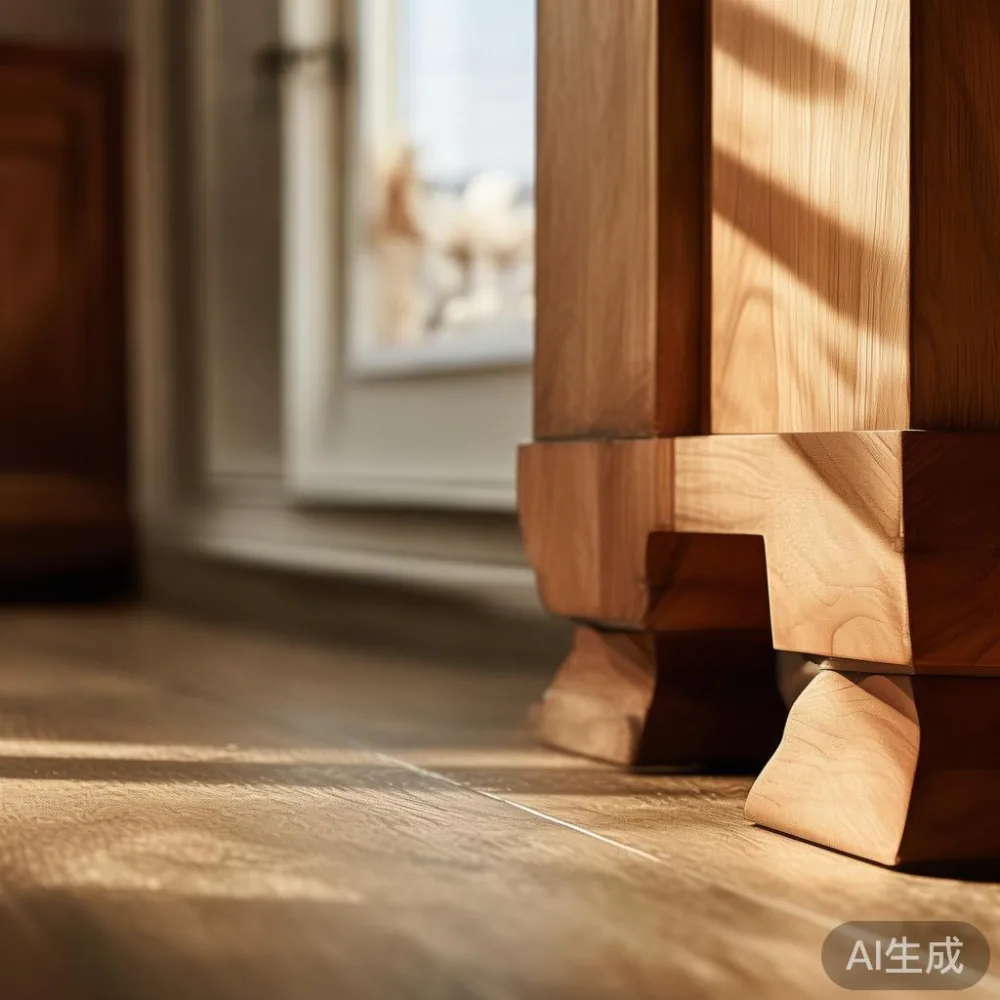
For Singapore households, those practical details matter. A console designed for an HDB corridor must fit a common lift door, pass a tight turn, and still feel refined beside the main door. The same quality timber used in a large dining table may cost more simply because a 220 cm piece contains more wood, requires larger clamps, and occupies more freight space.
MIDHILL has made solid wood furniture since 2008 and exports to more than 15 countries. Its 10-year structural warranty and lifetime refinishing policy provide a useful framework for judging value, but neither removes the need to compare specifications. Here is how the price of entryway furniture is actually built.
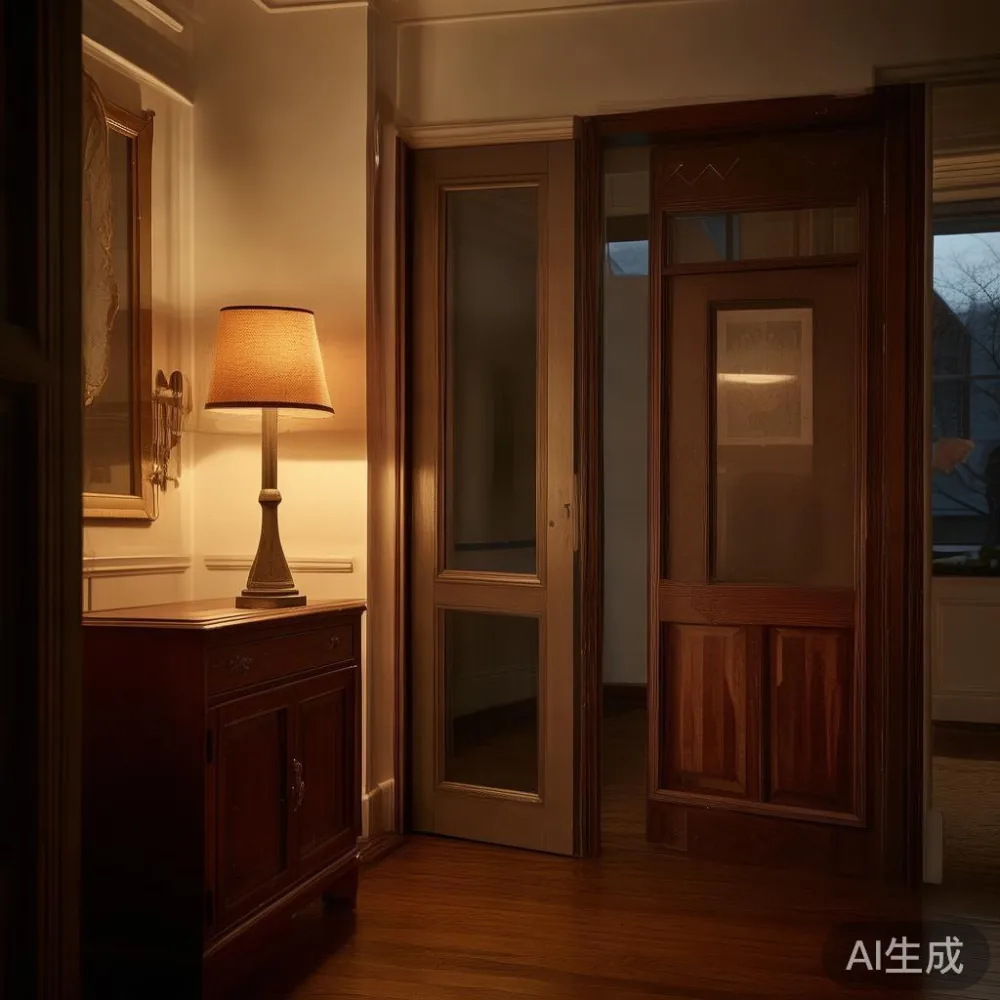
What should you pay for a solid wood entryway console?
A practical solid wood console for a Singapore home generally falls between SGD 450 and SGD 1,600. A slim model around 120 cm wide, 35 cm deep, and 75 cm high may sit near SGD 650. A 160 cm console with drawers, adjustable shelving, and a more detailed finish can reach SGD 1,200 to SGD 1,800.
Price should be matched to use. A console measuring 150 × 35 × 80 cm is useful in an HDB living area, but it may be too deep for a narrow common corridor. A bench-and-storage combination may need a footprint of 120 × 40 × 45 cm. A shoe cabinet placed opposite an HDB front door also needs enough clearance for residents to stand and open the door; 60 cm of usable space is a sensible minimum where the layout permits.
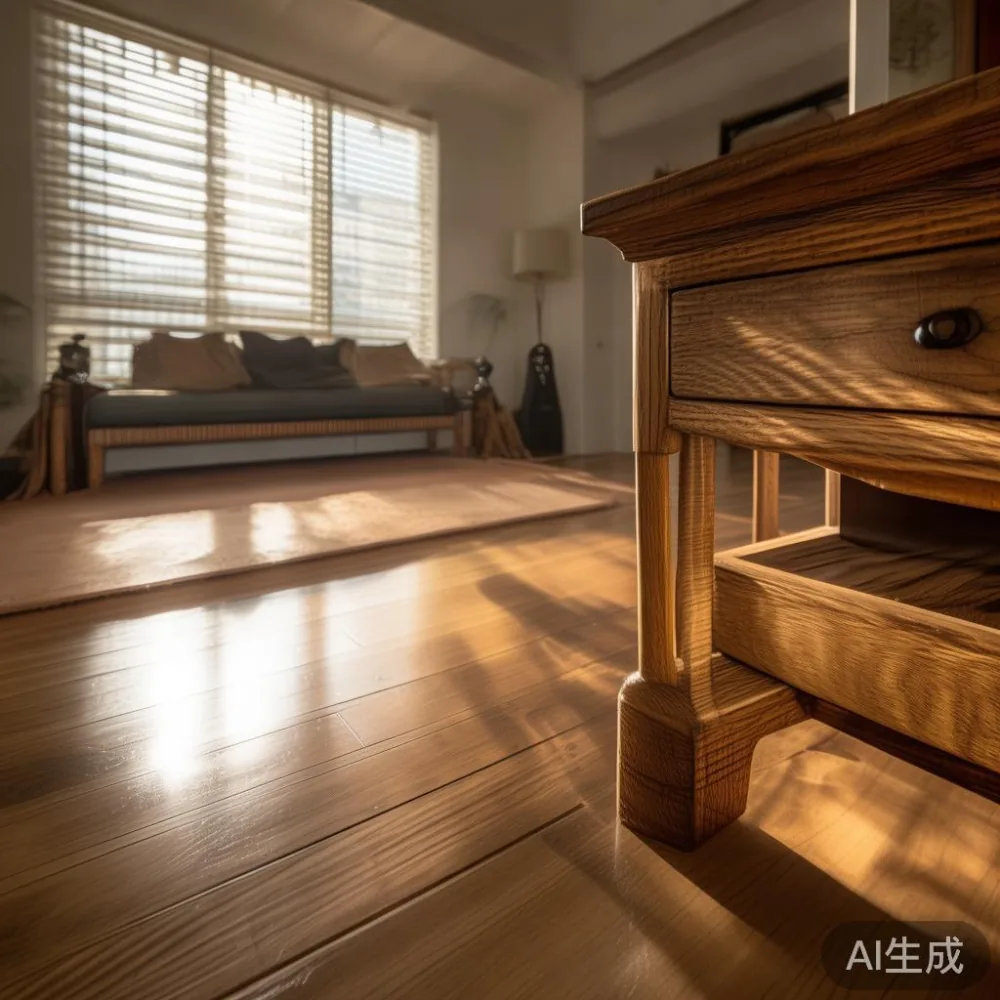
Solid wood entryway furniture also arrives with hidden costs if measurements are poor. A 150 cm cabinet may fit inside the flat but not through a 90 cm lift door. Turning it into the corridor may require an additional 20 to 30 cm of diagonal clearance. Measure the lift, landing, staircase, doorways, and turning points before ordering.
How much do different solid wood materials cost?
Species is one of the clearest price drivers. Rubberwood, pine, and poplar can support lower-priced pieces because they are less costly raw materials and easier to process. Oak, ash, and walnut generally command higher prices because of timber cost, grain appearance, weight, machining demands, and market availability.
The difference may look like SGD 300 on one entryway cabinet and SGD 900 on another, but the larger model also includes more surface area and more labour. A 140 cm solid oak console with two drawers might retail around SGD 980, while a visually similar model in a less expensive timber might be SGD 650. The saving buys a different material, not a lower construction standard.
Solid wood should also be distinguished from veneer and engineered board. Veneer uses a thin layer of timber over a panel; solid wood uses timber through the visible and structural sections. Neither is automatically better. Veneer can provide consistent colour across a large surface, while solid wood offers repair and refinishing possibilities. The price comparison is unfair unless the construction is identical.
Ask for the board thickness, timber species, and whether panels are solid throughout. Typical entryway cabinet side panels are 18 to 25 mm. Shelves may measure 18 to 22 mm. A heavier product is not automatically superior, but unusually light construction can indicate thinner board or more veneer than advertised.
Why do joinery and hardware change the price so much?
Joinery determines how much labour goes into a piece and how it behaves after years of use. Dowelled joints, mortise-and-tenon frames, dovetail drawers, and bridle joints take more time than simple particleboard construction. They may also resist movement better as Singapore humidity changes through the year.
Machine-cut components can keep prices consistent, while hand fitting creates variations and extra hours. A dovetailed drawer may add roughly SGD 80 to SGD 250 to a cabinet’s selling price, depending on whether the maker produces the drawer in-house. Hidden mortise-and-tenon construction may add less to the ticket but still improve long-term strength.
Hardware is another visible cost. A basic steel hinge may add about SGD 3 to SGD 10 per fitting. Premium soft-close hinges can cost SGD 18 to SGD 45 each. A full-extension ball-bearing drawer runner may add SGD 25 to SGD 70 per drawer, while a push-to-open or damper system can add SGD 40 to SGD 100. Solid brass handles may cost SGD 35 to SGD 120 per pull.
Those figures illustrate why two cabinets with similar timber can differ by SGD 250. The second unit may use thicker boards, better drawer suspension, and hinges designed for daily use. MIDHILL’s 10-year structural warranty is useful here because it shifts attention away from cosmetic claims and towards how the piece is built.
How does finish quality affect furniture prices?
Finish is not simply a clear coat added at the end. Sanding to a smooth surface, controlling colour, filling grain, and applying multiple thin coats each require time. A basic lacquer may add SGD 60 to SGD 150 to an entryway console. A stained and hand-oiled finish may add SGD 180 to SGD 450. Fumed, smoked, or faked finishes can cost more because of the additional preparation.
Look for a finish description that explains the actual coating. “Water-based finish” identifies the carrier, not the number of coats or expected durability. “Solid wood sofa,” “solid wood bed frame,” “dining table,” “wardrobe,” “nightstand,” and “marble table” should each have clear care instructions matching their materials. A marble tabletop, for example, needs different treatment from an oiled oak cabinet.
Colour also affects consistency and labour. Matching several entryway furniture pieces across a large order may require additional sample rounds and tinting. Buyers should expect more than a single spray-gun colour change. In my own check of a recent MIDHILL order, the pale oak sample looked warmer under the corridor’s warm LED lights than it did beside a north-facing HDB window. That 4,000 K versus 6,500 K difference is enough to affect the perceived shade of the grain.
Is European light luxury for dining room worth the extra cost?
European light luxury for dining room design generally costs more because it combines restrained proportions, selected materials, detailed surfaces, and controlled production. It does not require oversized furniture or heavy ornament. A 180 × 90 cm dining table with a solid wood top, tapered legs, and a smooth matte finish might cost SGD 1,600 to SGD 3,200. A more sculpted or veneered version may reach SGD 4,000.
This approach aligns with French light luxury, where pale timber, curved edges, subtle profiles, and tactile finishes create warmth without visual clutter. American light luxury often uses larger silhouettes, deeper upholstery, and more emphatic wood tones. Post-modern light luxury may introduce unusual geometries, mixed materials, or graphic details.
For entryway furniture, the style can be translated into a narrow console with softened corners, a 25 mm top, and a muted oak finish. The goal is not to reproduce a formal dining room in a corridor. It is to create a coherent transition from the lift lobby into the home.
Price rises when European light luxury construction includes hand-selected timber, matched grain, concealed fixings, and a multi-stage finish. A minimalist shape can still be labour-intensive. In furniture, “minimal” often describes the visible design rather than the number of production steps.
Do custom sizes and built-in wardrobes create large price jumps?
Custom sizing can add 10 to 30 percent because offcuts become unusable and CNC settings, hand fitting, and finishing require extra time. A standard 120 cm entryway bench may cost SGD 420, while a made-to-measure 134 cm version could cost SGD 520. A shallow cabinet designed for a 28 cm alcove may cost more than a wider stock model even if it contains less wood.
Built-in wardrobes show the same effect at larger scale. A fitted wardrobe for an HDB bedroom may range from SGD 1,800 to SGD 5,500 or more, depending on depth, internal modules, mirror doors, drawers, lighting, and finish. Internal fittings can add measurable amounts: a hanging rail may add SGD 20 to SGD 50, a pull-out trouser rack SGD 90 to SGD 220, and LED strip lighting SGD 70 to SGD 180 before installation is considered.
Buyers searching for the best Modern light luxury wardrobe for 2026 should compare the internal specification rather than relying on a style label. The repeated keyword “best Modern light luxury wardrobe for 2026” is not a useful shopping filter by itself. Door thickness, shelf spacing, hinge type, and available panel widths determine whether the wardrobe works daily.
For anyone working out how to choose European light luxury wardrobe, begin with the room, then select the finish. A 60 cm-deep unit can suit a standard bedroom, while 55 to 58 cm depths preserve circulation in compact HDB rooms. Internal widths should match common bag and appliance dimensions, not just the external opening.
How should I choose a sofa or bed when furniture prices are compared?
A sofa’s price depends on frame material, upholstery, cushion construction, and labour. A solid wood bed frame with a 30 to 40 cm headboard may range from SGD 900 to SGD 2,600. A solid wood sofa with 8-way hand-tied springs can cost more than one with a simpler webbing and foam core. Fabric quantity also matters: a 220 cm sofa may require 18 to 25 metres of upholstery cloth, while a 180 cm model may use 15 to 20 metres.
Anyone learning how to choose French sofa should look beyond the curved armrest. Check the seat height, cushion density, frame joints, and whether the cover can be removed. French light luxury sofas often pair pale timber or soft upholstery with rounded forms, but comfort still depends on support rather than national style.
For a bed, solid timber slats, centre supports, and a stable connection system affect both price and performance. Searching for the best Mid-century modern bed for 2026 can be useful, but a tapered-leg design is only credible if the structural parts are adequately sized. A queen bed should normally use slats spaced no more than roughly 8 to 10 cm apart, with support near the centre.
This also explains how to choose Japandi sofa for a compact Singapore flat. Low profiles can improve visual openness, yet the seat should still support the occupants. Compare the actual width with the lift door, not only with the living room.
MIDHILL bed specifications are worth checking against the room and mattress. A queen frame measuring 155 × 205 cm needs at least 15 cm on each side for bedside tables in many layouts. The frame height should suit the mattress, and the complete package must still pass through the lift and corridor.
What do delivery, GST, and after-sales service add to the price?
Delivery is often misunderstood in furniture retail. Singapore has low geographical distances, but a large item can still need two people, a lift booking, stair carry, protective packaging, and assembly. Standard mainland delivery may be quoted from SGD 35 to SGD 120, while white-glove delivery with placement and packaging removal can range from SGD 90 to SGD 280.
Delivery to a newly completed Tampines, Bedok, or Punggol condo may include access coordination, parking, or lift reservation. Confirm whether the service includes carrying the item to the door or placing it inside the unit. Some suppliers charge extra for stairs, narrow-access handling, or items above a certain weight.
GST is 9 percent in Singapore and applies to most imported household furniture. If a solid wood console is listed at SGD 1,200 before GST, the payable amount is SGD 1,308. Use this calculation when comparing quotations: SGD 800 plus GST becomes SGD 872, not SGD 800.
Returns and warranty support also influence the sensible price. A 14-day returns policy gives buyers time to inspect scale and finish, though certain made-to-order pieces may be excluded. MIDHILL provides free shipping for orders above US$350, 14-day returns, a 10-year structural warranty, and lifetime refinishing. These services help reduce the risk of paying for an item that cannot work with the space.
How can you judge whether a price is fair?
Compare like with like. Record the timber species, board thickness, dimensions, drawer construction, hinge type, finish, delivery terms, GST treatment, and warranty period. Then check whether the seller can explain the price difference in practical terms.
For a typical entryway console, a sensible allocation might be 35 percent for materials, 30 percent for labour and machining, 15 percent for hardware, 12 percent for finishing, and 8 percent for packaging, delivery, and overhead. A unit priced far below this structure may omit board thickness, fitted drawers, or a durable finish. A higher price may reflect a larger size, a slower process, better timber, or simply a higher retail margin.
Visual design also carries a price. A shaped console with curved edges and continuous grain can take longer to make than a flat-sided cabinet. That can add 15 to 35 percent without changing the timber. Entryway furniture should earn that premium through proportion, tactile quality, and durability rather than decorative excess.
For most HDB and condo buyers, the fairest choice is a solid wood piece sized around 100 to 160 cm, with drawers or a shelf rated for daily use, soft-close hinges where appropriate, and a finish that suits the lighting. A moveable nightstand or compact shoe cabinet may cost less, while a fitted wardrobe can justify a much larger budget if the storage need is real.
Solid wood furniture is not priced by the kilogram alone. It is priced by material, precision, labour, finish, logistics, and service. Once those parts are visible in the quotation, the price becomes easier to judge—and easier to compare across makers.